Gene Editing and Next-Generation Nucleic Acid Therapies
From Symptom Treatment to Root-Cause Intervention
Over the past decades, most drug development strategies have focused on symptom relief or slowing disease progression. However, advances in molecular biology and genetic engineering are enabling a new paradigm—addressing diseases at their root by modifying genetic information.
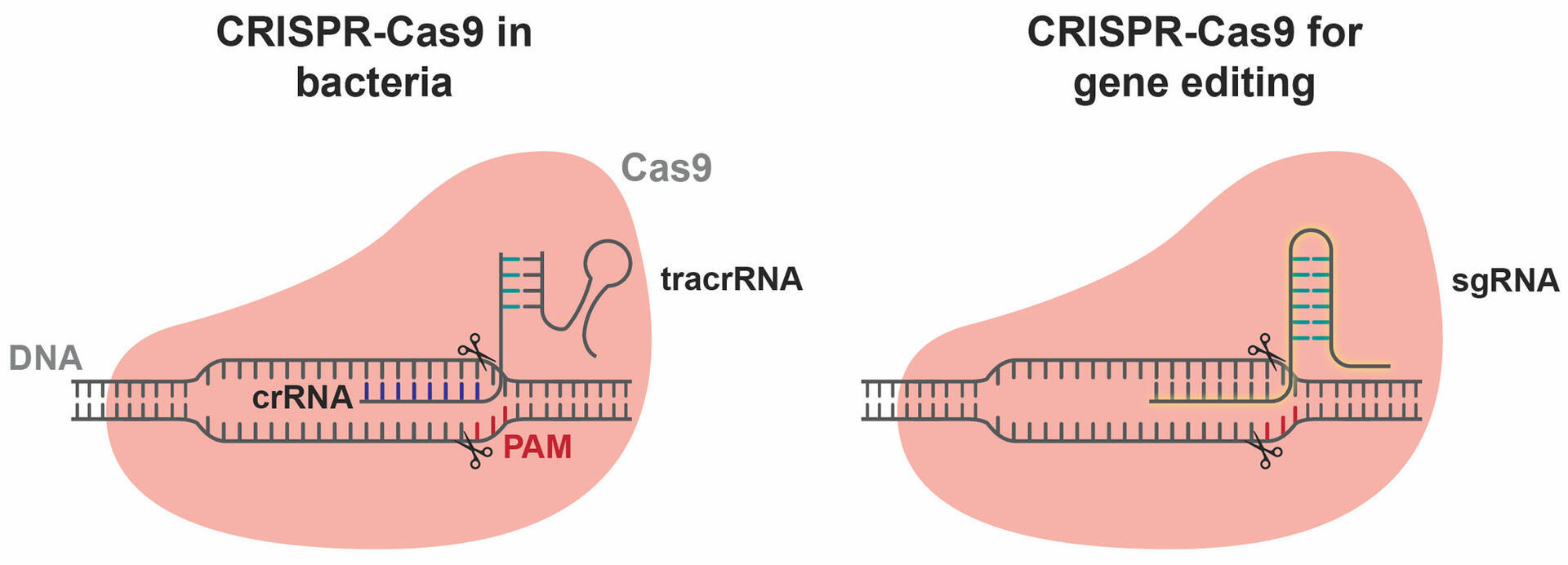
Gene editing technologies such as CRISPR-Cas9, along with next-generation nucleic acid therapies, are driving medicine toward curative approaches.
Technological Evolution: From Gene Cutting to Precision Editing
The core of gene editing lies in precise DNA modification.
Key technologies include:
- CRISPR systems for targeted DNA cleavage
- Base Editing for single-base substitution without double-strand breaks
- Prime Editing for enhanced precision and control
👉 The direction is clear: from gene disruption to precise gene correction.
Emerging systems are further improving flexibility:
- Reduced dependence on PAM sequences
- Dual-site recognition capability
- Better adaptability in complex genomic regions
📌 Gene editing is becoming programmable and scalable.
Recent Advances: Toward One-Time Treatment
A key breakthrough area:
👉 PCSK9 gene editing in cardiovascular diseases
- Modifying the PCSK9 gene reduces LDL cholesterol
- Potential for single-dose, long-lasting effect
This represents a major shift:
| Traditional Therapy | Gene Editing |
|---|---|
| Long-term medication | One-time intervention |
| Symptom control | Root-cause treatment |
| High adherence needed | Durable effect |
📌 A pathway toward functional cures is emerging.
Key Challenges: From Lab to Clinical Reality
Despite progress, several barriers remain:
1. Safety
- Risks from DNA double-strand breaks
- Long-term effects still under study
2. Off-target Effects
- Unintended gene edits
- Precision still improving
3. Delivery Systems
- Efficient delivery remains difficult
- Current approaches:
- Lipid nanoparticles (LNPs)
- Viral vectors (AAV)
📌 Delivery is a critical bottleneck.
Future Outlook: Programmable Medicine
Key trends shaping the future:
1. Programmability
Designing RNA to control gene editing processes
2. Technology Integration
- Gene editing + RNA therapies
- Gene editing + cell therapies
3. Personalization
Tailored therapies based on genetic profiles
📌 The paradigm is shifting from drug development to treatment design.
Conclusion
Gene editing represents a fundamental shift in medicine:
- From disease control → potential cure
- From long-term management → one-time intervention
Breakthroughs in safety, precision, and delivery will determine future leaders.
As a global pharmaceutical platform DengYueMed, we closely follow cutting-edge innovations such as gene editing and support global access to advanced therapies.
🌐 About DengYueMed
DengYueMed specializes in global pharmaceutical sourcing, cross-border distribution, and innovative drug access.
👉 Pharmaceutical Wholesaler Services
👉 About DengYueMed
📩 Contact us for collaboration on innovative therapies and global market access.