Is Helicobacter pylori Infection Guaranteed to Cause Stomach Cancer? Many People Have Misunderstood It
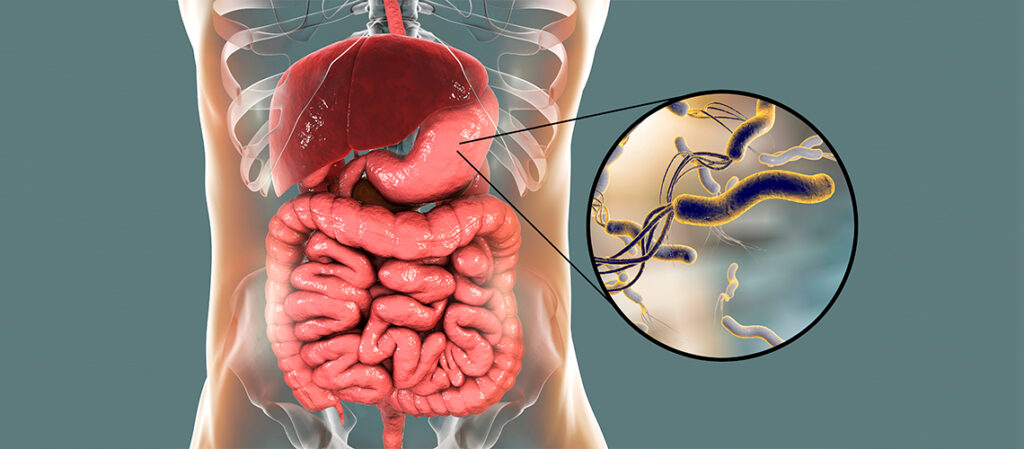
When many people see “Helicobacter pylori positive” on their medical examination report, their first reaction is often anxiety.
Some immediately search online:
“Is Helicobacter pylori infection dangerous?”
Others become worried after reading that Helicobacter pylori is associated with stomach cancer, wondering whether they are now at high risk of developing cancer themselves.
In reality, Helicobacter pylori infection is indeed closely related to various stomach diseases, but the idea that:
“having Helicobacter pylori means you will definitely develop stomach cancer”
is not accurate.
What truly deserves attention is not simply whether someone is infected, but whether long-term infection continuously damages the stomach lining and whether stomach health problems are being ignored over time.
Today, Helicobacter pylori infection has become a very common global health issue. Many people may carry the bacteria for years without any obvious symptoms. At the same time, modern eating habits, irregular schedules, and chronic stress are placing more and more young people’s stomachs under constant pressure.
Through its long-term focus on global digestive diseases and stomach cancer–related medical research, DengYueMed has observed that chronic stomach problems are increasingly appearing in younger populations, with Helicobacter pylori infection becoming one of the most discussed concerns.
What Is Helicobacter pylori?
Helicobacter pylori (Hp) is a type of bacteria capable of surviving in the stomach environment for long periods of time.
Stomach acid is highly acidic, making it difficult for most bacteria to survive. However, Helicobacter pylori can avoid the effects of stomach acid through special mechanisms and attach itself to the stomach lining.
Over time, persistent infection may continuously irritate the stomach lining and trigger chronic inflammation.
In fact, many common stomach diseases are associated with Helicobacter pylori infection, including:
- Chronic gastritis
- Gastric ulcers
- Duodenal ulcers
In some people with long-term chronic infection, the risk of developing stomach cancer may also increase.
For this reason, Helicobacter pylori is considered one of the clearest known risk factors associated with stomach cancer.
Why Are More People Becoming Infected with Helicobacter pylori?
Helicobacter pylori infection is actually very common.
Many people may become infected during childhood without ever realizing it.
The bacteria are mainly transmitted through oral contact, shared meals, and household transmission. Habits such as not using serving utensils, sharing tableware, feeding children mouth-to-mouth, and close personal contact may all increase the risk of transmission.
In some families, if one person is infected, other family members may gradually become infected as well.
At the same time, modern lifestyles may indirectly increase the risk of stomach problems.
Many young people maintain irregular eating habits, frequently skipping breakfast, overeating, eating late-night meals, or consuming heavily seasoned foods. Combined with sleep deprivation, psychological stress, and long-term anxiety, the stomach lining becomes more vulnerable to irritation.
Although these habits do not directly “create” Helicobacter pylori, they may weaken stomach health and make digestive discomfort and stomach inflammation more likely.
Does Helicobacter pylori Infection Always Lead to Stomach Cancer?
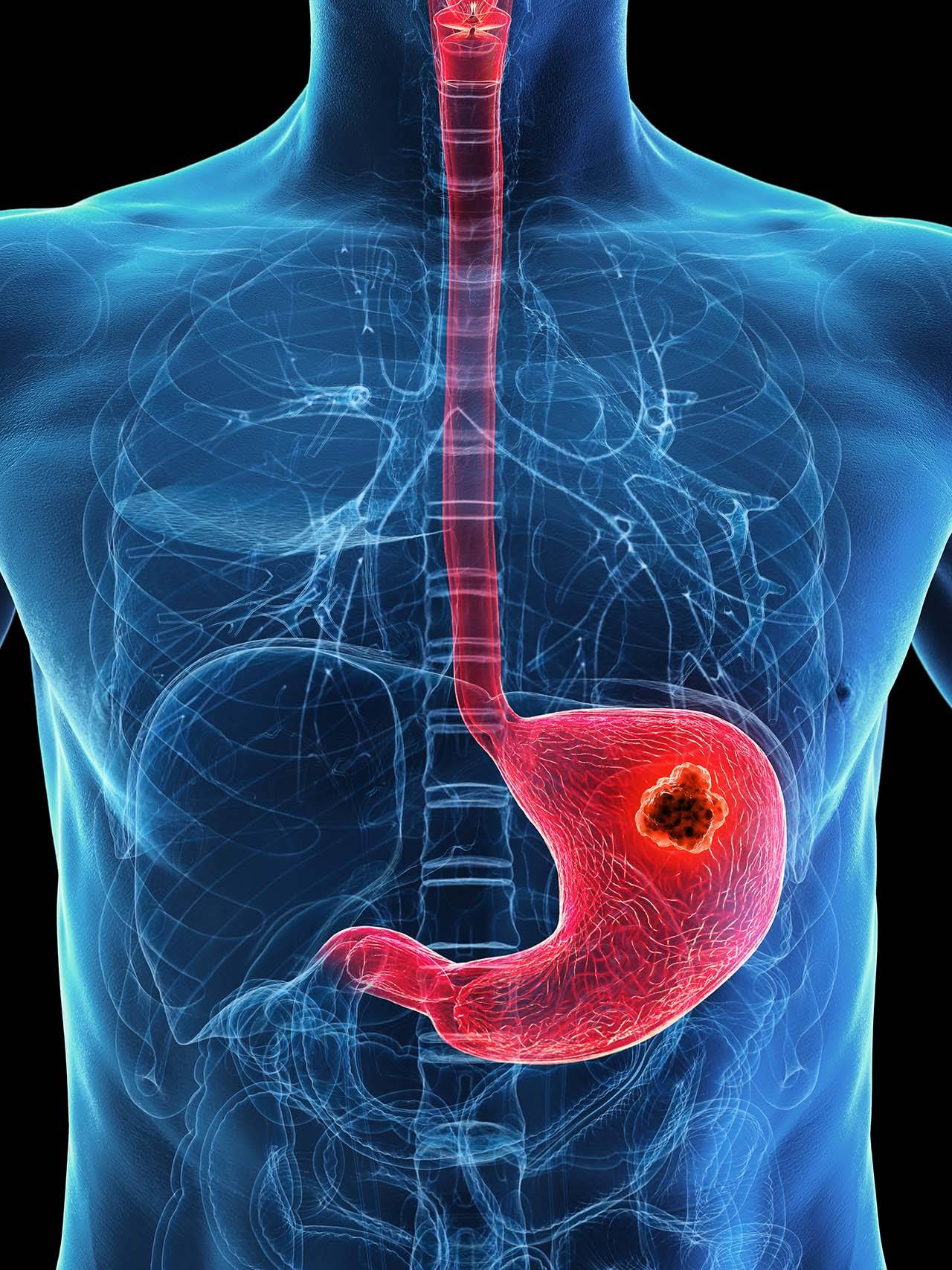
This is one of the biggest misunderstandings surrounding the infection.
The answer is:
Not every person infected with Helicobacter pylori will develop stomach cancer.
In fact, most infected individuals will never develop stomach cancer during their lifetime.
However, long-term Helicobacter pylori infection may continuously damage the stomach lining and cause chronic inflammation. If this inflammation persists for years, some individuals may gradually develop:
- Chronic atrophic gastritis
- Intestinal metaplasia
- Dysplasia
These changes are considered associated with an increased risk of stomach cancer.
In other words, what truly deserves attention is:
“Long-term chronic infection + continuous stomach lining damage”
rather than the infection itself alone.
In addition, whether the condition progresses further also depends on multiple factors, including:
- Family history
- Dietary habits
- Smoking and alcohol consumption
- Long-term high-salt diets
- Existing stomach diseases
Therefore, Helicobacter pylori infection does not equal stomach cancer, but long-term neglect of the infection may indeed increase health risks.
What Symptoms Can Helicobacter pylori Infection Cause?
Many people assume infection will always cause stomach pain, but in reality:
Many infected individuals may have no obvious symptoms for a long time.
Some people may experience:
- Acid reflux
- Bloating
- Bad breath
- Indigestion
- Upper abdominal discomfort
However, these symptoms are not specific to Helicobacter pylori infection.
In other words, it is difficult to determine infection status based on physical sensations alone.
As a result, many people only discover they are Helicobacter pylori positive during routine health examinations or stomach-related medical tests.
How Is Helicobacter pylori Detected?
Common testing methods include:
- 13C Urea Breath Test
- 14C Urea Breath Test
These tests are convenient, relatively accurate, and widely used for screening.
In addition, during gastroscopy examinations, doctors may further evaluate the condition of the stomach lining and determine whether infection is present.
For individuals with long-term stomach discomfort, recurrent stomach disease, or high risk of stomach cancer, doctors may recommend further gastroscopic evaluation when necessary.
How Can Daily Life Help Reduce the Risk?
Rather than becoming overly anxious, it is more important to develop healthy lifestyle habits.
For example:
- Use separate serving utensils when possible
- Maintain good food hygiene
- Reduce long-term intake of heavily salted or pickled foods
- Avoid overeating
- Maintain regular sleep schedules
- Reduce smoking and alcohol consumption
These habits may help reduce the burden on the stomach and support overall digestive health.
For people with persistent stomach discomfort, regular medical examinations are also very important.
Conclusion
Helicobacter pylori infection is common and does not automatically mean someone will develop stomach cancer.
What truly deserves attention is the long-term damage chronic infection may cause to the stomach lining, as well as the tendency to ignore stomach health problems for years.
Today, more and more young people are developing stomach-related problems due to irregular eating habits, poor sleep schedules, and chronic stress.
Rather than waiting until symptoms become severe, it is far more important to establish healthy eating habits, maintain regular routines, and develop awareness of preventive health screening.