Why Are More International Patients Choosing Medical Treatment in China?
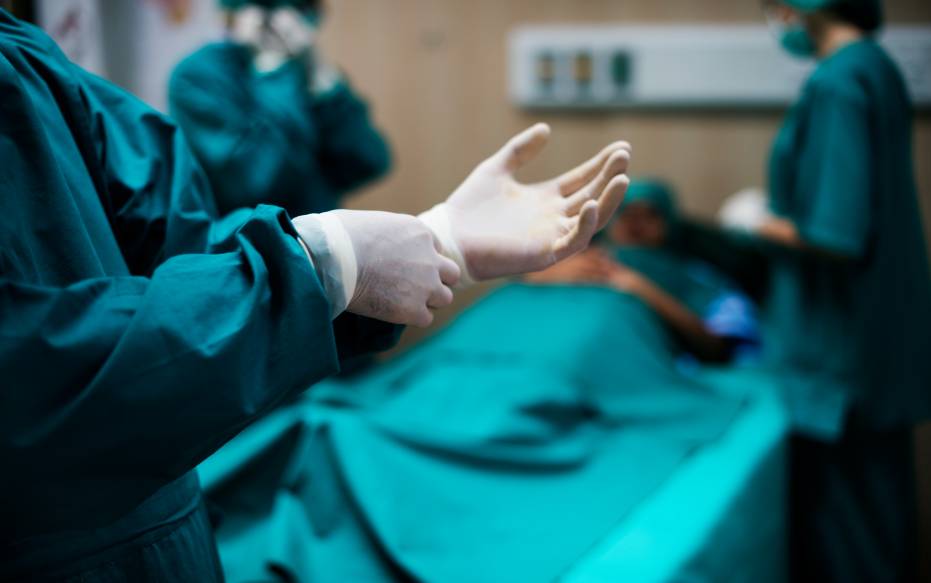
Why Are More International Patients Choosing Medical Treatment in China? Cross-Border Healthcare Is Becoming a Global Trend
As economic globalization continues to deepen, the cross-border flow of medical resources is becoming an increasingly important trend in the global healthcare industry. In the past, many Chinese patients traveled to Europe, the United States, Japan, and other countries in search of advanced medical technologies. Today, however, with the rapid improvement of China’s healthcare system and the continuous development of international medical services, more and more international patients are beginning to choose China as a destination for cross-border healthcare.
The rise of this “reverse medical tourism” not only reflects the growing international competitiveness of China’s healthcare industry, but also marks China’s gradual transformation from a “medical resource importer” into a “global healthcare service provider.”
Why Is China’s Cross-Border Healthcare Attracting International Patients?
The core advantages of cross-border healthcare mainly lie in three aspects: medical quality, treatment efficiency, and cost-effectiveness.
Compared with some Western countries, China has reached internationally advanced standards in multiple specialties, particularly in oncology, orthopedics, cardiovascular medicine, ophthalmology, and precision medicine. At the same time, Chinese hospitals are often able to provide faster medical access and more affordable treatment options.
For example, an appendectomy in the United States may cost tens of thousands of dollars, while the same procedure in China may cost only several thousand to tens of thousands of RMB. In some countries, patients may wait weeks or even months for specialist appointments, whereas many Chinese hospitals are able to arrange consultations and treatment within a much shorter period.
For international patients who require timely treatment, this combination of efficiency and affordability is highly attractive.
JCI Accreditation: An Important Standard for International Patients
In the field of cross-border healthcare, international accreditation is one of the most important indicators of a hospital’s global medical standards. Among them, JCI (Joint Commission International) accreditation is one of the most recognized international healthcare certifications worldwide.
JCI accreditation evaluates hospitals across multiple areas, including patient safety, infection control, medication management, and medical procedures. Hospitals that achieve JCI accreditation are considered to have reached internationally recognized standards in healthcare quality and patient care.
Currently, many hospitals in China have obtained JCI accreditation and established international medical centers to provide more standardized and internationally oriented healthcare services for overseas patients.
What Do International Patients Consider When Choosing Hospitals in China?
For cross-border healthcare, international patients are concerned not only about a hospital’s reputation, but also about whether it has comprehensive international medical service capabilities.
In general, international patients pay close attention to the following factors:
- Whether the hospital holds international accreditation such as JCI
- Whether it has an international patient service center
- Whether multilingual services are available
- Whether international insurance direct billing is supported
- Whether the hospital has strengths in key specialties such as oncology or cardiovascular medicine
- Whether patients can access innovative international drugs and medical devices
- Whether the hospital has extensive experience in serving international patients
Patients from different regions also have different healthcare priorities.
For example, patients from Southeast Asia tend to focus more on cancer treatment and chronic disease management, while patients from the Middle East often place greater emphasis on premium healthcare services. Some patients from Europe and North America are more interested in innovative therapies and treatment efficiency.
In recent years, many leading Chinese hospitals and international medical institutions have gradually established comprehensive international patient service systems. In addition to internationally advanced medical technologies, these hospitals continue to improve medical processes, patient safety, and international healthcare services, attracting increasing attention from overseas patients.
Representative Cross-Border Healthcare Institutions in China
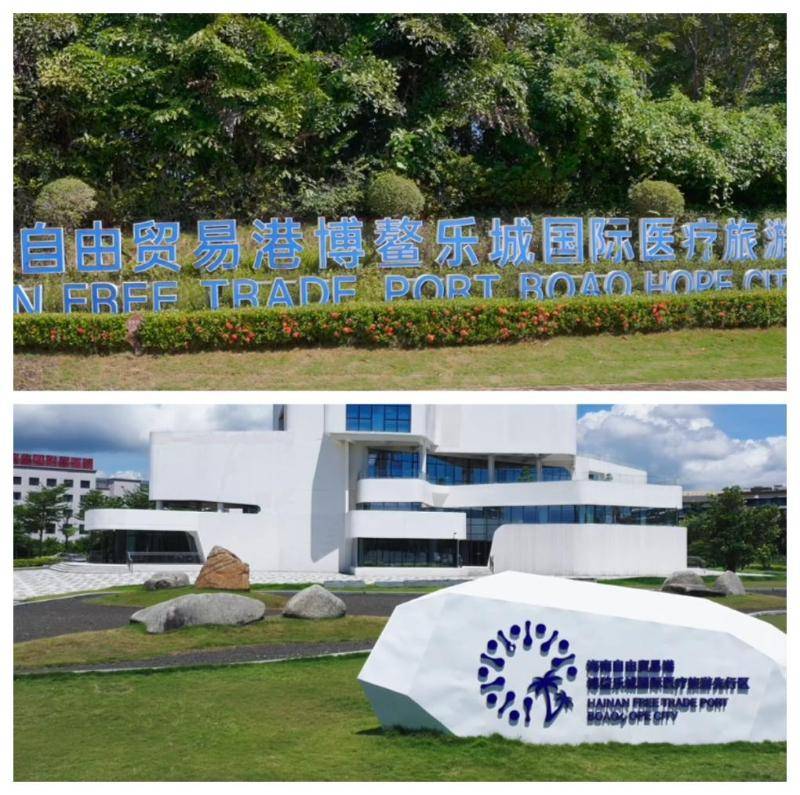
1. Boao Lecheng International Medical Tourism Pilot Zone — China’s “Special Medical Zone”
Boao Lecheng is China’s only international medical tourism pilot zone and benefits from special policies such as access to internationally approved drugs and medical devices.
Thanks to these policy advantages, Lecheng has attracted increasing numbers of international patients, particularly in areas such as oncology, rare diseases, and innovative therapies.
Medical institutions including Ruijin Hainan Hospital, West China Lecheng Hospital, and Shulan (Boao) Hospital all possess strong international medical service capabilities.
These hospitals not only have access to leading Chinese medical experts, but also provide patients with innovative international drugs and medical technologies. Most of them also offer international patient centers with multilingual interpretation, visa assistance, and insurance coordination services.
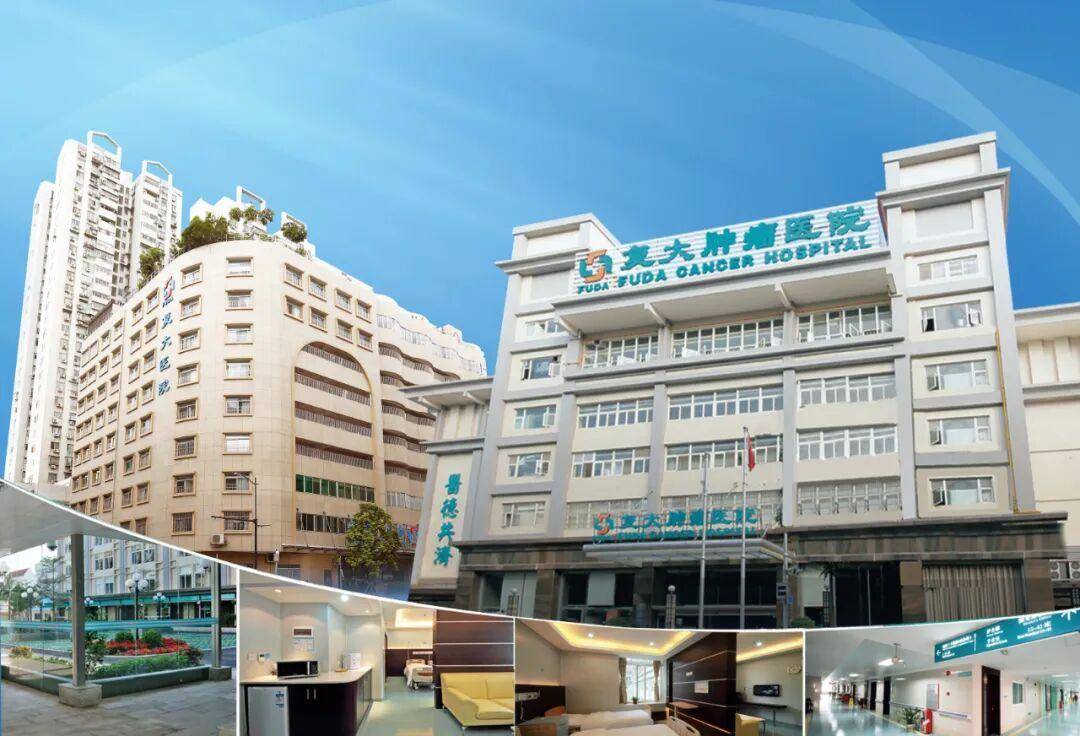
2. Fuda Cancer Hospital — An Internationally Recognized Oncology Hospital
Fuda Cancer Hospital is one of the earlier oncology specialty hospitals in China to receive JCI accreditation and has gained considerable recognition among international patients.
The hospital specializes in precision oncology treatment and has accumulated extensive experience in the treatment of liver cancer, lung cancer, breast cancer, and other major cancers. It is particularly known for its expertise in minimally invasive therapy, targeted therapy, and immunotherapy.
With multilingual services and comprehensive international patient support systems, the hospital has attracted patients from Southeast Asia, the Middle East, and Africa.
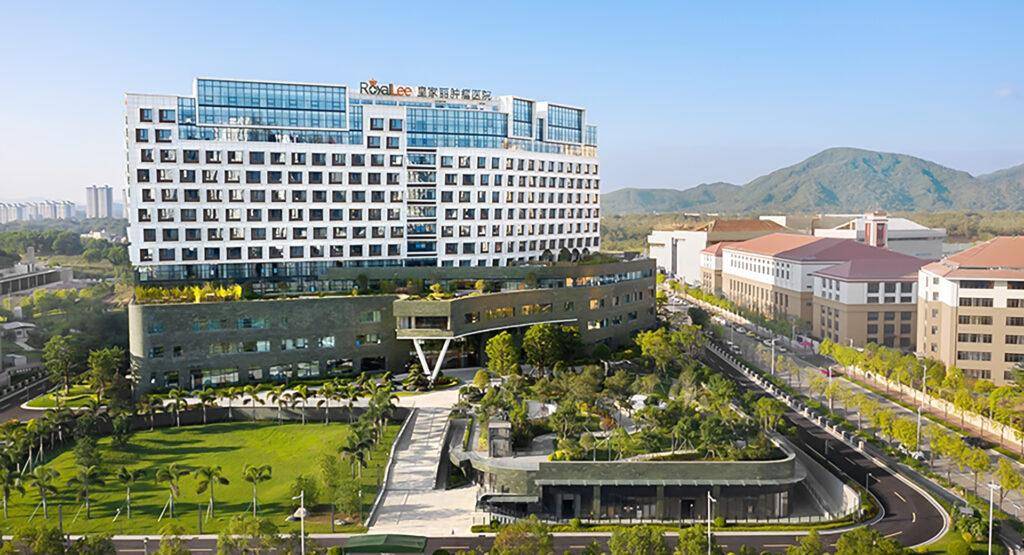
3. Royal Lee Cancer Hospital — An International Oncology Hospital Built to JCI Standards
Royal Lee Cancer Hospital is a tertiary oncology specialty hospital built according to JCI international standards and officially obtained JCI accreditation in 2023.
The hospital is equipped with advanced medical technologies including the da Vinci Surgical System and has strong expertise in hepatobiliary and pancreatic tumors, minimally invasive oncology treatment, and palliative cancer care.
In addition, the hospital has established a comprehensive international medical service system that provides visa assistance, multilingual interpretation, and international insurance direct billing services, further improving convenience for overseas patients seeking treatment in China.
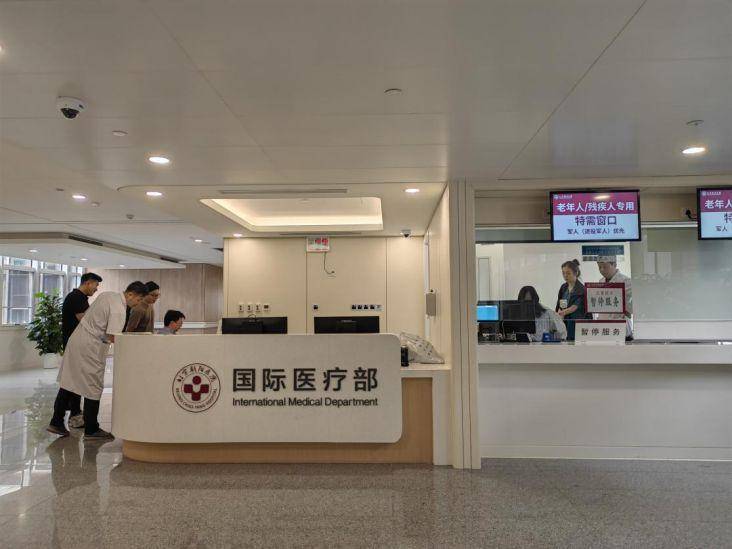
4. Peking Union Medical College Hospital International Medical Department — A Leading Representative of China’s Comprehensive Healthcare
Peking Union Medical College Hospital is widely regarded as one of China’s top comprehensive hospitals, and its International Medical Department has become an important choice for overseas patients seeking treatment in China.
The hospital has strong expertise in oncology, cardiovascular diseases, endocrinology, and neurological disorders, particularly in the diagnosis and treatment of complex and critical illnesses.
The International Medical Department provides multilingual services, international insurance coordination, medical record translation, and cross-border telemedicine consultation services to support overseas patients more conveniently.
5. Ruijin Hospital International Medical Department — Efficient International Medical Services
The International Medical Department of Ruijin Hospital relies on the hospital’s strong comprehensive medical resources and has earned international recognition in oncology, orthopedics, cardiovascular medicine, and other specialties.
Some departments have obtained international quality certifications, and the hospital’s medical procedures are aligned with international standards. The department also provides bilingual services, international insurance settlement, and personalized medical coordination services to meet the diverse needs of overseas patients.
Cross-Border Healthcare Also Relies on Professional Service Platforms
As more international patients come to China for medical treatment, cross-border healthcare has evolved into a comprehensive international medical service ecosystem rather than simply hospital treatment alone.
In addition to medical treatment itself, international patients often require:
- Medical information consultation
- Hospital and specialist appointment coordination
- Medical record translation
- Drug and treatment information support
- Visa and travel coordination
- International insurance assistance
- Post-treatment follow-up and remote communication
and many other supporting services.
In this process, cross-border healthcare service platforms such as DengYue Medicine are also playing an increasingly important role.
Leveraging China’s mature pharmaceutical supply chain and continuously improving international medical resources, DengYue Medicine remains committed to connecting Chinese hospitals, international medical resources, and overseas patients, providing more convenient and efficient healthcare support services for international patients.
The platform currently focuses on areas including cancer treatment, chronic disease management, international pharmaceutical information, and cross-border healthcare services, with the goal of helping more international patients better understand and access China’s healthcare system.
Conclusion
As China’s healthcare system becomes increasingly internationalized, more overseas patients are beginning to recognize China as an important destination for advanced medical treatment.
From JCI-accredited hospitals and precision medicine to innovative therapies and efficient international medical services, China’s cross-border healthcare ecosystem is rapidly evolving.
For international patients seeking advanced treatment options, efficient healthcare access, and cost-effective medical solutions, China is becoming an increasingly attractive choice in the global healthcare landscape.
If you would like to learn more about Chinese hospitals, innovative treatment options, or international medical services in China, you are welcome to contact DengYue Medicine for further information.