Ensartinib Approved for Adjuvant Treatment of ALK-Positive NSCLC, Marking Another Step Forward for China's ALK Inhibitors
For patients with early-stage ALK-positive non-small cell lung cancer (NSCLC), surgery does not eliminate the risk of disease recurrence, particularly recurrence in the central nervous system (CNS).
Therefore, how to reduce the risk of recurrence through adjuvant therapy has remained an important focus in the treatment of ALK-positive lung cancer.
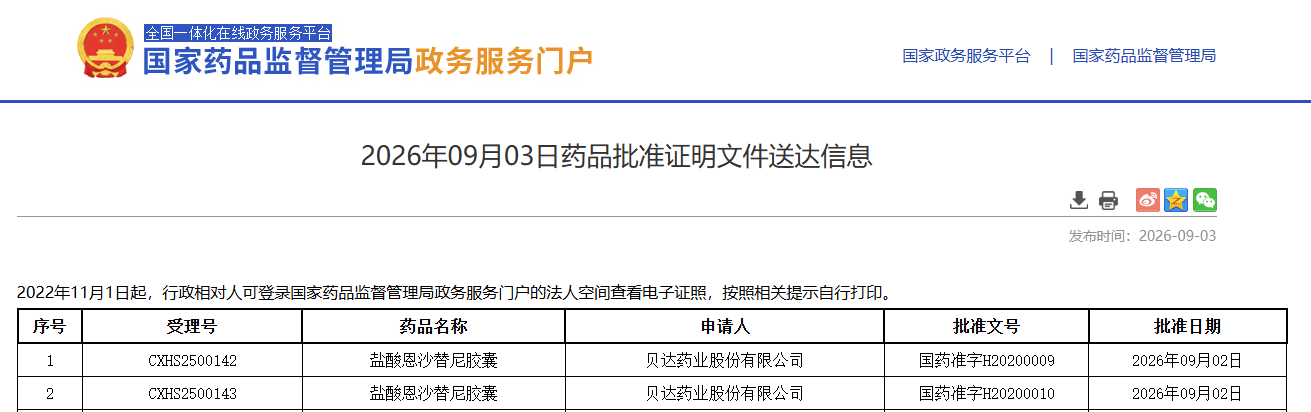
On September 3, the official website of China’s National Medical Products Administration (NMPA) showed that Ensartinib, developed by Betta Pharmaceuticals, had received approval in China for a new indication for the adjuvant treatment of ALK-positive non-small cell lung cancer (NSCLC) following surgery.
With this approval, ensartinib has become the first domestically developed ALK inhibitor in China approved for the adjuvant treatment of ALK-positive NSCLC, further expanding treatment options for patients with early-stage ALK-positive lung cancer.
In this article, DengYueMed reviews the development history of ensartinib, the background of its latest indication approval, data from the Phase 3 ELEVATE study, and its international development, providing an overview of the latest progress of this Chinese innovative ALK inhibitor.
Ensartinib: From a Chinese Innovative ALK Inhibitor to Adjuvant Treatment
Ensartinib (Ensacove®) is a second-generation ALK tyrosine kinase inhibitor (ALK-TKI) jointly developed by Betta Pharmaceuticals and its majority-owned subsidiary Xcovery. It is characterized by potent and highly selective ALK inhibitory activity.
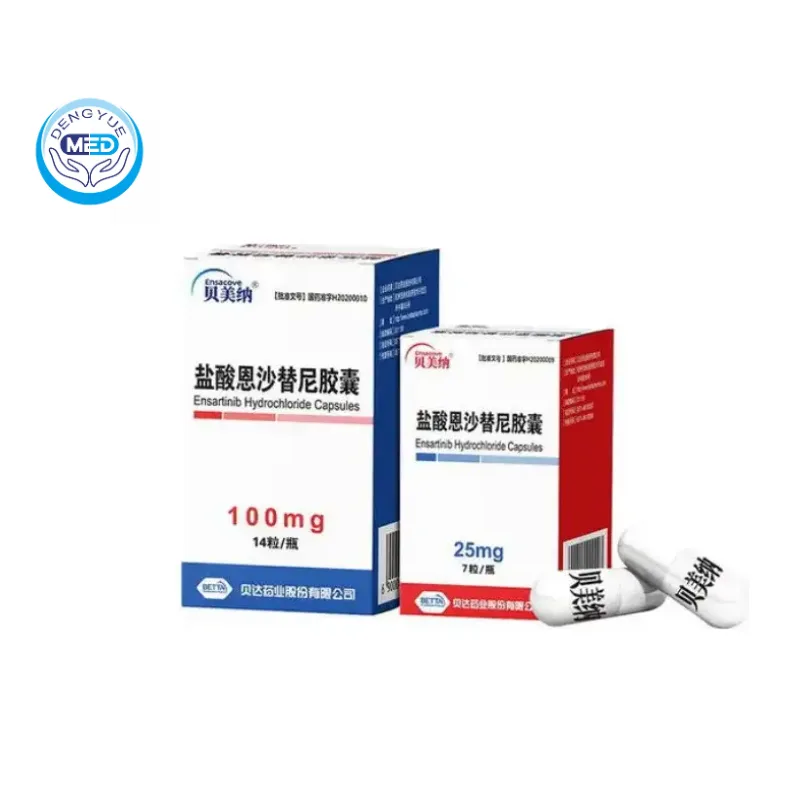
In November 2020, ensartinib was first approved in China, becoming the first domestically developed Class 1 innovative drug in China approved for the treatment of ALK-positive advanced NSCLC.
Since then, ensartinib has further expanded its therapeutic applications in China. Its previously approved major indications include:
● Treatment of patients with ALK-positive locally advanced or metastatic NSCLC whose disease has progressed following treatment with crizotinib or who are intolerant to crizotinib;
● First-line treatment of patients with ALK-positive locally advanced or metastatic NSCLC.
The addition of the adjuvant treatment indication further extends the clinical application of ensartinib into earlier stages of the disease.
For ALK-positive NSCLC, this also reflects the gradual shift of targeted therapy from controlling advanced disease toward managing the risk of recurrence following surgery.
China’s First Domestically Developed ALK Inhibitor Approved for Adjuvant Treatment of ALK-Positive NSCLC
With the development of precision medicine, ALK-targeted therapy is gradually expanding from advanced NSCLC into earlier stages of the disease.
Globally, the number of approved therapies for the adjuvant treatment of ALK-positive NSCLC remains limited. Previously, Roche’s alectinib had already been approved in China for this indication.
Following the approval of ensartinib, Chinese patients with ALK-positive NSCLC now have an additional domestically developed ALK-TKI option for postoperative adjuvant treatment.
More importantly, the approval reflects the continued expansion of Chinese-developed ALK-targeted therapies into the treatment of early-stage lung cancer.
The transition of ALK-TKIs from advanced NSCLC treatment to postoperative adjuvant therapy also reflects ongoing efforts to establish a more comprehensive treatment pathway across different stages of ALK-positive NSCLC.
Phase 3 ELEVATE Study: What Do the Data Show for Adjuvant Ensartinib?
The latest approval of Ensacove was primarily supported by data from the Phase 3 ELEVATE study.
ELEVATE was a randomized, double-blind, placebo-controlled, multicenter Phase 3 clinical trial that enrolled patients with ALK-positive NSCLC who had undergone complete resection (R0), including patients with stage IB, II, IIIA, and selected stage IIIB disease.
Between July 2022 and July 2024, a total of 274 patients were enrolled and randomly assigned to the ensartinib group (n=137) or placebo group (n=137).
The primary endpoint of the study was disease-free survival (DFS) in patients with stage II to IIIB disease.
Two-Year DFS Rate Reached 86.4%
As of June 26, 2025, the median follow-up time in both groups was 24.0 months among patients with stage II to IIIB disease.
The results showed that the 2-year DFS rate was 86.4% in the ensartinib group, compared with 53.5% in the placebo group.
Treatment with ensartinib reduced the risk of disease recurrence or death by approximately 80% (HR=0.20; 95% CI, 0.11–0.38; P<0.0001).
In the intention-to-treat (ITT) population, the 2-year DFS rate was 87.3% with ensartinib versus 57.2% with placebo, also showing a clear DFS benefit.
Across the analyzed subgroups, the overall trend in DFS favored ensartinib.
For postoperative adjuvant treatment, DFS is an important measure of whether a therapy can delay disease recurrence. These findings therefore provided important clinical support for the approval of the new indication.
CNS Recurrence: Another Key Consideration in Adjuvant Treatment of ALK-Positive Lung Cancer
ALK-positive NSCLC is associated with a relatively high risk of central nervous system metastasis. As a result, brain metastases and CNS disease recurrence have remained important considerations in ALK-targeted therapy.
The ELEVATE study showed that, in addition to improving overall DFS, ensartinib also demonstrated a benefit in CNS disease-free survival.
In the study, the incidence of brain metastases was 3.6% in the ensartinib group, compared with 12.4% in the placebo group.
Ensartinib reduced the risk of CNS disease recurrence or death by approximately 78% (HR=0.22; 95% CI, 0.08–0.60).
For patients with early-stage ALK-positive NSCLC, postoperative adjuvant therapy needs to address not only the overall risk of disease recurrence but also the potential risk of CNS recurrence.
Therefore, CNS disease control is becoming an increasingly important dimension in evaluating the long-term performance of ALK-TKIs.
No New Safety Signals Identified
In terms of safety, the ELEVATE study showed that the safety profile of ensartinib in the postoperative adjuvant setting was generally consistent with previous reports from its use in advanced NSCLC.
No new safety signals were identified, and the rate of permanent treatment discontinuation due to adverse events was 2.2%.
It should be noted that overall survival (OS) data for adjuvant ensartinib remain immature. Longer follow-up will be required to further evaluate its impact on long-term survival outcomes.
These data will also be important for assessing the long-term clinical value of targeted therapy in the postoperative adjuvant setting.
From China to Overseas Markets: Ensartinib’s Global Development
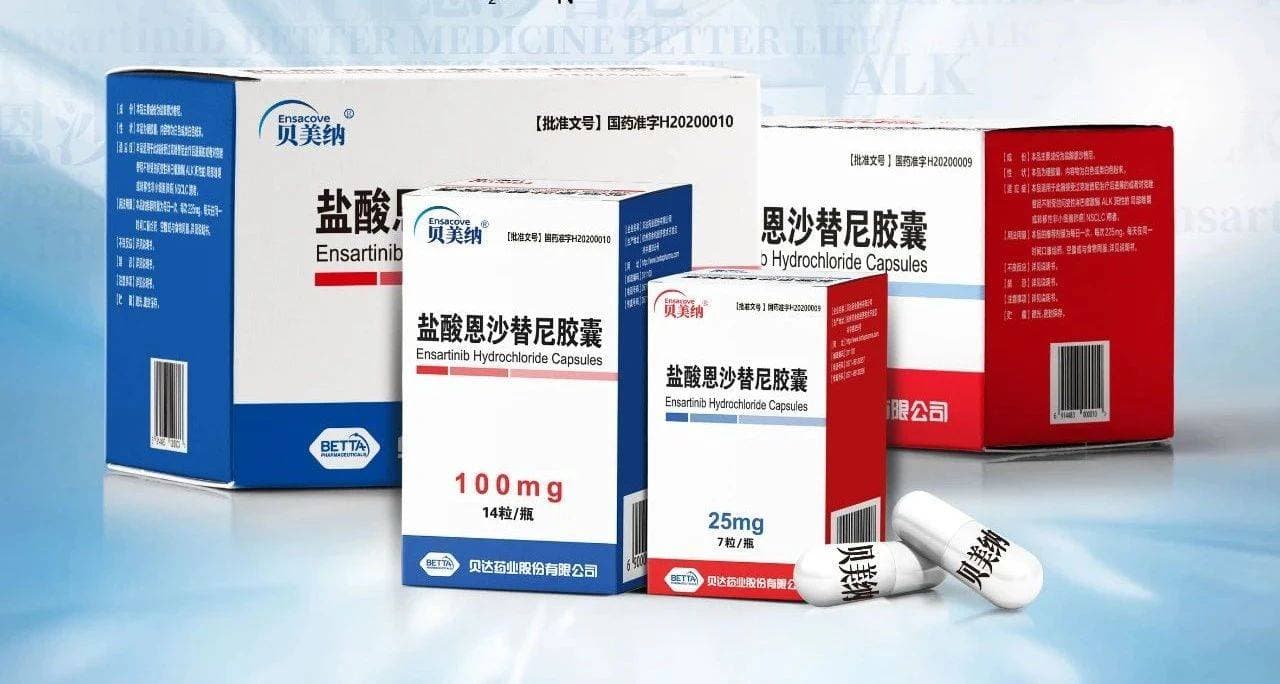
The development of ensartinib also reflects the broader trend of Chinese innovative oncology drugs expanding into international markets.
In 2020, ensartinib was first approved in China.
In December 2024, its first-line treatment indication received approval from the U.S. Food and Drug Administration (FDA), after which commercialization efforts in the U.S. market began. Meanwhile, regulatory registration in Europe has also been progressing.
From its initial approval in China to entering the U.S. market and now expanding into postoperative adjuvant treatment for early-stage NSCLC, ensartinib has moved beyond treatment of advanced disease toward a broader range of disease stages and is establishing an increasingly international development pathway.
This is also one of the reasons why Chinese innovative oncology drugs have attracted growing attention from overseas pharmaceutical markets in recent years.
What Does the Approval of Ensartinib Mean for Lung Cancer Treatment?
The significance of the new indication for ensartinib can be understood from three perspectives.
First, it expands postoperative treatment options for early-stage ALK-positive NSCLC.
The approval provides patients with ALK-positive NSCLC who have undergone surgery with an additional domestically developed ALK-TKI option, further broadening the range of postoperative adjuvant treatment approaches.
Second, it advances ALK-targeted therapy into earlier stages of the disease.
The expansion of ensartinib from advanced NSCLC treatment into postoperative adjuvant therapy reflects the evolution of ALK-targeted treatment from disease control toward management of the risk of recurrence.
Third, it reflects the continued development of China’s innovative drug clinical development and internationalization capabilities.
From its approval in China to U.S. FDA approval and now expansion into early-stage NSCLC, the development of ensartinib illustrates the broader trend of Chinese innovative oncology drugs moving from domestic development toward global clinical development and commercialization.
For overseas pharmaceutical markets, ensartinib also provides a case through which to observe the international development of Chinese innovative ALK inhibitors and Chinese oncology drugs more broadly.
Conclusion: From Domestic Innovation to the Global Market
From its initial approval in 2020 to its use in first-line and later-line treatment of advanced NSCLC, and now its expansion into postoperative adjuvant therapy, the clinical development of ensartinib continues to evolve. The new indication not only expands postoperative treatment options for ALK-positive NSCLC but also further demonstrates the trend of Chinese innovative targeted therapies moving into earlier stages of disease.
At the same time, ensartinib’s approval in the United States and ongoing overseas commercialization efforts make it a representative example of a Chinese innovative oncology drug expanding into international markets.
As a Chinese pharmaceutical wholesaler, DengYueMed continues to follow developments in Chinese innovative medicines and global oncology treatment. Through its professional pharmaceutical supply and Chinese Pharmacy services, as well as its global pharmaceutical distribution network, DengYueMed connects Chinese medicines with international markets and supports overseas pharmaceutical industry customers in understanding Chinese innovative medicines and their global development.