Oral Medications for Prostate Cancer: How Can Patients Achieve More Structured Home-Based Management?
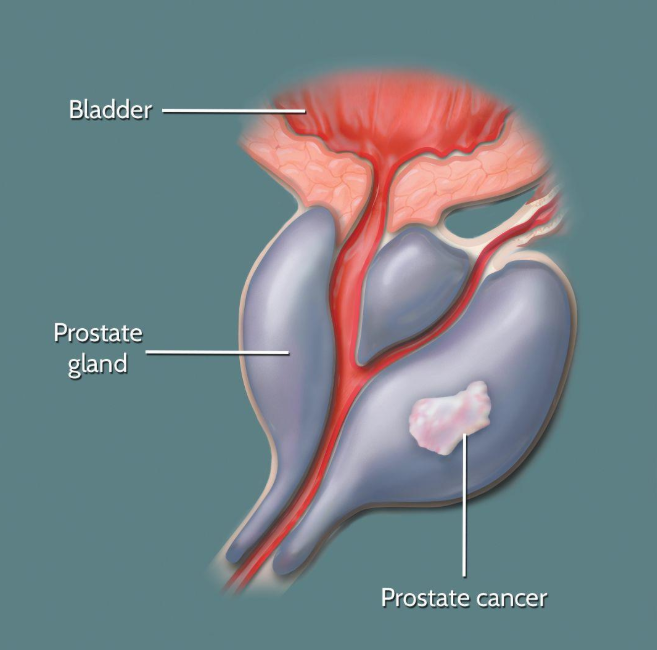
As prostate cancer treatment continues to evolve, some patients no longer need to rely entirely on treatment administered in a hospital or clinic. For eligible patients, certain prostate cancer therapies can be taken orally, allowing them to follow their physician’s treatment plan at home while undergoing regular follow-up visits, laboratory tests, and, when necessary, imaging examinations to evaluate treatment response.
This approach can generally be understood as home-based management. However, it is important to clarify that home-based management does not mean that patients should purchase medications on their own, adjust doses independently, or manage their cancer treatment without medical supervision. Rather, it means that certain parts of treatment can be carried out at home while regular medical follow-up and monitoring help maintain treatment continuity and safety.
For patients who require long-term treatment, understanding oral anticancer medications, taking them correctly at home, and coordinating treatment with PSA, testosterone, and other medical tests are all important aspects of long-term disease management. Patients, families, and qualified professional procurement customers who need further information about medicines, specifications, or supply options can also contact DengYueRX for relevant pharmaceutical information and supply consultation.
Why Can Some Prostate Cancer Treatments Be Administered at Home?
Prostate cancer is a malignancy that is closely associated with androgen signaling. Androgens, particularly testosterone, can stimulate the growth of certain prostate cancer cells through androgen receptor-related pathways. As a result, androgen deprivation therapy (ADT) and medicines that target the androgen receptor pathway have become important components of prostate cancer treatment.
Some hormonal therapies can be administered orally. For eligible patients, this means that part of their daily treatment can be completed at home rather than requiring a visit to a medical facility every time medication needs to be taken.
However, the fact that a medicine can be taken at home does not mean that the entire treatment process can be managed independently at home. Prostate cancer treatment still requires physicians to consider factors such as disease stage, metastatic status, previous treatments, PSA changes, testosterone levels, and the patient’s overall health.
A more accurate way to understand home-based management is: Physician develops the treatment plan → Patient takes medication regularly at home → Medical tests are performed as scheduled → Physician evaluates treatment response and safety → Treatment is adjusted when necessary.
Which Oral Medications Can Be Used in Prostate Cancer Treatment?
Oral treatment for prostate cancer does not involve a single medication or a single treatment approach. Different medicines act on different parts of the androgen pathway, and the appropriate treatment depends on the patient’s disease stage and overall treatment plan.
1. Androgen Receptor Pathway Inhibitors
Some newer androgen receptor pathway inhibitors (ARPIs) can be administered orally, including:
- Enzalutamide
- Apalutamide
- Darolutamide
These medicines primarily work by inhibiting androgen receptor-related signaling and reducing the stimulatory effects of androgens on prostate cancer cells.
Depending on the disease stage, these medicines may be used in combination with ADT. For some patients with advanced or metastatic prostate cancer, modern treatment strategies may involve ADT combined with another hormonal therapy.
It is important to note that the indications, dosage, administration, and combination treatment strategies differ between medications. The fact that a medicine can be taken orally does not mean that it is appropriate for every patient with prostate cancer.
2. Abiraterone
Abiraterone is a medicine that inhibits androgen synthesis and can reduce androgen production in the body.
Unlike some oral medicines that may be used alone within a particular treatment regimen, abiraterone is generally administered in combination with a low-dose corticosteroid. Therefore, patients taking it at home need to follow the prescribed combination treatment carefully rather than focusing only on the abiraterone itself.
Depending on the individual treatment plan, physicians may monitor liver function, blood pressure, potassium levels, and other relevant parameters to evaluate treatment safety.
3. Oral GnRH Antagonists
Some patients may also receive an oral GnRH antagonist such as relugolix.
These medicines act on the hypothalamic-pituitary-gonadal axis to reduce testosterone levels and produce an androgen-deprivation effect.
Compared with some ADT medicines that require periodic injections, oral administration may provide another treatment option for eligible patients. However, whether this approach is appropriate depends on the patient’s disease characteristics, previous treatments, overall health, and the physician’s assessment.
What Does “Home-Based Management” Actually Involve?

Home-based management of prostate cancer is not simply about “taking a pill every day.” A structured home-based treatment approach generally includes several key components.
Taking Medication Regularly
Patients should take their medication at the prescribed dose and time and maintain a consistent routine whenever possible. For long-term oral treatment, missed doses, accidental duplicate doses, or independently changing the dosage may affect treatment. A pill organizer, smartphone reminder, or medication diary can help patients establish a consistent medication routine.
Monitoring Changes in Health
During treatment, patients can record noticeable changes that occur daily or weekly, such as:
- Hot flashes
- Fatigue
- Changes in appetite
- Changes in body weight
- Edema
- Gastrointestinal discomfort
- Changes in sexual function
- Sleep changes
- Other new or unusual symptoms
These records can be shared during follow-up appointments and may help the healthcare team determine whether symptoms could be related to treatment or require further evaluation.
Regular Laboratory Testing
Taking medication at home does not eliminate the need for medical monitoring. PSA is an important marker in prostate cancer follow-up. Physicians generally use repeated PSA measurements to monitor trends over time.
Depending on the specific treatment plan, patients may also undergo:
- Testosterone testing
- Liver function tests
- Kidney function tests
- Complete blood counts
- Blood glucose and HbA1c testing
- Lipid testing
- Bone mineral density assessment
- Imaging examinations when necessary
Therefore, patients should view “taking medication at home” and “attending scheduled medical examinations” as two parts of the same treatment process.
Attending Regular Follow-Up Appointments
Follow-up is an essential part of home-based management. Physicians need to consider the patient’s symptoms, PSA, testosterone, laboratory results, and, when appropriate, imaging findings when evaluating treatment response. Treatment should not be assessed solely on whether the patient feels better or worse.
For patients receiving long-term ADT or other systemic therapies, the appropriate follow-up schedule should be determined by the physician based on disease stage, treatment regimen, treatment response, and the patient’s individual circumstances.
Why Is PSA Important in Home-Based Prostate Cancer Management?
Many patients with prostate cancer ask an important question during treatment: “If my PSA decreases, does that mean the treatment is working?”
PSA is indeed an important marker in prostate cancer follow-up, but a single PSA result should not automatically be interpreted as evidence that treatment has succeeded or failed.
For patients who have been diagnosed with prostate cancer and are receiving treatment, physicians generally monitor PSA over time and pay attention to changes and trends. During hormonal therapy in particular, a reduction in androgen levels can itself lead to a decrease in PSA. Therefore, physicians do not generally determine disease status based on a single PSA result.
A more comprehensive approach is to consider: PSA trends + testosterone levels + symptoms + laboratory findings + imaging when necessary, rather than focusing on a single number.
What Should Patients Consider During Long-Term Oral Treatment?
Although oral medications can make treatment more convenient, long-term suppression of androgen signaling may be associated with several issues that require attention.
1. Bone Health
Long-term ADT may reduce bone mineral density and increase the risk of fractures. For patients receiving long-term ADT, physicians may therefore assess bone density and fracture risk and recommend appropriate measures to support bone health when necessary.
2. Metabolic Health
ADT may affect body weight, blood glucose, and lipid levels. Therefore, in addition to monitoring cancer-related indicators, patients receiving long-term treatment may need regular monitoring of:
- Body weight
- Blood pressure
- Blood glucose
- HbA1c
- Blood lipids
Regular physical activity, a balanced diet, and a healthy lifestyle are also important components of long-term disease management.
3. Fatigue and Quality of Life
Some patients may experience fatigue, hot flashes, changes in sexual function, or other effects during long-term hormonal treatment. These changes may affect daily activities and overall quality of life. If symptoms persist or significantly interfere with daily life, patients should inform their healthcare providers during follow-up so that the potential causes and appropriate management can be assessed.
4. Drug Interactions
Patients with prostate cancer may also take medicines for high blood pressure, diabetes, high cholesterol, blood clot prevention, or other conditions. Therefore, before adding any prescription medicine, over-the-counter medicine, dietary supplement, or herbal product, patients should consult a physician or pharmacist.
How Can Patients Establish a Simple Home-Based Prostate Cancer Management Routine?
Patients receiving long-term oral therapy can establish a simple personal management record.
| Management Area | What Patients Can Do at Home | What the Healthcare Team Does |
|---|---|---|
| Daily medication | Take medication as prescribed and record missed doses | Adjust treatment according to efficacy and safety |
| Symptom monitoring | Record hot flashes, fatigue, gastrointestinal symptoms, and other changes | Assess whether symptoms may be treatment-related |
| PSA | Complete scheduled tests and track trends | Evaluate changes in disease status |
| Testosterone | Complete testing as recommended | Assess the level of androgen suppression |
| Liver and kidney function | Complete scheduled laboratory tests | Evaluate treatment safety |
| Blood glucose/lipids | Monitor regularly and maintain a healthy lifestyle | Manage long-term metabolic risks |
| Bone health | Exercise appropriately and reduce fall risks | Assess bone density and consider bone-protective strategies when appropriate |
| Follow-up | Prepare test results and symptom records before appointments | Evaluate treatment response and determine the next treatment steps |
The purpose of this process is not to make patients responsible for all treatment decisions themselves. Instead, it allows patients to participate in their long-term treatment in a more organized and informed way.
Oral Treatment Can Make Prostate Cancer Management More Convenient, but It Does Not Mean Self-Treatment
From a patient’s perspective, oral anticancer medications may reduce some of the need to travel to a medical facility for treatment and can make long-term therapy easier to integrate into everyday life.
However, the true meaning of home-based management is not that patients manage cancer treatment independently. Rather, it is a long-term treatment model based on regular medication at home and supported by ongoing medical monitoring.
For eligible patients, oral androgen receptor pathway inhibitors, androgen synthesis inhibitors, and certain oral ADT medicines provide different options for long-term prostate cancer treatment. At the same time, continued monitoring of PSA, testosterone, liver and kidney function, metabolic parameters, and bone health remains important.
Patients can therefore think of the overall process as: Choosing an appropriate treatment plan → Taking medication correctly at home → Recording treatment responses → Regular follow-up → Medical evaluation → Treatment adjustment when necessary.
DengYueRX: Pharmaceutical Information and Supply Consultation for Prostate Cancer Medicines
For patients, families, and qualified professional procurement customers researching prostate cancer medicines, it is important to consider not only the medicine itself but also its generic name, brand name, dosage form, strength, packaging, manufacturing information, and supply or import requirements in the destination market.
DengYueRX provides pharmaceutical information and professional supply consultation. Customers can provide information such as the International Nonproprietary Name (INN), brand name, dosage form, strength, package quantity, and destination when making a product inquiry.
For prescription medicines used in prostate cancer and other oncology treatments, DengYueRX can provide relevant product information, supply consultation, and communication regarding cross-border pharmaceutical supply processes based on the specific product and procurement requirements.
It is important to emphasize that the selection, initiation, dose adjustment, or discontinuation of prescription medicines should always follow the guidance of qualified healthcare professionals. The supply, importation, distribution, and use of medicines should also comply with applicable laws and regulations in both the source and destination markets.
Conclusion
Oral therapy has become an important part of long-term treatment and disease management for some patients with prostate cancer. For eligible patients, certain androgen receptor pathway inhibitors, androgen synthesis inhibitors, and oral ADT medicines can allow some aspects of treatment to be carried out in the home environment.
However, true home-based management is not simply about taking medication at home. It is a structured approach built on appropriate medication use, regular follow-up, PSA and testosterone monitoring, management of treatment-related adverse effects, and continued medical supervision.
For patients with prostate cancer, the home can become an important setting for treatment, but healthcare professionals remain an essential part of the overall management process. DengYueRX can provide pharmaceutical information and professional supply consultation for patients, families, and qualified procurement customers with relevant needs.
Combining appropriate home-based medication with professional medical follow-up can help create a more structured approach to long-term prostate cancer management.
‼️ Important Notice: Home-based management does not mean that all health problems can wait until the next scheduled follow-up appointment. If significant or worsening symptoms occur, such as severe pain, difficulty breathing, a serious allergic reaction, persistent vomiting, changes in consciousness, or new neurological symptoms, patients should contact a healthcare provider promptly or seek emergency medical care when appropriate.