Why Does the Epstein-Barr Virus Cause Nasopharyngeal Carcinoma? Understanding High-Risk Factors and Early Warning Signs
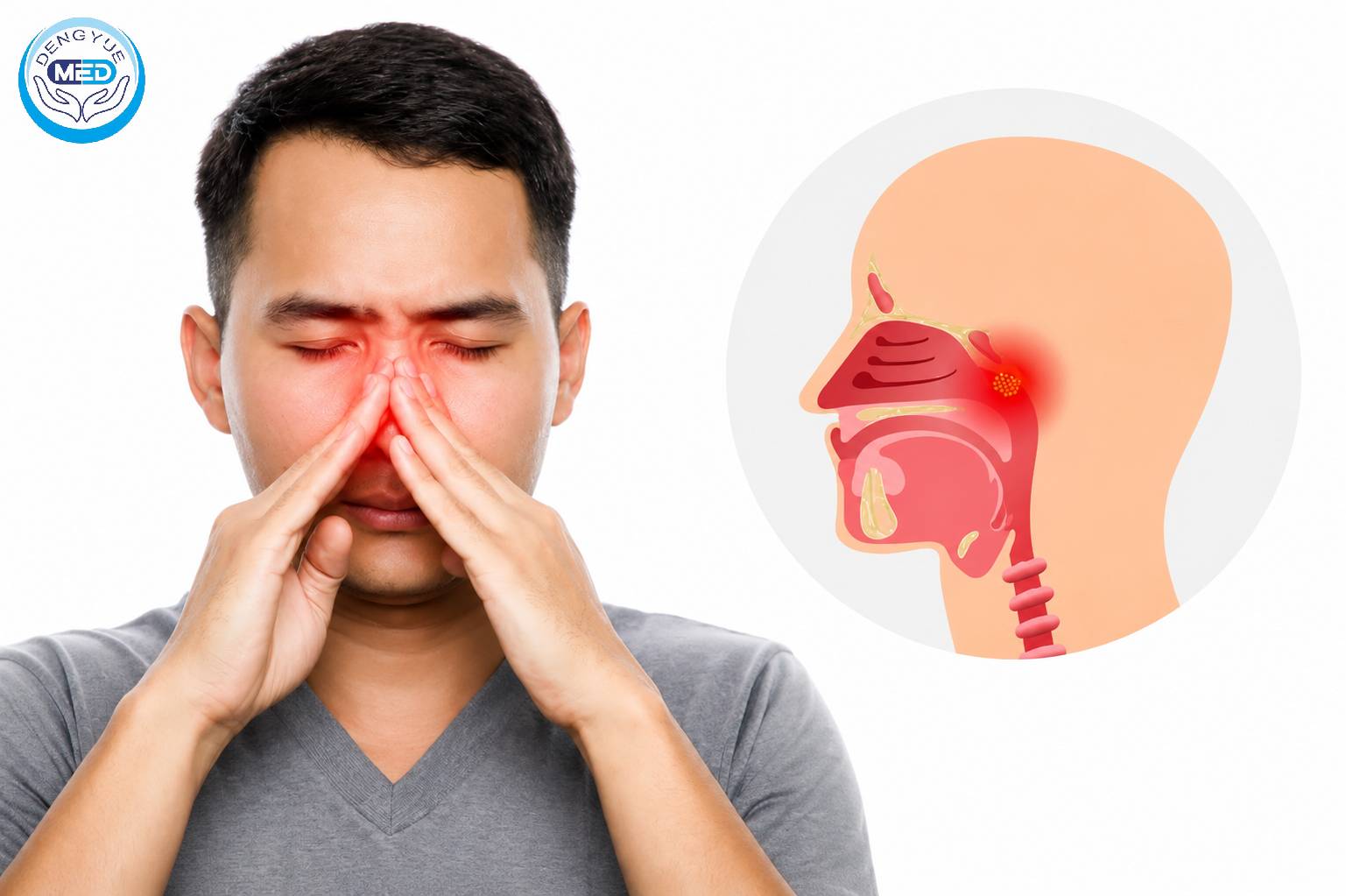
Nasopharyngeal carcinoma (NPC) is a relatively common malignancy in southern China and Southeast Asia. Among its various risk factors, infection with the Epstein-Barr virus (EBV) is widely recognized as one of the most important contributors to the development of the disease. Although more than 90% of adults worldwide are infected with EBV during their lifetime, only a small proportion eventually develop nasopharyngeal carcinoma. This indicates that EBV infection alone does not necessarily lead to NPC. Rather, the disease usually results from the combined effects of viral infection, genetic susceptibility, environmental exposures, and lifestyle factors.
In recent years, advances in molecular diagnostics, liquid biopsy, and precision medicine have significantly improved our understanding of the relationship between EBV and nasopharyngeal carcinoma. These developments have also provided new opportunities for earlier screening and diagnosis of the disease.
What Is Epstein-Barr Virus (EBV)?
Epstein-Barr virus belongs to the Human Herpesvirus 4 (HHV-4) family and is primarily transmitted through saliva, earning it the nickname “the kissing virus.”
Most people become infected with EBV during childhood or adolescence. Infection is often asymptomatic, although some individuals may experience fever, sore throat, and swollen lymph nodes. After the initial infection, the virus remains dormant in the body’s B lymphocytes for life.
For most healthy individuals with normal immune function, EBV coexists with the body without causing significant health problems. However, under certain conditions, persistent viral activation may increase the risk of several diseases, including:
- Nasopharyngeal carcinoma (NPC)
- Certain types of gastric cancer
- Hodgkin lymphoma
- Burkitt lymphoma
- NK/T-cell lymphoma
Among these conditions, the association between EBV and nasopharyngeal carcinoma is the strongest and has been the subject of extensive research.
Why Does EBV Increase the Risk of Nasopharyngeal Carcinoma?
EBV does not directly “cause” cancer. Instead, it promotes abnormal changes in nasopharyngeal epithelial cells over time.
Following infection, EBV expresses various viral proteins and non-coding RNAs that can:
- Disrupt normal cellular growth regulation
- Inhibit programmed cell death (apoptosis), allowing abnormal cells to survive
- Promote continuous cell proliferation
- Help abnormal cells evade immune surveillance
- Increase genetic mutations and chromosomal instability
When these biological changes persist over time and are combined with genetic susceptibility and environmental risk factors, they may eventually contribute to the development of nasopharyngeal carcinoma.
Therefore, EBV is generally considered an important contributing factor rather than the sole cause of nasopharyngeal carcinoma.
Who Is at High Risk for Nasopharyngeal Carcinoma?
Although anyone can become infected with EBV, the following groups have a relatively higher risk of developing nasopharyngeal carcinoma.
1. Individuals with a Family History of NPC
People with a first-degree relative diagnosed with nasopharyngeal carcinoma generally have a higher risk than the general population.
2. Persistent EBV Activity
Individuals with persistently elevated plasma EBV DNA levels or abnormal EBV antibody profiles should undergo further clinical evaluation.
3. Long-Term Consumption of Salt-Preserved Foods
Frequent consumption of salted fish, pickled vegetables, and cured meats may increase the risk due to their high nitrosamine content.
4. Smoking and Alcohol Consumption
Carcinogens in tobacco can damage the nasopharyngeal mucosa and may work synergistically with EBV to increase cancer risk.
5. Long-Term Exposure to Dust or Chemicals
Occupational exposure to wood dust, formaldehyde, organic solvents, and similar substances may also elevate the risk.
6. Living in High-Incidence Regions
Southern Chinese provinces such as Guangdong, Guangxi, Fujian, and Hainan, as well as parts of Southeast Asia, are recognized as high-incidence regions for nasopharyngeal carcinoma.
What Are the Early Warning Signs of Nasopharyngeal Carcinoma?
Early-stage nasopharyngeal carcinoma often presents with non-specific symptoms that can easily be mistaken for a common cold or rhinitis. Medical evaluation is recommended if any of the following symptoms persist for several weeks:
- Persistent unilateral nasal obstruction
- Blood-stained nasal discharge or recurrent blood in postnasal drainage
- Unilateral tinnitus or hearing loss
- Ear fullness or middle ear effusion
- Painless swelling of the neck caused by enlarged lymph nodes
- Persistent headaches or facial numbness
- Double vision or visual disturbances (usually in more advanced stages)
Particular attention should be paid to nosebleeds accompanied by unilateral ear symptoms or enlarged cervical lymph nodes, as these may warrant further investigation.
How Is EBV-Related Nasopharyngeal Carcinoma Screened?
Advances in screening technologies have improved the early detection of nasopharyngeal carcinoma. Depending on an individual’s risk profile, physicians may recommend the following examinations.
| Screening Test | Primary Purpose |
|---|---|
| EBV antibody testing | Initial assessment of infection status and cancer risk |
| Plasma EBV DNA testing | Evaluation of viral activity; useful for screening and disease monitoring |
| Nasopharyngoscopy | Direct visualization of abnormalities in the nasopharynx |
| MRI or CT scan | Assessment of tumor extent and local invasion |
| Pathological biopsy | Gold standard for confirming the diagnosis of NPC |
Multiple studies have shown that combining plasma EBV DNA testing with imaging examinations can improve the early detection of nasopharyngeal carcinoma, particularly among high-risk populations.
How Can the Risk of Nasopharyngeal Carcinoma Be Reduced?
Although no specific vaccine against EBV infection is currently available, adopting healthy lifestyle habits and participating in regular screening programs may help reduce the risk.
Recommended preventive measures include:
- Maintaining a balanced diet while reducing the intake of salt-preserved foods
- Quitting smoking and limiting alcohol consumption
- Exercising regularly to strengthen immune function
- Maintaining good oral and nasal hygiene
- Undergoing regular NPC screening if you have a family history or other high-risk factors
- Seeking prompt medical attention for persistent nasal or ear symptoms
For high-risk individuals, routine health examinations and early screening are more effective than waiting for symptoms to appear.
Precision Medicine Is Advancing the Early Diagnosis and Treatment of Nasopharyngeal Carcinoma
With the rapid development of precision medicine, the management of nasopharyngeal carcinoma is evolving from conventional treatment toward more precise, standardized, and personalized approaches.
Today, emerging technologies—including plasma EBV DNA testing, molecular biomarker analysis, artificial intelligence-assisted imaging, and liquid biopsy—are helping clinicians identify high-risk individuals earlier and monitor disease progression more accurately.
In addition, advances in immunotherapy, targeted therapy, and other innovative treatment strategies have expanded therapeutic options for patients with recurrent or advanced nasopharyngeal carcinoma.
In recent years, antibody-drug conjugates (ADCs) have emerged as one of the most promising areas in precision oncology and have achieved significant progress in the treatment of nasopharyngeal carcinoma.
Among these innovations, Izalontamab Brengitecan for Injection, the first bispecific antibody-drug conjugate (bispecific ADC) developed for the treatment of nasopharyngeal carcinoma, combines the advantages of bispecific antibody technology with ADC therapeutics. It offers a novel treatment option for patients with recurrent or metastatic NPC and highlights the ongoing shift toward more precise and effective therapeutic strategies.
As more innovative therapies enter clinical practice, patients with nasopharyngeal carcinoma are expected to benefit from increasingly personalized treatment approaches.
Looking ahead, continued improvements in screening programs and innovative diagnostic and therapeutic technologies are expected to enable more accurate risk assessment, earlier diagnosis, and individualized treatment, ultimately improving patient outcomes and quality of life.
Conclusion
EBV infection is an important risk factor for nasopharyngeal carcinoma, but being infected with EBV does not mean that a person will inevitably develop NPC. The disease generally arises from the combined effects of EBV infection, genetic susceptibility, environmental exposures, and lifestyle factors.
For individuals with a family history of nasopharyngeal carcinoma, persistent EBV activity, or residence in high-incidence regions, paying attention to early warning signs and undergoing regular EBV-related testing and NPC screening can facilitate early detection, early diagnosis, and timely treatment.
In the future, DengYueMed will continue to monitor global advances in innovative oncology drug development, precision medicine, molecular diagnostics, and the international pharmaceutical industry. We remain committed to sharing the latest developments in nasopharyngeal carcinoma and other major disease areas, providing timely, professional, and valuable insights for healthcare professionals, patients, and industry stakeholders worldwide.
Disclaimer
This article is intended for educational and informational purposes only and should not be considered medical advice, diagnosis, or treatment recommendations. Patients should always consult qualified healthcare professionals regarding any medical condition or treatment decisions.
Related Posts
- A New Option in Targeted Biologic Therapy: Clinical Insights into Guselkumab Injection
- Chinese HER2 Bispecific Antibody + PD-1 Combination Approved in the U.S. for Gastroesophageal Adenocarcinoma, Advancing to the Forefront of Global Oncology
- The 30-Year Chemotherapy Standard Faces a New Challenge: China's PD-1 Serplulimab Breaks New Ground in Gastric Cancer Treatment