Global PD-1 Competition Heats Up: China Emerges as a Major Force in Cancer Immunotherapy
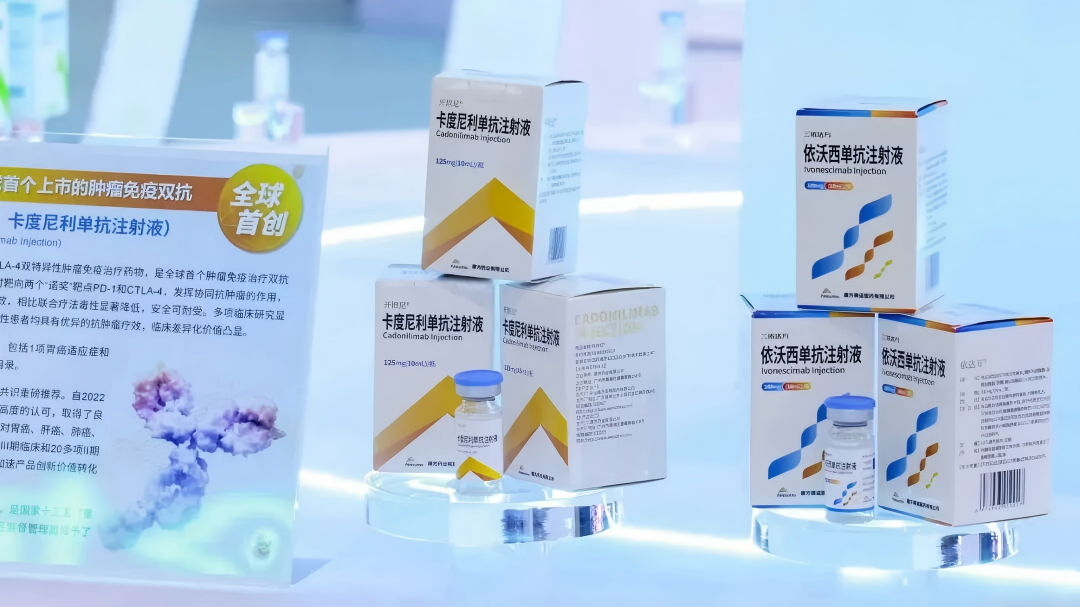
Over the past decade, PD-1/PD-L1 immune checkpoint inhibitors have reshaped the landscape of cancer treatment. Keytruda and Opdivo were among the first to establish the commercial era of PD-1 therapies, expanding their indications across multiple cancer types, including lung cancer, melanoma, gastric cancer, and esophageal cancer. PD-1 has evolved from a promising new target into an important pillar of modern oncology.
Today, the competitive landscape of this field is changing. The PD-1 market, once dominated primarily by multinational pharmaceutical companies from the United States, Japan, and other major markets, is now seeing an increasing number of innovative products developed by Chinese companies.
From representative products such as toripalimab and tislelizumab entering international markets to next-generation immunotherapies such as ivonescimab gaining global attention, DengYueMed has been closely following the global expansion of China’s innovative medicines and the broader changes this process is bringing to the pharmaceutical industry.
PD-1: A Major Pillar of Global Cancer Immunotherapy
PD-1 is an immune checkpoint protein expressed on the surface of T cells. When PD-1 binds to PD-L1 on tumor cells or other immune cells, it transmits inhibitory signals to T cells, allowing tumors to evade immune surveillance.
The core concept behind PD-1 inhibitors is to block this signaling pathway and help restore T-cell-mediated antitumor immune activity. This mechanism has changed treatment approaches across multiple cancer types, including lung cancer, melanoma, liver cancer, esophageal cancer, gastric cancer, and nasopharyngeal carcinoma.
Keytruda and Opdivo have long held important positions in the global PD-1 market, helping drive the rapid development of cancer immunotherapy. However, as patents, clinical needs, and technology platforms continue to evolve, PD-1 is no longer a field dominated by a small number of multinational pharmaceutical companies. China is becoming an increasingly important part of this transformation.
Why Has China Developed Such a Large PD-1 R&D Landscape?
China has a large population affected by cancer, along with an expanding clinical research network and a growing biopharmaceutical industry. Together, these factors have supported the rapid development of PD-1/PD-L1 therapies in China.
From early efforts focused on following established mechanisms to the development of multiple independently developed products, China has built a relatively comprehensive PD-1 competitive landscape.
| Representative Product | Developer | Key Characteristics | International Progress |
|---|---|---|---|
| Toripalimab | Shanghai Junshi Biosciences Co., Ltd. | One of the earlier commercially developed PD-1 products in China | Approved by the FDA for nasopharyngeal carcinoma in 2023 |
| Sintilimab | Innovent Biologics, Inc. | Development across multiple oncology areas, including lung cancer | International clinical development underway |
| Camrelizumab | Jiangsu Hengrui Pharmaceuticals Co., Ltd. | Development in areas including lung, liver, and esophageal cancers | International development ongoing |
| Tislelizumab | BeiGene, Ltd. | Global multicenter clinical development | Multiple FDA-approved indications |
| Serplulimab | Shanghai Henlius Biotech, Inc. | Development in areas including small-cell lung cancer | Overseas clinical and commercial development underway |
| Penpulimab | Akeso, Inc. | Development in areas including nasopharyngeal carcinoma | International clinical development |
| Ivonescimab | Akeso, Inc. | PD-1/VEGF bispecific antibody | Entering the next-generation immunotherapy competition |
This means that China’s PD-1 industry is no longer a story about individual products. Instead, it has developed a competitive ecosystem spanning basic research, clinical development, commercialization, and international regulatory pathways.
A Key Turning Point: From Chinese PD-1 Products to Global Innovation
If China’s early PD-1 development was primarily focused on the domestic market, the competitive landscape has now clearly expanded beyond China.
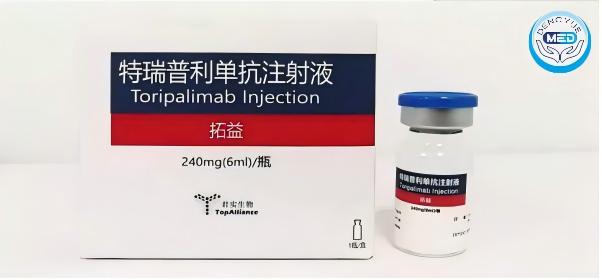
In 2023, the FDA approved toripalimab (Tuoyi) in combination with gemcitabine and cisplatin for the first-line treatment of recurrent or metastatic nasopharyngeal carcinoma, while also approving it as a single agent for recurrent, unresectable, or metastatic nasopharyngeal carcinoma with disease progression following platinum-containing chemotherapy. According to FDA data, the JUPITER-02 study showed a median progression-free survival of 11.7 months in the combination group, compared with 8.0 months in the control group.
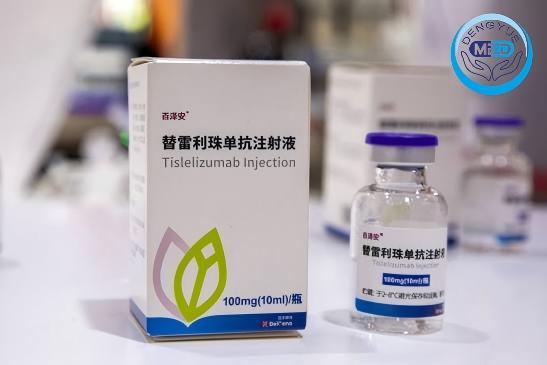
In 2024, the FDA also approved tislelizumab (Tevimbra) for patients with unresectable or metastatic esophageal squamous cell carcinoma following prior systemic therapy. Its supporting RATIONALE-302 study included patients from multiple countries and regions across Asia, Europe, and the United States, reflecting the trend of Chinese-developed products entering global regulatory systems through international multicenter clinical research.
By 2026, the U.S. indications for tislelizumab continued to expand. On August 25, the FDA approved tislelizumab in combination with zanidatamab and chemotherapy for the first-line treatment of HER2-positive gastric cancer, gastroesophageal junction cancer, or esophageal adenocarcinoma.
The significance of these developments is not simply that another Chinese PD-1 product has entered the international market. They show that Chinese innovative pharmaceutical companies are gradually moving from Chinese clinical development, Chinese regulatory approval, and the Chinese market toward global clinical development, global regulatory review, and global commercialization.
Ivonescimab: PD-1 Competition Enters the Next Generation
One of the more notable developments in China’s PD-1 story is the shift from conventional PD-1 monoclonal antibodies toward new types of bispecific antibodies.
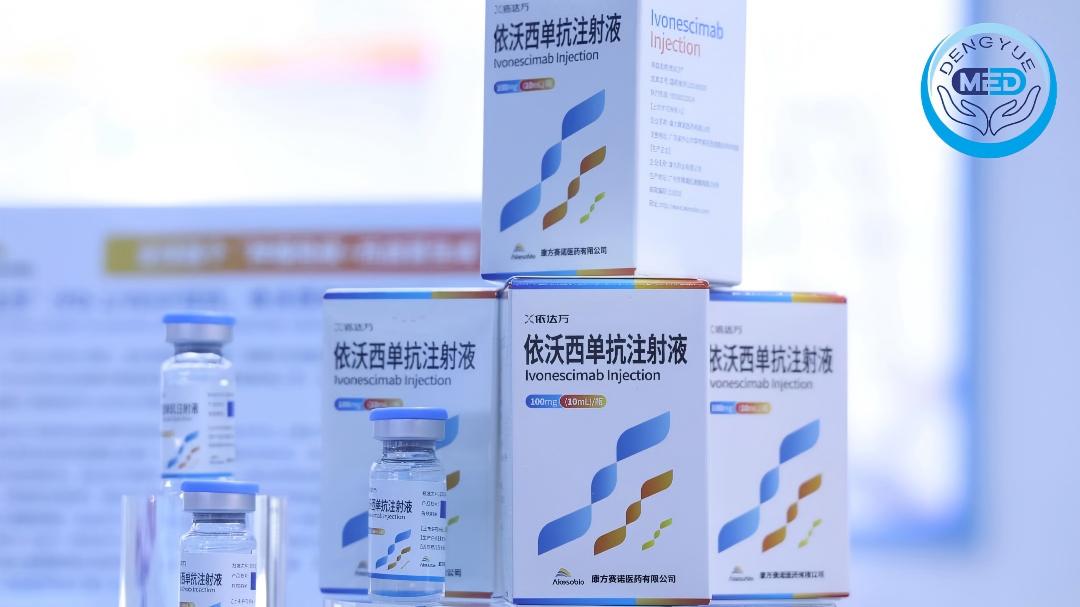
Ivonescimab (Yidafang) is one representative example. Unlike conventional PD-1 monoclonal antibodies, ivonescimab simultaneously targets PD-1 and VEGF, combining immune checkpoint inhibition and anti-angiogenic mechanisms within a single molecule. The rationale behind this design is to simultaneously address immune suppression and the tumor microenvironment associated with tumor angiogenesis.
What brought global attention to the product was the HARMONi-2 study. This randomized, double-blind, Phase III study was conducted across 55 hospitals in China and enrolled 398 patients with advanced non-small cell lung cancer whose tumors were PD-L1 positive. The study compared ivonescimab with pembrolizumab as first-line treatment. The results were published in The Lancet.
Key Results From HARMONi-2
| Indicator | Ivonescimab | Pembrolizumab |
|---|---|---|
| Median PFS | 11.1 months | 5.8 months |
| PFS hazard ratio (HR) | 0.51 | — |
| Study design | Phase III, randomized, double-blind | Control group |
| Treatment mechanism | PD-1/VEGF bispecific antibody | PD-1 monoclonal antibody |
The study showed that median progression-free survival reached 11.1 months in the ivonescimab group, compared with 5.8 months in the pembrolizumab group, corresponding to an approximately 49% reduction in the risk of disease progression or death. However, the study also showed that the incidence of treatment-related adverse events of Grade 3 or higher was 29% with ivonescimab, compared with 16% with pembrolizumab, highlighting the importance of considering both efficacy and safety when evaluating the results.
The significance of these findings lies not simply in comparing one Chinese PD-1 drug with another PD-1 drug. Instead, the study tested a new mechanism against an established PD-1 treatment paradigm that has achieved a strong position in global oncology.
Meanwhile, the HARMONi-6 study further compared ivonescimab plus chemotherapy with tislelizumab plus chemotherapy as first-line treatment for advanced squamous non-small cell lung cancer. Median PFS was 11.1 months and 6.9 months, respectively, with a hazard ratio of 0.60.
These findings indicate that competition among Chinese companies in the PD-1 field is beginning to shift from product volume toward molecular innovation and clinical value.
China’s PD-1 Advantage Is Not Just About Price

In the past, discussions of Chinese innovative medicines in international markets often focused first on cost advantages. There is evidence supporting this perspective. Studies have shown that spending on PD-1/PD-L1 drugs launched in both China and the United States is generally much lower in China than in the United States. Another study comparing domestically developed and imported anticancer medicines in China also found that monthly treatment prices for targeted anticancer drugs were generally lower for Chinese products than for imported products.
However, the development of PD-1 therapies shows that Chinese companies are building a more complex set of competitive capabilities.
First, clinical development capacity. China’s large patient population and increasingly sophisticated clinical research infrastructure provide a substantial foundation for oncology drug development.
Second, highly competitive market dynamics. With multiple companies entering the PD-1 field simultaneously, products need to pursue differentiation through indication expansion, combination therapies, clinical endpoints, safety profiles, and other areas.
Third, molecular innovation. From conventional PD-1 monoclonal antibodies to Fc engineering and PD-1/VEGF bispecific antibodies, China’s R&D landscape has gradually expanded from established mechanisms toward new molecular designs. Relevant reviews have also noted that several immune checkpoint inhibitors developed in China use different antibody-engineering strategies.
Fourth, global regulatory capabilities. The FDA approvals of toripalimab and tislelizumab demonstrate that some Chinese-developed products are now undergoing systematic evaluation within international regulatory frameworks.
Conclusion: Beyond PD-1, China’s Innovative Drug Competition Enters Its Next Phase
From products such as toripalimab and tislelizumab receiving international regulatory recognition to next-generation immunotherapies such as ivonescimab entering global clinical competition, the development trajectory of China’s PD-1 sector has clearly evolved.
More importantly, the next question is whether Chinese companies can continue to develop new therapeutic mechanisms, conduct higher-quality global clinical research, and translate these innovations into global products that can serve patients across different countries. As competition among PD-1 monoclonal antibodies becomes increasingly mature, bispecific antibodies, combination immunotherapies, and other emerging cancer immunotherapy mechanisms are becoming important areas of the next stage of development.
As a China pharmaceutical wholesaler, DengYueMed continues to follow developments in Chinese pharmaceutical innovation and global pharmaceutical markets. Leveraging our China online pharmacy platform, we also focus on connecting pharmaceutical resources in China with international users and partners, while observing new opportunities for industry collaboration and supply-chain development as innovative medicines expand globally.