2026 CSCO Guideline Includes Nolgileucel: A Key Development for China-Originated TIL Therapy
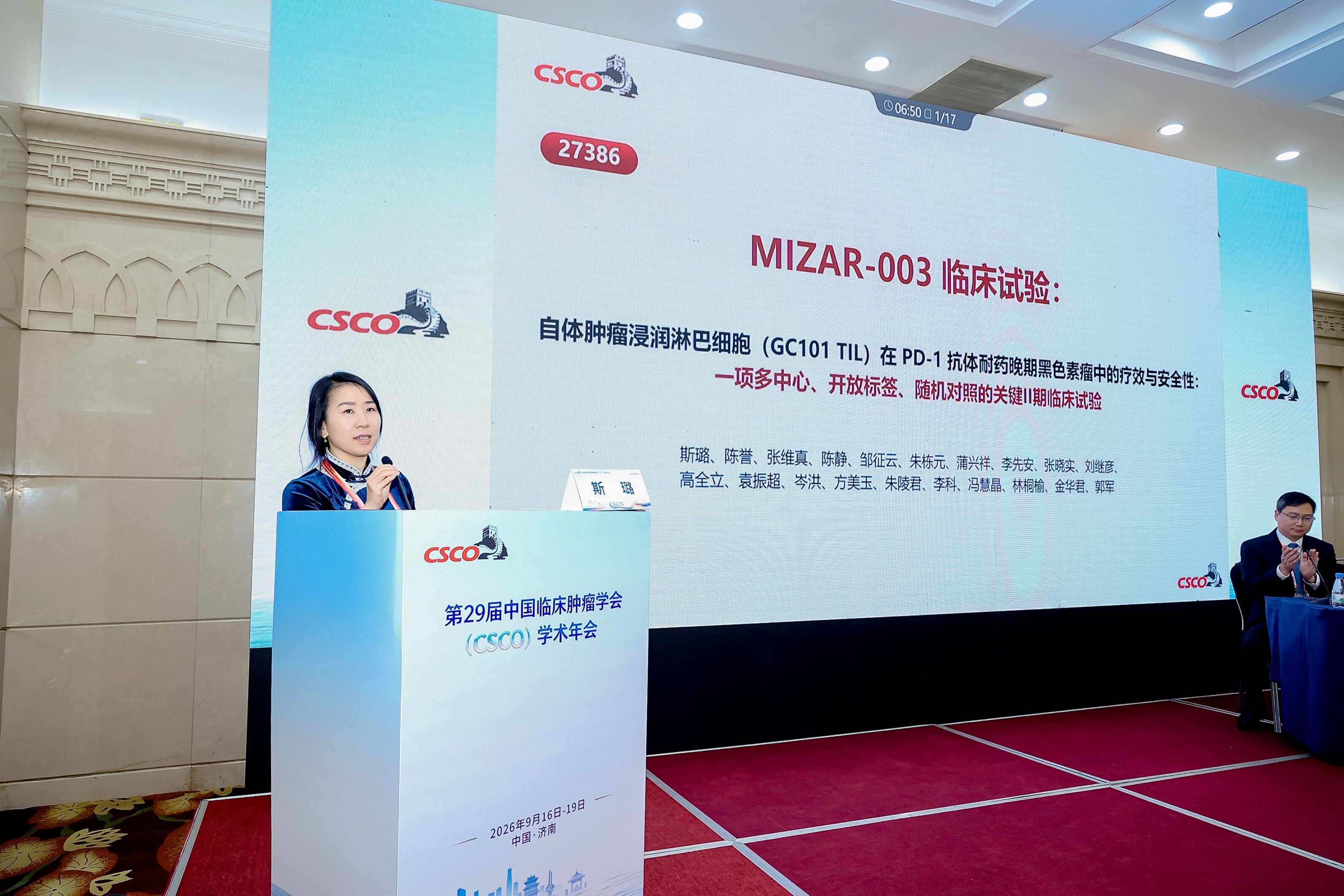
On September 17, 2026, the 29th Annual Meeting of the Chinese Society of Clinical Oncology (CSCO) opened in Jinan, China. During the meeting, the CSCO Guidelines for the Diagnosis and Treatment of Melanoma (2026 Edition) introduced important updates, with tumor-infiltrating lymphocyte (TIL) cell therapy included in the relevant guideline content. Nolgileucel (GC101), a China-originated TIL therapy, has also entered the relevant treatment recommendation framework.
This development is supported by the MIZAR-003 pivotal Phase II randomized controlled study. The study evaluated patients with advanced melanoma who had failed anti-PD-1 antibody treatment, and GC101 demonstrated encouraging results in endpoints including progression-free survival (PFS) and objective response rate (ORR).
Following the release of key data at the 2026 ASCO Annual Meeting, Nolgileucel has subsequently been included in the CSCO guideline, further advancing the clinical evidence development of China-originated TIL therapy.
In this article, DengYueMed reviews the latest developments surrounding Nolgileucel (GC101), TIL therapy, and the MIZAR-003 study, while continuing to follow developments in Chinese innovative medicines and the Chinese pharmaceutical supply chain, as well as opportunities for collaboration between pharmaceutical resources in China and global markets.
What Is Nolgileucel?
Nolgileucel (GC101), developed using Juncell Therapeutics’ proprietary DeepTIL™ cell enrichment and expansion platform, is the company’s most advanced TIL therapy program and the world’s first TIL therapy designed to eliminate the need for high-intensity lymphodepleting chemotherapy and IL-2 administration.
Clinical data indicate that GC101 has provided durable benefits to patients with advanced metastatic solid tumors who have failed multiple lines of treatment. Patients with various tumor types, including melanoma, non-small cell lung cancer, cervical cancer, endometrial cancer, glioma, and pancreatic cancer, have achieved objective responses following GC101 treatment, with the longest reported progression-free survival approaching five years.
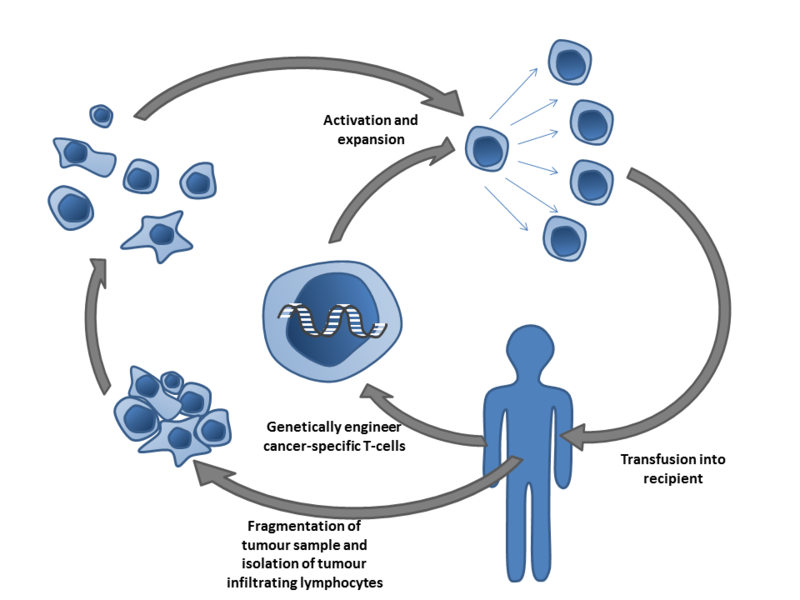
The basic principle of TIL therapy is to obtain lymphocytes that have already infiltrated tumor tissue from a patient, expand and culture these cells ex vivo, and then reinfuse them into the patient so that these tumor-recognizing immune cells can exert their antitumor effects.
Compared with conventional TIL treatment approaches, one notable feature of GC101 is its use of low-intensity preconditioning and an IL-2-free regimen. According to MIZAR-003 study data presented at the 2026 ASCO Annual Meeting, the study used low-intensity preconditioning and an IL-2-free regimen following TIL infusion.
This approach is primarily intended to address the treatment burden associated with conventional TIL treatment processes and provides a new technical pathway for the further clinical development of TIL therapy.
Why Is Treatment After Anti-PD-1 Resistance in Melanoma Worth Attention?
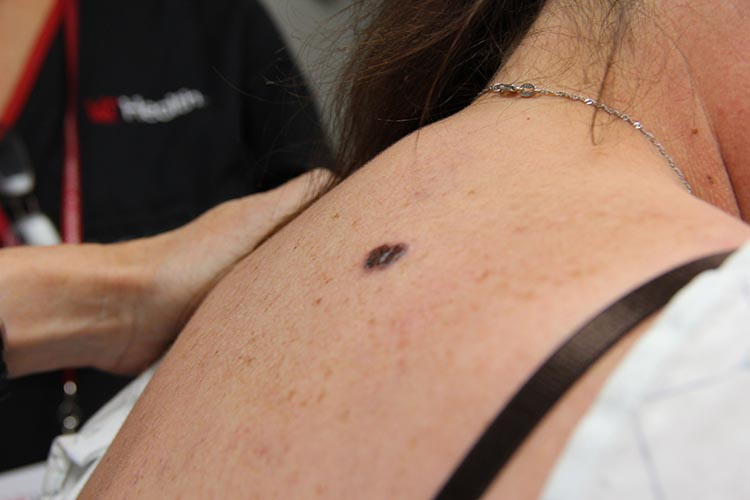
Anti-PD-1 antibodies and other immune checkpoint inhibitors have become important treatment options for advanced melanoma, but not all patients achieve durable benefit. Some patients may have primary resistance, while others may experience disease progression during treatment.
At the same time, the distribution of melanoma subtypes among Chinese patients differs to some extent from that observed in Western populations. In Chinese clinical studies, acral and mucosal melanoma account for a relatively high proportion of cases, and these subtypes have different disease characteristics and responses to certain immunotherapies compared with cutaneous melanoma, which represents a larger proportion of cases in Western populations.
Therefore, identifying new treatment strategies for patients with advanced melanoma who have received anti-PD-1 antibody treatment and subsequently experienced disease progression remains an important area of clinical research.
MIZAR-003 was designed around this clinical setting. The study enrolled patients with advanced melanoma whose disease had progressed following anti-PD-1 antibody treatment, with a relatively high proportion of patients having acral or mucosal melanoma. Publicly available data show that 89.9% of the study population had distant metastases.
What Are the Key Findings From the MIZAR-003 Study?
MIZAR-003 was a multicenter, randomized, open-label Phase II clinical study conducted at 25 research centers in China to evaluate GC101 TIL therapy in patients with advanced melanoma who had developed resistance to anti-PD-1 antibody treatment. The study compared GC101 TIL therapy with investigator’s choice of chemotherapy.
Key results presented at the 2026 ASCO Annual Meeting showed that the median progression-free survival (mPFS) was 4.3 months in the GC101 group, compared with 1.6 months in the investigator’s choice chemotherapy group.
The hazard ratio (HR) was 0.43 (95% CI: 0.26–0.68, P=0.0002). Based on the study results, this corresponds to an approximately 57% reduction in the risk of disease progression or death in the GC101 group.
In terms of tumor response, the objective response rate (ORR) was 42.0% in the GC101 group, compared with 6.1% in the control group. Complete responses (CRs) were also observed in some patients receiving GC101. As of the relevant data cutoff date, overall survival (OS) data were not yet mature.
Key Results of MIZAR-003
| Endpoint | GC101 TIL Group | Chemotherapy Control Group |
|---|---|---|
| Median PFS | 4.3 months | 1.6 months |
| PFS HR | 0.43 | — |
| ORR | 42.0% | 6.1% |
| OS | Not yet mature | — |
These findings make MIZAR-003 one of the randomized controlled studies receiving attention in the field of TIL therapy for advanced melanoma and provide randomized controlled evidence for TIL treatment following failure of anti-PD-1 antibody therapy.
How Does Nolgileucel Differ From Conventional TIL Therapy?
Conventional TIL therapy generally involves tumor tissue collection, ex vivo expansion of TILs, lymphodepleting preconditioning, TIL infusion, and IL-2 support.
High-intensity lymphodepletion and high-dose IL-2 are important components of conventional treatment approaches, but they may also increase hematologic and systemic toxicity and place greater demands on inpatient management and healthcare resources.
GC101 explores a different treatment approach. According to the study protocol presented at the 2026 ASCO Annual Meeting, GC101 uses a low-intensity preconditioning plus IL-2-free TIL infusion regimen. Study data showed that no new safety signals were observed in the GC101 group, and no treatment-related adverse events led to treatment discontinuation or death.
This means that, in addition to efficacy outcomes, further reducing the complexity and treatment burden of the TIL treatment process is another reason GC101 has attracted attention.
It should be noted that safety data for GC101 and other approved TIL products come from different clinical studies, and the patient populations, study designs, and follow-up periods may differ. Therefore, data from different products should not be directly compared without considering these differences.
From ASCO LBA to the CSCO Guideline: TIL Therapy Enters a New Clinical Stage
The development pathway of GC101 demonstrates a relatively clear evidence-based medicine trajectory.
In June 2026, results from the MIZAR-003 study were presented as a Late-Breaking Abstract at the ASCO Annual Meeting. Subsequently, during the 2026 CSCO Annual Meeting in September, the updated melanoma guideline further incorporated TIL cell therapy into academic and clinical discussions. CSCO’s official meeting materials also stated that the updated CSCO Guidelines for the Diagnosis and Treatment of Melanoma included TIL cell therapy.
From a clinical development perspective, this process reflects the gradual progression of TIL therapy from technological exploration and clinical research to evidence evaluation and guideline discussion.
CSCO has previously stated that its guideline development emphasizes evidence-based medicine while also considering factors such as treatment accessibility, with the guidelines updated annually.
Therefore, the inclusion of Nolgileucel in the relevant recommendations of the 2026 CSCO melanoma guideline represents an important milestone in the accumulation of clinical evidence for China-originated TIL therapy.
What Should Be Watched in the Future for China-Originated TIL Therapy?
The progress of Nolgileucel and MIZAR-003 indicates that TIL therapy is receiving increasing attention in the field of cell therapy for solid tumors in China.
However, broader clinical application will require continued observation of long-term follow-up results, overall survival data, treatment performance across different melanoma subtypes, and real-world clinical implementation.
At the same time, TIL therapy involves multiple processes, including tumor tissue collection, individualized cell manufacturing, quality control, and treatment process management. Further improving manufacturing consistency, shortening production cycles, and reducing treatment complexity will also be important directions for the future industrial development of TIL therapy.
For China’s innovative medicine and cell therapy sectors, the progress of GC101 also provides a useful window into the evolving landscape: China-originated cell therapies are gradually moving from early-stage technical validation toward evidence-based evaluation centered on randomized controlled studies and clinical guidelines.
Conclusion
In 2026, Nolgileucel (GC101) reached several important milestones in the field of melanoma in China.
On the one hand, the MIZAR-003 study showed that, among patients with advanced melanoma who had failed anti-PD-1 antibody treatment, the median PFS was 4.3 months in the GC101 group, compared with 1.6 months in the chemotherapy group, while the ORR was 42.0% versus 6.1%, respectively.
On the other hand, the 2026 CSCO melanoma guideline update incorporated TIL cell therapy into its relevant content, while publicly available information has reported that Nolgileucel was included in the relevant treatment recommendations.
From key findings presented at ASCO to its subsequent progress in the CSCO guideline, Nolgileucel is helping advance China-originated TIL therapy from clinical exploration toward evidence-based evaluation.
As additional follow-up data and clinical research findings become available, the potential role of TIL therapy in advanced melanoma and other solid tumors will remain an area of continued interest.
As a China pharmaceutical exporter, DengYueMed follows developments in Chinese innovative medicines, TIL therapy, and the Chinese Pharmacy sector, connecting pharmaceutical resources in China with global markets through professional, compliant supply-chain support.