From Intravenous Infusion to Oral Administration: Paclitaxel Oral Solution Gains a New Indication for Breast Cancer
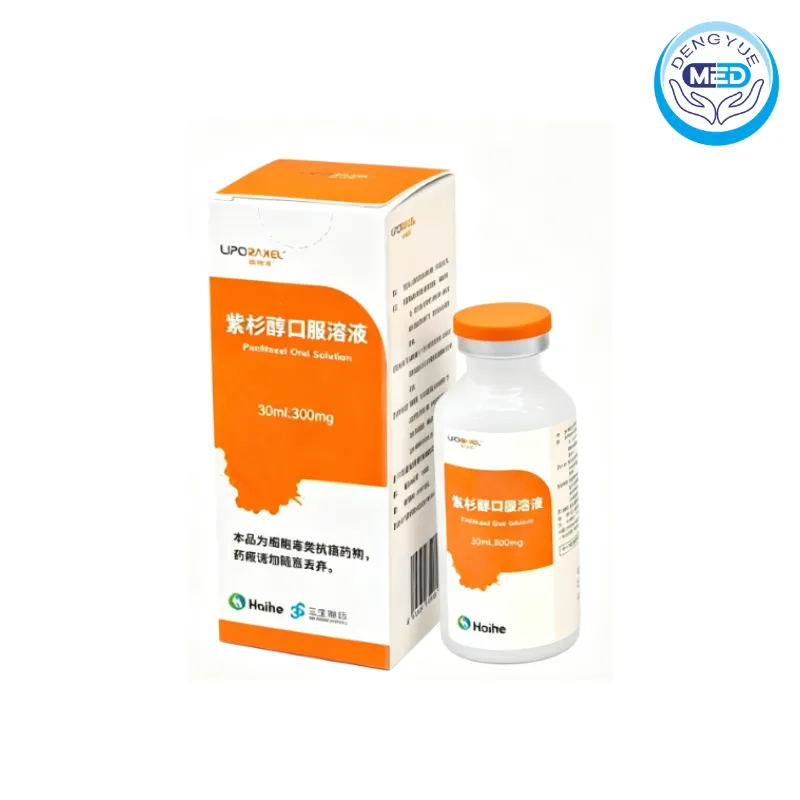
In October 2026, a new development in the formulation of anticancer medicines emerged in China. On October 8, paclitaxel oral solution was approved by the National Medical Products Administration (NMPA) for an additional indication: the treatment of recurrent or metastatic HER2-negative breast cancer. The medicine had previously been approved in 2024 for certain patients with advanced gastric cancer and was included in China’s National Reimbursement Drug List in 2025. The latest approval has once again brought this oral anticancer formulation into the spotlight.
Compared with conventional intravenous paclitaxel, what is the most significant change introduced by the oral formulation? What do clinical studies tell us about its efficacy and safety?
1. Why Is the Oral Formulation of Paclitaxel Worth Attention?
Paclitaxel is a taxane anticancer agent that works by interfering with microtubule function and inhibiting cell division. It is used in the treatment of various solid tumors. Conventional paclitaxel formulations are primarily administered through intravenous infusion, requiring patients to visit a healthcare facility according to their treatment schedules.
Paclitaxel oral solution offers an alternative route of administration. Oral administration may reduce the need for intravenous infusion procedures, potentially making treatment more convenient for some patients and providing another option for the clinical use of paclitaxel.
However, oral administration does not mean that patients can take the medicine independently at home or dispense with necessary medical monitoring. Oral anticancer medicines also require strict adherence to the prescribed regimen, with appropriate monitoring of blood counts, adverse reactions, and treatment outcomes.
2. New Breast Cancer Indication: What Evidence Does Clinical Research Provide?
The newly approved indication covers recurrent or metastatic HER2-negative breast cancer. HER2-negative means that the tumor test results do not meet the criteria for HER2-positive disease. However, this classification does not mean that all patients have the same tumor characteristics or require the same treatment. Hormone receptor status, previous treatment history, and the patient’s overall condition can all influence treatment decisions.
One important source of evidence supporting this approval is the OPTIMAL international, multicenter Phase III clinical trial. The study enrolled 549 patients with recurrent or metastatic HER2-negative breast cancer and compared the efficacy and safety of paclitaxel oral solution with those of weekly intravenous paclitaxel.
The results showed the following:
- Progression-free survival (PFS): In the primary analysis, median PFS was 10.0 months in the oral group and 8.5 months in the intravenous group. The hazard ratio (HR) was 0.869, with a 95% confidence interval of 0.707–1.068.
- Overall survival (OS): Median OS was 32.6 months in the oral group and 31.8 months in the intravenous group, with broadly similar results between the two groups.
- Safety: Neutropenia, febrile neutropenia, and certain gastrointestinal adverse reactions were more common in the oral group, while peripheral neuropathy and hypersensitivity reactions were more common in the intravenous group.
The study met its prespecified PFS non-inferiority endpoint, indicating that the oral formulation was not inferior to the comparator intravenous formulation according to the statistical criteria established for the trial. This does not mean that the oral formulation is superior in every respect. Treatment decisions still need to take into account individual patient characteristics and the available clinical evidence.
3. Oral vs. Intravenous Paclitaxel: What Does the New Formulation Mean?
The significance of paclitaxel oral solution lies not simply in changing the medicine from an injectable formulation to an oral liquid, but also in exploring how the administration process can be modified while maintaining anticancer treatment efficacy.
| Comparison | Paclitaxel Oral Solution | Intravenous Paclitaxel |
|---|---|---|
| Route of administration | Oral | Intravenous infusion |
| Administration process | Does not require intravenous infusion, but still requires medical supervision | Requires intravenous administration and the associated healthcare procedures |
| Efficacy in the clinical study | Met the prespecified PFS non-inferiority endpoint | Served as the comparator treatment |
| Adverse reactions of particular interest | Neutropenia and gastrointestinal reactions, among others | Peripheral neuropathy and hypersensitivity reactions, among others |
It is important to note that the oral formulation does not eliminate the risks associated with paclitaxel treatment. Adverse reactions such as neutropenia may still affect the course of treatment. The actual use of oral medication must also comply with the approved prescribing information and professional medical guidance.
Therefore, the clinical value of a new formulation should be assessed comprehensively in terms of efficacy, safety, administration convenience, and patients’ actual needs, rather than judging its advantages solely by the route of administration.
Conclusion: Following Drug Innovation While Promoting the Rational Use of Medicines
The addition of HER2-negative breast cancer to the approved indications for paclitaxel oral solution reflects ongoing efforts to improve the formulations and administration methods of established anticancer medicines. The OPTIMAL Phase III study provides important evidence supporting its clinical application, while oral administration offers some patients an alternative to conventional intravenous infusion.
As anticancer formulations continue to evolve, understanding a medicine’s approved indications, clinical evidence, safety profile, and administration requirements can help patients and healthcare professionals develop a more comprehensive understanding of available treatment options.
DengYue RX continues to follow developments in innovative medicines, pharmaceutical information, and international pharmaceutical supply. For information about relevant medicines, their marketing status, or compliant supply channels, please visit dengyuerx.com to make an inquiry. Actual availability and cross-border procurement requirements must be verified on a case-by-case basis in accordance with the medicine’s regulatory status and the applicable regulations in the destination market.