KRAS G12C: From Undruggable Target to Global Competitive Arena — The Emerging Role of China Pharmaceutical Wholesaler
In the history of oncology drug development, few targets have been as highly anticipated yet as frustratingly persistent as KRAS.
As a key driver gene in various solid tumors, KRAS mutations are widespread in:
- Non-small cell lung cancer (NSCLC)
- Pancreatic cancer
- Colorectal cancer
However, due to the lack of a traditional binding pocket in its protein structure, KRAS was long considered a representative “undruggable” target.
This situation fundamentally changed after the emergence of KRAS G12C covalent inhibitors.
What was once seen as an insurmountable scientific challenge has rapidly become one of the most competitive fields in global oncology innovation.
At the same time, Chinese pharmaceutical companies and global distribution networks are increasingly shaping the commercial landscape.
Against this backdrop, China pharmaceutical wholesaler DengYueMed is gradually playing a bridging role in connecting innovative drug development with international markets.
I. Breakthroughs in the Global KRAS G12C Inhibitor Market
Two milestone drugs truly broke the long-standing perception that KRAS was untreatable.
1. Sotorasib (Lumakras)
Developed by Amgen, Lumakras became the world’s first approved KRAS G12C inhibitor.
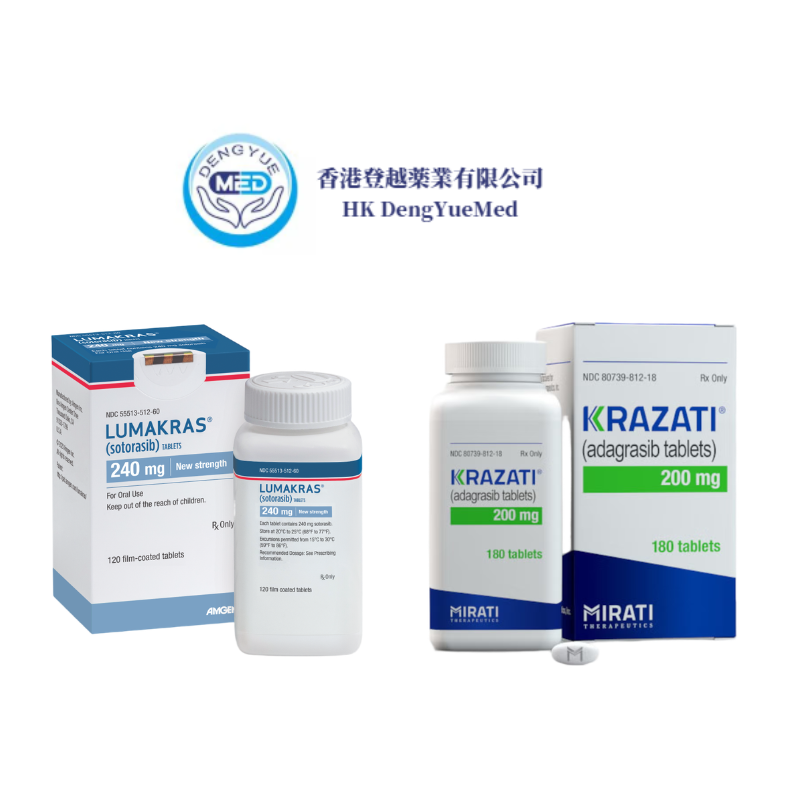
2. Adagrasib (Krazati)
Developed by Mirati Therapeutics, Krazati soon followed as another important therapy targeting KRAS G12C.
Both drugs work by covalently binding to the G12C mutation site, locking KRAS in an inactive state and preventing cancer cell signaling.
Clinical trials demonstrated significant benefits in advanced KRAS G12C-mutant NSCLC patients.
With these approvals, the field rapidly moved from scientific breakthrough to intense commercial competition.
II. From Technological Breakthrough to Red Ocean Competition
Within just a few years, the KRAS G12C landscape has changed dramatically.
What was once a high-risk frontier explored by a few companies has now become a crowded innovation arena involving dozens of pharmaceutical developers.
Today, the key competitive questions are no longer simply:
Can the drug be developed?
Instead, companies are competing on:
- Superior clinical efficacy
- Brain metastasis control capability
- Combination therapy potential
- Indication expansion speed
- Global regulatory approval strategy
Combination therapies are particularly important.
KRAS inhibitors are increasingly tested alongside:
- Immunotherapy
- EGFR inhibitors
- Chemotherapy regimens
Meanwhile, research is expanding beyond G12C to other mutations such as:
- KRAS G12D
- KRAS G12V
Several global companies are advancing new programs in these areas.
The competitive field is rapidly evolving from single-product competition into a diversified innovation race.
III. Strategic Participation of Chinese Companies
Chinese biotechnology companies have actively entered the KRAS field.
One representative example is:
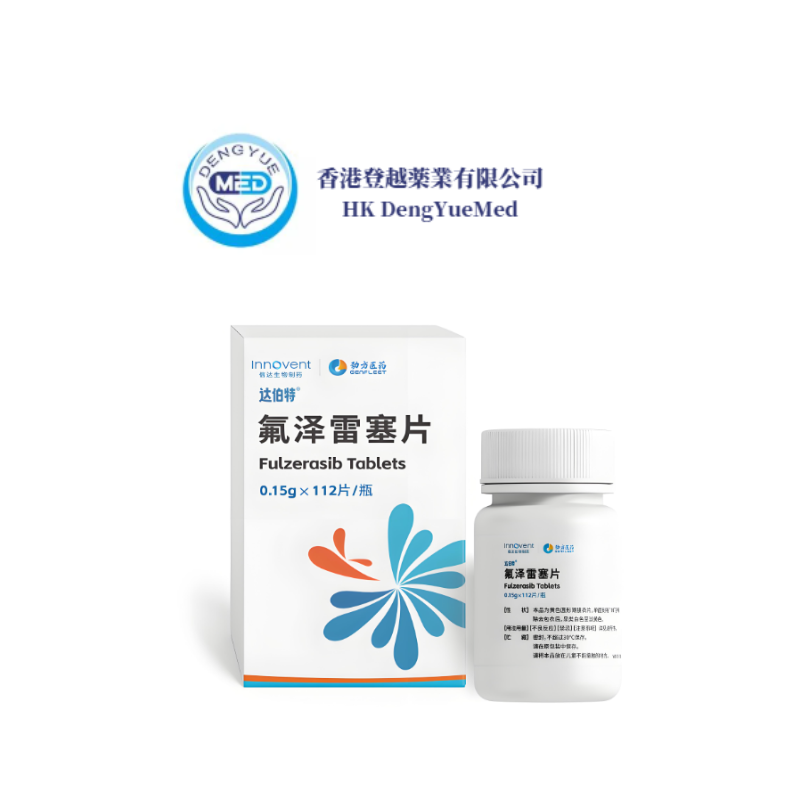
Fulzerasib
Developed through collaboration involving Innovent Biologics, Fulzerasib became one of the first KRAS G12C inhibitors approved in China.
Chinese companies demonstrate several strategic characteristics:
- Rapid clinical trial execution
- Cost-efficient R&D structures
- Focus on combination therapy strategies
- Simultaneous international clinical development
This reflects a broader shift.
Chinese biopharmaceutical firms are no longer simply followers, but increasingly participants in synchronous global innovation.
IV. The Real Competitive Variables: Market Access and Supply Chain
As more KRAS inhibitors enter the market, competition is shifting into a second phase.
The critical questions now include:
- Who can enter international markets faster?
- Who can achieve regulatory-compliant distribution?
- Who can manage cross-border pharmaceutical supply chains efficiently?
At this stage, the role of pharmaceutical wholesalers becomes increasingly important.
Modern pharmaceutical wholesalers are no longer limited to logistics functions such as warehousing and transportation.
They now provide:
- Cross-border regulatory coordination
- Distribution channel management
- Inventory optimization
- Regional market access support
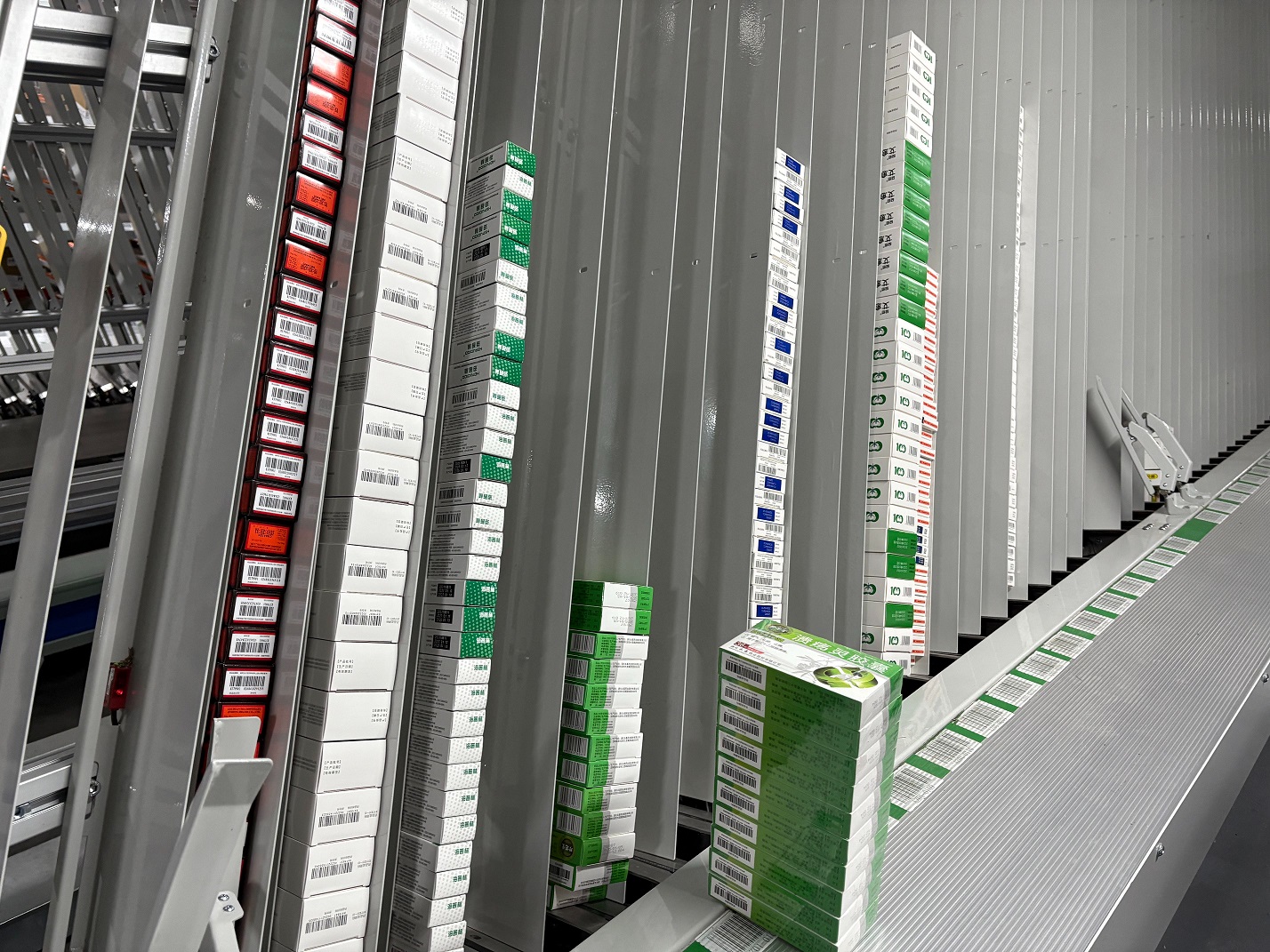
As the global regulatory environment becomes more complex, distribution networks have become part of the commercialization strategy.
Chinese pharmaceutical distribution platforms, including DengYueMed, are strengthening their capabilities in:
- Cross-border drug distribution
- Compliance management
- Regional market connectivity
These capabilities are particularly valuable for innovative drug companies seeking entry into Asian or emerging pharmaceutical markets.
V. Future Competition: From Molecules to Ecosystems
The success of KRAS G12C inhibitors proves that the concept of “undruggable” targets is no longer absolute.
However, future competition will extend far beyond molecular innovation.
Key competitive factors will include:
- Combination therapy ecosystems
- Multi-mutation coverage
- Global regulatory strategy
- Commercial execution efficiency
As scientific breakthroughs gradually converge, global distribution capability and supply chain collaboration may become decisive advantages.
Conclusion
The KRAS G12C field has transformed from an undruggable scientific challenge into a global competitive arena in less than a decade.
This transformation has reshaped not only oncology drug development but also the global commercialization model for innovative therapies.
Chinese pharmaceutical companies are increasingly participating in this transformation—not only through R&D innovation but also through the development of global distribution and market access capabilities.
Within this evolving ecosystem, China pharmaceutical wholesaler DengYueMed is emerging as a strategic connector between innovative drug development and international markets.
In the era of precision oncology, the ultimate competition may not only occur in laboratories but also in the efficiency of global market execution.