What Is the Difference Between Acute and Chronic Leukemia? DengYue RX Explains Leukemia Types and Pharmaceutical Supply
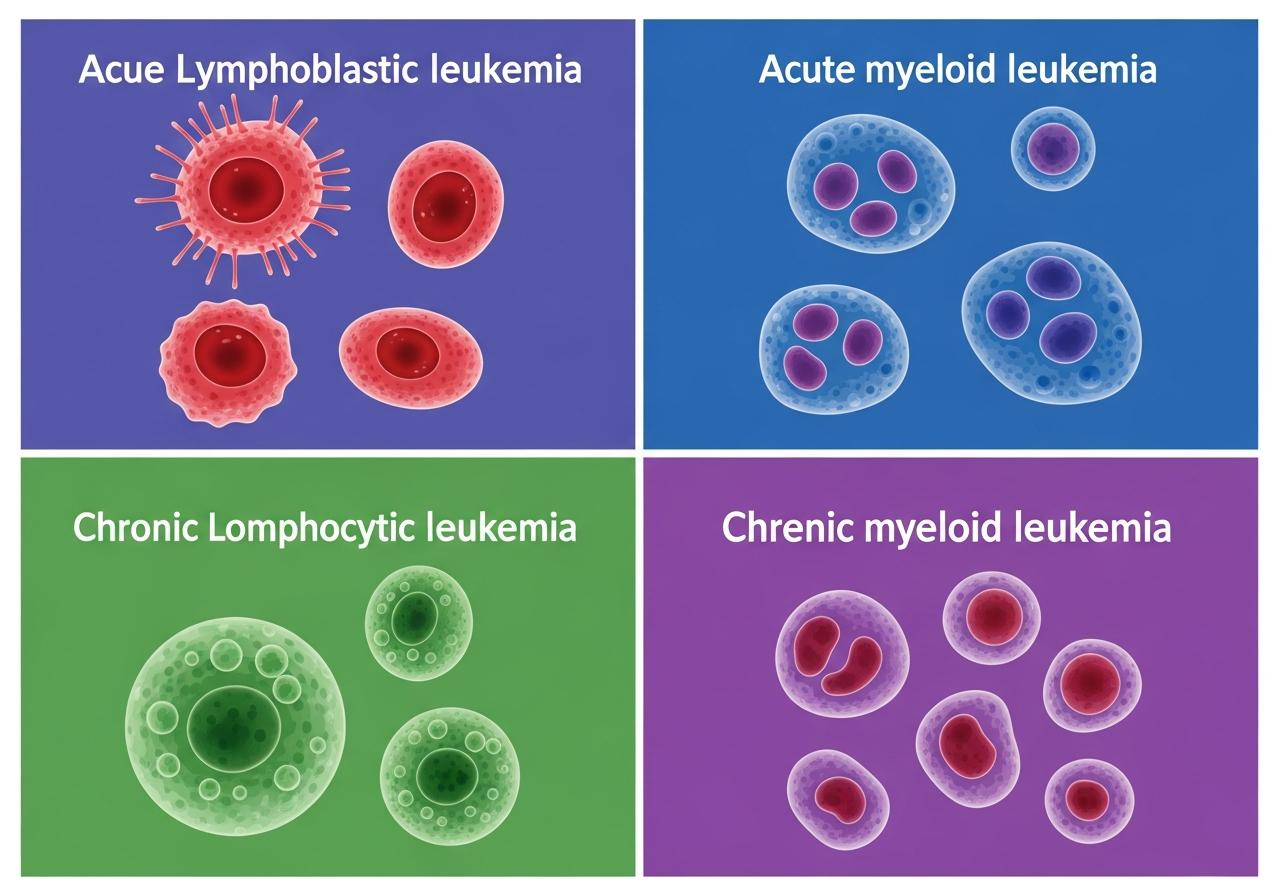
Leukemia is a group of malignant blood disorders that affect the blood-forming tissues and is not a single disease. Among the different types of leukemia, acute leukemia and chronic leukemia are two major classifications. Although both affect the hematopoietic system, they differ in disease progression, the maturity of abnormal blood cells, clinical manifestations, and treatment approaches.
For patients, families, healthcare providers, pharmacies, and pharmaceutical procurement organizations, understanding these differences can provide a clearer picture of the disease and the medicines that may be involved in its management.
From the perspective of pharmaceutical supply, DengYue RX focuses not only on medicine itself but also on medicine information, pharmaceutical sourcing, cross-border supply-chain coordination, logistics, and related compliance requirements. This article provides an overview of the differences between acute and chronic leukemia and explains some important considerations when sourcing leukemia-related medicines internationally.
What Is Leukemia?
Leukemia is a group of cancers that affect blood-forming tissues, particularly the bone marrow. Under normal conditions, the bone marrow produces red blood cells, white blood cells, and platelets. In leukemia, abnormal blood cells may grow and accumulate in the bone marrow or peripheral blood, interfering with normal blood-cell production.
Leukemia can be classified according to the type of blood cell affected and the biological characteristics of the disease.
The major types of acute leukemia include:
- Acute myeloid leukemia (AML)
- Acute lymphoblastic leukemia (ALL)
The major types of chronic leukemia include:
- Chronic myeloid leukemia (CML)
- Chronic lymphocytic leukemia (CLL)
Although these diseases all fall under the broad category of leukemia, they are not the same condition. Their biological characteristics, diagnostic requirements, treatment strategies, and medicine requirements can be significantly different.
What Is Acute Leukemia?
Acute leukemia generally progresses more rapidly and is characterized by the accumulation of abnormal, relatively immature blood cells.
As abnormal cells increase in the bone marrow, they can interfere with the production of normal blood cells. Reduced red blood cell production may contribute to anemia and fatigue, while impaired normal white blood cell production or function may increase the risk of infection. Reduced platelet production may result in bruising or bleeding.
Acute leukemia can therefore cause noticeable clinical changes over a relatively short period of time.
The two major forms are AML and ALL. Although both are classified as acute leukemia, they arise from different blood-cell lineages and have different biological characteristics and treatment approaches.
Because acute leukemia may progress rapidly, persistent unexplained blood-count abnormalities or concerning symptoms generally require timely medical evaluation.
What Is Chronic Leukemia?
Chronic leukemia generally develops more slowly than acute leukemia. The abnormal cells are usually more mature than those seen in acute leukemia.
Some patients with chronic leukemia may have few or no noticeable symptoms during the early stages. The condition may instead be identified through a routine blood test showing an abnormal white blood cell count, followed by additional diagnostic testing.
The two major forms are CML and CLL.
CML is closely associated with the BCR::ABL1 fusion gene, which plays an important role in the biology of the disease. CLL, on the other hand, involves the accumulation of abnormal mature B lymphocytes and has different biological and treatment characteristics.
Although chronic leukemia often progresses more slowly, it still requires appropriate medical assessment and, depending on the disease type and stage, may require long-term treatment or monitoring.
What Is the Difference Between Acute and Chronic Leukemia?
The differences can be summarized in several key areas:
| Aspect | Acute Leukemia | Chronic Leukemia |
|---|---|---|
| Disease progression | Generally faster | Generally slower |
| Abnormal cells | Often relatively immature cells | Usually more mature abnormal cells |
| Effect on normal blood formation | May become significant relatively quickly | May develop more gradually |
| Common manifestations | Anemia, infection, bleeding and fatigue may occur | Some patients have few symptoms initially; fatigue, weight loss, night sweats or splenomegaly may occur |
| Major types | AML, ALL | CML, CLL |
| Treatment approaches | May involve chemotherapy, targeted therapy, immunotherapy, stem cell transplantation or combinations | May involve targeted therapy, immunotherapy or other systemic treatments depending on the disease |
It is important to understand that “acute” does not simply mean “more severe,” and “chronic” does not mean that the disease is harmless or does not require treatment.
These terms primarily describe the biological and clinical characteristics of the disease. The actual risk and treatment requirements depend on the specific leukemia subtype, disease stage, molecular characteristics, overall health, and response to treatment.
Why Does the Type of Leukemia Matter When Choosing Medicines?
Leukemia treatment is not based on a single type of anticancer medicine.
Different leukemia subtypes can have different cellular origins, genetic abnormalities, and molecular targets. As a result, treatment strategies and medicine requirements can vary considerably.
For example, some patients with AML may receive chemotherapy-based treatment, while targeted therapies may be considered when specific molecular abnormalities are present. Treatment for ALL may involve chemotherapy, targeted therapies, immunotherapy, or other approaches depending on the patient’s disease characteristics.
For some patients with CML, medicines known as tyrosine kinase inhibitors (TKIs) are an important part of treatment because they target signaling associated with BCR::ABL1.
Therefore, when sourcing a leukemia medicine, simply providing the term “leukemia medicine” is usually not sufficient.
More detailed information may be required, including: INN or generic name → Brand name → Dosage form → Strength → Pack size → Quantity → Destination
For certain products, additional information such as the manufacturer, batch information, expiry date, storage requirements, and regulatory documentation may also need to be confirmed.
How Can DengYueRX Support Leukemia-Related Pharmaceutical Supply?
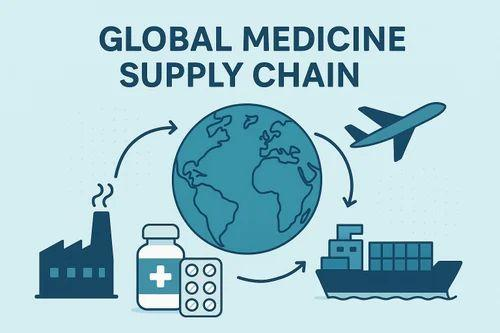
For healthcare institutions, pharmacies, pharmaceutical distributors, and other qualified procurement customers looking for leukemia-related medicines, DengYue RX provides pharmaceutical information and supply-chain support from a sourcing perspective.
Customers can provide basic product information such as the INN, brand name, dosage form, strength, pack size, required quantity, and destination market.
Based on the specific request, DengYue RX can assist with checking pharmaceutical supply information and coordinating relevant sourcing, export, logistics, and documentation requirements.
For medicines requiring special storage or transportation conditions, additional considerations may include temperature requirements, packaging, transportation time, and cold-chain coordination.
This can be particularly important for certain medicines used in hematology and oncology, where maintaining appropriate product conditions throughout transportation is an important part of pharmaceutical supply-chain management.
What Should Be Considered When Sourcing Leukemia Medicines Internationally?
International pharmaceutical sourcing is different from purchasing ordinary commercial products.
The first consideration is whether the medicine can be legally supplied, exported, imported, and used in the destination market. Different countries and regions may have different regulatory requirements for prescription medicines, biologics, oncology medicines, and other specialized pharmaceutical products.
The second consideration is product identity and source. Procurement teams may need to verify the manufacturer, dosage form, strength, batch information, expiry date, product documentation, and other relevant information.
Storage and transportation conditions are also important. Some pharmaceutical products require controlled-temperature transportation, making it necessary to confirm the appropriate packaging and logistics arrangements before shipment.
In addition, prescription medicines should not be treated as ordinary consumer products. Their procurement and use should comply with applicable local regulations and appropriate professional medical guidance.
For international pharmaceutical sourcing, therefore, the question is not simply whether a medicine is available. It is also necessary to consider: Product source + product information + supply channel + regulatory requirements + documentation + storage + transportation + destination-market compliance
DengYueRX’s Role in Leukemia-Related Pharmaceutical Supply
DengYue RX is not a leukemia treatment center, pharmaceutical manufacturer, or drug development company.
Our role is to provide pharmaceutical sourcing and cross-border medicine supply-chain support, connecting qualified procurement needs with pharmaceutical supply resources.
For complex therapeutic areas such as hematology and oncology, DengYue RX focuses on helping customers navigate the information and supply-chain process surrounding pharmaceutical procurement.
Depending on the product and destination, this may include medicine information inquiries, sourcing communication, procurement coordination, export and customs documentation, logistics arrangements, and after-sales supply-chain support.
For medicines used in long-term treatment, continuity of supply can also be an important consideration. Establishing a transparent and compliant pharmaceutical supply channel can therefore be part of broader international medicine procurement planning.
Conclusion
Acute and chronic leukemia are different categories of blood cancer with distinct characteristics in terms of disease progression, abnormal cell maturity, clinical manifestations, and treatment approaches. AML, ALL, CML, and CLL also have different biological and therapeutic profiles, which means that leukemia medicine sourcing should be based on the specific product rather than the general term “leukemia medicine.”
From a pharmaceutical supply perspective, sourcing leukemia medicines also requires attention to product identity, source, supply channels, regulatory requirements, documentation, storage conditions, and transportation. These considerations can become particularly important when dealing with prescription medicines, biologics, oncology products, and medicines requiring controlled-temperature transportation.
DengYue RX supports healthcare institutions, pharmacies, distributors, and qualified procurement customers with pharmaceutical information inquiries, sourcing connections, and cross-border medicine supply-chain services.
If you are looking for a specific leukemia medicine, you can provide the medicine name, dosage form, strength, required quantity, and destination to begin a supply inquiry.