NF1-Associated Plexiform Neurofibroma: Treatment Needs and the Latest Advances in Adult Patients
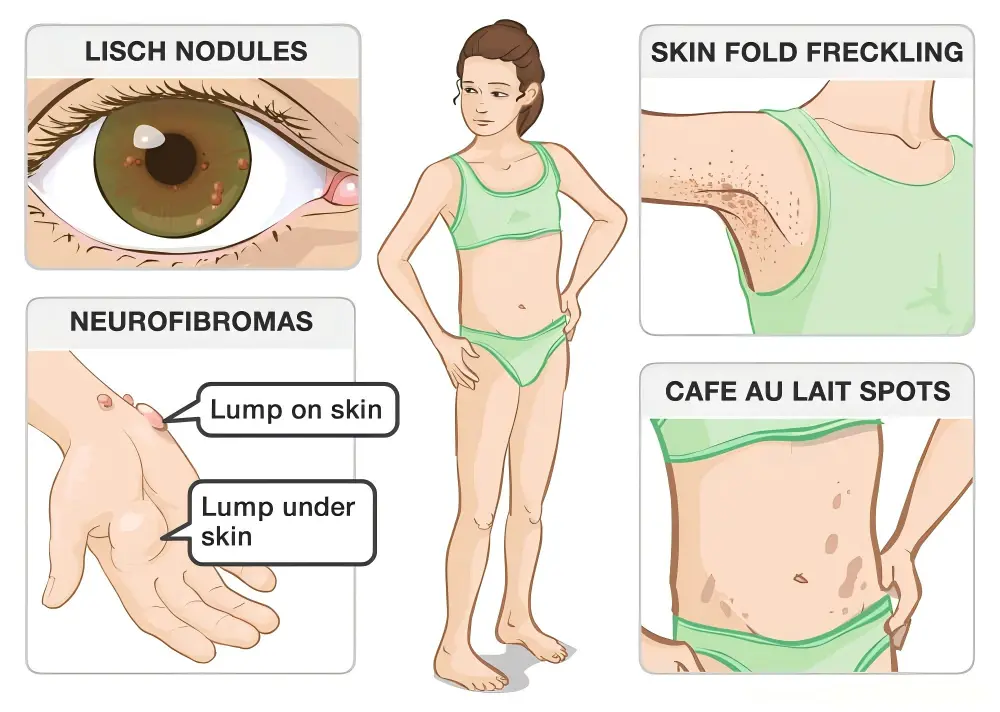
Neurofibromatosis type 1 (NF1) is a genetic disorder that can manifest from childhood, and some patients develop plexiform neurofibroma (PN).
PN can grow diffusely along nerves and their branches and may involve important surrounding structures, making complete surgical removal difficult in some cases. For adults with symptomatic, unresectable NF1-associated PN (NF1-PN), pain, changes in appearance, and functional impairment can have a lasting impact on quality of life, making long-term disease control an important clinical need.
In recent years, as understanding of the molecular mechanisms underlying NF1 has deepened, targeted therapies such as MEK inhibitors have emerged as an important treatment approach. In September 2026, China approved a new indication for the treatment of adult patients with NF1-PN, further advancing the field.
DengYueMed reviews the latest regulatory information and clinical research to provide an overview of this treatment development and the drug behind it.
What Is NF1-Associated Plexiform Neurofibroma?
NF1 is a genetic disorder caused by abnormalities in the NF1 gene. The NF1 gene encodes neurofibromin, a protein involved in regulating cellular signaling pathways such as the RAS/MAPK pathway. Abnormal NF1 gene function may disrupt these signaling pathways and increase the risk of developing neurofibromas and other related lesions.
Plexiform neurofibroma (PN) is an important manifestation of NF1. Some studies suggest that PN may occur in up to approximately half of people with NF1. Unlike tumors with relatively well-defined borders, PN often grows in an infiltrative or diffuse pattern. It can extend along nerves and their branches and form complex anatomical relationships with surrounding tissues.
The symptoms of PN vary depending on the location, size, and growth pattern of the lesion. Some patients may have no obvious symptoms, while others may experience:
- Persistent or recurrent tumor-related pain
- Functional impairment of the limbs or other affected areas
- Changes in facial or other physical appearance
- Limited mobility as the lesion progresses
- Increased surgical difficulty due to the complex location of the lesion
People with NF1 also have a risk of developing malignant peripheral nerve sheath tumors (MPNST). Therefore, if a PN lesion develops unusual changes, such as rapidly worsening pain or rapid growth, further clinical evaluation is warranted.
Why Does the Treatment of Adult NF1-PN Remain Challenging?
For symptomatic PN, surgery has traditionally been an important treatment option. When a lesion can be safely and completely removed, surgery may provide long-term local disease control.
However, the anatomical characteristics of PN mean that this approach is not suitable for every patient. Some PNs may surround or pass through important nerves, blood vessels, and other structures, while the lesions themselves may be extensive. In such cases, attempting complete surgical removal may increase the risk of nerve injury, functional impairment, or other surgical complications.
As a result, some adults may not be suitable candidates for complete surgical resection. A recent real-world study of adult patients with NF1-PN in the United States likewise indicated that tumor size, location, and its relationship with major nerves and blood vessels can limit the feasibility of complete resection.
For patients with unresectable disease, treatment goals extend beyond reducing tumor size. Pain control, functional improvement, and quality of life are also important components of disease management. Clinical research in adults with NF1-PN published in 2026 showed that the disease burden involves not only tumor volume but also pain, changes in appearance, and functional impairment.
This is why recent NF1-PN research has increasingly focused on the relationship between tumor reduction and improvements in patient symptoms.
How Are MEK Inhibitors Changing NF1-PN Treatment?
NF1-associated disease is closely linked to abnormal activation of the RAS/MAPK signaling pathway, while MEK1/2 is an important component of this signaling network.
Therefore, inhibiting MEK1/2 can interfere with abnormal signaling at the molecular level and suppress related cellular proliferation. Based on this mechanism, MEK inhibitors have gradually become an important area of targeted treatment research in NF1-PN.
Several MEK inhibitors have now reached clinical development and regulatory milestones in the NF1-PN field. For example, selumetinib and mirdametinib have been used for the treatment of NF1-associated PN, while other MEK inhibitors continue to be investigated in both adult and pediatric patients.
The significance of this treatment approach is that targeted therapy provides another strategy for disease control in patients for whom complete surgical resection cannot be performed safely.
At the same time, MEK inhibitors are not necessarily appropriate for every patient with NF1-PN. Factors such as age, symptoms, tumor location and extent, surgical feasibility, and previous treatment history all need to be considered as part of an individualized clinical assessment.
New Progress in Adult NF1-PN Treatment in China
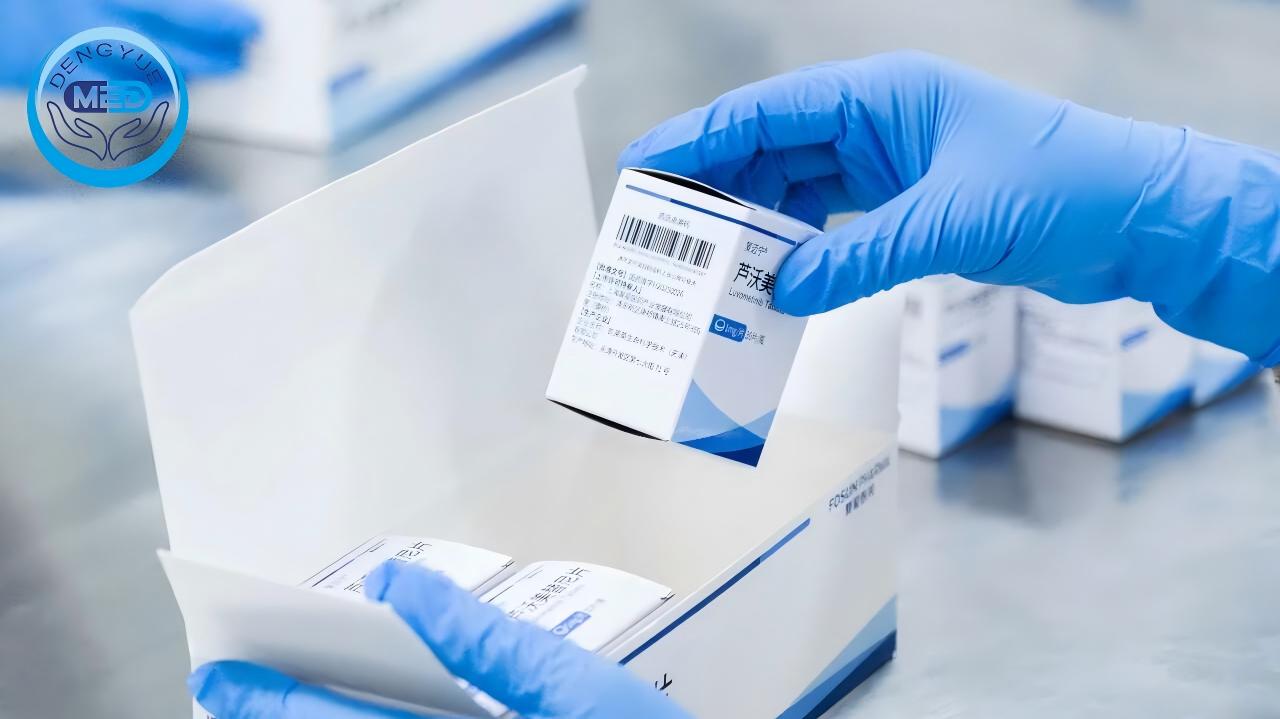
On September 3, 2026, China’s National Medical Products Administration (NMPA) approved a new indication for Luvometinib tablets (FCN-159, Fumaining®) for adult patients with symptomatic, unresectable NF1-associated plexiform neurofibroma (NF1-PN).
Previously, on May 29, 2025, Luvometinib received its initial approval in China. Its approved indications included certain patients with Langerhans cell histiocytosis (LCH), as well as pediatric and adolescent patients aged 2 years and older with symptomatic, unresectable NF1-PN.
The new adult indication further extends the NF1-PN treatment population from children and adolescents to adults.
Because NF1 is a lifelong genetic disorder, PN that develops during childhood may persist into adulthood in some patients. As a result, disease control and long-term treatment needs in adult patients have received increasing attention.
The latest approval was supported by clinical evidence from studies in adult patients with NF1-PN. The relevant Phase 3 study enrolled adults with symptomatic, unresectable disease and provided clinical data supporting the development of Luvometinib for adult NF1-PN.
What Is Luvometinib?
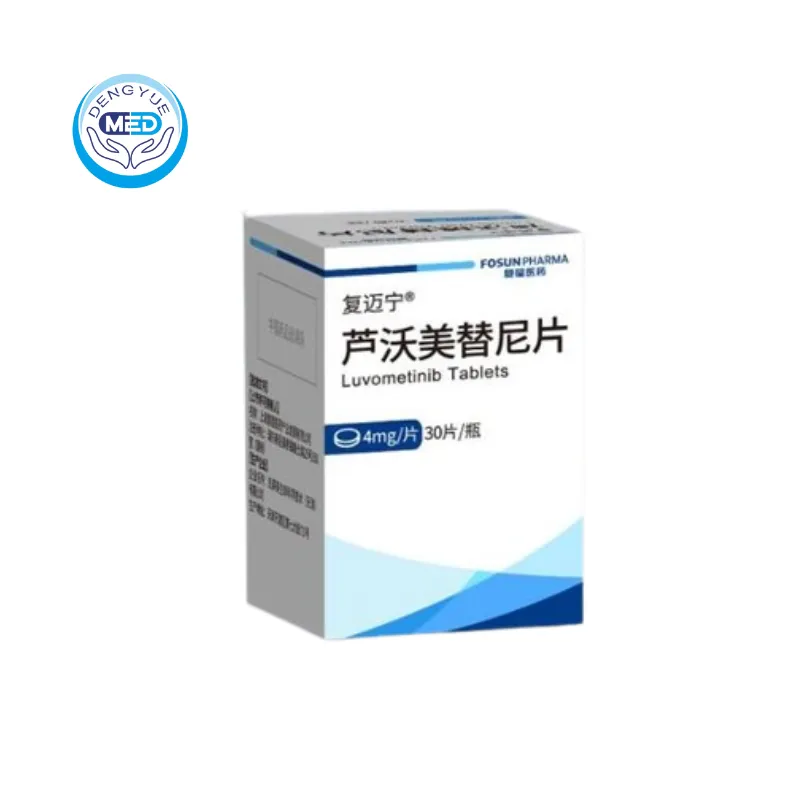
Luvometinib is an oral selective MEK1/2 inhibitor independently developed by Fosun Pharma, a Chinese pharmaceutical company. It has been investigated primarily for diseases associated with abnormalities in the RAS/MAPK signaling pathway.
In NF1, abnormalities in the NF1 gene can impair the normal function of neurofibromin and may lead to abnormal activation of the RAS/MAPK pathway. MEK1/2 is a key component of this signaling pathway. By inhibiting MEK1/2, Luvometinib reduces abnormal MAPK signaling and thereby interferes with abnormal cellular proliferation.
From a drug-design perspective, Luvometinib was structurally optimized around the allosteric site of MEK, with the aim of improving drug-binding properties while maintaining selectivity and metabolic stability. This makes it a targeted therapeutic agent for diseases associated with MAPK pathway abnormalities, including NF1-PN.
Luvometinib currently has an indication portfolio in China that includes LCH and NF1-PN and continues to be investigated in other diseases associated with the MAPK signaling pathway. The addition of the adult NF1-PN indication further expands its clinical application in the NF1-PN field.
Phase 3 Study: Efficacy and Safety of Luvometinib
The approval of the adult NF1-PN indication was primarily supported by a randomized, double-blind, placebo-controlled Phase 3 study (NCT05913037). The study enrolled 167 adults with symptomatic, unresectable NF1-PN and randomly assigned them in a 2:1 ratio to receive Luvometinib or placebo.
Key Study Results
| Study Measure | Luvometinib | Placebo |
|---|---|---|
| Number of patients | 112 | 55 |
| Objective response rate (ORR) | 43.8% | 10.9% |
| Median time to response | 3.9 months | — |
| Median duration of response | 15.1 months | — |
| ≥2-point reduction in pain score* | 81.0% | 53.6% |
| Serious adverse events | 14.3% | 7.3% |
| Permanent discontinuation due to adverse events | 1.8% | 1.8% |
* Among patients with a baseline overall tumor pain score of ≥2.
Common treatment-emergent adverse events reported in the study included folliculitis, increased creatine phosphokinase levels, oral ulcers, and diarrhea.
Overall, the Phase 3 study provided clinical data on tumor response, changes in pain, and safety, supporting the evaluation of Luvometinib as a treatment option for adults with NF1-PN.
From Childhood to Adulthood: Broader Age Coverage in NF1-PN Treatment
NF1 is a genetic disorder that may persist throughout a person’s life, meaning that treatment needs do not automatically disappear when patients reach adulthood.
Instead, PN that develops during childhood may persist and continue to affect pain, mobility, appearance, and social life in adulthood. Ensuring continuous disease management from childhood through adulthood has therefore become an important consideration in NF1 care.
From this perspective, China’s approval of Luvometinib for adult NF1-PN represents an important development in the country’s targeted treatment landscape for NF1. It not only expands the approved age range but also adds a targeted treatment option for adults, particularly those with symptomatic, unresectable NF1-PN.
For people with NF1 worldwide, this development also reflects a broader trend: as understanding of disease mechanisms improves and molecularly targeted therapies and clinical trials continue to advance, NF1-PN is gradually moving from a treatment model centered primarily on symptom management and surgery toward a more diverse and targeted therapeutic landscape.
Conclusion
NF1-associated plexiform neurofibroma is a complex condition that can impose a substantial long-term disease burden. In some patients, PN may continue to progress and cause pain, changes in appearance, and functional impairment. For adults with symptomatic, unresectable disease, achieving long-term disease control remains an important clinical need.
Luvometinib received its initial approval in China on May 29, 2025, followed by the addition of an adult NF1-PN indication on September 3, 2026, further extending its treatment population to adults. The tumor response, pain-related outcomes, and safety data from the Phase 3 study provide clinical evidence supporting this treatment development.
As research into NF1 and the RAS/MAPK signaling pathway continues to advance, treatment options for NF1-PN may continue to expand.

As a China pharmaceutical exporter with a focus on the Chinese Pharmacy landscape, DengYueMed continues to follow developments in drug research, regulatory approvals, and clinical studies in areas including oncology and rare diseases. Through professional pharmaceutical information and supply-chain services, DengYueMed helps global partners better understand China’s pharmaceutical market and developments in innovative medicines. Going forward, DengYueMed will continue to monitor advances in rare diseases such as NF1-PN and opportunities for international collaboration in the pharmaceutical field.
Learn more about rare disease medicines: [Rare Disease Drugs in China: 6 Innovative Medicines Approved in H1 2026 and Their Indications](https://dengyuemed.com/blog/rare-disease-drugs-in-china/)