Global First-in-Class Drug Approved in China: Vosoritide Brings Disease-Modifying Treatment to Children with Achondroplasia
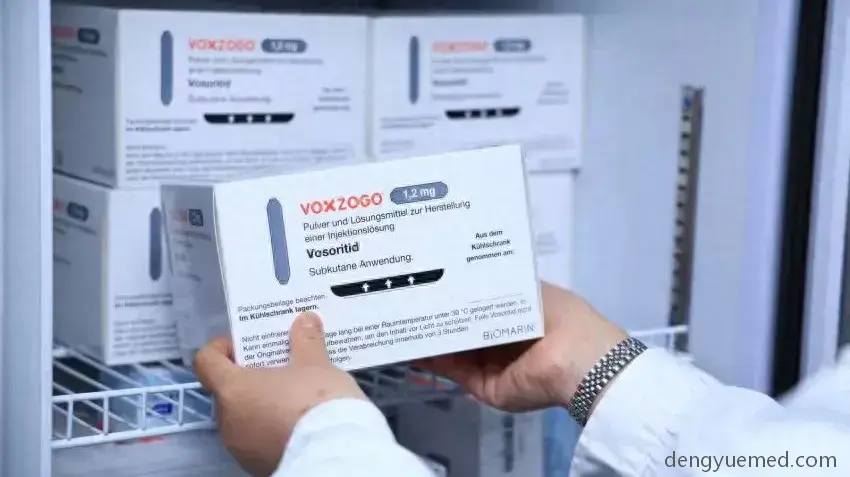
On September 18, 2026, the official website of China’s National Medical Products Administration (NMPA) announced that vosoritide injection (Voxzogo®) had been approved for marketing in China for the treatment of children with achondroplasia (ACH).
As an innovative therapy developed based on the underlying disease mechanism of achondroplasia, the approval of vosoritide in China is of significant importance.
Publicly available information shows that this is the first targeted therapy approved in China for achondroplasia, providing a new treatment option for Chinese children with ACH, a population that has long lacked disease-modifying treatment options.
The original vosoritide product was developed by BioMarin Pharmaceutical. The drug was previously approved in the European Union and the United States in 2021, becoming the first treatment approved in Europe and the United States for children with achondroplasia. It was subsequently approved in Japan in 2022.
From Symptomatic Management to Disease-Modifying Treatment
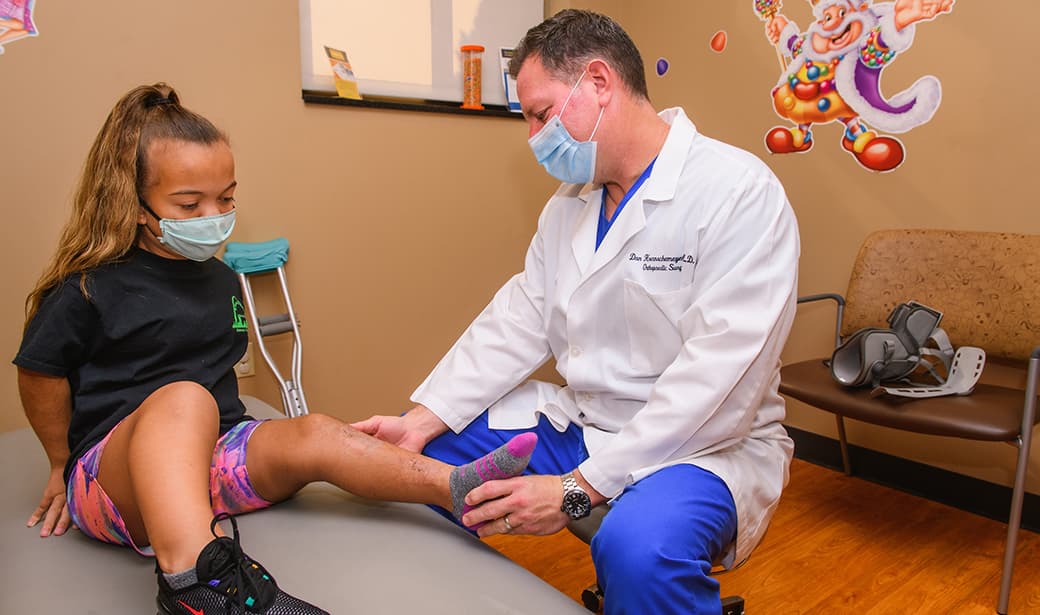
Achondroplasia is a rare genetic skeletal disorder and the most common form of genetic short stature.
Its underlying pathogenesis is primarily associated with gain-of-function mutations in the fibroblast growth factor receptor 3 (FGFR3) gene. Abnormally enhanced FGFR3 signaling inhibits chondrocyte proliferation and differentiation, thereby impairing endochondral bone growth and ultimately resulting in the characteristic disproportionate short stature seen in patients with ACH.
In addition to short stature, some patients may develop complications such as foramen magnum stenosis, sleep apnea, and spinal cord compression. In severe cases, these complications can affect neurological function and multiple organ systems.
For many years, clinical management of ACH has focused mainly on complication management, rehabilitation, and, when necessary, orthopedic surgery, with limited pharmacological options capable of targeting the underlying disease mechanism.
The emergence of vosoritide has changed this landscape.
How Does Vosoritide Work?
Vosoritide is a recombinant modified human C-type natriuretic peptide (CNP) analog that targets natriuretic peptide receptor-B (NPR-B).
Under normal physiological conditions, the CNP/NPR-B signaling pathway promotes endochondral bone growth. In patients with ACH, gain-of-function mutations in FGFR3 lead to abnormally enhanced FGFR3 signaling, which suppresses growth-related signaling pathways.
By activating NPR-B and enhancing downstream cyclic guanosine monophosphate (cGMP) signaling, vosoritide counteracts the growth-inhibitory effects caused by abnormal FGFR3 signaling. This promotes chondrocyte proliferation and differentiation as well as endochondral bone growth.
In other words, rather than simply addressing the clinical manifestations of the disease, vosoritide directly targets a key pathophysiological mechanism of ACH.
This is also one of the key reasons why its approval in China has attracted significant attention.
Phase III Trial: Growth Velocity Increased by 1.57 cm per Year at 52 Weeks
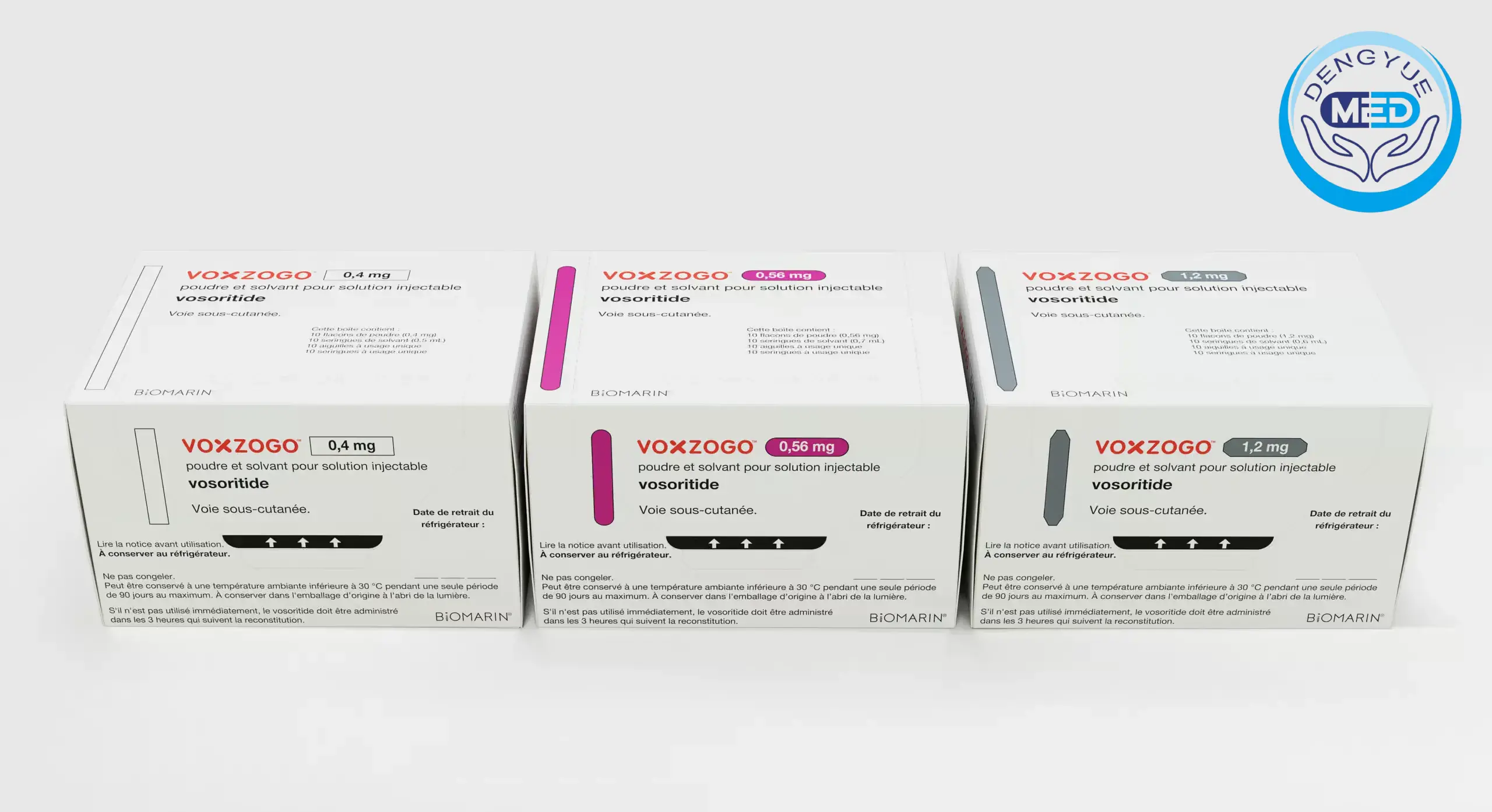
The efficacy of Voxzogo® has been evaluated in a randomized, double-blind, placebo-controlled Phase III clinical trial.
The study enrolled children aged 5 years and older with achondroplasia and open growth plates. Participants were randomly assigned to receive vosoritide or placebo once daily for 52 weeks.
The results showed that vosoritide significantly increased growth velocity in children with ACH.
At 52 weeks, the mean growth velocity in the vosoritide group was 1.57 cm per year higher than that in the placebo group.
These findings indicate that vosoritide not only acts on the underlying disease mechanism of ACH but can also translate this mechanism-based effect into measurable gains in linear growth.
Long-Term Treatment Data Further Demonstrate Its Potential
In addition to short-term clinical results, the long-term treatment data for vosoritide are also noteworthy.
After completing the Phase III study, 119 children entered an open-label extension study. The data showed that the children received treatment for a mean of 4.0 years, with the longest treatment duration reaching 6.2 years and total treatment exposure exceeding 464 patient-years.
After three years of continuous treatment, children receiving vosoritide achieved approximately 5.75 cm of additional height gain compared with an untreated natural-history cohort, with a 95% confidence interval of 4.93–6.57 cm and P<0.0001.
At the same time, height Z-scores continued to improve with treatment duration. After 4.5 years of treatment, the improvement in height Z-score compared with the untreated population reached 1.28 standard deviations.
Among children who initiated treatment at a younger age, improvements in the upper-to-lower body segment ratio were also observed, suggesting that earlier intervention may have benefits not only for final height but also for body proportions.
Modeling suggests that if treatment is initiated at a younger age and continued until growth plate closure, the long-term height benefit could potentially be greater.
Overall Safety Profile Remains Manageable
Long-term follow-up data showed that the overall safety profile of vosoritide remained consistent with that observed in the previous Phase III study.
The majority of adverse events were mild. No drug-related serious adverse events or deaths were reported, and no neutralizing antibodies were detected.
Based on currently available long-term data, no new safety signals have been identified.
Nevertheless, for pediatric patients with rare diseases, continued long-term follow-up and real-world evidence will be important for further evaluating the safety profile of the treatment.
Chinese Children with ACH Gain a New Treatment Option
The global incidence of achondroplasia is estimated at approximately 1 in 22,000 births, with publicly available data estimating that around 250,000 people worldwide are living with the condition. ACH has also been included in China’s Second National Rare Disease List.
Because of the relatively small patient population, limited disease awareness, and the historical lack of disease-modifying therapies, ACH has long represented an area of significant unmet medical need.
The approval of vosoritide in China means that the treatment of ACH in the country is moving from a focus primarily on complication management and symptomatic care toward a new stage of mechanism-based and disease-modifying treatment.
Globally, vosoritide is also a representative innovative therapy in the field of rare skeletal disorders. Its development illustrates the translational pathway from understanding genetic mechanisms and validating therapeutic targets to developing a disease-modifying treatment.
For China, the significance of this approval extends beyond simply adding another treatment option.
As rare disease diagnosis and treatment systems continue to improve and China’s innovative drug review and approval mechanisms continue to evolve, more patients with rare diseases that previously had limited treatment options may gain access to therapies developed to target the underlying mechanisms of their conditions.
From Approval in China to Global Accessibility

The approval of vosoritide in China also highlights the important role of the Chinese rare disease market in providing access to innovative therapies from around the world. As more innovative treatments enter China, demand is also growing for services related to pharmaceutical registration, supply chain management, cross-border distribution, and international pharmaceutical market information exchange.
As a China pharmaceutical exporter, DengYueMed continues to follow developments in Chinese innovative medicines, rare disease therapies, and specialty medicines, while working to connect pharmaceutical resources in China with global markets.
For international pharmaceutical industry stakeholders, the approval of innovative medicines in China not only means more treatment options for patients in the country, but also reflects increasingly close connections between pharmaceutical resources in China and the global healthcare market.
From R&D and regulatory approval to global supply chain collaboration, China’s pharmaceutical industry is becoming increasingly integrated into the global pharmaceutical ecosystem. The approval of vosoritide in China is one example of this broader trend in the field of rare diseases.