Drug Safety Differences: A Comparative Analysis Across Global Regions
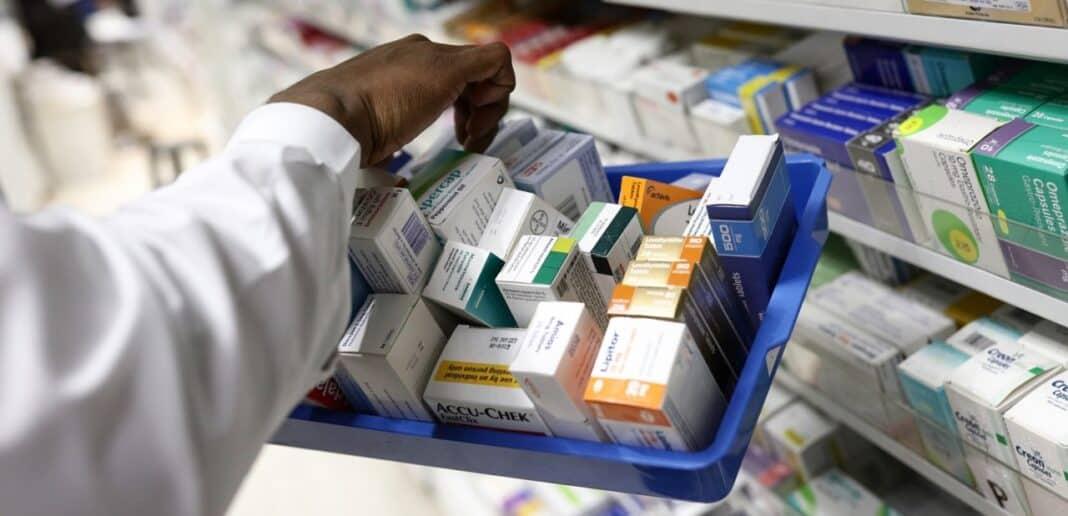
Against the backdrop of the rapid expansion of the global pharmaceutical supply chain, drug safety standards vary significantly across different regions. From regulatory systems and distribution structures to enforcement capabilities, these differences directly affect medicine quality and patient safety.
As an important participant in China’s international pharmaceutical supply chain, DengYueMed has long focused on global pharmaceutical compliance and safe drug distribution.
This article compares the current state of drug safety across multiple regions and analyzes the key factors behind these differences.
Why Are There Huge Differences in Drug Safety Standards Worldwide?
Drug safety is not only about counterfeit medicines. It is also closely related to regulatory systems, supply chain structures, logistics capabilities, and healthcare resources.
In countries with mature regulatory systems, drug safety risks are more often associated with illegal online sales, gray-market purchasing channels, and demand for cheaper alternatives to high-priced medicines. In some developing regions, however, the main issues include weak regulatory oversight, a high proportion of informal markets, and inadequate storage and transportation conditions.
In addition, the global pharmaceutical supply chain has become increasingly complex. During cross-border transportation, repackaging, and multi-level distribution, problems with temperature control, traceability, or documentation management can directly affect medicine quality.
High drug prices are also a major driver of counterfeit medicines. For expensive products such as cancer therapies, weight-loss drugs, and biologics, patients are often more likely to seek lower-cost alternatives, creating opportunities for illegal markets.
Analysis of Drug Safety Issues in Major Global Regions
North America: Strict Regulation but Serious Illegal Online Pharmacy Issues
The United States and Canada have some of the world’s most advanced pharmaceutical regulatory systems, including GMP inspections, drug traceability systems, and comprehensive adverse event monitoring.
Although the quality of legitimate medicines is generally high, North America still faces significant pharmaceutical safety risks.
Main Issues
- Large numbers of illegal online pharmacies
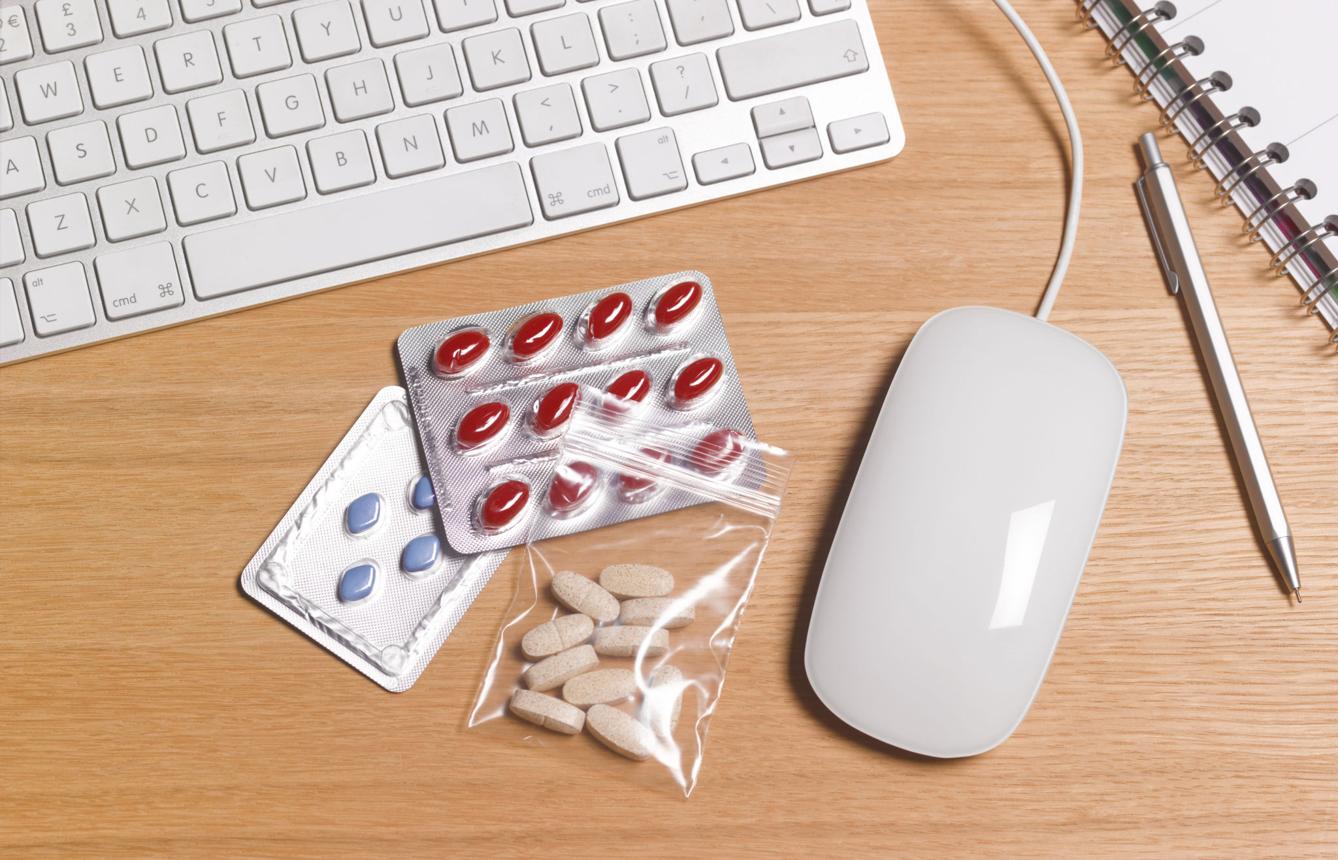
- Unverified weight-loss drugs, ED medications, anti-anxiety drugs, and painkillers
- High drug prices driving gray-market purchases
- Cross-border sourcing through unofficial channels
- Ongoing opioid abuse concerns
Underlying Causes
Drug safety issues in North America are closely linked to high healthcare costs and the rise of online pharmaceutical sales. Expensive medicines encourage patients to seek cheaper alternatives, while cross-border e-commerce and social media make illegal drug sales more difficult to regulate.
Europe: Parallel Import Risks Under High Regulatory Standards
Europe maintains a high overall level of pharmaceutical regulation, and the European Union has established mature serialization and traceability systems. However, the European market faces a unique issue known as parallel importation.
In simple terms, medicines are purchased in lower-priced countries and then resold in higher-priced markets.
Main Issues
- Multiple transportation and repackaging processes
- Increased storage and handling risks
- Complex cross-border pharmaceutical circulation
- Difficult product traceability across multiple countries
- High-value innovative drugs becoming counterfeit targets
Underlying Causes
Europe’s challenges are not primarily caused by weak regulation, but rather by the highly active cross-border circulation enabled by the EU free trade system. Price differences between countries also drive the growth of the parallel import market.
Asia: A Global Pharmaceutical Manufacturing Hub with Complex Market Conditions
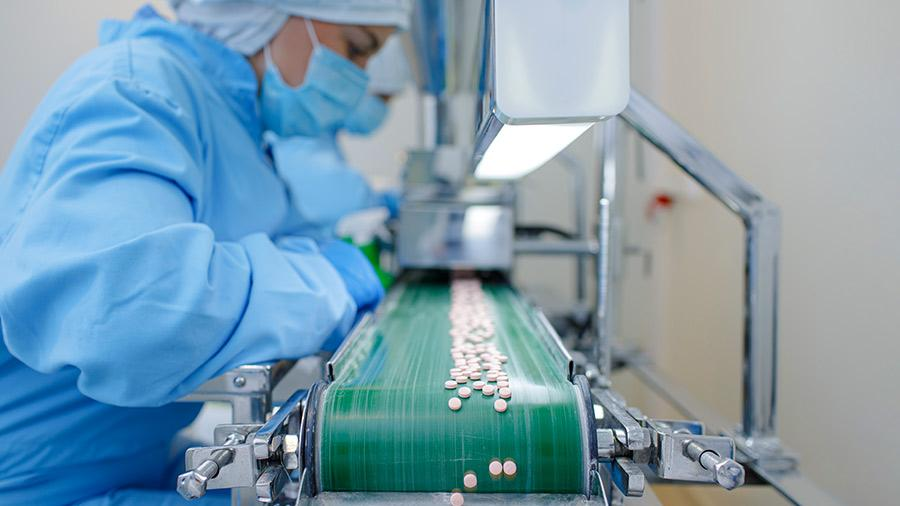
Asia is one of the world’s most important pharmaceutical manufacturing regions, with China and India playing major roles in APIs and generic medicines. At the same time, the Asian pharmaceutical market shows significant regional disparities.
Main Issues
- Counterfeit and substandard medicines in some regions
- Informal pharmaceutical distributors
- Weak oversight in certain rural and remote areas
- Medicines of unknown origin entering local markets
- Rapid growth of cross-border pharmaceutical e-commerce
Underlying Causes
The core characteristic of the Asian market is uneven development.
Countries such as China, Japan, and South Korea have established relatively advanced pharmaceutical systems, while some regions still lack strong regulation and unified quality standards.
In recent years, China has strengthened GMP inspections, drug traceability systems, and generic drug consistency evaluations, significantly improving overall pharmaceutical quality management.
At the same time, China has become an increasingly important source for international pharmaceutical procurement, particularly in APIs, peptide drugs, and supply chain integration.
As a Chinese pharmaceutical supply chain company, DengYueMed continues to focus on quality control and compliant distribution in international pharmaceutical procurement.
Africa: Counterfeit Medicines and Cold Chain Problems Remain Major Challenges
Many regions in Africa have long struggled with counterfeit medicines, particularly involving antimalarial drugs, antibiotics, and some chronic disease treatments.
Main Issues
- High proportion of counterfeit medicines
- Insufficient active pharmaceutical ingredients
- Falsified product labels
- Inadequate cold chain infrastructure
- Limited electricity and storage capabilities
- Large informal pharmaceutical markets
Underlying Causes
Drug safety challenges in Africa are closely linked to infrastructure limitations and weak regulatory capacity.
Many countries rely heavily on imported medicines but lack comprehensive testing laboratories, logistics systems, and nationwide traceability mechanisms.
Limited healthcare resources and lower income levels also make low-cost informal medicines more attractive to consumers.
Latin America: Active Smuggling and Illegal Pharmaceutical Trade
Drug safety issues in Latin America are strongly associated with border trade and illegal circulation.
Main Issues
- Active pharmaceutical smuggling
- Illegal cross-border medicine trade
- Unverified storage and transportation conditions
- High demand for chronic disease medicines
- Significant differences in regulatory enforcement
Underlying Causes
Frequent border trade, combined with limited healthcare coverage in some countries, creates opportunities for illegal pharmaceutical circulation.
Economic disparities and policy instability also increase the difficulty of market supervision.
Comparison Table of Global Drug Safety Issues
| Region | Main Drug Safety Issues | High-Risk Medicines | Core Causes |
|---|---|---|---|
| North America | Illegal online purchases, prescription drug abuse | Painkillers, weight-loss drugs | High drug prices, online gray markets |
| Europe | Parallel import risks | Oncology drugs, biologics | Complex cross-border circulation |
| Asia | Counterfeit medicines and informal channels | Generics, chronic disease drugs | Uneven market development |
| Africa | Counterfeit medicines and cold chain failures | Antimalarial drugs, antibiotics | Weak infrastructure and regulation |
| Latin America | Smuggling and illegal trade | Chronic disease drugs, antibiotics | Complex border trade |
Why Does the Global Counterfeit Drug Problem Persist?
The global counterfeit medicine problem continues because both demand and profit remain strong.
On one hand, high drug prices encourage patients to seek cheaper alternatives. On the other hand, increasingly complex global supply chains create opportunities for illegal circulation.
The growth of e-commerce and social media has also made illegal pharmaceutical sales more concealed.
At the same time, some developing countries still lack advanced testing laboratories, traceability systems, and professional regulatory personnel, making counterfeit drug control more difficult.
For readers interested in this topic, we also recommend reading:
Causes of the Global Counterfeit Drug Problem and Safe Pharmaceutical Procurement Guide
Key Takeaways
Strongest Regulatory Systems
- United States
- Canada
- European Union
- Japan
- South Korea
Highest Counterfeit Drug Risks
- Informal pharmaceutical markets
- Unregulated online pharmacies
- Cross-border gray-market procurement
- Smuggling networks
- Weakly regulated distribution channels
Most Important Future Trends
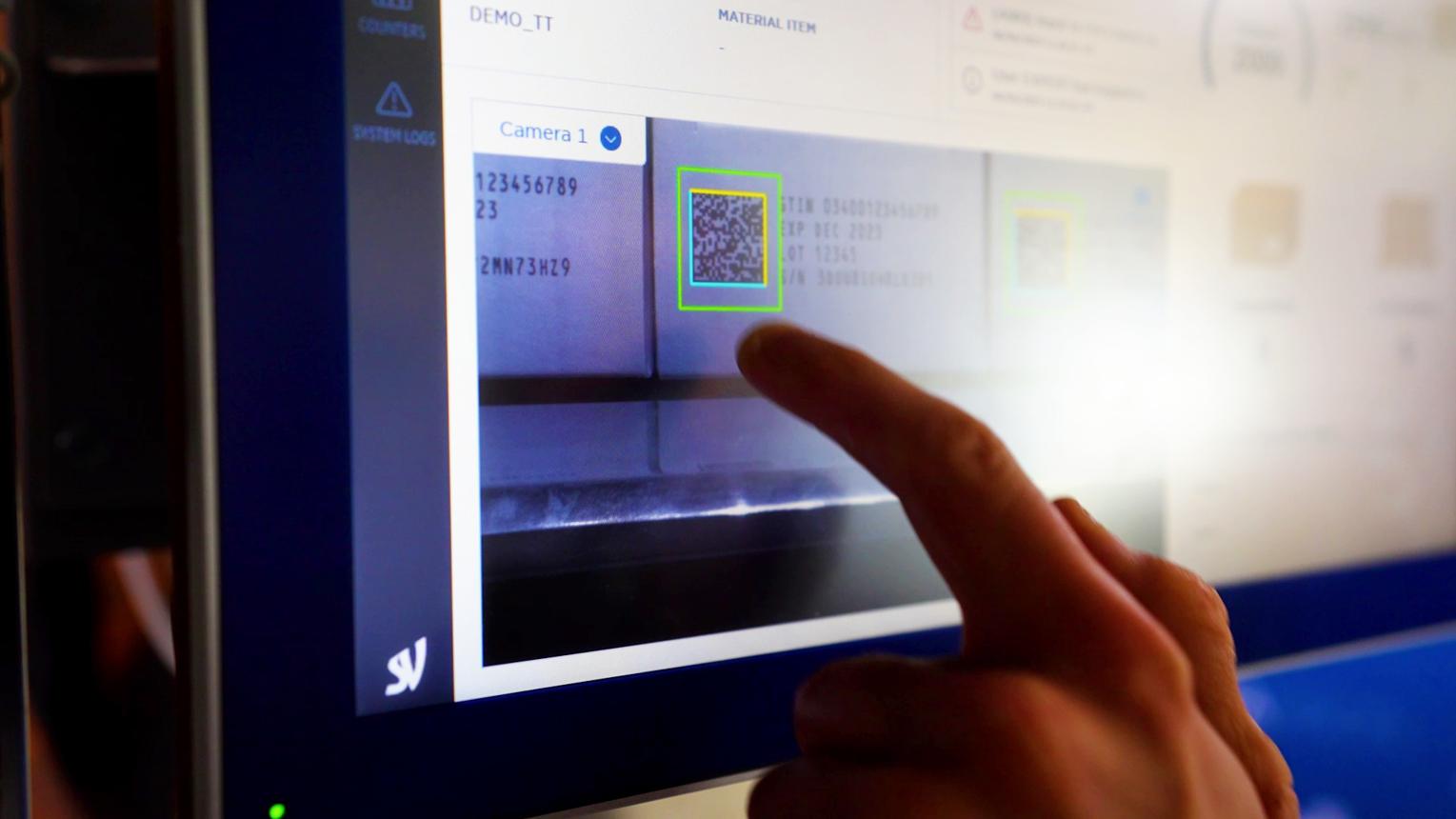
- Digital traceability systems
- Serialization and unique identification
- QR-code verification
- Supply chain transparency
- Cross-border regulatory cooperation
- Real-time pharmaceutical monitoring
Conclusion
Differences in global drug safety standards ultimately reflect disparities in regulatory capability, healthcare systems, and supply chain management across countries.
As international pharmaceutical trade continues to expand, drug safety has become a shared challenge for the global supply chain.
For international buyers, healthcare institutions, pharmaceutical distributors, and procurement organizations, establishing stable, compliant, and traceable procurement channels will become increasingly important.
Chinese pharmaceutical wholesaler DengYueMed will continue to focus on global drug safety trends and compliant international procurement, helping promote a more transparent, secure, and reliable global pharmaceutical supply chain.