How to Safely Switch Between Warfarin and NOACs: Key Timing and Monitoring Considerations
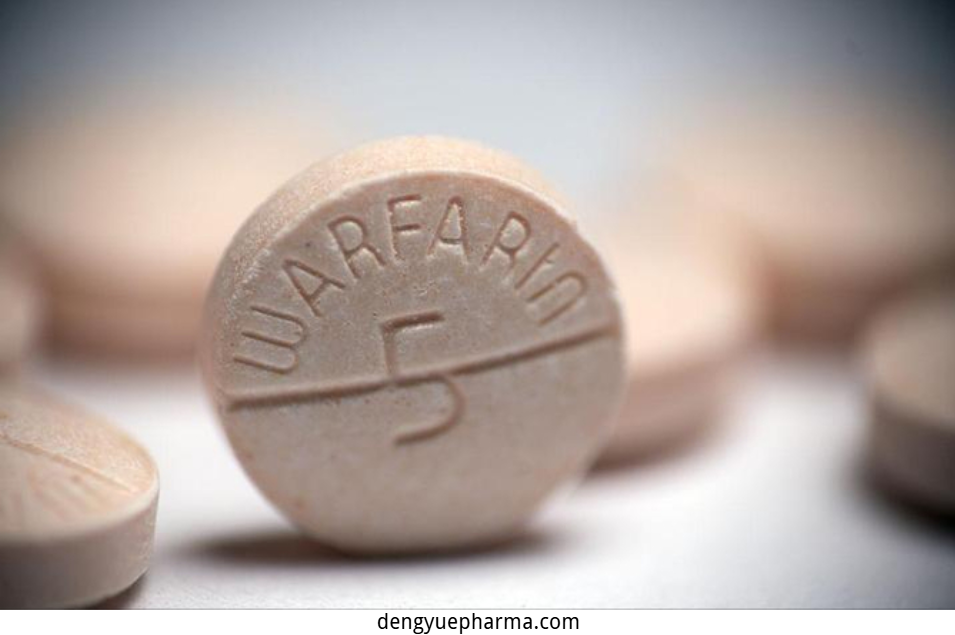
As anticoagulation therapy continues to evolve, an increasing number of patients are transitioning from traditional warfarin to non-vitamin K antagonist oral anticoagulants (NOACs). Conversely, some patients need to switch back from NOACs to warfarin due to changes in their medical condition, planned surgery, or economic considerations.
However, switching anticoagulants is far more complex than simply stopping one medication and starting another. An inappropriate transition may result in insufficient anticoagulation and thromboembolic events, or excessive anticoagulation and an increased risk of bleeding. Therefore, understanding how to safely transition between warfarin and NOACs has become an essential component of modern anticoagulation management.
Why Is Switching Between Warfarin and NOACs Necessary?
Warfarin has been used for decades as the classic vitamin K antagonist (VKA) and remains indicated for:
- Stroke prevention in atrial fibrillation
- Deep vein thrombosis (DVT)
- Pulmonary embolism (PE)
- Patients with mechanical heart valves
Despite its proven efficacy, warfarin has several well-recognized limitations:
- Slow onset of action
- Numerous drug-drug and food-drug interactions
- Requirement for regular International Normalized Ratio (INR) monitoring
- Significant interpatient variability in dose requirements
In contrast, NOACs—including dabigatran, rivaroxaban, apixaban, and edoxaban—offer several advantages, including rapid onset, fewer drug interactions, and no requirement for routine INR monitoring. Consequently, they have become the preferred anticoagulants for many patients with non-valvular atrial fibrillation.
Nevertheless, transitions between these therapies remain common due to disease progression, changes in hepatic or renal function, surgical procedures, reimbursement policies, or specific clinical indications.
Switching from Warfarin to a NOAC: INR Is the Key
The fundamental principle when switching from warfarin to a NOAC is straightforward:
Allow the anticoagulant effect of warfarin to decline before initiating the NOAC.
Because warfarin has a relatively long half-life, overlapping anticoagulant effects may significantly increase bleeding risk.
Patients should discontinue warfarin and continue monitoring their International Normalized Ratio (INR).
General recommendations include:
- INR < 2.0: Most NOACs can be initiated
- Dabigatran and apixaban: Generally started when INR is below 2.0
- Rivaroxaban: May be initiated when INR is ≤3.0
- Edoxaban: Usually initiated when INR is ≤2.5
The optimal timing should always follow individual product labeling and clinical judgment.
For elderly patients, individuals with hepatic or renal impairment, and those at high risk of bleeding, clinicians typically perform a more cautious assessment before making the transition.
Switching from a NOAC to Warfarin: Bridging Therapy Is Often Required
Transitioning from a NOAC back to warfarin is generally more complicated.
The reason is that the anticoagulant effect of most NOACs declines substantially within 24–48 hours after discontinuation, whereas warfarin generally requires 3–5 days to achieve therapeutic anticoagulation.
Stopping the NOAC before warfarin becomes effective may leave patients inadequately anticoagulated.
Therefore, in many situations, clinicians recommend:
- Initiating warfarin
- Continuing the NOAC concurrently for several days
- Monitoring INR regularly
- Discontinuing the NOAC once the target INR (typically 2.0–3.0) has been achieved
This strategy is commonly referred to as bridging therapy.
It is also important to recognize that some NOACs may interfere with INR measurements. Whenever possible, INR testing should be performed immediately before the next scheduled NOAC dose to minimize assay interference.
What Should Be Monitored During the Transition?
Safe anticoagulant switching requires more than simply adjusting medication timing.
Continuous clinical assessment is equally important.
Routine monitoring typically includes:
- INR (particularly when warfarin is involved)
- Renal function (eGFR and creatinine clearance)
- Liver function
- Hemoglobin and platelet count
- Signs or symptoms of bleeding or thrombosis
Although routine INR monitoring is unnecessary for patients receiving NOACs, renal function remains critically important.
For example:
- Dabigatran is primarily eliminated through the kidneys.
- Rivaroxaban and apixaban are also partially dependent on renal clearance.
- Declining kidney function may increase systemic drug exposure and bleeding risk.
As a result, patients with chronic kidney disease often require reassessment of anticoagulant dosing or even selection of an alternative anticoagulant during therapy transitions.
Which Patients Require Extra Caution?
Not every patient can safely follow a standardized anticoagulant transition protocol.
The following populations generally require more individualized management.
1. Older Adults
Age-related reductions in hepatic and renal function can slow drug metabolism and increase bleeding risk during anticoagulant transitions.
2. Patients with Hepatic or Renal Impairment
Reduced drug clearance may alter the optimal transition timing and requires individualized assessment based on laboratory findings.
3. Patients with Mechanical Heart Valves
NOACs are currently not recommended for patients with mechanical prosthetic heart valves.
Warfarin remains the standard anticoagulant in this population.
4. Patients Undergoing Surgery or Invasive Procedures
Perioperative anticoagulation management requires careful balancing of bleeding and thrombotic risks.
Medication adjustments should always be supervised by healthcare professionals.
5. Patients Receiving Multiple Medications
Potential drug interactions should be carefully evaluated, particularly among patients receiving:
- Antiplatelet agents
- Antifungal medications
- Antiepileptic drugs
- Certain antibiotics
Practical Recommendations for Pharmacies
As anticoagulation therapy becomes increasingly individualized, pharmacists play an essential role in ensuring safe medication transitions.
Pharmacies can enhance anticoagulation management by:
- Reviewing current anticoagulant therapy before dispensing
- Confirming the patient’s most recent INR when switching from warfarin
- Assessing renal and hepatic function when appropriate
- Educating patients on transition timing and medication adherence
- Counseling patients to recognize signs of bleeding and thrombosis
- Encouraging regular follow-up with healthcare providers
These interventions help reduce medication errors while improving patient safety and treatment outcomes.
DengYueMed’s Perspective
As global anticoagulation management continues to evolve, pharmaceutical care is becoming increasingly patient-centered and evidence-based.
DengYueMed believes that safe anticoagulant transitions require collaboration among physicians, pharmacists, healthcare institutions, and patients.
With the continued adoption of clinical decision support systems (CDSS), electronic health records, and precision medicine technologies, anticoagulation management is expected to become more standardized, personalized, and efficient.
Healthcare providers that integrate evidence-based protocols, individualized risk assessment, and comprehensive patient education will be better positioned to improve medication safety and optimize long-term cardiovascular outcomes.
Conclusion
Warfarin and NOACs each have distinct indications and clinical advantages.
Neither therapy is universally superior.
Successful anticoagulation depends on selecting the most appropriate medication for each patient’s clinical condition and ensuring that any transition is performed at the optimal time with appropriate monitoring.
Whether switching from warfarin to a NOAC or transitioning back to warfarin, patients should always follow medical guidance and avoid changing or discontinuing anticoagulant therapy independently, thereby minimizing both thrombotic and bleeding risks.
As precision medicine continues to advance, anticoagulation management is becoming increasingly individualized, standardized, and safer.
DengYueMed will continue to share the latest global developments in anticoagulation therapy and rational medication use, providing valuable pharmaceutical insights for healthcare professionals, partners, and patients while supporting safer clinical practice worldwide.