Southeast Asia’s Drug Approval Gap: Why is Access to Innovative Therapies Lagging?
Against the backdrop of accelerating global innovative drug development, targeted cancer therapies, immunotherapies, and drugs with novel mechanisms for chronic diseases are rapidly entering mature markets.
However, in Southeast Asia, the pace of innovative therapies entering the market and their actual availability differs significantly. The approval time lag has become an unavoidable issue for regional healthcare systems.
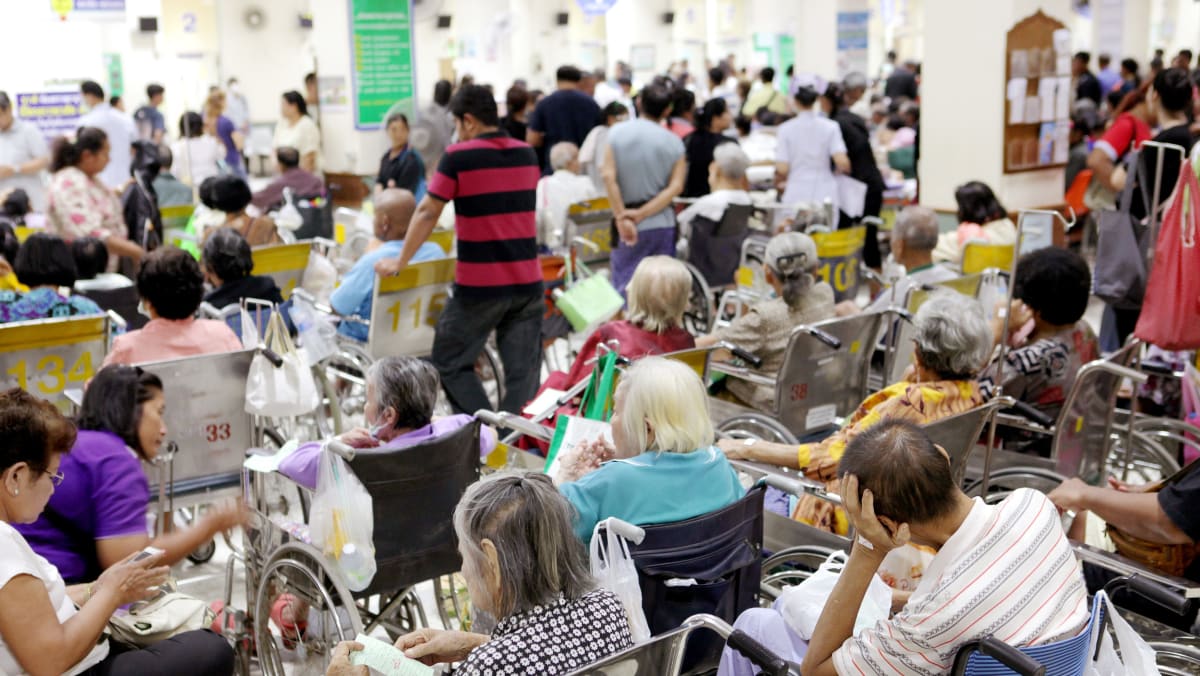
According to the latest regional data from the World Health Organization, Southeast Asia sees over 1.7 million new cancer cases annually, and the number is expected to keep rising over the next decade.
At the same time, the number of diabetes patients in the region has exceeded 90 million.
This mismatch between disease burden and treatment access makes time a critical variable in healthcare outcomes.
Approval Pace Differences and Patient Realities
Southeast Asia is not a unified pharmaceutical market.
Instead, it consists of multiple regulatory systems with different approval timelines and market access rules.
Vietnam
In Vietnam, drug regulations have been continuously revised in recent years. While regulatory transparency has improved, the approval cycle for innovative drugs can still exceed 24–36 months.
Philippines
In the Philippines, even after technical approval is completed, innovative drugs must still undergo price evaluation and health insurance access processes, delaying entry into public healthcare systems by more than a year.
Indonesia
Indonesia requires additional import licensing and sometimes encourages localized production policies, which can extend the commercialization timeline for imported innovative drugs.
Singapore
In contrast, Singapore maintains one of the most efficient drug review systems in the region, enabling faster commercialization of new therapies.
These regulatory differences create a regional time-to-market gap.
And that gap ultimately affects patients.

For example, a lung cancer patient in Malaysia may learn that a next-generation targeted therapy has already been approved in Europe and the United States.
However, local regulatory approval may still be pending.
This leaves patients with limited choices:
- previous-generation treatments
- expensive cross-border medical travel
For rare disease patients, treatment windows are often measured in months rather than years.
Any delay in approval, procurement, or cold-chain logistics may directly influence clinical decisions.
Structural Reasons Behind the Drug Launch Delay
The delay in innovative drug launches in Southeast Asia is not simply due to slow approval.
Instead, it is the result of several structural factors.
1. Differences in Regulatory Documentation Requirements
Even if a drug has already been approved in Europe or the United States, companies may still need to prepare:
- local bridging clinical data
- additional stability studies
- different regulatory document formats
This repeated preparation significantly increases the time required for registration.
2. Market Size and Commercial Priorities
Pharmaceutical companies usually prioritize markets with:
- strong purchasing power
- predictable reimbursement systems
- higher commercial return potential
As a result, emerging markets are often part of later launch waves.
3. Health Technology Assessment and Price Negotiation
In several Southeast Asian countries, drug approval is only the first step.
After approval, drugs may still require:
- Health Technology Assessment (HTA)
- national insurance price negotiation
- hospital procurement approval
This stage sometimes creates a second waiting period.
4. Cold Chain Infrastructure and Logistics Capacity
Innovative biologics and high-value medicines often require strict cold-chain management.
Limitations in:
- temperature-controlled warehousing
- import licensing procedures
- customs clearance efficiency
can delay real-world availability.
DengYueMed: Building a Collaborative Distribution Network
Under Southeast Asia’s complex regulatory landscape, improving access to innovative therapies requires more than traditional distribution capacity.
Cross-regional coordination and regulatory compliance have become critical capabilities.
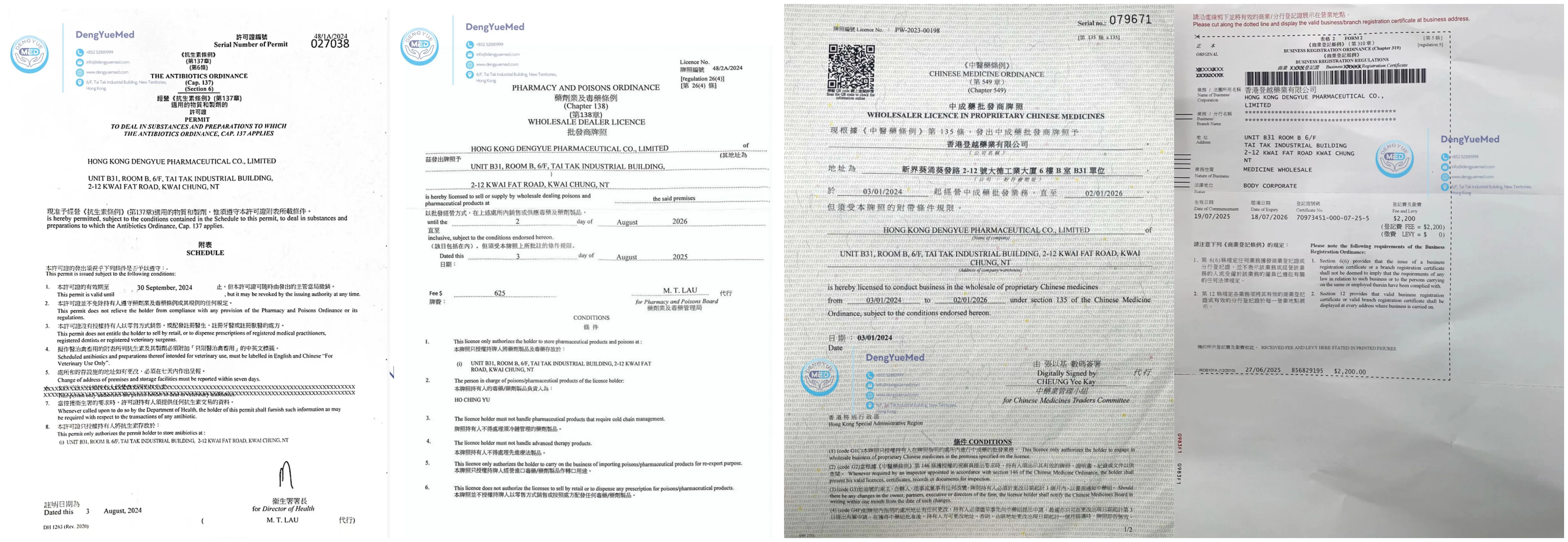
As a pharmaceutical supply chain integrator, DengYueMed focuses on improving access to innovative drugs through three strategic approaches.
1. Compliance Channel Integration
Cross-border pharmaceutical distribution often involves multiple regulatory requirements.
DengYueMed improves efficiency through:
- standardized document review systems
- drug source verification and batch traceability
- unified regulatory data management
This reduces communication delays and compliance uncertainty.
2. Regional Inventory Coordination
Demand for innovative drugs can fluctuate rapidly.
To address this challenge, DengYueMed has established:
- regional inventory coordination systems
- dynamic demand forecasting models
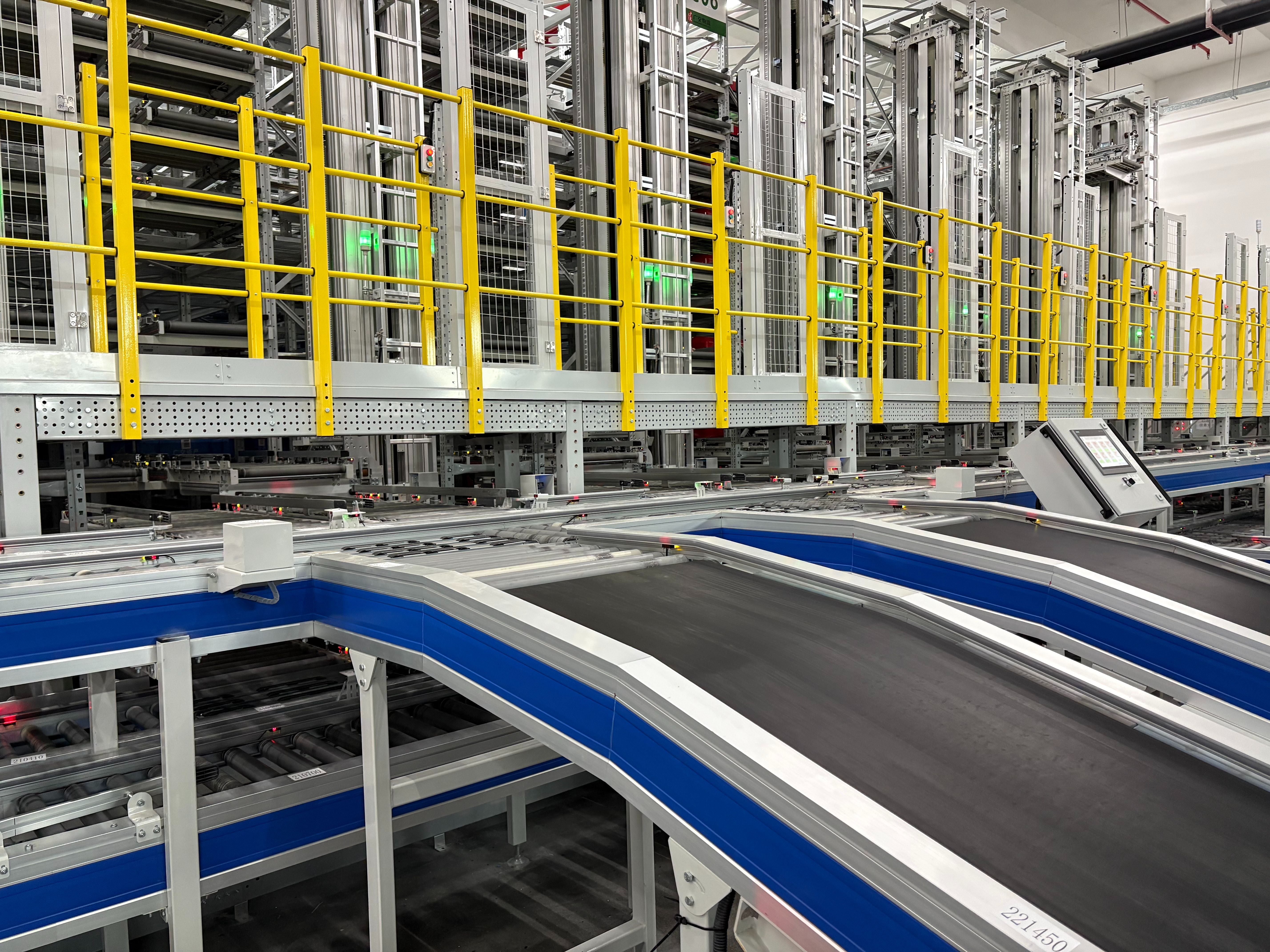
- integrated cold chain logistics resources
These measures improve supply responsiveness and reduce the risk of treatment interruptions.
3. Policy Monitoring and Process Support
Drug regulations in Southeast Asia evolve frequently.
By continuously tracking policy updates, DengYueMed helps partners understand:
- import licensing procedures
- regulatory documentation requirements
- customs clearance milestones
Reducing information gaps shortens execution timelines.
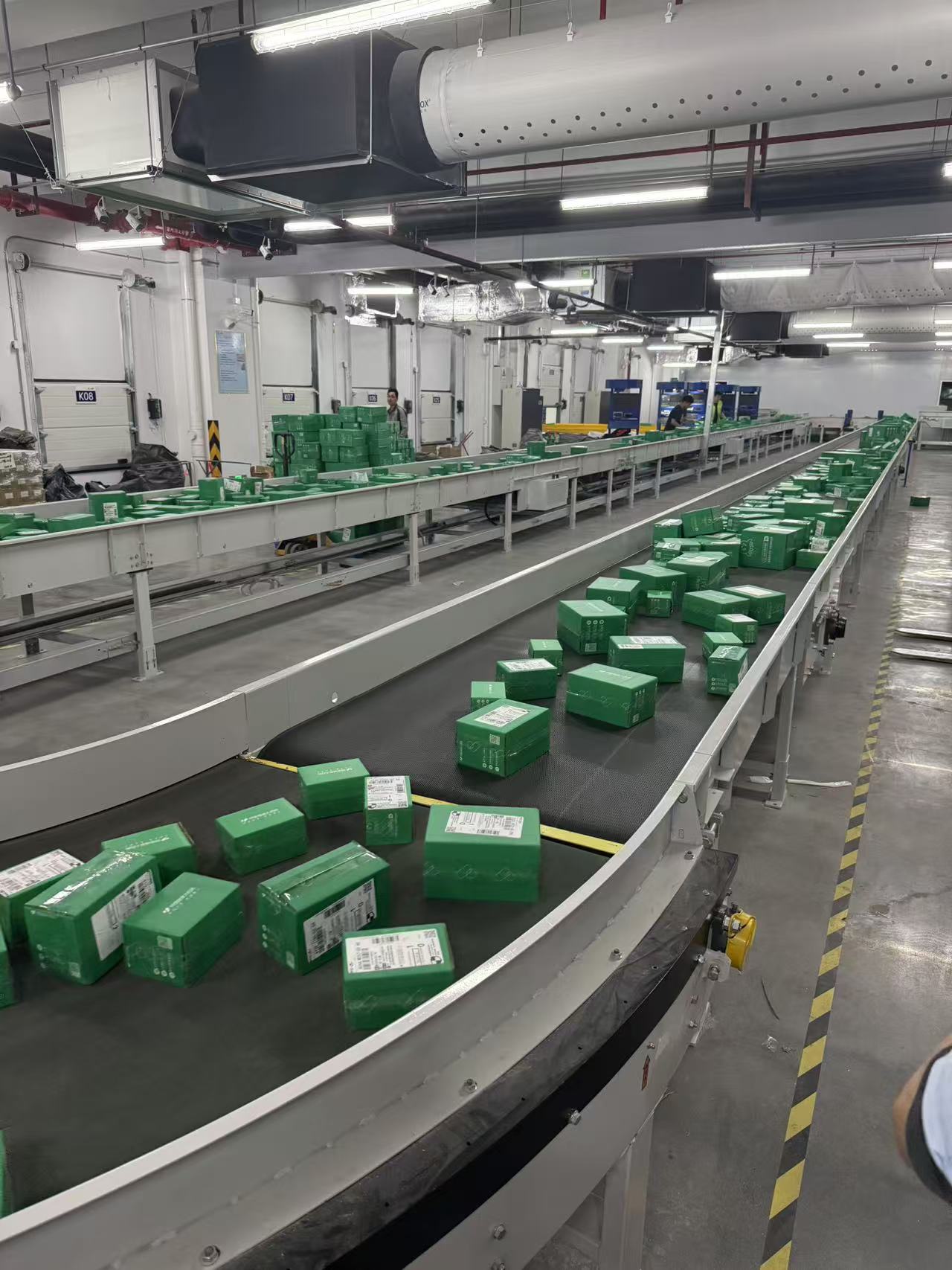
In several collaboration cases, this integrated coordination approach has significantly improved cross-border supply stability.
For healthcare institutions, this means:
- better procurement predictability
- improved treatment planning stability
Conclusion
The drug approval gap in Southeast Asia reflects the uneven pace of global medical innovation diffusion.
As regional economies grow and healthcare investment increases, demand for innovative therapies will continue to expand.
The key question is no longer whether innovative drugs will arrive, but how quickly they can become accessible to patients.
In this evolving landscape, pharmaceutical distribution networks are transforming from traditional logistics providers into connectors of regulatory coordination and cross-border supply integration.
Leveraging its compliance expertise and regional supply network, Hong Kong DengYueMed continues to strengthen its presence in Southeast Asia and support healthcare institutions with more stable access to innovative therapies.
As global pharmaceutical innovation accelerates, regional collaboration will play an increasingly important role in ensuring equitable access to life-saving medicines.