From Price to Reliability
How China Is Reshaping Global Pharmaceutical Procurement
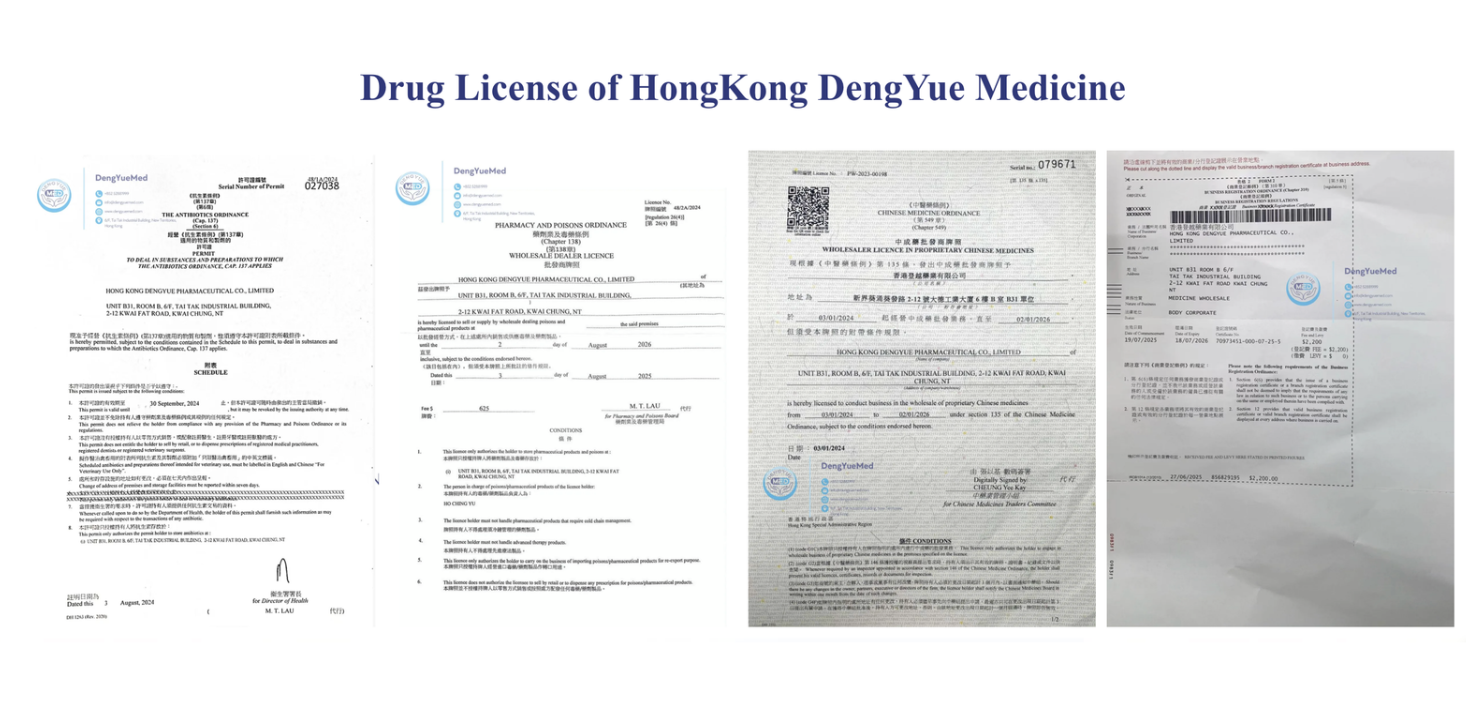
Over the past decade, the logic of pharmaceutical procurement has fundamentally changed.
There was a time when one core question dominated every discussion:
Is the price competitive?
Today, after extensive discussions with procurement leaders across multiple overseas markets, the priorities have clearly shifted. Buyers are now asking:
- Is the supply stable?
- Are the documents fully compliant?
- Is the cold chain reliable?
- Is the risk manageable?
Particularly in oncology drugs, rare disease treatments, and biologics, price is no longer the sole deciding factor.
Supply Interruption Is More Costly Than Price Increases
Industry observations indicate that in cross-border specialty pharmaceutical procurement, an estimated 10–20% of orders experience delays each year due to transportation issues, documentation inconsistencies, or supply fluctuations.
For ordinary goods, delays mean time costs.
For specialty medicines, delays mean interrupted treatment.
In the biologics sector, the risk is even higher. A supply disruption does not simply affect inventory — it affects a patient’s treatment cycle.
As one senior oncology procurement manager summarized:
“We would rather work with a stable supplier than the lowest bidder.”
This shift in mindset is one of the key reasons China’s pharmaceutical supply chain is being reassessed globally.
China’s Supply Chain Evolution: Beyond Cost Advantage
A few years ago, Chinese pharmaceutical channels were primarily associated with cost efficiency.
Today, what we are witnessing is structural upgrading.
Through long-term collaboration with procurement partners, Hong Kong DengYueMed has observed increasing focus on measurable performance indicators such as:
- On-time delivery rates consistently above 95%
- Cold chain compliance rates approaching 99%
- First-pass documentation compliance near 98%
- Over 90% continuity in supply of key specialty products
These figures matter because they directly reduce the risk of treatment interruption.
For procurement departments, this translates into:
- More predictable inventory planning
- Lower customs clearance risk
- Greater budget stability
- Reduced operational pressure on hospitals
Such metrics are rapidly becoming new partnership thresholds, while China’s pharmaceutical export structure continues to upgrade in parallel.
From Trade Intermediary to Systematic Supply Management
Specialty pharmaceuticals share several defining characteristics:
- Temperature sensitivity
- Shorter shelf life
- Strict batch traceability requirements
- Complex regulatory frameworks
Procurement teams increasingly prefer partners who understand the medical nature of these products — not merely their commercial value.
Across multiple international markets, Hong Kong DengYueMed has emphasized system capability development over short-term trading scale, including:
- Establishing standardized cold-chain monitoring protocols
- Strengthening pre-shipment documentation review mechanisms
- Enhancing regulatory response efficiency
- Building long-term supply planning frameworks
The objective is singular:
to reduce treatment risk caused by supply volatility.
Pharmaceutical Supply Is Ultimately About Responsibility
In most industries, delays are commercial issues.
In healthcare, delays can become clinical issues.
The industry is clearly transitioning:
Price competition is gradually retreating.
System capability competition is becoming central.
This transformation is reshaping not only Chinese pharmaceutical exporters but also global procurement logic itself.
The upgrading of China’s pharmaceutical supply chain has not occurred overnight. It reflects cumulative progress in:
- Manufacturing standards
- Compliance systems
- Cold-chain infrastructure
- Long-term supply commitment
When supply is stable, treatment remains stable.
When systems are mature, risk becomes controllable.
This may explain why an increasing number of global procurement professionals are re-evaluating — and prioritizing — China’s pharmaceutical channels today.