Metformin Immediate-Release, Enteric-Coated, and Extended-Release Tablets: Do They Have the Same Blood Sugar-Lowering Effect?
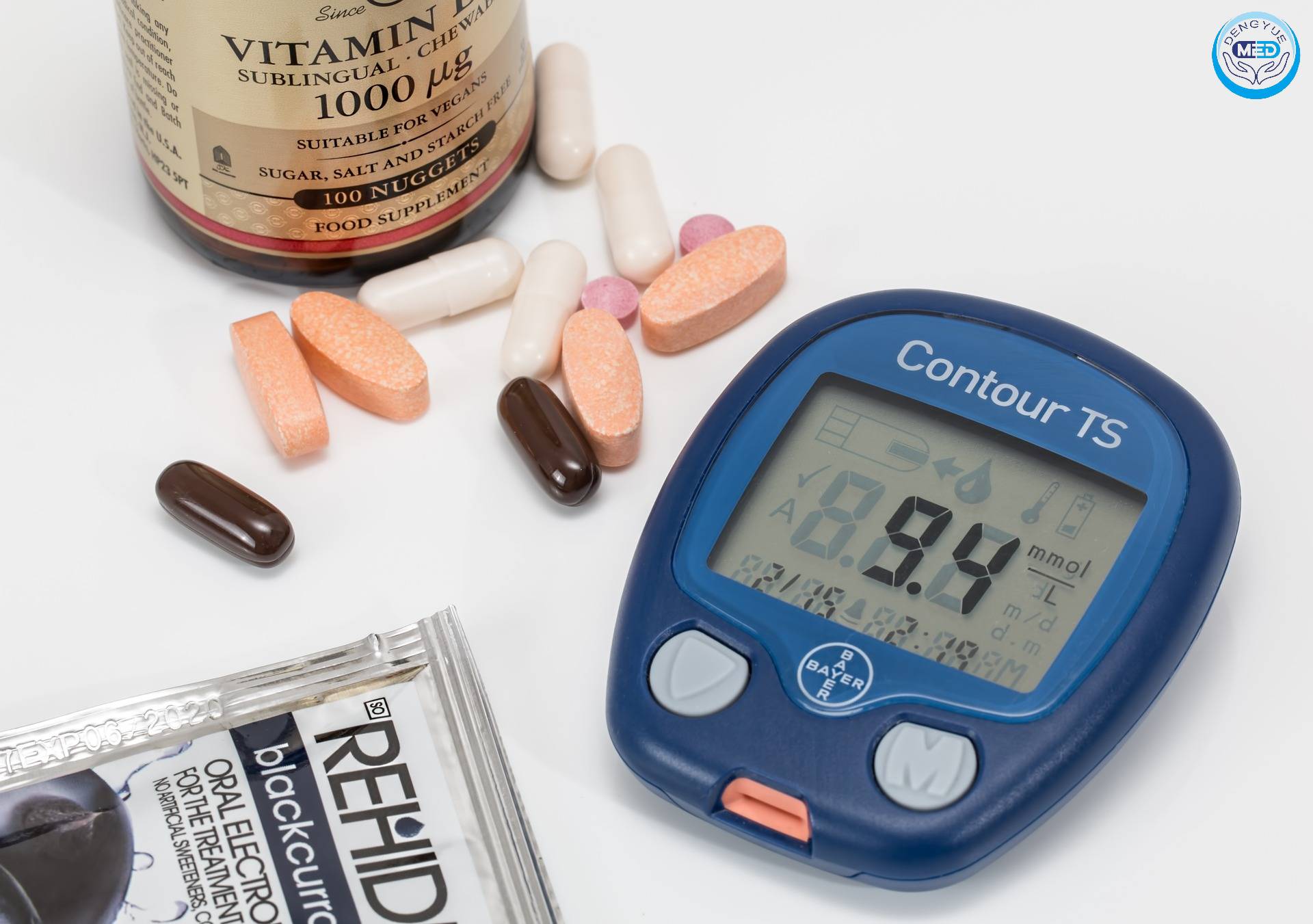
Among the medications used to treat Type 2 Diabetes, Metformin has long been regarded as a “foundation therapy.”
Many patients notice that metformin comes in different formulations, including immediate-release tablets, enteric-coated tablets, and extended-release tablets. These formulations differ not only in price, but also in how they are taken.
As a result, many patients wonder:
Do these different formulations have significantly different glucose-lowering effects? Is the extended-release version necessarily better than the regular tablet?
In fact, all of these formulations contain the same active ingredient—metformin.
The real differences mainly lie in:
- How the drug is released
- Gastrointestinal tolerability
- Convenience of use
Why Has Metformin Remained a First-Line Diabetes Medication for So Long?
Metformin is widely used because it improves insulin resistance while carrying a relatively low risk of causing hypoglycemia.
Its main effects include:
- Reducing glucose production in the liver
- Improving the body’s sensitivity to insulin
- Increasing glucose utilization in peripheral tissues
- Helping lower both fasting and postprandial blood glucose levels
Thanks to its long clinical history and relatively favorable safety profile, metformin remains one of the most important cornerstone medications in diabetes treatment worldwide.
Immediate-Release Tablets: Classic and More Affordable
Immediate-release tablets were the earliest form of metformin used clinically and are still very common today.
Their main advantages include:
- Usually lower cost
- Faster onset of action
- More flexible dose adjustment
For this reason, doctors often prescribe immediate-release tablets to patients who are starting metformin for the first time.
However, the biggest drawback of immediate-release metformin is its higher likelihood of gastrointestinal side effects.
Some patients may experience:
- Nausea
- Bloating
- Diarrhea
- Stomach discomfort
especially during the early stage of treatment.
To reduce side effects, doctors typically recommend:
- Taking the medication with meals
- Starting with a low dose
- Increasing the dosage gradually
- Avoiding taking it on an empty stomach
For people with sensitive digestive systems, it may sometimes be difficult to continue immediate-release metformin long term.
Enteric-Coated Tablets: Designed to Reduce Stomach Irritation
Enteric-coated tablets are an improved formulation based on the regular tablet.
They are covered with a special coating that prevents the drug from dissolving in the stomach. Instead, the medication is released in the intestines, which helps reduce direct irritation to the stomach lining.
Many patients with sensitive stomachs notice less nausea and stomach discomfort after switching to enteric-coated tablets.
This formulation may be more suitable for:
- Patients with gastritis
- Individuals with sensitive stomachs
- Patients with persistent gastrointestinal side effects
- People who cannot tolerate regular metformin tablets
However, it is important to understand that although enteric-coated tablets reduce stomach irritation, the active ingredient is still metformin, so the core glucose-lowering mechanism remains unchanged.
Extended-Release Tablets: More Convenient and Better Tolerated
In recent years, extended-release metformin has become an increasingly popular option for long-term blood sugar management.
“Extended-release” means that the drug is released slowly over time, helping maintain more stable blood concentrations.
Compared with immediate-release tablets, the biggest advantages of extended-release tablets are reduced gastrointestinal irritation and fewer daily doses.
Extended-release tablets generally offer:
- Fewer gastrointestinal side effects
- Reduced dosing frequency
- More stable blood sugar fluctuations
- Better long-term treatment adherence
As a result, many busy patients or those who frequently forget to take medication tend to prefer the extended-release formulation.
However, extended-release tablets also have limitations.
They are usually more expensive than regular tablets, and they should not be split, crushed, or chewed, as this may damage the extended-release mechanism.
Are the Blood Sugar-Lowering Effects Very Different?
This is one of the most common concerns among patients.
From a clinical perspective, as long as the dosages are equivalent, the core glucose-lowering effects of immediate-release, enteric-coated, and extended-release metformin are generally quite similar.
This is because they all belong to:
Metformin
The real differences mainly involve the drug release pattern, gastrointestinal tolerability, and overall medication experience.
| Comparison | Immediate-Release | Enteric-Coated | Extended-Release |
|---|---|---|---|
| Drug Release | Rapid release | Intestinal release | Slow release |
| GI Irritation | More noticeable | Milder | Mildest |
| Dosing Frequency | 2–3 times/day | 2 times/day | 1–2 times/day |
| Convenience | Moderate | Better | Best |
| Cost | Lower | Moderate | Higher |
Therefore, the question is not necessarily which formulation is “stronger,” but rather which one the patient can tolerate and continue taking consistently over the long term.
Who May Benefit More from Extended-Release Metformin?
Although extended-release tablets are becoming increasingly popular, they are not necessary for everyone.
Generally speaking, extended-release metformin may be more suitable for:
- Patients with significant gastrointestinal side effects
- Elderly patients
- Individuals requiring long-term stable therapy
- People with busy schedules
- Patients who frequently miss doses
On the other hand, immediate-release tablets may be more appropriate for patients who need flexible dose adjustments or have budget limitations.
Enteric-coated tablets are often considered a transitional option for people with sensitive stomachs.
What Should Patients Pay Attention to When Taking Metformin?
Regardless of the formulation chosen, proper use is essential.
During long-term treatment, patients should:
- Monitor kidney function regularly
- Avoid stopping or switching medications without medical advice
- Pay attention to vitamin B12 levels during prolonged use
- Seek medical attention if severe gastrointestinal symptoms occur
In addition, patients with severe kidney dysfunction, serious infections, or hypoxic conditions should use metformin cautiously under medical supervision.
Conclusion
Although immediate-release, enteric-coated, and extended-release tablets are all forms of Metformin, they differ in release mechanisms, gastrointestinal tolerability, and convenience of use.
However, their overall glucose-lowering effects are generally similar.
For people living with diabetes, the most important thing is not simply choosing the “newest” or “most expensive” formulation, but finding the option that best suits their individual needs and can be used consistently over the long term.
Stable long-term blood sugar control is the key to reducing the risk of diabetes-related complications.
DengYueMed remains committed to professional quality and delivering health value to patients.