How Pharmaceutical Distributors Respond to Transportation Requirements for Different Dosage Forms
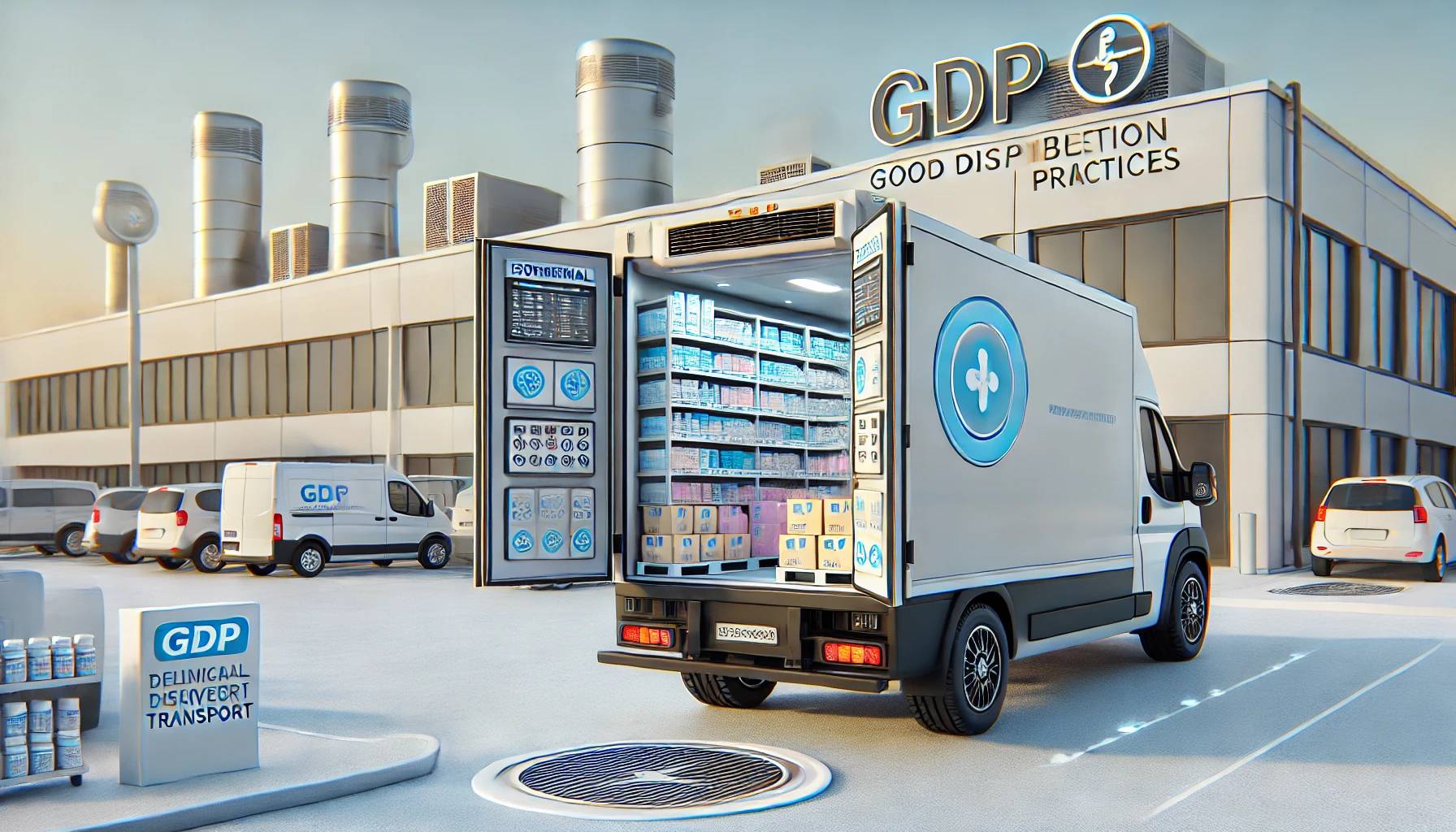
As the global pharmaceutical supply chain continues to evolve, pharmaceutical transportation is no longer just about logistics and delivery. It has become a systematic process involving temperature control, stability management, regulatory compliance, and risk control.
For global pharmaceutical distributor DengYueMed, the different transportation requirements associated with various dosage forms directly affect drug quality, safety, and ultimately the patient experience.
Especially with the rapid growth of biologics, cold-chain medicines, and innovative therapies, the role of pharmaceutical distributors is changing significantly. In the past, the industry focused primarily on whether products could be delivered on time. Today, the more critical question is whether medicines remain stable throughout the transportation process.
Why Do Different Dosage Forms Require Different Transportation Systems?
A drug’s dosage form not only determines its method of administration, but also defines how sensitive it is to external environmental conditions.
Temperature, humidity, light exposure, vibration, and even transportation duration can affect different dosage forms in completely different ways.
For example:
- Conventional tablets are generally more stable;
- Biologic drugs may be extremely sensitive to temperature fluctuations;
- Liquid formulations are more vulnerable to vibration and leakage;
- Lyophilized formulations place greater emphasis on moisture protection and packaging integrity.
As a result, modern pharmaceutical distribution can no longer rely on a single transportation model. Instead, distributors must establish differentiated logistics systems tailored to specific dosage forms.

Solid Dosage Form Transportation: The Focus Is Stability and Moisture Protection, Not Cold Chain
Tablets, capsules, and granules are among the most widely distributed pharmaceutical dosage forms globally.
Compared with injectable products, they are relatively easier to transport, but there are still many overlooked risks.
Under high-humidity conditions, some medicines may experience:
- Moisture absorption and softening;
- Abnormal disintegration;
- Capsule adhesion;
- Degradation of active ingredients.
Particularly in Southeast Asia, coastal regions, or during long-duration sea freight, humidity often poses a greater threat to solid dosage form stability than temperature itself.
In addition, high temperatures may accelerate oxidation reactions or cause coating deformation.
Therefore, although many pharmaceutical distributors do not establish full cold-chain systems for standard oral medications, they still implement moisture-resistant packaging, desiccant control, and temperature-humidity monitoring systems.
These measures may appear basic, but they are extremely important for long-distance international transportation.
Injectable Drug Transportation: Cold Chain Management Becomes a Core Capability
Compared with solid dosage forms, injectable drugs are far more sensitive to transportation conditions.
Vaccines, insulin, monoclonal antibodies, and protein-based therapeutics often require strict 2–8°C cold-chain transportation.
The greatest risk for these products is temperature fluctuation. Once the cold chain is interrupted, it may lead to:
- Protein denaturation;
- Reduced biological activity;
- Increased aggregation reactions;
- Changes in immunogenicity.
Many of these changes cannot be detected visually. Even if a product appears normal, it may already have lost efficacy.
As a result, pharmaceutical distributors are placing increasing emphasis on end-to-end temperature management systems, including real-time monitoring, deviation alerts, and transportation data tracking.
Many high-value medicines are even transported with independent data loggers for later quality traceability.
At the same time, cold-chain transportation is not simply about maintaining low temperatures.
In reality, many transportation failures occur during airport handling, customs clearance, or last-mile delivery. Therefore, distributors must also establish backup cold-chain solutions and emergency response mechanisms.
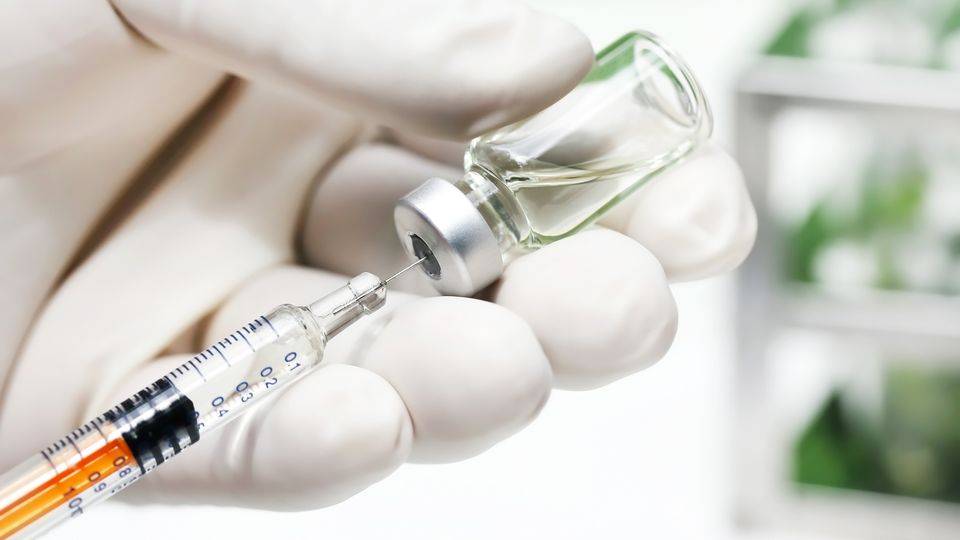
Biologic Transportation: Products Are Sensitive Not Only to Heat, but Also to Freezing
Many people assume that biologic drugs are safer at lower temperatures, but this is not always true.
Certain monoclonal antibodies, protein therapeutics, and cell-related products may experience structural damage if exposed to temperatures below their specified range.
For example, ice crystal formation during freezing can trigger protein aggregation or formulation separation, ultimately affecting therapeutic efficacy.
As a result, more pharmaceutical companies are emphasizing “precise temperature control” rather than simply maintaining ultra-low temperatures.
Modern biologics logistics increasingly focuses on:
- Temperature fluctuation ranges;
- Freeze-risk prevention;
- Multi-layer insulation systems;
- Full-process data traceability.
This is one of the reasons why biologic transportation has become one of the most technically demanding areas within global pharmaceutical distribution.

Transportation Differences Between Lyophilized and Liquid Formulations
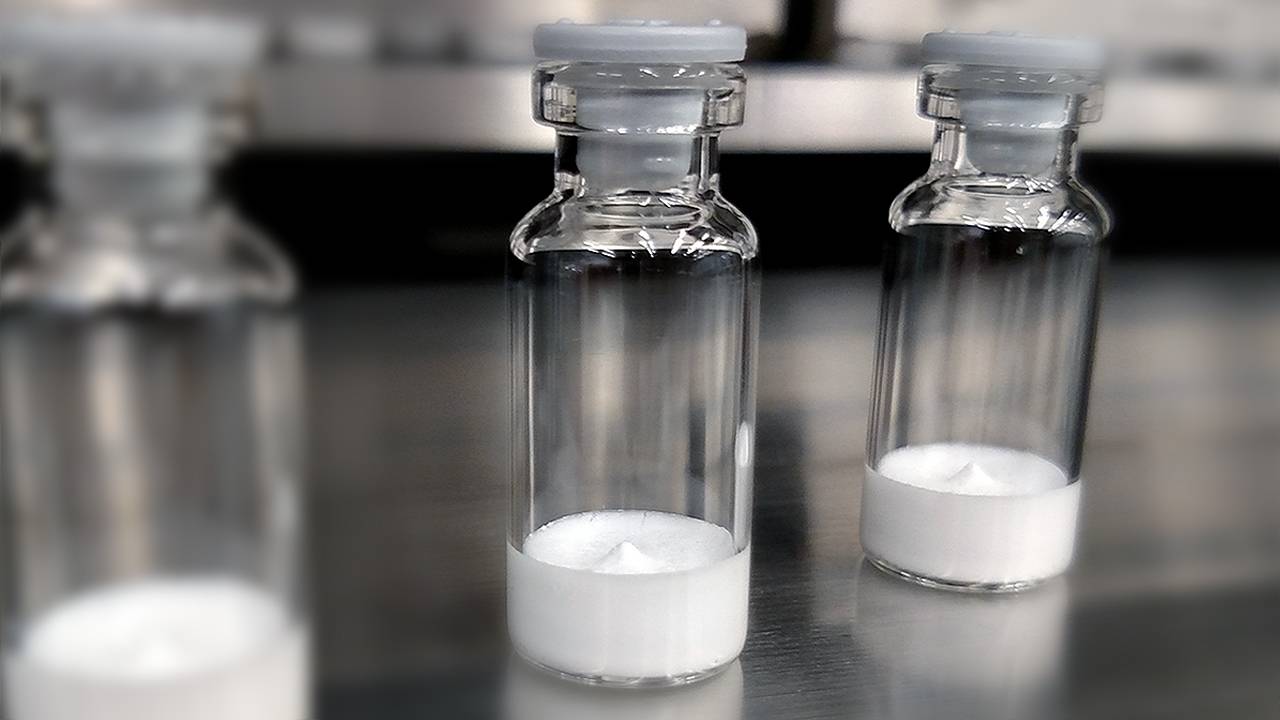
Lyophilized powder injections are generally more stable than liquid injectables because moisture has been removed during manufacturing. Therefore, they are widely used in oncology drugs and high-value biologics.
However, higher stability does not mean lower transportation requirements.
Lyophilized drugs must still avoid:
- Humid environments;
- Prolonged high temperatures;
- Severe mechanical vibration;
- Packaging seal failure.
During international transportation, vial breakage, stopper loosening, and vacuum failure are all common risks.
By comparison, syrups, ophthalmic solutions, and oral liquid formulations are more vulnerable to leakage and contamination.
Changes in air pressure and continuous vibration during long-distance transportation may compromise packaging integrity, which is why liquid formulations often require reinforced secondary packaging and shock-resistant structural design.
Innovative Dosage Forms Are Reshaping Global Pharmaceutical Logistics
In recent years, mRNA drugs, liposomal formulations, cell therapies, and gene therapies have continued to emerge, driving major upgrades in pharmaceutical logistics systems worldwide.
Some cell therapy products, for example, require:
- Ultra-low temperature transportation;
- Extremely short delivery windows;
- Full identity traceability;
- Real-time temperature monitoring.
This means pharmaceutical distributors must possess not only logistics capabilities, but also expertise in data management, risk control, and global coordination.
In reality, future competition within high-end pharmaceutical supply chains will not simply depend on who can deliver faster, but on who can maintain drug stability and activity more reliably throughout transportation.
For a deeper understanding of transportation standards and logistics differences across dosage forms, readers can also explore the article Pharmaceutical Transportation Requirements by Dosage Forms — A Pharmaceutical Distributor Perspective, which examines modern pharmaceutical transportation systems from a dosage-form perspective.
From “Drug Delivery” to “Drug Stability Management”
As innovative medicines continue to grow globally, the pharmaceutical distribution industry is undergoing a fundamental transformation.
Modern distributors need more than warehousing and transportation capabilities. They must also understand the relationship between drug stability, dosage form structure, and international regulatory requirements.
In the future, truly competitive pharmaceutical distribution systems will increasingly rely on:
- Precise temperature-control capabilities;
- Experience in biologics transportation;
- Global cold-chain networks;
- Real-time data tracking;
- Risk warning and response systems.
For global pharmaceutical distributor DengYueMed, continuously focusing on the transportation requirements and stability management of different dosage forms is becoming an increasingly important part of its global pharmaceutical supply chain strategy.
Related Posts
- Mirdametinib vs Selumetinib: Which MEK Inhibitor Is Better for Neurofibromatosis Type 1 (NF1)?
- From Frequent Management to Long-Acting Treatment: How Plozasiran's Three-Month Dosing Is Changing FCS Care
- China's First Generic Tiotropium Bromide and Olodaterol Inhalation Spray Approved: Ending an 8-Year Market Exclusivity and Bringing New Options for COPD Treatment