Counterfeit Cancer Drugs, Weight-Loss Medications, and ED Pills: The Growing Global Threat to Patient Safety
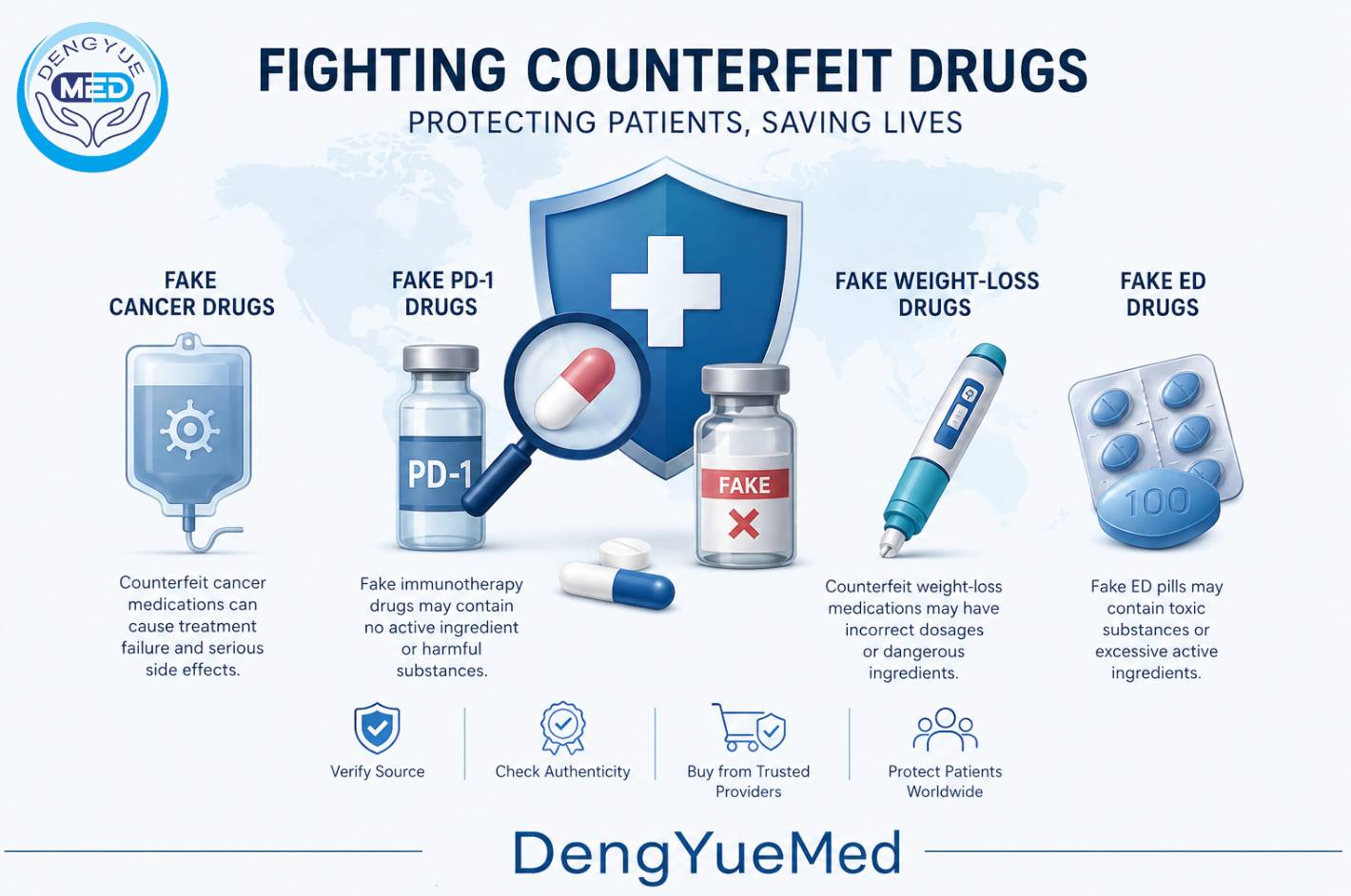
The global pharmaceutical industry has achieved remarkable breakthroughs over the last decade. From targeted oncology therapies and immunotherapies to next-generation weight-loss drugs, patients today have more treatment options than ever before.
However, alongside this progress, another market has grown rapidly: counterfeit medicines.
Fake medications are no longer limited to lifestyle products or unregulated supplements. Today, counterfeit versions of high-value medicines—including cancer drugs, immunotherapies, obesity treatments, and erectile dysfunction medications—have been identified across multiple countries, creating significant risks for patients worldwide.
For patients already fighting serious diseases such as cancer, receiving a counterfeit medication may mean more than treatment failure—it may cost lives.
A Real Case: Fake Avastin and Patient Harm
One of China’s most notable counterfeit drug incidents occurred in 2010.
At Shanghai No.1 Hospital, 61 out of 116 patients receiving injections believed to be Avastin (Bevacizumab) developed serious adverse reactions, including:
- Eye pain
- Redness
- Blurred vision
- Inflammation
Following investigation, authorities determined the product administered was not genuine Avastin, but a counterfeit medicine.
The case generated national attention and highlighted a critical reality:
Counterfeit drugs are not simply ineffective copies. Their ingredients may be completely unknown, contaminated, incorrectly dosed, or absent altogether.
The consequences can be severe.
What Exactly Is a Counterfeit Drug?
According to the World Health Organization (WHO), counterfeit medicines are pharmaceutical products deliberately misrepresented regarding:
- Identity
- Composition
- Source
- Authenticity
- Effectiveness
Counterfeit drugs may contain:
- No active ingredient
- Wrong active ingredients
- Too little active ingredient
- Excessive active ingredient
- Toxic contaminants
- Fraudulent packaging
Some counterfeit products are visually almost indistinguishable from authentic medicines.
Patients may not recognize the difference until treatment fails—or harmful side effects appear.
Why Cancer Drugs Have Become Major Targets
Modern oncology medicines are among the world’s most expensive pharmaceutical products.
High-value drugs create attractive opportunities for counterfeit networks.
Counterfeit PD-1 Immunotherapy Drugs
PD-1 inhibitors have transformed cancer treatment worldwide and are used across:
- Lung cancer
- Melanoma
- Gastric cancer
- Liver cancer
- Multiple other tumors
Popular PD-1 therapies include:
- Pembrolizumab
- Nivolumab
- Toripalimab
Because these therapies often cost thousands of dollars per treatment cycle, counterfeit versions have appeared through unauthorized channels and illegal distributors.
Potential risks include:
- Complete absence of therapeutic ingredients
- Reduced efficacy
- Severe immune reactions
- Delayed cancer treatment
For oncology patients, even a few weeks of ineffective treatment can significantly alter outcomes.
The Rise of Counterfeit Weight-Loss Drugs
The explosive demand for obesity medications has also created fertile ground for counterfeit products.
Popular weight-loss treatments frequently targeted include:
- Semaglutide
- Tirzepatide
Counterfeit versions sold online may contain:
- Unknown peptides
- Incorrect dosages
- Unapproved ingredients
- Steroid additives
- Contaminants
Reported risks include:
- Severe nausea
- Hypoglycemia
- Gastrointestinal injury
- Unexpected toxicity
As social media demand grows, counterfeit sellers increasingly exploit patients searching for lower prices.
Fake ED Medications Remain One of the Largest Global Categories
Erectile dysfunction drugs have historically represented one of the most frequently counterfeited pharmaceutical classes.
Common targets include:
- Sildenafil
- Tadalafil
Counterfeit ED products may include:
- Excessively high active ingredient concentrations
- Hidden ingredients
- Industrial contaminants
- Dangerous combinations with cardiovascular drugs
Some investigations have identified products containing several times the approved dosage.
Why Counterfeit Drugs Continue to Expand
Several factors contribute to the growth of counterfeit medicine markets.
1. High Drug Prices
Serious diseases often require expensive long-term therapies.
Patients naturally seek more affordable alternatives.
2. Unregulated Online Channels
Many counterfeit products are distributed through:
- Unverified websites
- Social media sellers
- Informal marketplaces
- Unauthorized cross-border channels
3. Weak Supply Chain Oversight
Regions with developing regulatory systems may face greater challenges in:
- Drug tracking
- Product verification
- Enforcement actions
4. Extremely High Financial Incentives
Counterfeit medicines can generate substantial profits with relatively low manufacturing costs.
How Patients Can Protect Themselves
Patients can reduce risk through several practical measures.
Only obtain medicines from:
- Licensed pharmacies
- Hospitals
- Authorized distributors
- Verified healthcare providers
Watch for warning signs such as:
- Prices significantly lower than market expectations
- Packaging inconsistencies
- Missing safety labels
- Unusual product appearance
- Suspicious online sellers
Do not assume lower price equals better access.
If a medicine appears dramatically cheaper than expected, caution is warranted.
DengYueMed’s Commitment to Drug Safety and Patient Protection
As international patient access to innovative therapies continues expanding, maintaining drug authenticity is increasingly important.
At DengYueMed, patient safety extends beyond medicine sourcing.
DengYueMed supports global efforts against counterfeit medicines through:
- Working with qualified and verified pharmaceutical supply channels
- Maintaining transparent sourcing processes
- Supporting product authenticity verification
- Promoting patient education regarding medication safety
- Encouraging responsible access to innovative therapies
For patients seeking complex oncology treatments, targeted therapies, or specialty medicines, trust in the supply chain can be just as important as trust in the medicine itself.
Scientific innovation saves lives.
Ensuring that patients receive authentic medicines helps ensure those innovations can truly deliver their intended benefits.
Related Posts
- The 30-Year Chemotherapy Standard Faces a New Challenge: China's PD-1 Serplulimab Breaks New Ground in Gastric Cancer Treatment
- Current Status of Immunotherapy for Bladder Cancer: From BCG to Precision Combination Therapy
- Which Pancreatic Cancer Patients May Benefit from Immunotherapy? An Analysis of Biomarkers and Treatment Options