A Guide to Pharmacies in China: What Medicines Can Foreign Visitors Find?
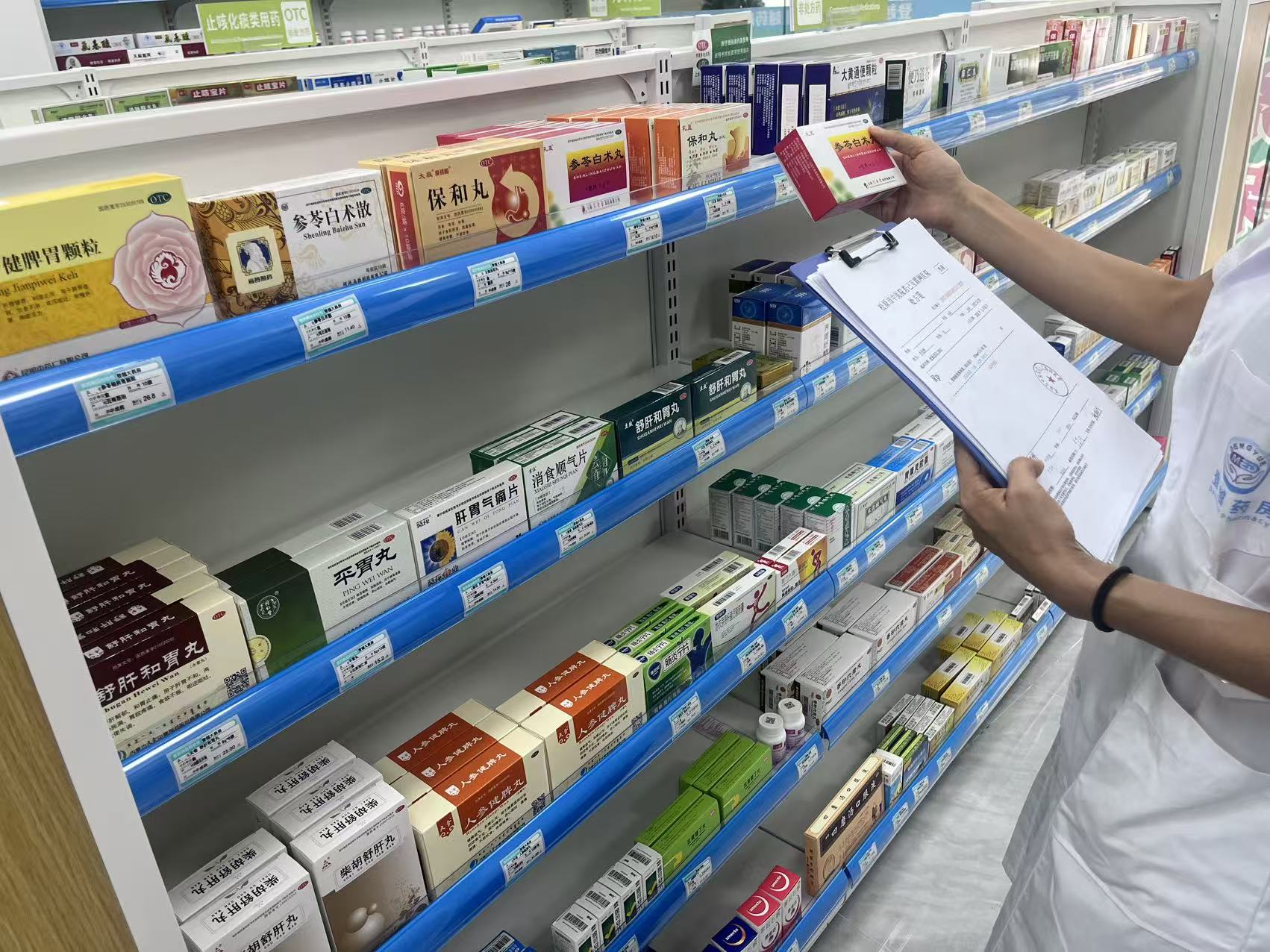
For foreign tourists, international customers, and people visiting or living in China, understanding Chinese pharmacies is an important step toward navigating local healthcare services. Whether you are looking for cold medicines, fever reducers, or everyday healthcare products such as adhesive bandages and thermometers, Chinese pharmacies offer a wide range of options.
Chinese pharmacies carry a variety of products, including conventional Western medicines, traditional Chinese patent medicines, certain medications for chronic conditions, and healthcare supplies. The product range, business scope, and services vary from one pharmacy to another, and some medicines can only be purchased with a prescription.
This article introduces the common types of pharmacies in China, the main categories of medicines they offer, selected healthcare products, and basic purchasing considerations. It aims to help international readers understand what they may find in Chinese pharmacies and how to obtain information about the medicines they need.
What Are the Common Types of Pharmacies in China?
Common types of pharmacies in China include community pharmacies, chain pharmacies, and hospital pharmacies.
Community pharmacies and chain pharmacies generally serve individual consumers. Their products commonly include over-the-counter (OTC) medicines, traditional Chinese patent medicines, certain prescription medicines, and everyday healthcare supplies. Some locations also offer pharmacist consultations to help customers understand the uses, directions, and precautions associated with medicines.
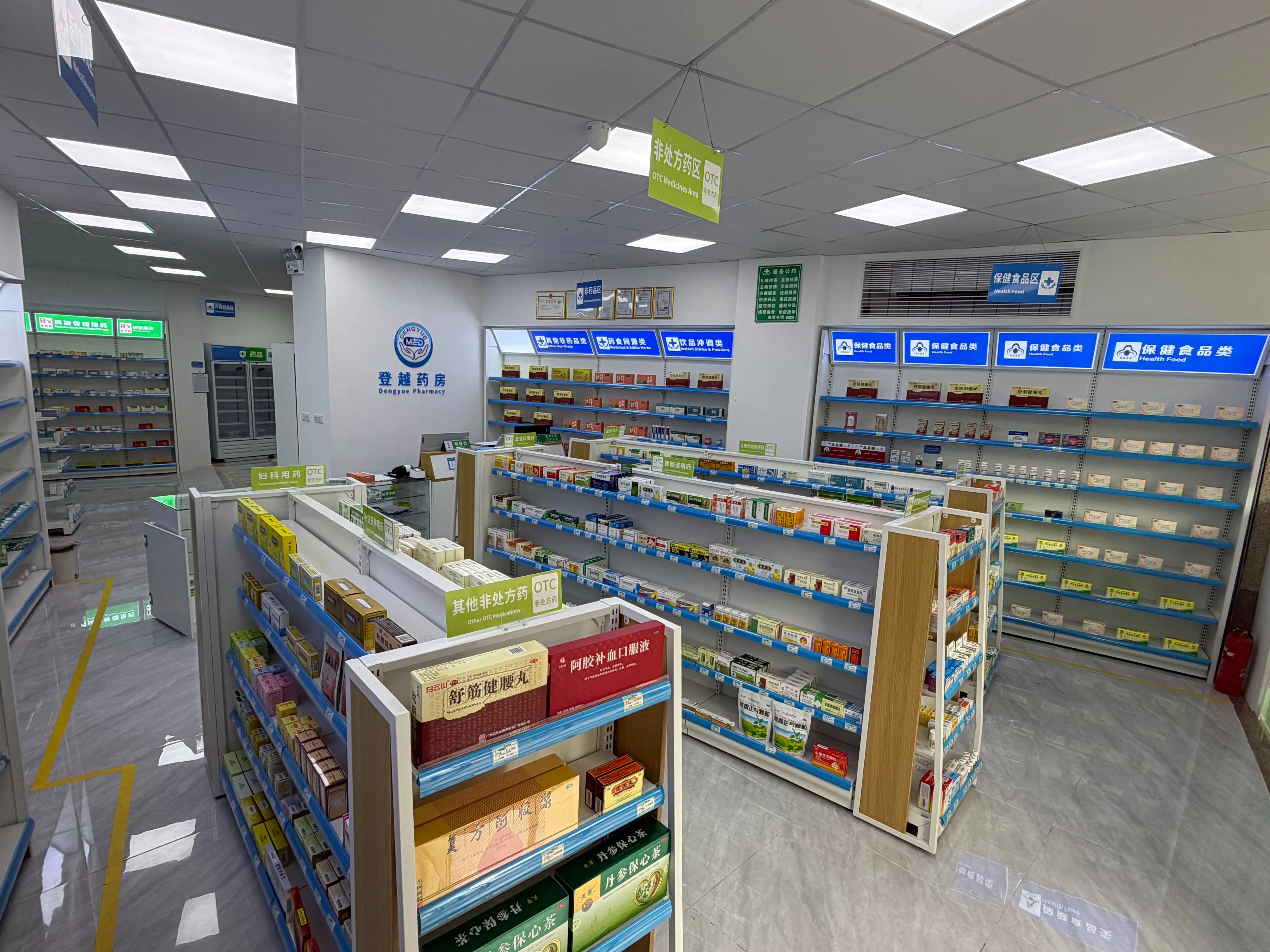
Hospital pharmacies primarily support medical diagnosis and treatment within hospitals. Their medication supply is closely related to physicians’ prescriptions, the hospital’s scope of medical services, and applicable management regulations. Certain specialty medicines or treatments may need to be obtained through hospitals or other authorized professional channels.
In addition, China has companies that provide pharmaceutical procurement, wholesale, and supply chain services to healthcare institutions, pharmacies, and other qualified buyers. These services differ from retail pharmacies that sell products directly to individual consumers.
What Medicines Are Commonly Available in Chinese Pharmacies?
Medicines available in Chinese pharmacies can be understood by their intended uses and categories. The following are several common categories worth knowing about for foreign visitors and customers.
1. Fever Reducers and Pain Relievers
Common active ingredients include paracetamol (acetaminophen) and ibuprofen, which are used to reduce fever and relieve certain types of pain. Products may differ in dosage forms, strengths, and usage restrictions.
When purchasing these medicines, check whether combination cold remedies contain the same active ingredients to avoid duplicate dosing. Always follow the product instructions or professional advice.
2. Cold Medicines and Antihistamines
Chinese pharmacies may offer medicines intended to relieve cold symptoms such as nasal congestion, a runny nose, and coughing. Common antihistamine ingredients include loratadine and cetirizine, which are often used to relieve certain symptoms of allergic rhinitis and other allergic reactions.
Different medicines have different approved uses, and some may cause drowsiness. If symptoms are severe or you experience difficulty breathing, seek medical attention promptly.
3. Gastrointestinal Medicines
Common gastrointestinal products include antacids, oral rehydration salts, and certain antidiarrheal medicines. These products serve different purposes. For example, oral rehydration salts help replace fluids and electrolytes lost through diarrhea and similar conditions.
If you experience severe abdominal pain, bloody stools, a high fever, or signs of dehydration, seek medical care rather than relying solely on self-selected medicines.
4. Traditional Chinese Patent Medicines
Traditional Chinese patent medicines are a distinctive category found in Chinese pharmacies. Common dosage forms include tablets, capsules, granules, and oral liquids.
For international customers, these medicines can also offer insight into Chinese medical culture. However, the ingredients, approved uses, and precautions vary by product. Read the product information before use and consult a doctor or pharmacist when necessary.
5. Medicines for Chronic Conditions and Specialty Treatments
The Chinese pharmaceutical market also includes medicines for high blood pressure, elevated cholesterol, diabetes, and certain specialty conditions. Not every retail pharmacy stocks these products, and some require a prescription or must be obtained through authorized channels.
Customers who take long-term medication should confirm the medicine’s name, strength, and availability in advance. Do not stop taking or switch medicines without appropriate professional advice.
What Healthcare Supplies Can You Find in Chinese Pharmacies?
In addition to medicines, some Chinese pharmacies offer a variety of everyday healthcare supplies for basic care and health management.
Common products include:
- Wound care supplies: Adhesive bandages, sterile gauze, and medical adhesive tape.
- Temperature management products: Thermometers and medical cooling patches.
- Personal care products: Face masks, certain disinfectants, and saline nasal sprays.
The intended uses and regulatory classifications of these products may differ. For example, medical cooling patches provide a cooling sensation through localized physical cooling. They do not replace necessary fever treatment or medical assessment.
The products available at a particular pharmacy may vary depending on its size, business scope, and local demand.
How Can Foreign Visitors Buy Medicines at Chinese Pharmacies?
Understanding basic medicine information and purchasing requirements is important when buying medicines in China.
- Check the medicine details. Confirm the generic name, active ingredients, strength, intended use, and expiration date. Some OTC medicines in China carry an “OTC” label, but packaging color alone should never be used to determine a medicine’s intended use or safety.
- Understand prescription requirements. Prescription medicines must be obtained in accordance with applicable regulations. A medicine that can be purchased without a prescription in another country may be subject to different purchasing requirements in China.
- Ask a pharmacist if you are unfamiliar with Chinese medicine names. You can show the original medicine packaging or provide the exact generic name. Explain your needs, any known allergies, and any other medicines you are currently taking.
- Check the rules for taking medicines abroad. If you plan to take medicines out of China, check the destination country’s or region’s requirements for carrying medicines, prescription documentation, and customs declarations in advance.
Conclusion
Understanding the types of pharmacies, common medicines, and healthcare supplies available in China can help foreign visitors prepare for everyday health needs during their stay. When purchasing medicines, pay attention to active ingredients, product instructions, and prescription requirements. If you are unsure about a medicine, consult a pharmacist or doctor.
If you are unable to visit a physical pharmacy, you can also visit dengyuerx.com to explore relevant products and pharmaceutical supply services. Regardless of the channel you use to obtain medicines, make sure to comply with the applicable regulations in China and your destination country, and use medicines in accordance with professional medical advice.