China Pharmaceutical Supplier DengYueMed — A Guide to OTC, Prescription and Specialty Medicines

As the global pharmaceutical supply chain continues to evolve, Chinese medicines and related supply chain services are attracting growing interest from overseas pharmaceutical wholesalers, distributors and healthcare institutions.
Founded in 2019 and headquartered in Hong Kong, DengYueMed is a pharmaceutical import, export and wholesale company holding relevant pharmaceutical business licences issued by the Department of Health of the Hong Kong Special Administrative Region.
The company is committed to connecting pharmaceutical supply resources in China with global partners, providing pharmaceutical supply, channel coordination and cross-border supply chain support to pharmaceutical wholesalers, distributors, pharmacies and other healthcare-related institutions.
This article explores the main product categories offered by Chinese pharmaceutical suppliers, key therapeutic areas, and DengYueMed’s capabilities in pharmaceutical supply and international distribution.
1. What Types of Medicines Do Chinese Pharmaceutical Suppliers Offer?
Common categories include over-the-counter (OTC) medicines, prescription medicines, biological products, generic medicines, branded medicines and innovative drugs.
1.1 OTC Medicines

Over-the-counter (OTC) medicines are products that can be purchased and used without a prescription in accordance with applicable regulatory requirements.
Common categories include:
- Cold and related symptom relief medicines
- Antipyretic and analgesic medicines
- Gastrointestinal medicines
- Certain topical dermatological medicines
- Selected vitamin and mineral preparations
OTC medicines are widely used in retail pharmacy settings and everyday healthcare.
1.2 Prescription Medicines
Prescription medicines generally require a prescription issued by a qualified healthcare professional in accordance with local regulations and must be dispensed or used in line with applicable requirements.
They cover a wide range of therapeutic areas, including:
- Cardiovascular and metabolic diseases
- Anti-infective medicines
- Neurological disorders
- Endocrine disorders
- Oncology and hematological diseases
Prescription medicine supply involves more than product sourcing. It also requires attention to product qualifications, product documentation, batch information and cross-border distribution requirements.
1.3 Biological Products and Biosimilars
Biological products are manufactured using living organisms, cells or related biotechnological processes and include a range of complex therapeutic products. Biosimilars are biological products that are highly similar to an already approved reference biologic and meet applicable regulatory requirements.
Common product types include:
- Monoclonal antibodies and other therapeutic proteins
- Certain immunotherapy medicines
- Insulin and related biological products
- Other therapeutic biologics
Compared with many conventional chemical medicines, certain biological products have more specific requirements for storage temperatures, transportation conditions and temperature records.
1.4 Generic, Branded and Innovative Medicines
In addition to prescription status and technology type, medicines can also be classified according to their development background and market positioning.
- Generic medicines: Generally developed with reference to an approved reference medicine and required to meet applicable quality and bioequivalence standards.
- Originator and branded medicines: Include originator products as well as medicines marketed under a brand name. A branded medicine is not necessarily an originator medicine.
- Innovative drugs: Include medicines developed using new active ingredients, mechanisms of action or other innovative technologies. Their classification depends on the relevant regulatory framework.
As China’s pharmaceutical research and development and manufacturing capabilities continue to advance, its pharmaceutical market offers international partners a range of products and supply channel options.
2. Which Therapeutic Areas Do Chinese Pharmaceutical Suppliers Cover?

Different therapeutic areas have distinct product characteristics, storage and transportation requirements, and supply arrangements. Oncology, chronic diseases and rare diseases are particularly important areas to consider.
2.1 Oncology and Hematology Medicines
Oncology and hematology are important areas within specialty medicine supply. Relevant medicines include:
- Chemotherapy medicines: Cytotoxic drugs used to treat different types of cancer.
- Targeted therapies: Medicines that act on specific molecular targets or signalling pathways.
- Immunotherapies: Including certain immune checkpoint inhibitors and other immunotherapeutic products.
- Hematology medicines: Treatments for certain hematological malignancies and other blood disorders.
China’s innovative drug development has continued to advance in recent years, with new therapeutic products emerging in oncology and hematology.
2.2 Medicines for Chronic Diseases
Medicines for chronic diseases cover long-term treatment areas such as cardiovascular diseases, diabetes and other metabolic disorders. Product forms include conventional oral formulations, injections and certain biological products.
Supply planning for these medicines generally takes into account product specifications, batch and expiry management, storage requirements and subsequent replenishment arrangements.
2.3 Rare Disease and Other Specialty Medicines
Rare disease medicines and other specialty medicines typically target specific conditions or patient populations. Some products involve complex manufacturing processes, special storage and transportation conditions, and more detailed product traceability requirements.
When sourcing these medicines, international buyers need to understand not only product supply information but also supply channels, relevant quality documentation and the import and distribution requirements of the destination market.
Partners with pharmaceutical supply resources and cross-border coordination experience can support product information exchange, supply channel coordination and logistics arrangements.
3. DengYueMed’s Pharmaceutical Supply Strengths and Services
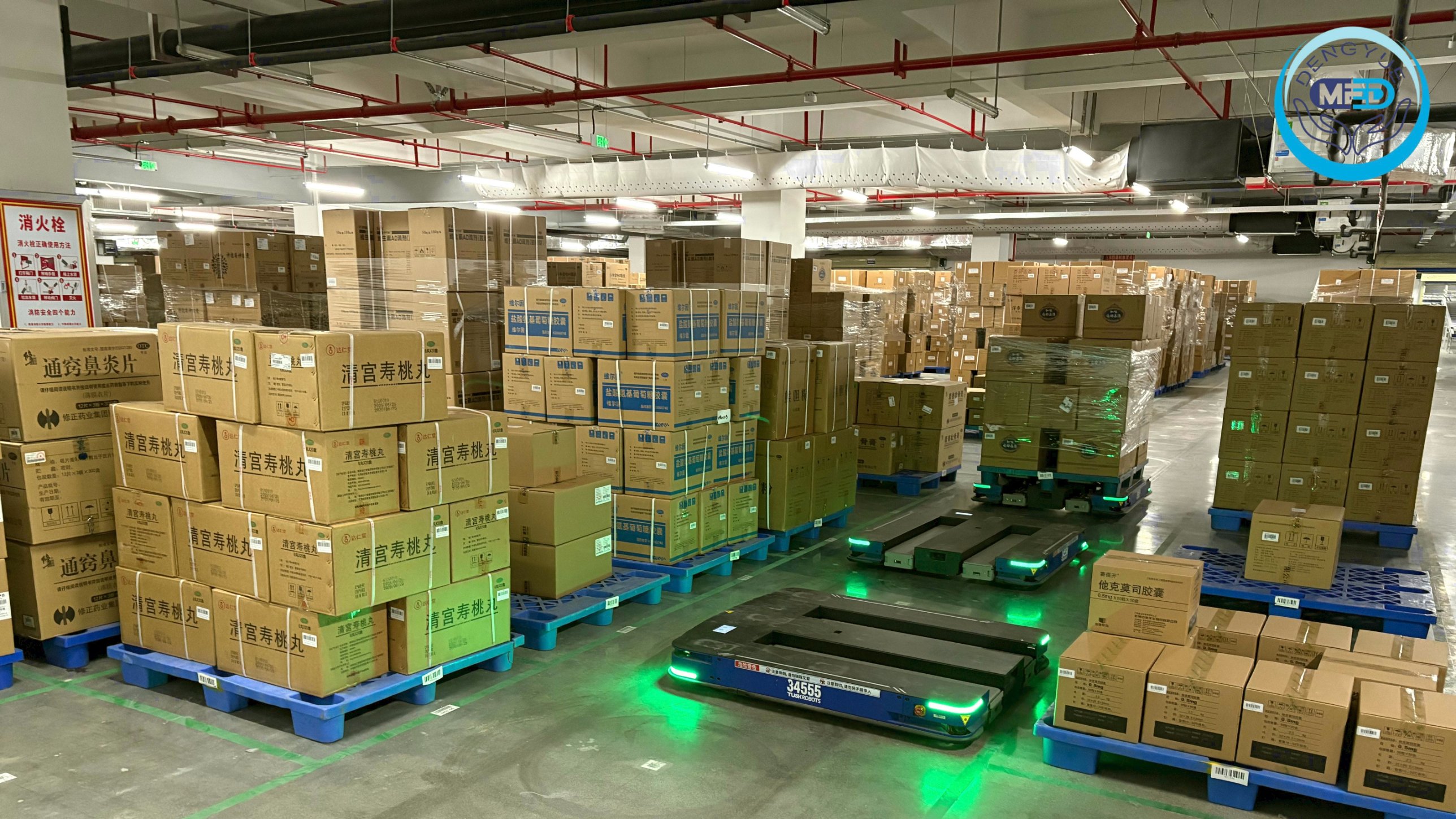
DengYue Medicine leverages its Hong Kong business base and pharmaceutical import, export and wholesale business qualifications to support pharmaceutical supply and distribution.
The company serves domestic and international pharmaceutical wholesalers, distributors, pharmacies and other healthcare-related institutions, with a focus on integrating pharmaceutical supply resources and connecting upstream suppliers with downstream markets.
3.1 Relevant Pharmaceutical Business Licences
DengYueMed holds relevant pharmaceutical import, export and wholesale business licences issued by the Department of Health of the Hong Kong Special Administrative Region, providing a regulatory foundation for its pharmaceutical supply and distribution activities.
In its business operations, the company places importance on communicating and verifying supplier qualifications, product information and relevant documentation. This helps partners understand product details and supply procedures and facilitates subsequent business coordination.
3.2 A Range of Medicine Categories and Key Therapeutic Areas
DengYueMed’s business covers various pharmaceutical supply needs, including prescription medicines, OTC medicines, generic medicines and branded medicines, as well as medicines related to oncology, rare diseases and chronic conditions.
Through pharmaceutical supply channel coordination, the company provides product supply support to different types of healthcare partners, helping them discuss and coordinate requirements around target products, procurement needs and market priorities.
3.3 Connecting Pharmacy Resources with Pharmaceutical Supply Channels
Effective pharmaceutical supply depends on coordination between upstream product sources and downstream pharmaceutical channels.
Leveraging the resources of DengYueRX, its pharmacy platform, DengYueMed can coordinate pharmaceutical supply channels according to specific cooperation needs, providing relevant business support to pharmaceutical wholesalers, distributors, pharmacies and other healthcare-related institutions.
This channel coordination approach focuses not only on product information but also on communication efficiency throughout the cooperation process, helping partners gain a clearer understanding of supply arrangements and subsequent collaboration.
3.4 Supporting Ongoing Supply and Procurement Coordination
For partners with long-term requirements, pharmaceutical supply involves more than individual procurement transactions. It also includes product availability, batch and expiry information, replenishment planning and delivery arrangements.
DengYueMed coordinates supplier communication, product documentation and supply arrangements according to specific products and cooperation needs. This supports partners in planning procurement processes and coordinating ongoing supply requirements.
3.5 Import, Export and Cross-Border Supply Chain Support
Building on its Hong Kong business base and experience in pharmaceutical import, export and wholesale operations, DengYueMed provides support for import and export procedures, relevant documentation, logistics tracking and supply chain coordination according to project requirements.
For medicines with special storage and transportation requirements, arrangements are planned in consideration of product characteristics and applicable standards. By coordinating pharmaceutical supply, documentation and logistics, DengYueMed aims to help partners manage cross-border pharmaceutical supply processes more efficiently.
By bringing together pharmaceutical business qualifications, supply channel coordination, procurement support and cross-border supply chain services, DengYueMed continues to connect pharmaceutical resources in China with global markets, supporting pharmaceutical supply and distribution for international healthcare institutions.
Conclusion
As international pharmaceutical cooperation continues to develop, overseas wholesalers, distributors and pharmacies are seeking increasingly diverse product sources, supply channels and cross-border services.
As a Hong Kong-headquartered pharmaceutical import, export and wholesale company, DengYueMed draws on its relevant pharmaceutical business qualifications, industry supply channels and cross-border business experience to provide pharmaceutical supply, channel coordination and supply chain support to domestic and international partners.
To learn more about pharmaceutical supply from China and international distribution services, visit dengyuemed.com to explore DengYueMed’s pharmaceutical supply and partnership services.