Latest Advances in Gene Therapy: From Genetic Disorders to Cancer Treatment
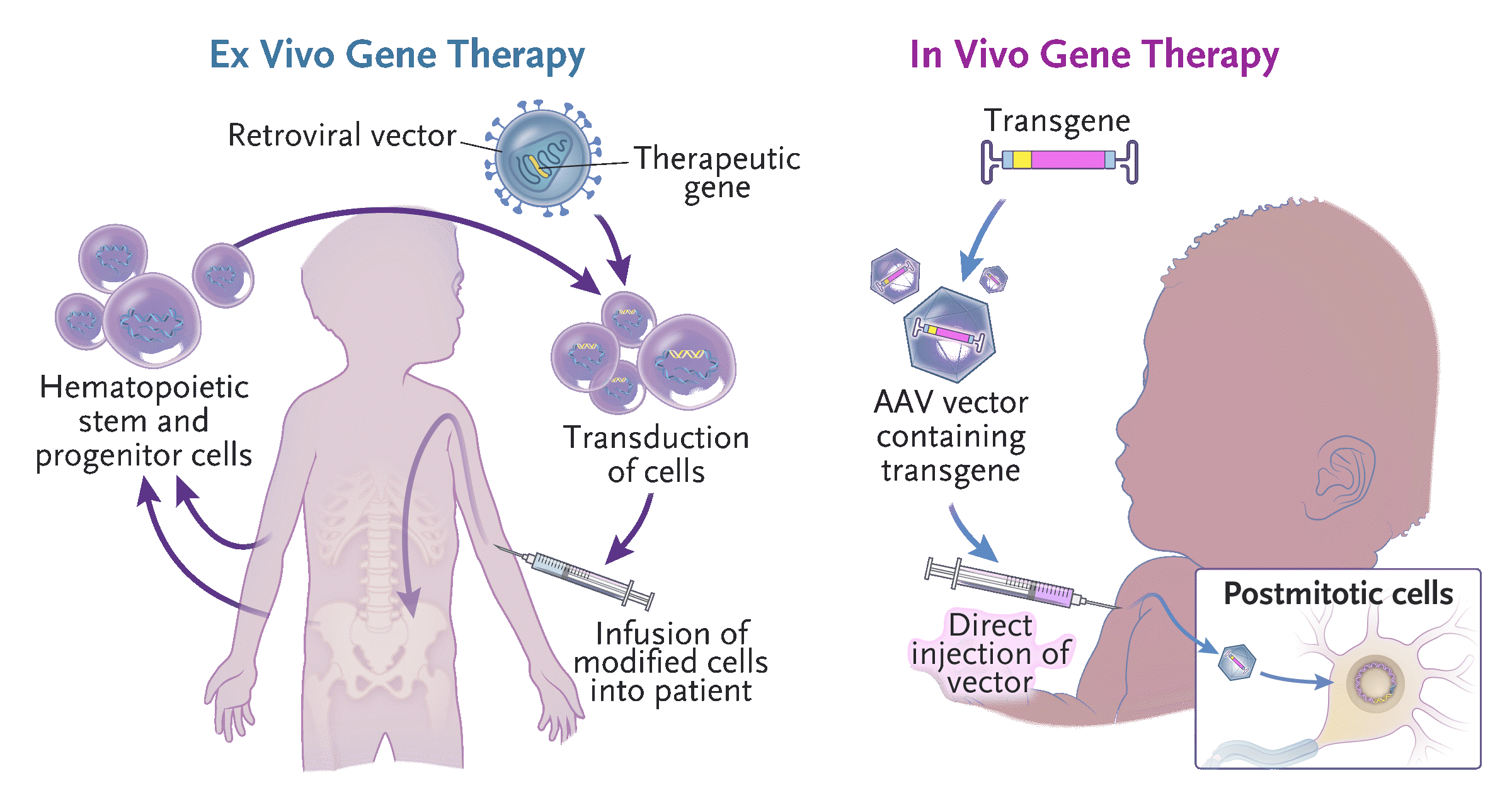
Latest Advances in Gene Therapy: From Genetic Disorders to Cancer Treatment
With the rapid advancement of biotechnology, gene therapy is gradually moving from the laboratory into clinical practice, becoming one of the most promising approaches in modern medicine.
Unlike traditional drugs that primarily manage symptoms, gene therapy targets the genetic root of diseases, offering entirely new solutions for many previously difficult-to-treat conditions.
What Is Gene Therapy?
Gene therapy is an advanced medical approach that aims to treat diseases by repairing, replacing, or regulating abnormal genes in the human body.
Its core principle lies in altering genetic information within cells through exogenous genes or gene-editing tools, thereby restoring normal cellular function.
Main Types of Gene Therapy
- Gene replacement: introducing functional genes to compensate for defective ones
- Gene editing: correcting mutations using technologies such as CRISPR
- Gene silencing: suppressing harmful gene expression
These strategies enable treatment at the root cause level, especially for inherited disorders.
Mechanisms of Gene Therapy
Gene therapy works by modifying or regulating gene expression through several key mechanisms:
1️⃣ Replacing defective genes
Disease-causing genes are identified and replaced with functional sequences.
Although this represents an ideal approach, fully mature therapies are still limited due to technical challenges.
2️⃣ Suppressing abnormal gene expression
For example, investigational therapies use engineered microRNA (miRNA) to reduce the expression of harmful genes.
This approach is particularly relevant in neurodegenerative diseases, where toxic protein production needs to be controlled.
3️⃣ Introducing new functional genes
A representative example is gene therapy for β-thalassemia, where modified hematopoietic stem cells are reintroduced into the patient to produce normal hemoglobin.
Clinical Applications of Gene Therapy
In recent years, gene therapy has made significant progress across multiple therapeutic areas.
Major applications include:
-
Genetic disorders
(e.g., hemophilia, spinal muscular atrophy) -
Cancer treatment
including CAR-T cell therapy -
Ophthalmic diseases
such as inherited retinal disorders
Research is also expanding into:
- Neurological diseases
- Cardiovascular diseases
Advantages and Challenges
Advantages
- Targets disease at the root cause
- Potential for long-term or one-time treatment
- Particularly valuable for chronic and rare diseases
Challenges
- Safety concerns (immune response, off-target effects)
- High treatment costs
- Complex manufacturing processes
- Variability between patients
The future development of gene therapy depends on both technological innovation and regulatory improvements.
Conclusion and Future Outlook
Gene therapy is currently in a phase of rapid development.
As technologies mature:
- Applications will expand
- Clinical outcomes will improve
- Accessibility may increase
In the future, personalized treatments based on genetic profiles may become standard.
Gene therapy represents a fundamental shift in medicine:
- From symptom control → root cause treatment
- From passive care → proactive intervention
It is not only a technological breakthrough, but also a transformation in how we understand and treat disease.