China vs Western Cancer Treatment: What Are the Differences?
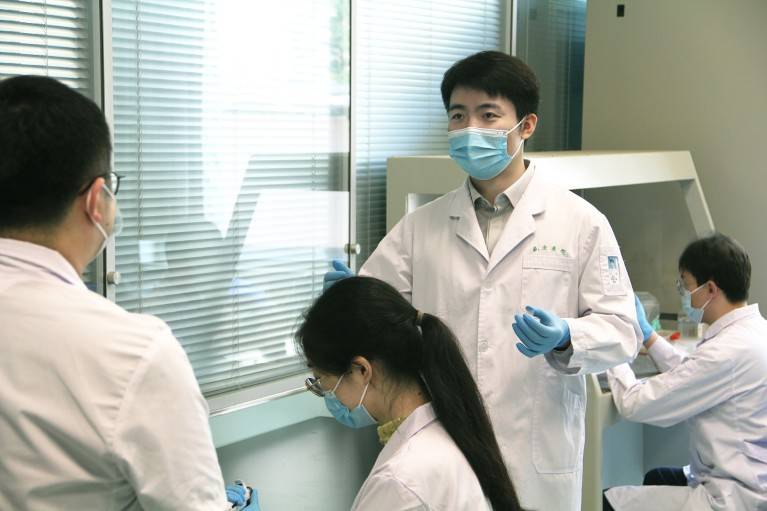
As more international patients seek cross-border cancer care, one question has become increasingly common:
What are the real differences between cancer treatment in China and in Western countries?
DengYueMed, as a medical coordination platform connecting international patients with hospitals in China, has observed in daily case consultations that many patients are not simply asking which system is “better.” Instead, they are looking for the most suitable treatment pathway based on their condition, budget, and stage of disease.
In reality, cancer treatment in China and the West is not a simple “advanced vs. backward” comparison. Rather, they represent two different healthcare systems, each with strengths that may better suit different types of patients.
China vs Western Cancer Treatment: Key Differences
| Dimension | China | Western Countries (U.S./Europe) |
|---|---|---|
| Treatment cost | Generally lower; some advanced therapies cost 30–60% of Western prices | Generally very high |
| Waiting time | Usually faster access to diagnostics and treatment | Longer waiting times in some systems |
| CAR-T & cell therapy | Rapid development with many clinical programs | Mature technology but extremely expensive |
| Hospital scale | Large oncology centers with high patient volume | More decentralized healthcare systems |
| Physician experience | High case volume and strong real-world experience | Strong emphasis on standardized multidisciplinary guidelines |
| International patient services | Rapidly improving | More established but costly |
| Drug accessibility | Fast-growing Chinese innovation drugs | Wider access to originator drugs |
| Treatment philosophy | Emphasis on efficiency and rapid clinical application | Emphasis on evidence-based guidelines and protocols |
| Imaging/diagnostic speed | Generally faster | Longer scheduling in some regions |
| Personalized medicine | Rapid development in recent years | Earlier development and more mature systems |
Why Is China Increasingly Attracting International Cancer Patients?
1. Rapid Development of Advanced Oncology Technologies
China has significantly increased investment in oncology in recent years, especially in:
- CAR-T cell therapy
- PD-1 / PD-L1 immunotherapy (immune checkpoint inhibitors)
- Targeted therapy
- Precision medicine and genomic testing
- Proton therapy
- NanoKnife (irreversible electroporation)
- AI-assisted imaging and pathology analysis
In several areas, China now has one of the largest numbers of clinical research programs and real-world treatment cases globally.
For example, in hematologic malignancies, CAR-T therapy has been widely studied and applied in multiple Chinese centers, offering additional options for patients with relapsed or refractory disease.
2. Treatment Costs Are Often Significantly Lower Than in the West
This is one of the most practical considerations for international patients.
| Treatment | China | United States |
|---|---|---|
| CAR-T therapy | More cost-competitive | Extremely expensive |
| Proton therapy | More affordable | Typically very costly |
| PET-CT scans | Lower cost | Higher cost |
| Hospitalization | Lower overall cost | Higher overall cost |
| Targeted therapy drugs | Some domestic drugs are cheaper | Originator drugs are expensive |
Many patients find that while long-term cancer treatment in Western countries may be financially difficult, China can offer a more financially manageable treatment pathway.
3. Shorter Waiting Times
In some Western healthcare systems:
- Specialist appointments may take weeks or months
- Diagnostic imaging may have long queues
- Surgery scheduling can be delayed
In contrast, major oncology hospitals in China generally operate more efficiently:
- Faster initial consultations
- Consolidated diagnostic scheduling
- Shorter time from diagnosis to treatment initiation
For cancer patients, time is often a critical factor.
4. Very Large Patient Volume in Major Oncology Centers
China’s leading cancer centers treat a very high number of patients annually.
This leads to:
- Greater physician exposure to complex cases
- More experience with rare cancers
- Increasingly mature multidisciplinary tumor boards (MDT)
- Extensive experience with advanced-stage and recurrent disease management
In oncology, clinical experience volume is a key factor influencing treatment confidence and decision-making.
Advantages of Cancer Treatment in Western Countries

It is important to note that China is not superior in all aspects.
Western healthcare systems still have significant strengths:
1. Mature Standardized Medical Systems
Western countries have long-established systems based on:
- Comprehensive clinical guidelines
- Strict evidence-based medicine frameworks
- Structured long-term follow-up systems
- Well-developed primary care systems
These are particularly strong in chronic disease management and standardized treatment pathways.
2. Strong Access to Original Drugs and Global Innovation
- Many first-in-class drugs are launched earlier in the U.S.
- Clinical trial access is often earlier and broader
- FDA regulatory pathways are well established
For some patients, access to cutting-edge investigational therapies remains a key reason to consider Western countries.
3. Mature International Patient Services
Many Western hospitals offer:
- Strong English-language medical communication
- Established international insurance systems
- Highly standardized administrative processes
This often results in a more predictable experience for international patients.
What Is the Real Advantage of Cancer Treatment in China?
The key attraction is not simply lower cost.
It is the combination of:
Advanced therapies + more affordable access + faster treatment initiation
This combination is particularly important for:
- Advanced-stage cancer patients
- Relapsed or refractory cases
- Patients who have undergone multiple prior lines of therapy
- Patients seeking additional treatment options or second opinions
China increasingly provides additional therapeutic possibilities that may not be easily accessible elsewhere due to cost or timing constraints.
Which International Patients Consider Treatment in China?
Common groups include:
- Patients interested in CAR-T therapy
- Patients exploring immunotherapy options
- Patients seeking precision medicine and genomic testing
- Patients aiming to reduce overall treatment costs
- Patients facing long waiting times in their home countries
- Patients seeking a second medical opinion
- Patients from Southeast Asia, the Middle East, and Africa
In recent years, more international patients have actively explored oncology centers in China.
What Should International Patients Know Before Coming to China?
Medical Document Preparation
Patients are generally advised to prepare:
- Pathology reports
- CT / MRI / PET-CT scans
- Genetic testing reports
- Medication history
- Discharge summaries
Initial Hospital Evaluation
Chinese hospitals typically conduct:
- Medical record review
- Specialist evaluation
- Treatment feasibility assessment
Then they determine:
- Whether the patient can be accepted
- Recommended treatment plan
- Estimated cost
- Expected treatment duration
Medical Visa and Logistics
International patients often also require:
- Medical invitation letters
- Translation services
- Care coordination support
- Accommodation and travel arrangements
This is often one of the most challenging parts of the process for patients.
DengYueMed: Connecting International Patients with Chinese Hospitals
For overseas patients, the biggest challenge in cross-border cancer care is often not the treatment itself, but the communication, coordination, and system navigation.
DengYueMed helps international patients connect with medical resources in China by providing:
- Medical record organization and initial consultation support
- Coordination with Chinese hospitals and specialists
- International patient case evaluation assistance
- Treatment pathway guidance and logistics support
- Support for medical travel preparation
Our goal is to help patients better understand their treatment options in China and navigate the cross-border healthcare process more smoothly and efficiently.