Y-90 (Yttrium-90) Treatment in China: A New Interventional Radiotherapy Option for International Liver Cancer Patients
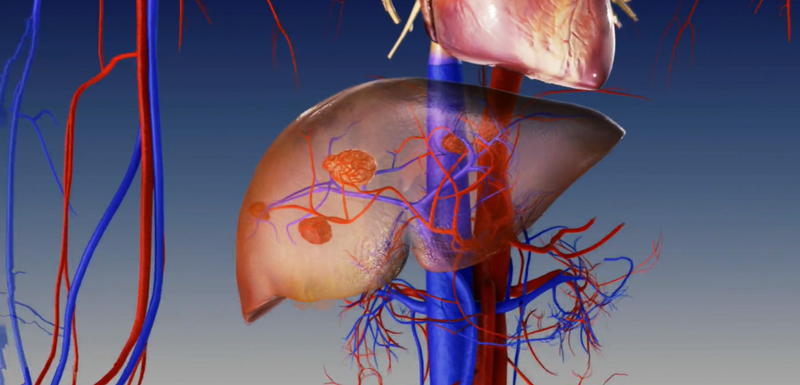
Liver cancer is one of the most common and deadly malignancies worldwide, particularly in Asia, where hepatitis B-related liver cancer remains highly prevalent.
In recent years, Y-90 (Yttrium-90) Selective Internal Radiation Therapy (SIRT/TARE) has gained increasing attention.
As a localized interventional radiotherapy technique, Y-90 delivers radioactive microspheres directly to tumor areas, demonstrating promising local tumor control in some patients with advanced or unresectable liver cancer.
At the same time, more international patients are beginning to explore Y-90 treatment resources, evaluation processes, and comprehensive treatment options available in Chinese hospitals through cross-border medical service platforms such as DengYueMed.
What Is Y-90 (Yttrium-90)?
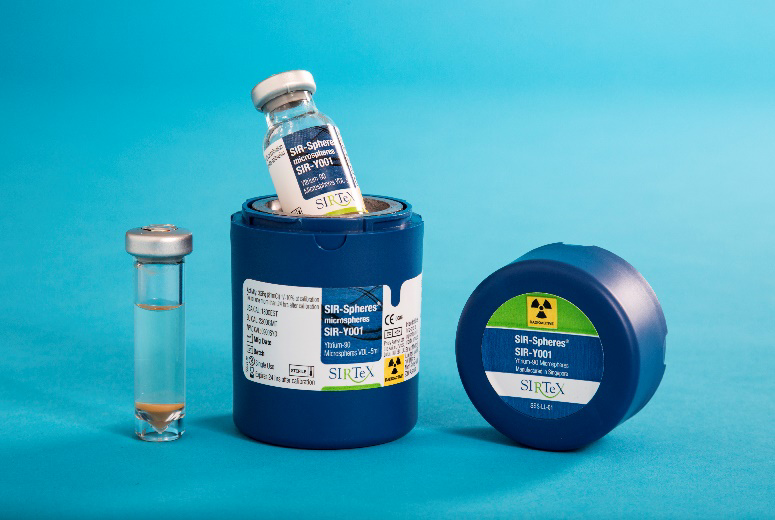
Y-90 (Yttrium-90) is a radioactive isotope that emits high-energy beta radiation, causing continuous radiation-induced damage to tumor cells.
Y-90 treatment is typically performed through:
- Selective Internal Radiation Therapy (SIRT)
- Transarterial Radioembolization (TARE)
During the procedure, doctors use interventional catheters to deliver Y-90-loaded microspheres into the hepatic artery supplying the tumor.
Because liver tumors mainly receive blood supply from the hepatic artery, while normal liver tissue relies more on the portal vein, the radioactive microspheres can preferentially accumulate within tumor tissue.
Key characteristics of Y-90 treatment include:
- Radiation doses concentrated primarily within tumor regions
- Relatively limited impact on normal liver tissue
- A localized treatment approach
- Potential combination with immunotherapy and targeted therapy
Compared with conventional external beam radiotherapy, Y-90 allows for more precise radiation dose distribution within the liver, making it an increasingly important treatment option for selected liver cancer patients.
Which Liver Cancer Patients May Be Suitable for Y-90 Treatment?
Currently, Y-90 is mainly used in patients with unresectable liver cancer or those who are not suitable candidates for local ablation therapies, especially patients with intermediate- to advanced-stage hepatocellular carcinoma (HCC).
Common clinical indications include:
- Large or multifocal tumors that cannot be surgically removed
- Selected BCLC stage B or C patients
- Patients with portal vein tumor thrombus
- Patients with limited response or recurrence after TACE
- Bridging therapy for patients awaiting liver transplantation
However, not all patients are suitable candidates for Y-90 treatment.
Before treatment, patients typically undergo:
- Liver function evaluation
- CT or MRI imaging assessment
- Hepatic arterial vascular analysis
- Lung shunt fraction (LSF) testing
These evaluations help physicians determine treatment suitability and design individualized dosing strategies.
Why Is Y-90 Treatment in China Receiving Increasing Attention?
China has rapidly advanced in comprehensive liver cancer treatment in recent years, particularly in areas such as:
- Interventional radiology techniques
- Imaging navigation and dosimetry evaluation
- Multidisciplinary team (MDT) care
- Combined immunotherapy approaches for liver cancer
Chinese hospitals have accumulated extensive clinical experience in these fields.
Today, multiple major tertiary hospitals and international cancer centers in China have established Y-90 treatment programs and increasingly standardized workflows, including:
- Pre-procedural vascular mapping
- MAA lung shunt testing
- Personalized dosimetry calculations
- SPECT/CT or PET imaging evaluation
- Post-treatment response monitoring
Meanwhile, Chinese physicians are actively exploring combined treatment strategies involving Y-90, immunotherapy, and targeted therapy.
At the 2025 ASCO GI Conference, a retrospective study from China reported that Y-90 resin microsphere SIRT combined with lenvatinib and PD-1 inhibitors in patients with large or massive advanced hepatocellular carcinoma achieved:
- Objective Response Rate (ORR): 73.3%
- Disease Control Rate (DCR): 90%
- Complete Response (CR): 20%
The study also reported manageable overall safety without observed grade 4/5 severe adverse events.
Findings like these are drawing increasing international attention to China’s capabilities in comprehensive liver cancer treatment.
How Safe Is Y-90 Treatment?
Overall, Y-90 is considered a relatively localized treatment approach, and most patients tolerate the procedure well.
Common side effects may include:
- Fatigue
- Abdominal pain
- Nausea
- Loss of appetite
- Temporary liver function fluctuations
Serious complications are relatively uncommon, but careful evaluation by experienced medical teams remains essential.
For example, if the lung shunt fraction is too high, radioactive material may affect the lungs, making pre-treatment lung shunt testing a critical step.
In addition, patients with poor baseline liver function require close post-treatment monitoring and supportive care.
Therefore, hospital experience, dosimetry planning, and post-procedure management are all important factors affecting treatment outcomes and safety.
Why Are More International Patients Considering Y-90 Treatment in China?
More international patients are paying attention to China not only because of the technology itself, but also because China has extensive experience managing complex liver cancer cases, including:
- HBV-related hepatocellular carcinoma
- Massive liver tumors
- Advanced-stage disease
At the same time, China increasingly emphasizes multidisciplinary treatment approaches involving:
- Interventional radiology
- Medical oncology
- Hepatic surgery
- Radiation oncology
- Imaging specialists
These teams work together to develop individualized treatment plans for patients.
For some international patients, shorter waiting times and access to broader combination treatment strategies have also become important reasons to consider medical treatment in China.
DengYueMed: Connecting International Patients With Chinese Medical Resources
For overseas patients, the challenge is often not simply knowing that Y-90 exists, but understanding:
- Which hospitals provide the treatment
- Whether they are suitable candidates for Y-90
- Whether combination therapy with immunotherapy or targeted therapy is possible
- How to submit medical records and obtain physician evaluations
- How to arrange cross-border treatment logistics
DengYueMed is dedicated to connecting international patients with Chinese medical resources and helping overseas patients better understand advanced cancer treatment options available in China.
Currently, multiple hospitals in China offer Y-90 treatment programs.
For patients interested in learning whether they may be suitable candidates for Y-90 treatment, understanding the experience of Chinese hospitals, or exploring evaluation and travel-to-China processes, further information and medical coordination support are available through DengYueMed.