What Targeted Drugs Are Available for NTRK Fusion Brain Tumors? An Overview of Larotrectinib and Entrectinib Applications
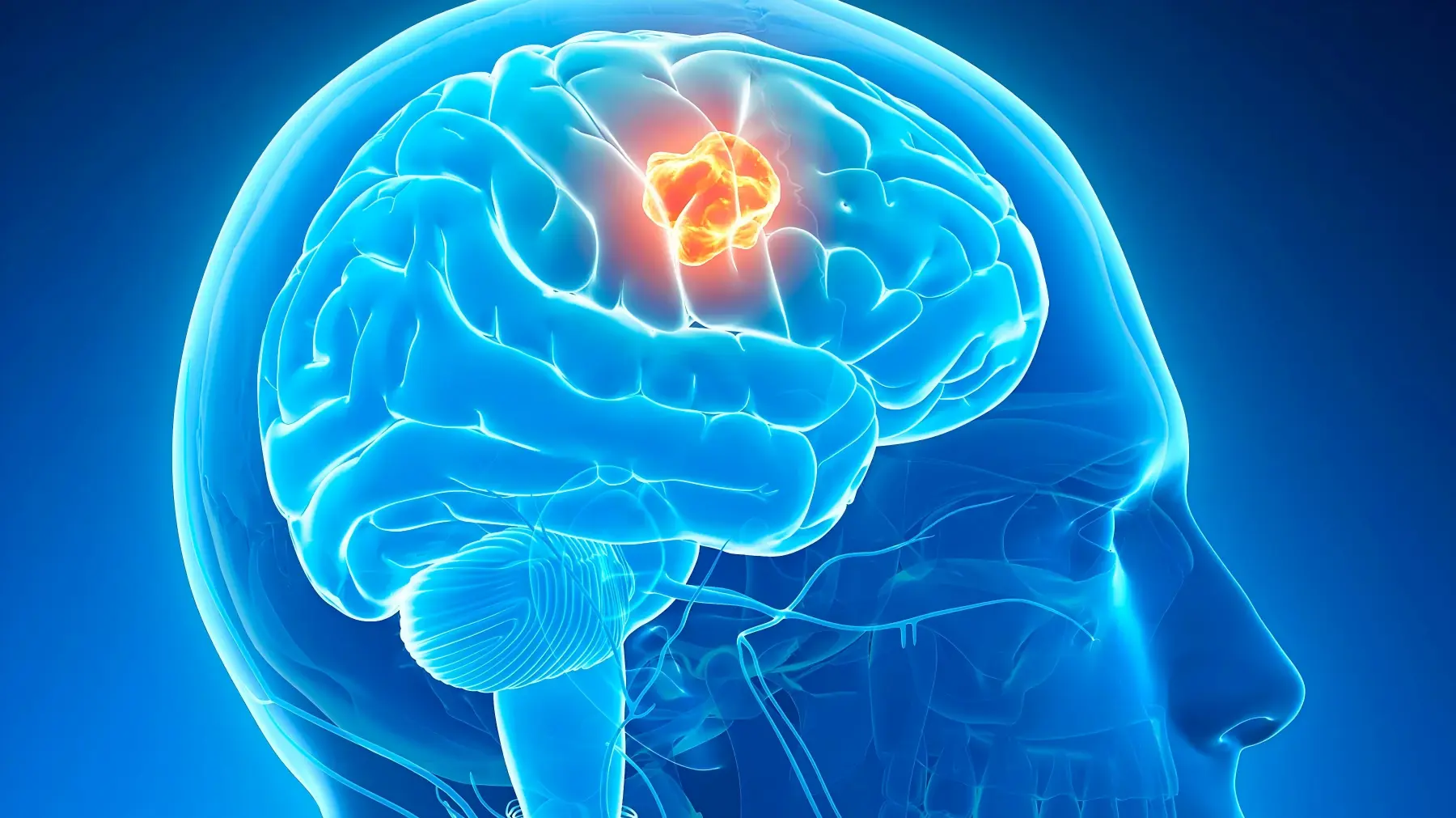
With the advancement of precision medicine, brain tumor treatment has gradually shifted from traditional histological classification toward individualized treatment strategies based on molecular characteristics. As an important molecular target, NTRK gene fusion can be identified through genetic testing and may provide treatment strategy options for some patients with brain tumors.
Currently, the main targeted therapies for NTRK fusion tumors include the TRK inhibitors Larotrectinib and Entrectinib.
As a global pharmaceutical distributor, DengYueMed introduces the molecular characteristics of NTRK fusion brain tumors, diagnostic approaches, and the applications of Larotrectinib and Entrectinib in this field.
What Is NTRK Fusion and Why Is It Associated With Brain Tumors?
The NTRK gene family includes:
- NTRK1
- NTRK2
- NTRK3
These three genes encode TRK (Tropomyosin Receptor Kinase) proteins, which are involved in biological processes such as nervous system development and cellular signal transduction.
When NTRK genes undergo abnormal fusion with other genes, they can produce continuously activated TRK fusion proteins, which may affect signaling pathways related to cell proliferation and survival.
NTRK fusion is a relatively rare genetic alteration with clear molecular significance. It can occur in various solid tumors, including:
- Gliomas
- Infantile high-grade gliomas
- Glioblastoma (in a small proportion of cases)
- Other glial tumors
- Additional pediatric and adult central nervous system (CNS) tumors
Because NTRK fusions occur at a relatively low frequency, not every brain tumor patient requires NTRK testing. Testing decisions are usually made based on factors such as patient age, pathological classification, and disease stage.
Why Is Genetic Testing Needed for NTRK Fusion Brain Tumors?
With continuous updates to the WHO classification of central nervous system tumors, molecular biomarkers are playing an increasingly important role in brain tumor diagnosis and treatment decision-making.
Traditional brain tumor diagnosis mainly relies on imaging examinations, pathological analysis, and immunohistochemistry. However, confirmation of NTRK fusion requires additional molecular testing.
Common testing methods include:
1. RNA Sequencing
RNA sequencing can directly detect NTRK fusion transcripts and identify different fusion patterns, making it suitable for analyzing complex tumor samples.
2. DNA Sequencing
DNA-based next-generation sequencing (NGS) can be used to screen for NTRK-related genetic alterations, although some fusion events may be limited by the testing platform.
3. Immunohistochemistry (IHC)
TRK protein immunohistochemistry can be used as an initial screening method. Positive results usually require further confirmation through molecular testing.
What Targeted Drugs Are Available for NTRK Fusion Brain Tumors?
| Drug | Drug Type | Main Targets |
|---|---|---|
| Larotrectinib | TRK inhibitor | TRKA / TRKB / TRKC |
| Entrectinib | TRK / ROS1 / ALK inhibitor | TRKA / TRKB / TRKC / ROS1 / ALK |
Both drugs are precision targeted therapies designed for tumors harboring NTRK fusions.
Application of Larotrectinib in NTRK Fusion Brain Tumors

Larotrectinib is a highly selective TRK inhibitor that primarily targets:
- NTRK1 fusions
- NTRK2 fusions
- NTRK3 fusions
Its mechanism of action involves inhibiting TRK fusion protein-related signaling pathways and reducing the impact of abnormal pathway activation on tumor cell behavior.
Key Features of Larotrectinib (VITRAKVI)
Highly Selective TRK Targeting
Compared with some multi-target kinase inhibitors, Larotrectinib mainly acts on the TRK family and has a relatively clear molecular mechanism.
Applicable to Multiple NTRK Fusion Tumor Types
Larotrectinib is not limited to a single cancer type. Instead, treatment selection is based on the presence of NTRK fusion, representing one approach within the tumor-agnostic precision medicine model.
Application in Brain Tumors
For NTRK fusion-positive central nervous system tumors, the ability of Larotrectinib to achieve central nervous system exposure has been an important area of clinical research interest.
Application of Entrectinib in NTRK Fusion Brain Tumors

Entrectinib is a multi-target tyrosine kinase inhibitor that primarily acts on:
- TRKA
- TRKB
- TRKC
- ROS1
- ALK
Unlike Larotrectinib, Entrectinib targets not only NTRK fusions but also additional kinase targets.
Key Features of Entrectinib (Rozlytrek)
Multi-Target Mechanism of Action
Entrectinib can act on multiple related signaling pathways and has been widely studied in tumors with different molecular backgrounds.
Central Nervous System Application
Because brain tumor treatment involves the important challenge of the blood-brain barrier (BBB), the ability of drugs to reach the central nervous system is an important consideration.
Entrectinib has demonstrated characteristics associated with blood-brain barrier penetration and has therefore received attention in research involving NTRK fusion brain tumors and brain metastases.
How Are Larotrectinib and Entrectinib Selected?
Both drugs are important treatment options for NTRK fusion tumors. Selection depends on multiple factors, including:
Tumor Type
The occurrence of NTRK fusions varies among different brain tumor types and should be evaluated together with pathological diagnosis.
Molecular Testing Results
These include:
- NTRK fusion type
- Fusion gene characteristics
- Presence of other driver gene alterations
Overall Patient Condition
Physicians usually consider:
- Age
- Disease stage
- Previous treatment history
- Safety characteristics of the drug
Therefore, drug selection should be based on individualized medical assessment.
Development Trends of NTRK Precision Therapy in Brain Tumors
With advances in molecular diagnostic technologies, future brain tumor treatment will increasingly focus on:
Molecular Classification-Guided Treatment
Genetic testing is becoming an important component of the diagnostic and treatment process for certain brain tumors.
Development of Tumor-Agnostic Targeted Therapy Models
NTRK fusion treatment represents a shift away from selecting drugs solely according to tumor origin. Instead, treatment decisions are based on shared molecular alterations.
Improved Global Accessibility of Innovative Targeted Drugs
With the continued development of precision medicine therapies, international supply, drug accessibility, and cross-border distribution of innovative treatments such as NTRK inhibitors have also become important areas of focus within global healthcare systems.
Conclusion: NTRK Testing Provides a New Molecular Direction for Precision Brain Tumor Treatment
Although NTRK fusions occur relatively infrequently in brain tumors, their clear molecular target significance has made them an important research focus in precision medicine.
Currently, Larotrectinib and Entrectinib are important TRK inhibitors for NTRK fusion-positive tumors. For brain tumor patients who meet testing criteria, identifying NTRK fusions through molecular testing may help physicians explore more individualized treatment strategies.
As advances continue in genetic testing, targeted drug development, and global innovative medicine supply systems, NTRK precision medicine is expected to play an increasingly important role in neuro-oncology.
As a global pharmaceutical distributor, DengYueMed focuses on the international supply of innovative medicines, precision therapies, and specialty pharmaceuticals. We are committed to improving global access to innovative treatments, including NTRK-targeted therapies, by providing compliant and efficient pharmaceutical supply solutions for healthcare institutions, business partners, and patients worldwide.
Disclaimer
This article is intended for educational and informational purposes only and should not be interpreted as medical advice. Treatment decisions should always be made by qualified healthcare professionals based on individual patient circumstances and applicable clinical guidelines.