Are Women More Prone to Thyroid Cancer? Causes and Prevention Explained
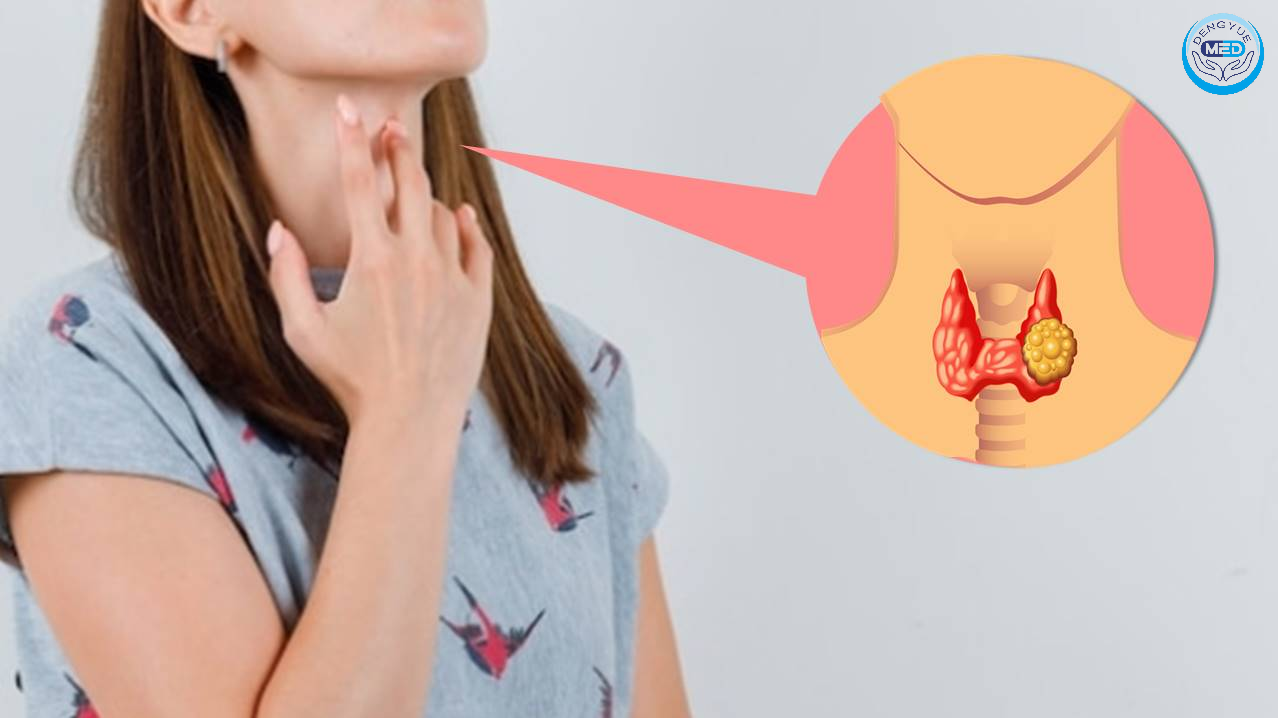
In recent years, the incidence of thyroid cancer has been rising globally. One notable feature is that women are affected far more often than men. Many epidemiological studies suggest that women are approximately three times more likely to be diagnosed with thyroid cancer than men.
Why is this the case? Does a higher incidence mean that women are necessarily at greater risk of serious disease? And what can women do to reduce their risk?
This article provides an overview of the possible reasons why thyroid cancer is more frequently diagnosed in women, the symptoms to watch for, known risk factors, prevention strategies, and current treatment options.
I. Why Are Women More Likely to Develop Thyroid Cancer?
The higher incidence of thyroid cancer among women is likely related to a combination of hormonal, biological, genetic, environmental, and healthcare-related factors. No single factor can fully explain the difference.
1. The Role of Hormones
Sex hormones, particularly estrogen, have been investigated as one possible explanation for the higher incidence of thyroid cancer in women.
Thyroid tissue contains hormone receptors, and estrogen may influence thyroid cell proliferation and other cellular processes. Researchers have therefore investigated whether hormonal exposure could contribute to the development or progression of some thyroid tumors.
Periods of major hormonal change include:
- Puberty
- Pregnancy
- The postpartum period
- Perimenopause and menopause
However, the relationship between estrogen and thyroid cancer is complex. A higher incidence of thyroid cancer among women should not be interpreted as proof that estrogen alone causes thyroid cancer.
2. Higher Prevalence of Autoimmune Thyroid Diseases
Women are more likely than men to develop autoimmune thyroid disorders, including:
- Hashimoto’s thyroiditis
- Graves’ disease
These conditions can involve chronic inflammation or abnormal immune activity within the thyroid.
Researchers have investigated whether autoimmune thyroid disease may be associated with thyroid cancer risk, although the relationship is not straightforward and does not mean that having an autoimmune thyroid disorder will inevitably lead to cancer.
3. Higher Screening and Detection Rates
Another important consideration is the possibility of detection bias.
Women may be more likely to undergo routine healthcare examinations or thyroid evaluations, resulting in more thyroid nodules and small thyroid cancers being discovered.
Modern ultrasound technology can detect very small thyroid nodules that may never have caused symptoms during a person’s lifetime.
Therefore, part of the observed difference in thyroid cancer incidence between women and men may reflect differences in healthcare utilization and detection, rather than differences in the underlying biological risk alone.
4. Genetic and Environmental Factors
Other established or suspected risk factors can affect thyroid cancer risk in both women and men.
These include:
- A family history of thyroid cancer
- Certain inherited genetic conditions
- Exposure to ionizing radiation, particularly during childhood
- Previous radiation treatment involving the head or neck
- Certain environmental factors
- Abnormalities involving thyroid cells and molecular pathways
The interaction between genetic susceptibility and environmental exposure may influence an individual’s overall risk.
II. Common Signs of Thyroid Cancer: What Women Should Watch For
Thyroid cancer often produces few or no obvious symptoms during its early stages.
When symptoms occur, they may include:
- A painless lump or nodule in the neck
- A gradually enlarging mass in the neck
- Enlarged lymph nodes in the neck
- Persistent hoarseness or voice changes
- Difficulty swallowing
- A sensation of pressure or something being stuck in the throat
- Difficulty breathing in some advanced cases
However, these symptoms are not specific to thyroid cancer.
For example, thyroid nodules are extremely common and most are benign. Hoarseness, difficulty swallowing, or neck swelling can also result from many other thyroid or non-thyroid conditions.
Nevertheless, a persistent or progressively enlarging neck lump should be evaluated by a healthcare professional.
III. How Can Women Reduce Their Risk of Thyroid Cancer?
Thyroid cancer cannot always be prevented because some risk factors, including genetic susceptibility, cannot be changed.
However, several measures can help reduce avoidable risks and support appropriate thyroid health management.
1. Appropriate Medical Evaluation and Thyroid Examination
Routine thyroid ultrasound is not necessarily required for every healthy person.
Instead, the need for thyroid examination should depend on individual risk factors, clinical findings, and medical advice.
Evaluation may be particularly appropriate for people with:
- A suspicious or persistent neck lump
- A strong family history of thyroid cancer
- A history of significant radiation exposure involving the neck
- Certain inherited cancer syndromes
- Known thyroid nodules requiring follow-up
- Other clinical findings that warrant investigation
When a thyroid nodule is discovered, ultrasound can help doctors assess its characteristics and determine whether additional evaluation is necessary.
2. Pay Attention to Thyroid Health During Major Hormonal Changes
Pregnancy and menopause involve substantial hormonal changes.
Women with existing thyroid disease or symptoms affecting thyroid function should discuss appropriate monitoring with their healthcare professionals.
A regular lifestyle and adequate sleep can also support general endocrine and metabolic health.
However, there is currently no evidence that simply “balancing hormones” can completely prevent thyroid cancer.
3. Maintain Adequate but Not Excessive Iodine Intake
Iodine is essential for normal thyroid hormone production.
Both iodine deficiency and excessive iodine intake can affect thyroid function. Therefore, the goal should be an appropriate dietary intake rather than excessive supplementation.
Common dietary sources include:
- Iodized salt
- Seafood
- Dairy products
- Eggs
- Other iodine-containing foods
People should avoid taking high-dose iodine supplements unless specifically recommended by a healthcare professional.
4. Avoid Unnecessary Radiation Exposure
Exposure to ionizing radiation, particularly during childhood, is an established risk factor for thyroid cancer.
When medically appropriate, unnecessary radiation exposure should be minimized.
For example, diagnostic imaging involving radiation should be performed when clinically indicated rather than solely for reassurance.
Patients should also inform their healthcare providers about previous radiation treatment involving the head or neck.
5. Maintain a Healthy Lifestyle
A healthy lifestyle cannot guarantee prevention of thyroid cancer, but it supports overall health.
Important habits include:
- Eating a balanced diet
- Consuming adequate fruits and vegetables
- Exercising regularly
- Maintaining a healthy body weight
- Getting sufficient sleep
- Avoiding tobacco products
- Limiting excessive alcohol consumption
These measures are particularly important because overall health can influence an individual’s ability to tolerate medical treatment if cancer is diagnosed.
IV. Current Treatment Landscape: No Need for Excessive Fear
A diagnosis of thyroid cancer does not automatically mean that the disease is life-threatening.
Many thyroid cancers, particularly differentiated thyroid cancers such as papillary thyroid cancer, have a favorable prognosis.
Treatment depends on factors such as:
- Cancer type
- Tumor size
- Tumor location
- Lymph node involvement
- Distant metastasis
- Molecular characteristics
- Risk of recurrence
- The patient’s overall health
1. Surgery
Surgery is an important treatment for many patients with thyroid cancer.
Depending on the tumor and individual risk profile, surgery may involve removal of part of the thyroid or the entire thyroid gland.
The appropriate surgical approach should be determined by the tumor’s characteristics and an experienced medical team.
2. Radioactive Iodine Therapy
Radioactive iodine, commonly referred to as I-131, may be used for selected patients with differentiated thyroid cancer.
It can help destroy remaining thyroid tissue or iodine-avid cancer cells after surgery.
However, radioactive iodine is not appropriate for every patient. Its use depends on factors such as tumor risk, staging, pathology, and whether the tumor is capable of taking up iodine.
3. Thyroid Hormone Therapy
Patients who undergo substantial thyroid tissue removal may require thyroid hormone replacement therapy.
In some patients with differentiated thyroid cancer, thyroid hormone therapy may also be adjusted to help suppress thyroid-stimulating hormone (TSH), depending on the individual’s recurrence risk and clinical situation.
The target hormone level should be individualized rather than applying the same target to every patient.
4. Targeted Therapy
For advanced, recurrent, or radioactive-iodine-refractory thyroid cancers, targeted therapies may provide additional treatment options.
Depending on the tumor type and molecular characteristics, treatment may involve drugs targeting specific signaling pathways or genetic alterations.
Examples of clinically relevant molecular targets and pathways include:
- BRAF
- RET
- NTRK
- VEGFR-related pathways
- Other molecular alterations identified through tumor testing
Molecular testing can therefore become particularly important when conventional treatment options are limited.
5. Immunotherapy
Immunotherapy has a more limited role in thyroid cancer compared with some other cancers.
However, selected patients with advanced tumors may potentially benefit from immune checkpoint inhibitors or other immunotherapy approaches depending on tumor biology and treatment setting.
Biomarker testing can help identify patients who may be appropriate candidates for certain therapies.
V. A Rational Perspective: Risk Does Not Equal Destiny
Women are diagnosed with thyroid cancer more frequently than men, but a higher incidence does not necessarily mean that women face a proportionally higher risk of dying from the disease.
Several factors help explain this distinction.
First, many thyroid cancers are detected at an early stage.
Second, differentiated thyroid cancers, particularly papillary thyroid cancer, often grow relatively slowly and have favorable outcomes.
Third, modern diagnostic techniques allow physicians to identify and monitor many thyroid abnormalities before they cause significant symptoms.
Therefore, the most useful response is not excessive anxiety but appropriate awareness and medical evaluation.
The key points are:
- Pay attention to persistent or changing neck symptoms.
- Seek medical evaluation for a persistent neck lump or suspicious thyroid nodule.
- Understand your individual risk factors, particularly family history and previous radiation exposure.
- Avoid unnecessary radiation exposure.
- Maintain a balanced lifestyle.
- Follow medical recommendations when thyroid nodules or thyroid disease require monitoring.
Conclusion
Women are more frequently diagnosed with thyroid cancer than men, and scientific research suggests that this difference may result from multiple interacting factors, including hormonal influences, autoimmune thyroid disease, genetic susceptibility, environmental exposures, and differences in detection.
However, being a woman does not mean that thyroid cancer is inevitable.
Most thyroid nodules are benign, and many thyroid cancers—especially differentiated thyroid cancers—have favorable outcomes when appropriately diagnosed and treated.
The most important approach is to understand individual risk factors, pay attention to persistent changes in the neck, seek appropriate medical evaluation, and avoid unnecessary radiation exposure.
With advances in ultrasound diagnosis, pathology, molecular testing, surgery, radioactive iodine therapy, targeted therapy, and other precision treatment approaches, the management of thyroid cancer continues to become more individualized.
DengYueMed: Supporting Access to Innovative Oncology Medicines
As oncology treatment continues to advance, reliable access to innovative and specialty medicines remains an important part of the pharmaceutical supply chain.
DengYueMed supports qualified healthcare institutions, pharmacies, pharmaceutical distributors, and other professional customers with pharmaceutical procurement and supply-chain services.
We continue to follow developments in oncology, including thyroid cancer and other endocrine-related cancers, with a focus on innovative medicines, specialty pharmaceuticals, and international pharmaceutical supply.
For specific oncology medicines or specialty pharmaceutical procurement requirements, professional customers can contact DengYueMed for relevant product and supply information.