What Increases the Risk of Brain Tumors? Understanding the Main Risk Factors
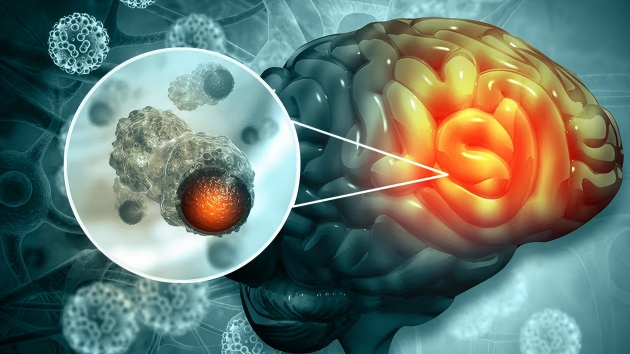
Brain tumors are tumors that develop in the brain or central nervous system (CNS). They may be benign or malignant and can be classified as primary brain tumors, which originate in the brain, or brain metastases, which spread to the brain from cancers elsewhere in the body.
After receiving a diagnosis, many patients and their families ask the same question:
“Why did this happen? What increases the risk of brain tumors?”
In fact, the exact cause of most brain tumors remains unknown. Current medical evidence suggests that brain tumors are rarely caused by a single factor. Instead, they are thought to result from a combination of genetic, environmental, and individual factors.
In this article, Hong Kong DengYueMed explains the major risk factors that have been identified or are currently being investigated by medical research, helping readers better understand brain tumor risk factors and the latest research developments.
What Are Brain Tumor Risk Factors?
A risk factor is anything that may increase the likelihood of developing a disease. However, having one or more risk factors does not mean a person will definitely develop a brain tumor.
For example, people who have received radiation therapy to the head may have a higher risk of developing certain brain tumors, but the vast majority will never develop one.
Likewise, many people diagnosed with brain tumors have no known risk factors. Therefore, risk factors indicate an increased probability rather than a direct cause of disease.
Known Factors That May Increase the Risk of Brain Tumors
1. Exposure to High-Dose Ionizing Radiation
High-dose ionizing radiation is currently the best-established environmental risk factor for brain tumors.
Examples include:
- Radiation therapy to the head or neck during childhood
- Radiation treatment for cancer
- High-dose occupational or accidental radiation exposure (rare)
Long-term studies have shown that individuals who have received radiation therapy to the head may have an increased risk of developing brain tumors such as meningiomas and gliomas later in life.
It is important to note that the radiation doses from routine medical imaging—including standard X-rays, dental X-rays, and medically indicated CT scans—are generally much lower. Patients should not avoid necessary medical examinations because of concerns about brain tumor risk.
2. Certain Inherited Genetic Syndromes
Most brain tumors are not inherited, but a small proportion are associated with hereditary genetic conditions.
These include:
- Neurofibromatosis type 1 (NF1)
- Neurofibromatosis type 2 (NF2)
- Li-Fraumeni syndrome
- Tuberous sclerosis complex
- Turcot syndrome
- Von Hippel-Lindau syndrome
These inherited disorders are caused by specific genetic mutations and can increase the risk of developing brain tumors such as gliomas, meningiomas, and vestibular schwannomas.
However, hereditary syndromes account for only a small percentage of all brain tumor cases.
3. Increasing Age
Brain tumors can occur at any age, but different tumor types are more common in specific age groups.
For example:
- Glioblastoma is most commonly diagnosed in older adults.
- Meningioma is more common in adults.
- Certain pediatric brain tumors primarily affect infants, children, and adolescents.
As people age, genetic mutations accumulate in cells, which may contribute to an increased risk of some brain tumors.
4. Family History
Having a first-degree relative (parent, sibling, or child) with a brain tumor may slightly increase an individual’s risk.
However, most brain tumors do not occur in families, and having a family history does not mean someone will develop the disease.
Families with multiple relatives affected by cancer or early-onset cancers may benefit from genetic counseling to determine whether genetic testing is appropriate.
5. Weakened Immune System
People with weakened immune systems may have an increased risk of developing certain types of brain tumors.
Examples include:
- People living with HIV
- Organ transplant recipients taking long-term immunosuppressive medications
- Individuals with inherited immune deficiencies
Primary central nervous system lymphoma (PCNSL), in particular, has a well-established association with immune dysfunction.
Are Brain Tumors Hereditary?
Many patients worry that brain tumors “run in the family.” In reality, only a small percentage of brain tumors are associated with inherited genetic syndromes. Most brain tumors occur sporadically and are not passed from parents to children.
However, individuals with a strong family history of brain tumors or inherited cancer syndromes may benefit from genetic counseling and, in some cases, genetic testing. Identifying inherited risk factors can help guide surveillance strategies and support earlier detection.
Which Risk Factors Remain Uncertain?
Research on brain tumor risk continues to evolve, and several commonly discussed factors remain controversial or lack consistent scientific evidence.
Mobile Phone Use
Can long-term mobile phone use cause brain tumors?
This is one of the most frequently asked questions by the public.
To date, large epidemiological studies have not found convincing evidence that normal mobile phone use directly increases the risk of brain tumors.
The World Health Organization’s International Agency for Research on Cancer (IARC) has classified radiofrequency electromagnetic fields as “possibly carcinogenic to humans (Group 2B),” but current evidence remains limited, and research is ongoing.
Smoking and Alcohol Consumption
Unlike lung cancer and several other cancers, there is currently no strong evidence that smoking or alcohol consumption significantly increases the risk of brain tumors.
Nevertheless, quitting smoking and limiting alcohol intake remain important for reducing the risk of many cancers and cardiovascular diseases.
Obesity
Some recent studies suggest that obesity may be associated with a higher risk of certain brain tumors, particularly meningioma, but the overall evidence remains inconclusive.
Maintaining a healthy body weight continues to be an important part of overall disease prevention.
Which Risk Factors Remain Uncertain?
Research on brain tumor risk continues to evolve, and several commonly discussed factors remain controversial or lack consistent scientific evidence.
Mobile Phone Use
“Can long-term mobile phone use cause brain tumors?”
This is one of the most frequently asked questions by the public.
To date, large epidemiological studies have not found convincing evidence that normal mobile phone use directly increases the risk of brain tumors.
The World Health Organization’s International Agency for Research on Cancer (IARC) has classified radiofrequency electromagnetic fields as “possibly carcinogenic to humans (Group 2B),” but current evidence remains limited, and research is ongoing.
Smoking and Alcohol Consumption
Unlike lung cancer and several other cancers, there is currently no strong evidence that smoking or alcohol consumption significantly increases the risk of brain tumors.
Nevertheless, quitting smoking and limiting alcohol intake remain important for reducing the risk of many cancers and cardiovascular diseases.
Obesity
Some recent studies suggest that obesity may be associated with a higher risk of certain brain tumors, particularly meningioma, but the overall evidence remains inconclusive.
Maintaining a healthy body weight continues to be an important part of overall disease prevention.
Diet and Lifestyle
Researchers have investigated whether processed foods, nitrates, coffee, artificial sweeteners, and other dietary factors influence brain tumor risk. So far, the findings have been inconsistent.
A balanced diet, regular physical activity, and adequate sleep contribute to overall health, but no specific dietary pattern has been proven to prevent brain tumors.
Head Injury
Many people worry whether a previous head injury could lead to a brain tumor.
Current evidence suggests that there is no established causal relationship between ordinary head injuries and brain tumors. Although individual case reports have raised this possibility, reliable scientific evidence has not confirmed that head trauma directly causes brain tumors.
Can You Reduce Your Risk of Brain Tumors?
Because the exact causes of most brain tumors remain unknown, there is currently no guaranteed way to prevent them. However, several practical measures may help reduce known risks:
- Avoid unnecessary exposure to high-dose ionizing radiation.
- Seek genetic counseling and appropriate medical follow-up if you have a family history of hereditary brain tumor syndromes.
- Maintain a healthy weight through a balanced diet and regular exercise.
- Avoid smoking and limit alcohol consumption.
- Seek prompt medical evaluation if you experience persistent headaches, seizures, vision changes, weakness, speech difficulties, or other unexplained neurological symptoms instead of attempting self-diagnosis.
Latest Research: Brain Tumor Risk Prediction Is Rapidly Evolving
In recent years, brain tumor research has expanded beyond traditional epidemiology into the field of precision medicine.
Researchers are currently exploring:
- Using artificial intelligence to analyze MRI scans and identify individuals at higher risk
- Discovering new susceptibility genes through genomic research
- Developing multi-factor risk prediction models for earlier detection
- Investigating the relationship between the gut microbiome, the immune microenvironment, and brain tumor development
Although these approaches are still under investigation, they may improve individualized risk assessment and support earlier detection and more precise prevention strategies in the future.
Conclusion
Current evidence indicates that high-dose ionizing radiation, certain inherited genetic syndromes, increasing age, family history, and weakened immune function are among the best-established risk factors for brain tumors. By contrast, the evidence linking mobile phone use, diet, obesity, and head injuries to brain tumors remains limited or inconclusive and requires further high-quality research.
Maintaining a healthy lifestyle, paying attention to persistent or unusual neurological symptoms, and seeking timely medical evaluation remain the most practical steps for protecting brain health.
As a global pharmaceutical distributor, DengYueMed continues to monitor the latest advances in oncology research, sharing updates on innovative therapies, clinical research, and emerging medicines while supporting access to pharmaceutical information and international medicine supply services for healthcare institutions, partners, and industry professionals worldwide.
Disclaimer
This article is intended for educational and informational purposes only and does not constitute medical advice, diagnosis, or treatment recommendations. Individuals should consult qualified healthcare professionals regarding any medical concerns or treatment decisions.