Over 96% of Patients Experienced Tumor Shrinkage or Complete Disappearance! Takeda's Brentuximab Vedotin Approved for a New First-Line PTCL Indication in China
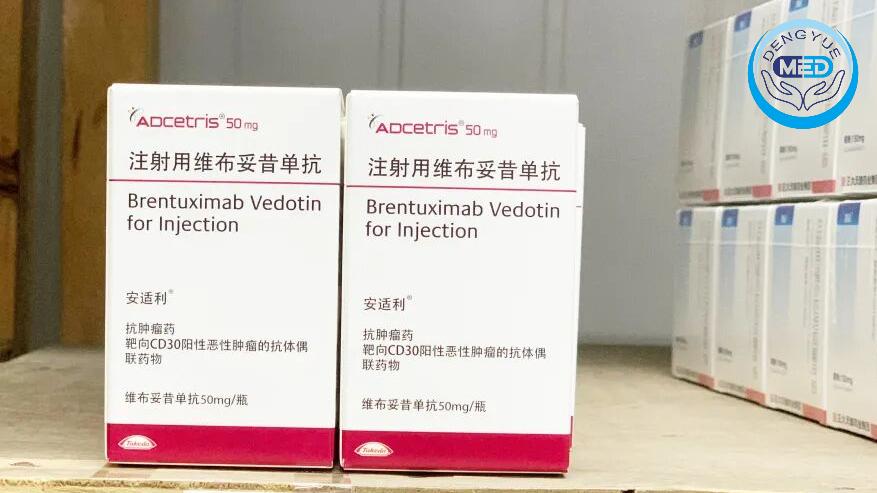
Peripheral T-cell lymphoma (PTCL) is a group of aggressive non-Hodgkin lymphomas originating from mature T cells or natural killer (NK) cells. These diseases are characterized by substantial heterogeneity, rapid clinical progression, and a high risk of relapse in certain subtypes.
For patients receiving initial treatment, achieving a deep response early in the course of the disease and prolonging survival remain important clinical challenges.
On October 23, 2026, Takeda China announced that the National Medical Products Administration (NMPA) of China had approved a new indication for brentuximab vedotin, its CD30-targeted antibody-drug conjugate (ADC).
In combination with cyclophosphamide, doxorubicin, and prednisone (the CHP regimen), the drug is indicated for the treatment of previously untreated adults with systemic anaplastic large cell lymphoma (sALCL) or other CD30-positive PTCLs, including angioimmunoblastic T-cell lymphoma (AITL) and PTCL not otherwise specified (PTCL-NOS).
Hong Kong-based DengYueMed will explore the background and clinical significance of this approval, covering the characteristics of PTCL, the drug’s mechanism of action, and key clinical trial findings.
PTCL Treatment Challenges: The Need for Advances in First-Line Therapy

PTCL is not a single disease but a group of lymphomas with distinct biological characteristics and clinical presentations. sALCL, AITL, and PTCL-NOS are among its representative subtypes.
Compared with certain B-cell lymphomas, PTCL has relatively limited treatment options. Traditional chemotherapy regimens, such as CHOP, have long been used as first-line treatment for various PTCL subtypes. However, treatment responses and long-term outcomes vary, and some patients remain at risk of relapse or disease progression.
Consequently, introducing innovative therapies with defined molecular targets at the initial treatment stage has become an important research direction in PTCL, with the aim of improving response depth and achieving more durable disease control.
CD30 is an important therapeutic target in this field. This protein is expressed on the surface of various lymphoma cells, including tumor cells in certain PTCL subtypes.
By recognizing CD30 and delivering cytotoxic payloads to target cells, researchers have been exploring treatment strategies that combine targeted delivery with antitumor activity.
Brentuximab Vedotin: A CD30-Targeted ADC Therapy
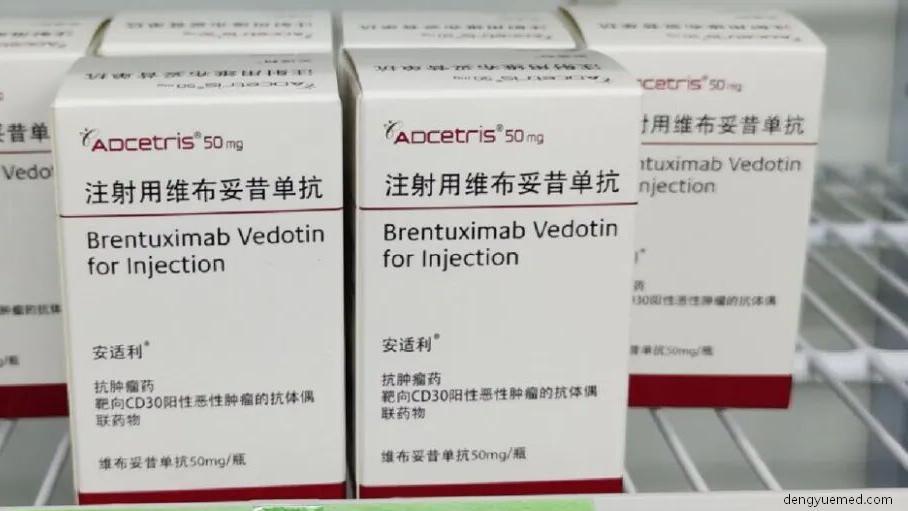
Brentuximab vedotin (Adcetris®) is a CD30-targeted antibody-drug conjugate (ADC) consisting of an anti-CD30 monoclonal antibody linked to the microtubule-disrupting agent monomethyl auristatin E (MMAE).
Its mechanism of action involves three main steps:
- Target Recognition: The antibody specifically recognizes and binds to CD30 on the surface of tumor cells.
- Payload Delivery: The drug complex is internalized by the cell, releasing the cytotoxic payload MMAE.
- Tumor Cell Inhibition: MMAE disrupts microtubule structure and function, inhibits cell division, and promotes tumor cell death.
This mechanism combines the target-recognition capabilities of an antibody with the antitumor activity of a cytotoxic agent, providing a treatment approach for CD30-positive lymphomas that differs from conventional chemotherapy alone.
Brentuximab vedotin was originally developed by Seagen. In 2023, Pfizer completed its acquisition of Seagen. Pfizer and Takeda currently share responsibility for the drug’s global development and commercialization.
Before the latest approval for first-line PTCL treatment, brentuximab vedotin had already received approval in China for indications involving several lymphoma types:
- Classical Hodgkin lymphoma (cHL)
- Systemic anaplastic large cell lymphoma (sALCL)
- Mycosis fungoides (MF)
- Primary cutaneous anaplastic large cell lymphoma (pcALCL)
The new approval further expands the use of brentuximab vedotin in CD30-positive lymphomas, providing an additional first-line treatment option for eligible adults with PTCL.
ECHELON-2 Trial: Evidence of Long-Term Benefits in First-Line Treatment
The clinical value of brentuximab vedotin plus CHP is supported by the pivotal Phase III ECHELON-2 trial.
The study enrolled previously untreated patients with CD30-positive PTCL and compared the efficacy and safety of brentuximab vedotin plus CHP with those of the conventional CHOP regimen.
The key results are summarized below:
| Key Efficacy Measure | Brentuximab Vedotin + CHP | CHOP |
|---|---|---|
| Complete response (CR) rate | 68% | 56% |
| Risk of disease progression or death | Reduced by 30% | Reference group |
| Risk of death | Reduced by 28% | Reference group |
| 5-year overall survival (OS) rate | 70.1% | 61.0% |
The results showed that, compared with CHOP, brentuximab vedotin plus CHP increased the complete response rate to 68% while reducing the risks of disease progression or death and of death.
At five years of follow-up, the OS rate in the combination group reached 70.1%, demonstrating a long-term survival benefit.
For PTCL, an aggressive disease associated with a substantial risk of relapse in certain subtypes, the goals of first-line treatment extend beyond tumor shrinkage. They include achieving deeper responses, prolonging disease control, and improving long-term survival.
The ECHELON-2 findings provide important clinical evidence supporting the use of brentuximab vedotin plus CHP in previously untreated patients with CD30-positive PTCL.
Chinese Bridging Study: Tumor Shrinkage or Complete Disappearance in Over 96% of Patients
In addition to the global Phase III trial, the C25024 bridging study conducted in Chinese patients provides further clinical data supporting the use of this regimen in the Chinese population.
Among 52 Chinese adults with previously untreated CD30-positive PTCL, brentuximab vedotin plus CHP achieved an objective response rate (ORR) of 96.2%, meaning that more than 96% of patients experienced tumor shrinkage or complete disappearance. The complete response (CR) rate was 75.0%.
The key efficacy findings from the C25024 Chinese bridging study are summarized below:
| Study Measure | Result |
|---|---|
| Number of patients enrolled | 52 |
| Objective response rate (ORR) | 96.2% |
| Complete response (CR) rate | 75.0% |
| ORR in ALK-positive anaplastic large cell lymphoma | 100% |
| CR rate in angioimmunoblastic T-cell lymphoma | 90% |
| 1-year progression-free survival (PFS) rate | 83.67% |
| 1-year overall survival (OS) rate | 93.88% |
| Median follow-up | 21 months |
Positive responses were also observed across different disease subtypes. The ORR reached 100% in patients with ALK-positive anaplastic large cell lymphoma, while the CR rate was 90% in patients with AITL.
Regarding survival outcomes, at a median follow-up of 21 months, the study reported a 1-year PFS rate of 83.67% and a 1-year OS rate of 93.88%. No new safety signals were observed.
Overall, the Chinese bridging study showed a high response rate with brentuximab vedotin plus CHP in Chinese patients with CD30-positive PTCL, along with encouraging early survival outcomes. These findings provide additional support for the use of this regimen in China.
Conclusion: Expanding CD30-Targeted Therapy from Relapsed or Refractory Disease to First-Line Treatment

The approval of brentuximab vedotin for a new first-line PTCL indication in China further expands the role of CD30-targeted therapy in lymphoma treatment and provides a new treatment option for Chinese patients with CD30-positive PTCL.
Evidence from the global Phase III trial and the Chinese bridging study suggests that the regimen offers promising clinical benefits in terms of response rates and long-term survival, providing additional evidence to support the optimization of first-line PTCL treatment strategies.
As China’s innovative drug development and clinical applications continue to advance, more potential treatment options are attracting global attention.
As a China pharmaceutical exporter, DengYueMed closely follows developments in Chinese drug approvals, innovative drug research and development, and pharmaceutical supply chains. The company provides business support related to Chinese pharmaceutical resources and supply chains for international pharmaceutical companies, drug distributors, and healthcare institutions, helping global partners better understand China’s pharmaceutical innovation landscape and available supply channels.