New Variables in Global Pharmaceutical Procurement 2026
China’s Innovative Drug Expansion Across Cardiovascular, Oncology and Antiviral Frontiers
Across the broader evolution discussed on the DengYueMed platform, early 2026 signals a structural shift in China’s pharmaceutical innovation landscape.
If the wave of innovative launches in early 2026 represents structural expansion, the cluster of approvals in December 2025 reflects horizontal technological diversification.
From modulation of myocardial contractility to RNA interference–based lipid reduction; from tumor microenvironment regulation in rare cancers to cell-cycle control in breast cancer; and further to inhibition of influenza viral replication—China’s pipeline is expanding toward greater precision and therapeutic breadth.
The signal is clear:
China’s innovation is no longer concentrated in a single oncology track.
A more balanced portfolio is emerging across cardiovascular disease, precision oncology, RNA therapeutics, and public health antivirals.
I. Cardiovascular Therapy Enters the “Mechanism Era”
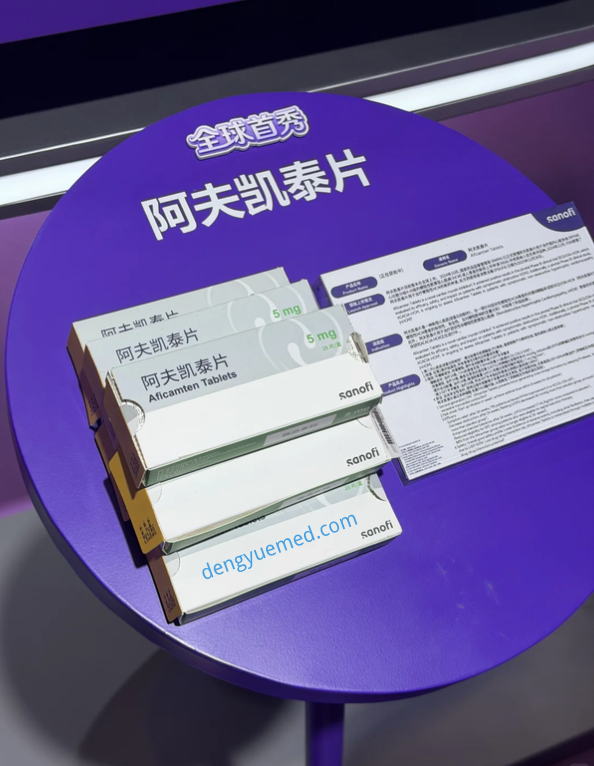
Afu Katai Tablets
(Cardiac Myosin Inhibitor | Obstructive Hypertrophic Cardiomyopathy | Approved December 22, 2025)
This therapy represents a breakthrough in direct modulation of cardiac contractile mechanisms.
For decades, hypertrophic cardiomyopathy management relied primarily on symptomatic pharmacologic control or surgical intervention. Direct targeting of myocardial contractile proteins introduces a mechanism-driven approach aligned with precision cardiology trends.
Fentuosilan Sodium Injection
(siRNA Targeting Lipoprotein(a) | Approved December 15, 2025)
Lipoprotein(a) is recognized globally as an independent cardiovascular risk factor, yet traditional lipid-lowering therapies have minimal impact on it.
RNA interference technology now enables targeted suppression of Lp(a) expression, signaling China’s deeper engagement in molecular cardiovascular regulation.
This reflects a broader transformation:
Innovation is moving beyond traditional “cholesterol-lowering” paradigms toward mechanistic intervention at the genetic and protein levels.
II. Oncology: From Mainstream Indications to Rare Segments
As detailed in our broader Oncology Insights section, oncology remains central to China’s innovative drug strategy — but its internal structure is changing.
Kumosili Capsules
(CDK4/6 Inhibitor | HR+/HER2- Breast Cancer | Approved December 15, 2025)
CDK4/6 inhibitors are now foundational in global breast cancer treatment guidelines. New domestic entrants introduce potential differentiation in tolerability, access, and pricing structures.
Pimitinib Hydrochloride Capsules
(CSF-1R Inhibitor | Tenosynovial Giant Cell Tumor | Approved December 22, 2025)
Unlike mainstream oncology drugs, this therapy targets a rare tumor subtype by modulating the tumor microenvironment.
The structural significance is clear:
China’s oncology innovation is no longer focused solely on high-incidence cancers.
It now simultaneously addresses large populations and precision niche segments.
III. Strengthened Public Health and Antiviral Preparedness
Mapaxavir Capsules
(Cap-dependent Endonuclease Inhibitor | Influenza A & B | Approved December 15, 2025)
Influenza remains a cyclical global public health concern.
Novel antiviral mechanisms carry not only seasonal commercial value but also strategic importance in pandemic preparedness frameworks.
China’s expansion into this segment reflects broader health security positioning.
Horizontal Technological Expansion: A Structural Signal
Reviewing these five approvals reveals three technological trajectories:
- Precision modulation of molecular mechanisms
- Tumor cell cycle and microenvironment targeting
- Viral replication enzyme inhibition
This is horizontal expansion — not deepening within a single therapeutic niche, but broad-based advancement across multiple domains.
It suggests China’s innovative drug ecosystem is evolving from isolated breakthroughs toward systemic maturity.
Implications for Global Procurement and Supply Chain Structures
As discussed in our analysis of
Global Pharmaceutical Supply Chain Risk,
innovation alone does not determine market impact.
For overseas institutions, translation of innovation into accessible treatment depends on:
- Stable batch supply capability
- Export documentation compliance
- Cold-chain and ambient logistics readiness
- Regulatory adaptability across markets
In a multi-therapeutic expansion phase, supply chain architecture must evolve in parallel with R&D progress.
Structural Maturity, Not Isolated Growth
The December 2025 approvals represent more than numerical expansion.
When mechanism-based cardiovascular therapies, RNA interference drugs, rare tumor targeting agents, and antivirals emerge simultaneously, it signals coordinated multi-track development.
For the global market, this implies:
The value of Chinese innovative drugs increasingly lies in:
- Mechanistic originality
- Clinical gap-filling
- Diversified therapeutic coverage
- Integrated supply capability
In this evolving landscape, Chinese pharmaceutical enterprises participating in international markets will increasingly operate at the intersection of innovation, compliance, and global distribution networks.
DengYue Medical
Global Oncology Intelligence | Cardiovascular Innovation | Pharmaceutical Supply Chain Strategy