Mirdametinib vs Selumetinib: Which MEK Inhibitor Is Better for Neurofibromatosis Type 1 (NF1)?
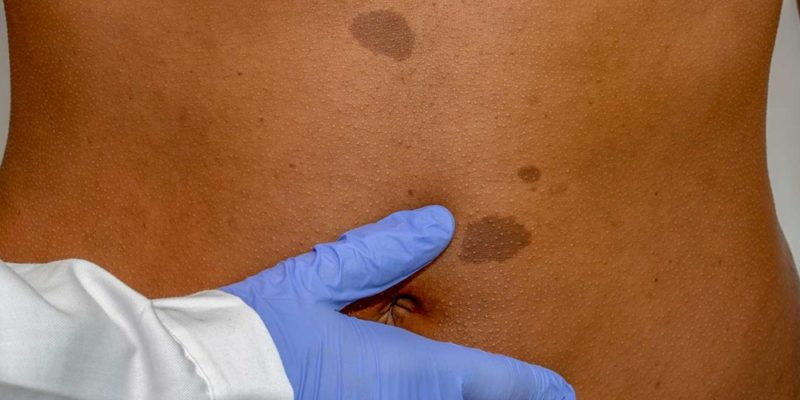
Neurofibromatosis Type 1 (NF1) is a common autosomal dominant genetic disorder caused by mutations in the NF1 gene. It can lead to café-au-lait macules, cutaneous neurofibromas, plexiform neurofibromas (PN), as well as complications affecting the skeletal and nervous systems.
In recent years, the development of MEK inhibitors has significantly advanced the treatment of NF1-associated plexiform neurofibromas. Among them, Selumetinib and Mirdametinib are two of the most widely discussed targeted therapies.
So, what are the differences between these two drugs? Which MEK inhibitor may be more suitable for patients with NF1?
As a global pharmaceutical distributor, DengYueMed compares their mechanism of action, indications, efficacy, and safety to help you better understand these treatment options.
What Are MEK Inhibitors?
The NF1 gene encodes neurofibromin, a protein that regulates the RAS signaling pathway.
When the NF1 gene is mutated, the RAS/MAPK signaling pathway becomes overactivated, leading to abnormal cell proliferation and the development of neurofibromas.
MEK inhibitors work by blocking the MEK protein within the RAS/RAF/MEK/ERK signaling pathway, thereby reducing abnormal signaling, helping control tumor growth, and improving symptoms in some patients.
Currently, both Selumetinib and Mirdametinib belong to this class of targeted therapies.
Mirdametinib vs Selumetinib: Basic Comparison
| Item | Mirdametinib | Selumetinib |
|---|---|---|
| Drug Class | MEK1/2 inhibitor | MEK1/2 inhibitor |
| First Approval | FDA approved in 2025 | FDA approved in 2020; approved by China’s NMPA in 2023 |
| Mechanism of Action | Inhibits the RAS/MAPK signaling pathway | Inhibits the RAS/MAPK signaling pathway |
| Main Indication | NF1-associated plexiform neurofibromas (adults and children, subject to local approved indications) | NF1-associated plexiform neurofibromas (initially approved for pediatric patients, with adult indications expanded in some regions) |
| Pivotal Clinical Trial | ReNeu | SPRINT |
| Dosing Schedule | Intermittent dosing | Continuous dosing |
| Treatment Goal | Reduce tumor size and improve symptoms | Reduce tumor size and improve symptoms |
| Clinical Experience | More recently approved; long-term follow-up data are still accumulating | Earlier approval with more extensive long-term clinical experience |
Although both drugs belong to the same class of MEK inhibitors, they differ in clinical evidence, approved patient populations, and real-world clinical experience.
Efficacy Comparison: Both Drugs Can Reduce Plexiform Neurofibromas
Clinical studies have shown that MEK inhibitors can help some patients with NF1 achieve tumor shrinkage while improving pain, physical function, appearance, and overall quality of life.
Selumetinib (Koselugo)
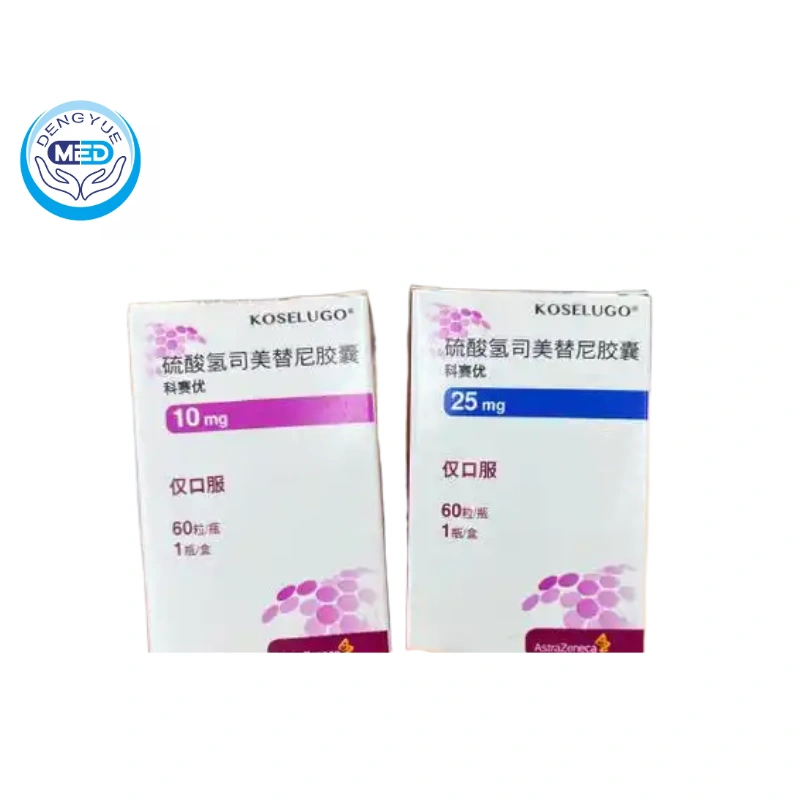
Selumetinib was one of the first MEK inhibitors approved worldwide for the treatment of inoperable NF1-associated plexiform neurofibromas and has extensive clinical experience in pediatric patients.
Results from the pivotal SPRINT trial demonstrated durable tumor shrinkage in many patients, along with improvements in pain, functional impairment, and other clinical outcomes, making it an important targeted treatment option for NF1.
Mirdametinib (Gomekli)
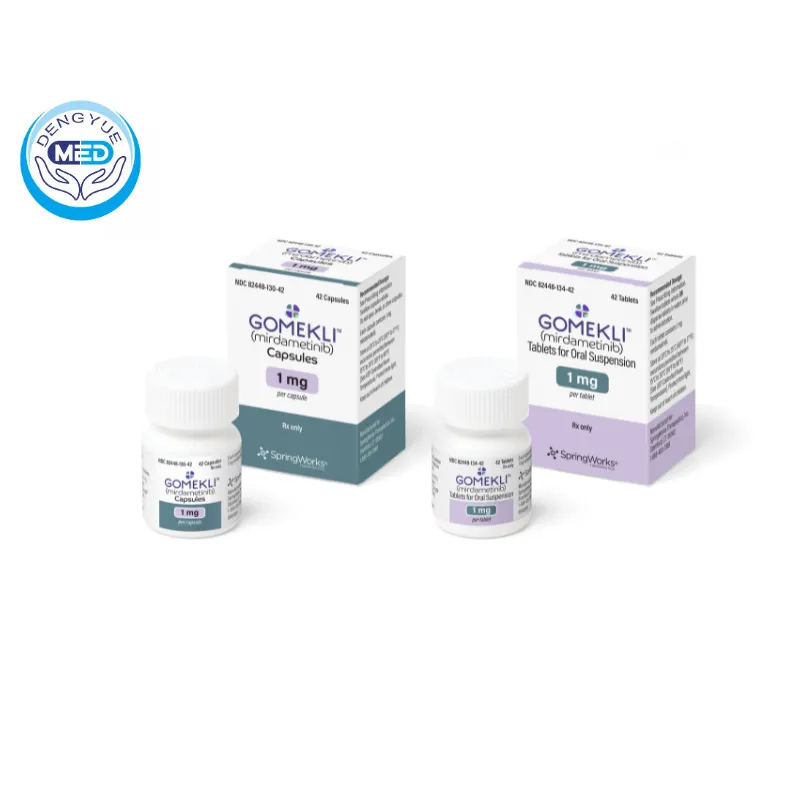
Mirdametinib was approved based on the pivotal ReNeu trial, which demonstrated encouraging antitumor activity in both pediatric and adult patients with NF1.
Clinical data showed that Mirdametinib not only reduced the size of plexiform neurofibromas but also improved pain, functional limitations, and quality of life, providing a new treatment option for a broader patient population.
Overall, both drugs have demonstrated favorable clinical efficacy. However, there are currently no large head-to-head randomized clinical trials directly comparing the efficacy of Mirdametinib and Selumetinib.
Safety Comparison
As both drugs are MEK inhibitors, they share similar safety profiles.
Common adverse reactions include:
- Rash
- Acneiform dermatitis
- Diarrhea
- Nausea
- Fatigue
- Peripheral edema
- Elevated creatine kinase
- Nail disorders
During treatment, routine monitoring is generally recommended for:
- Cardiac function
- Ophthalmologic examinations
- Liver function
- Blood chemistry parameters
Most adverse events can be managed through dose adjustment, temporary treatment interruption, or supportive care. Treatment decisions should always be made under the guidance of a qualified healthcare professional.
Which Patients May Benefit from Mirdametinib?
In general, Mirdametinib may be considered for:
- Patients with inoperable NF1-associated plexiform neurofibromas
- Adults with NF1
- Pediatric patients with NF1 (according to locally approved indications)
- Patients experiencing pain, functional impairment, or progressive tumor growth
Whether Mirdametinib is appropriate should be determined based on local regulatory approvals, clinical guidelines, and physician evaluation.
Which Patients May Benefit from Selumetinib?
Selumetinib is commonly considered for:
- Patients with inoperable NF1-associated plexiform neurofibromas
- Pediatric patients
- Patients requiring long-term disease control
Because Selumetinib has been available for a longer period, it has accumulated more extensive clinical experience and long-term follow-up data.
Mirdametinib vs Selumetinib: How Should You Choose?
Choosing between these two MEK inhibitors involves more than simply comparing efficacy.
Factors to consider include:
- Patient age
- Tumor size and location
- Presence of pain or functional impairment
- Local drug availability
- Physician experience
- Tolerability of adverse reactions
- Insurance coverage and treatment costs
For some patients, if one MEK inhibitor provides insufficient benefit or causes unacceptable adverse effects, physicians may consider adjusting the treatment strategy based on the individual’s condition.
Therefore, neither drug can be considered universally superior. Treatment decisions should always be individualized according to each patient’s clinical circumstances.
Conclusion
Both Mirdametinib and Selumetinib are important MEK inhibitors for the treatment of NF1-associated plexiform neurofibromas.
Although they share similar mechanisms of action and can help reduce tumor size while improving symptoms in some patients, they differ in approved indications, clinical evidence, and accumulated treatment experience.
For patients with NF1, the choice between these therapies should be based on factors such as age, disease characteristics, treatment goals, drug availability, and physician recommendations, rather than relying solely on comparisons between the two medications.
As a global pharmaceutical distributor, DengYueMed closely follows the latest advances in innovative therapies for neurofibromatosis and other rare diseases while supporting global access to medicines. We are committed to providing compliant pharmaceutical supply solutions and cross-border medication services for healthcare institutions, business partners, and international patients, helping improve access to innovative treatment options worldwide.