Profits from Weight-Loss Drugs Fuel a Growing Gray Market: How Can Global Pharmaceutical Regulation Achieve Long-Term Governance?
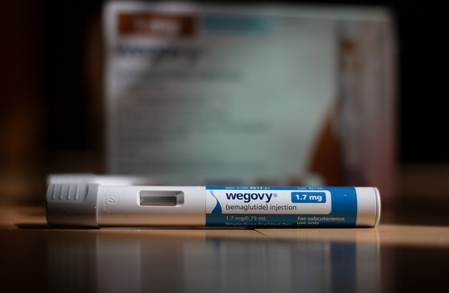
In recent years, GLP-1-based weight-loss medications such as semaglutide and tirzepatide have gained enormous popularity worldwide, driving explosive market demand. The extraordinary profits associated with these therapies have fueled the emergence of a sophisticated gray-market ecosystem spanning manufacturing, distribution, online marketing, and offline sales.
Counterfeit products, substandard medicines, and illegally compounded formulations have proliferated, posing significant risks to patient safety worldwide.
Faced with challenges including cross-border pharmaceutical counterfeiting, inadequate online oversight, and inconsistent regulatory standards among countries, global drug regulatory systems are under unprecedented pressure.
Surging Demand and Massive Profits Drive the Expansion of Gray-Market Supply Chains
The combination of rising global obesity rates and growing consumer interest in rapid weight-loss solutions has transformed GLP-1 medications into highly sought-after products for both legitimate businesses and criminal networks.
Authentic branded products remain expensive. Annual treatment costs for semaglutide-based weight-loss therapies such as Wegovy can reach thousands of dollars, while illegally manufactured copies or unauthorized compounded products may cost only a few dollars to produce and sell for many times their production cost.
The gray-market supply chain is highly organized and difficult to detect:
- Underground workshops illegally synthesize active pharmaceutical ingredients or add prohibited substances such as sibutramine and diuretics to produce unapproved weight-loss products.
- Smuggling networks use personal purchasing agents and informal logistics channels to move counterfeit products across borders.
- Social media influencers promote products with claims such as “proven weight-loss results” and “lose weight in 30 days,” directing consumers into private purchasing channels.
- Unlicensed online pharmacies and informal distributors create multilayered sales networks.
Together, these activities form a closed-loop system of illegal manufacturing, cross-border transportation, online promotion, and private transactions that often evade regulatory scrutiny.

Counterfeit Weight-Loss Drugs Trigger Global Safety Concerns
Products distributed through these gray-market channels frequently suffer from poor quality control, uncertain ingredients, and significant safety risks.
The World Health Organization (WHO) and national regulatory authorities have reported multiple incidents involving injuries and deaths linked to illegal weight-loss drugs. In Austria and Lebanon, several patients experienced severe hypoglycemia, seizures, and even coma after using counterfeit semaglutide products.
According to data released by the U.S. Food and Drug Administration (FDA), multiple individuals worldwide have been hospitalized following the use of substandard or counterfeit GLP-1 medications, including cases involving serious adverse events and fatalities.
Similar incidents have also been reported in multiple countries involving counterfeit semaglutide and tirzepatide products, highlighting growing concerns around online pharmaceutical sales and unregulated supply chains.
Global Regulatory Challenges Highlight Critical Weaknesses
The increasingly international, concealed, and digitalized nature of the illegal weight-loss drug trade has exposed significant weaknesses within existing pharmaceutical regulatory systems.
Cross-border enforcement remains particularly challenging. Differences in drug approval procedures, regulatory requirements, and legal penalties create opportunities for criminal organizations to exploit jurisdictional gaps.
Online oversight also lags behind the evolving threat landscape. Social media platforms, livestream sales, and private online communities have become major distribution channels for counterfeit medicines.
In addition, some platforms have been criticized for allowing misleading advertising and unauthorized pharmaceutical sales in pursuit of commercial gain.
Building a Global Framework for Long-Term Governance
Addressing the challenges posed by the gray-market weight-loss drug industry requires coordinated international action and the establishment of a sustainable governance framework based on:
- Global cooperation
- End-to-end traceability
- Strict enforcement
- Public education
Strengthening International Regulatory Cooperation
The WHO should continue to play a leading coordinating role by promoting harmonized regulatory standards for GLP-1 medications, facilitating information sharing among national regulatory authorities, and supporting joint enforcement initiatives.
Improving Traceability Across the Entire Supply Chain
Promote the global implementation of the “one item, one code” traceability system for weight-loss drugs, ensuring full-process monitoring from manufacturing to patient delivery.
Increase Penalties to Raise the Cost of Illegal Activities
Countries should strengthen legal penalties against counterfeit drug manufacturing, cross-border smuggling, and illegal pharmaceutical distribution.
Strengthen Public Education and Awareness
Consumers should be educated on:
- The dangers of counterfeit GLP-1 drugs
- The risks of unauthorized online purchases
- The importance of prescription supervision
- Safe sourcing practices
Industry Collaboration and Responsibility
As a licensed importer and wholesaler of specialty pharmaceuticals authorized by the Hong Kong Department of Health, DengYueMed emphasizes compliant operations, supply-chain transparency, and pharmaceutical safety.
The company continues strengthening:
- Supplier qualification review
- Cold-chain management
- Product traceability
- Compliance verification
- Patient safety education
Conclusion
As global demand for GLP-1 therapies continues expanding, counterfeit medicines and gray-market supply chains are becoming increasingly sophisticated.
Addressing these challenges requires long-term international cooperation among regulators, pharmaceutical companies, healthcare institutions, and patients.
Only through transparent, traceable, and compliant pharmaceutical systems can innovative therapies truly benefit patients safely and sustainably.
Related Posts
- Mirdametinib vs Selumetinib: Which MEK Inhibitor Is Better for Neurofibromatosis Type 1 (NF1)?
- From Frequent Management to Long-Acting Treatment: How Plozasiran's Three-Month Dosing Is Changing FCS Care
- China's First Generic Tiotropium Bromide and Olodaterol Inhalation Spray Approved: Ending an 8-Year Market Exclusivity and Bringing New Options for COPD Treatment