What Is Hidden Behind 'Low-Cost CAR-T'? Global Regulators Are Cracking Down
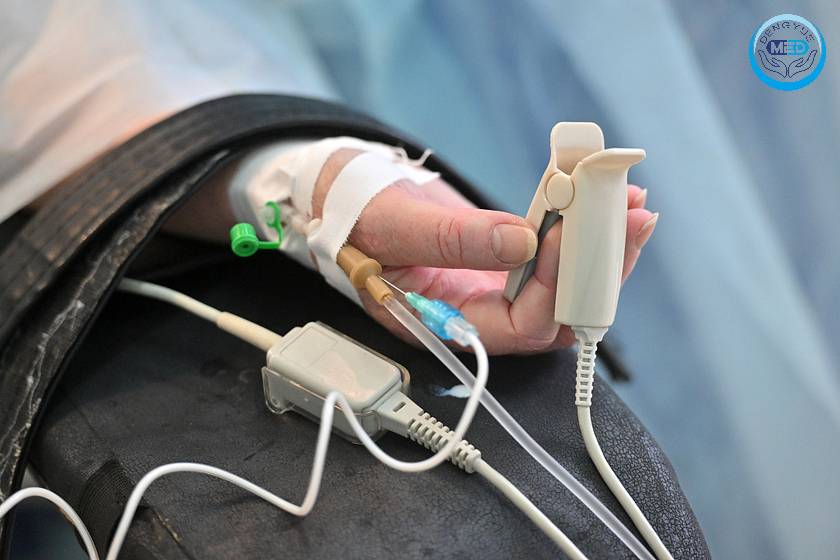
In recent years, CAR-T cell therapy has been regarded as one of the most groundbreaking innovations in modern oncology. From leukemia and lymphoma to multiple myeloma, CAR-T has produced remarkable clinical outcomes and provided new hope for patients with certain hematologic malignancies.
As demand for CAR-T therapy continues to grow worldwide, however, an increasingly active gray market has also emerged. Advertisements promoting “low-cost overseas CAR-T,” “no waiting required,” or “private laboratory cell therapy” are becoming more common across websites, social media platforms, and messaging applications.
While these offers may appear attractive to patients seeking faster or less expensive treatment, they may conceal significant risks—including unlicensed laboratories, falsified clinical claims, inadequate quality control, improper cold-chain transportation, and even fraudulent or counterfeit products.
Around the world, regulatory authorities are strengthening oversight of cell therapies, increasing inspections, and cracking down on illegal CAR-T services in an effort to protect patient safety.
Why Has CAR-T Become a Target for the Gray Market?
Unlike conventional medicines, CAR-T therapy is an individualized cell-based treatment. Each patient’s therapy is manufactured from their own immune cells through a highly specialized process.
A legitimate CAR-T treatment pathway typically includes:
- Patient leukapheresis (cell collection)
- Transportation to a GMP-certified manufacturing facility
- Genetic modification of T cells
- Cell expansion and cultivation
- Comprehensive quality testing
- Cryogenic transportation
- Hospital-based infusion
- Intensive post-treatment monitoring
Every stage must comply with strict manufacturing standards and regulatory requirements.
Because of this complexity, CAR-T therapy remains one of the most sophisticated—and costly—forms of cancer treatment available today.
Unfortunately, high treatment costs have created opportunities for illegal organizations to market unrealistic alternatives.
Common advertising claims include:
- “Direct access to overseas laboratories”
- “Immediate treatment without waiting”
- “Half the hospital price”
- “Guaranteed effectiveness”
- “Latest fourth-generation CAR-T”
These marketing messages often target patients with advanced cancers who are urgently searching for additional treatment options.
Meanwhile, social media, online communities, and cross-border medical brokers have made these promotions increasingly difficult to regulate.
Where Does the “Low Cost” Really Come From?
One of the biggest misconceptions is that CAR-T therapy can legitimately be offered at dramatically reduced prices.
In reality, the cost of CAR-T reflects numerous highly specialized components, including:
- GMP-certified manufacturing facilities
- Highly trained laboratory personnel
- Viral vector production
- Genetic engineering technologies
- Extensive quality control testing
- Cryogenic logistics
- Specialized hospital care
- Management of potentially life-threatening adverse events
If an institution advertises prices that are dramatically lower than recognized treatment centers, important parts of the manufacturing or clinical process may have been omitted.
This can significantly compromise both safety and treatment quality.
Risk 1: Manufacturing Cells in Unlicensed Laboratories
Perhaps the greatest concern involves unauthorized laboratories that operate outside established regulatory frameworks.
Some facilities may lack:
- GMP certification
- Sterile clean-room environments
- Validated manufacturing protocols
- Independent quality assurance
- Appropriate contamination controls
Potential consequences include:
- Microbial contamination
- Manufacturing inconsistencies
- Poor cell viability
- Product instability
- Increased infection risk
Patients rarely have any opportunity to verify where or how their cells are actually processed.
Risk 2: False Clinical Data and Misleading Marketing
Another major problem involves exaggerated or fabricated claims regarding treatment effectiveness.
Some organizations promote:
- Inflated remission rates
- Unverified overseas success stories
- Fake physician endorsements
- Misleading international certifications
- Nonexistent clinical trial results
These marketing materials often appear highly professional, making them difficult for patients and families to evaluate.
For individuals facing advanced cancer, such claims can create unrealistic expectations and influence critical medical decisions.
Risk 3: Unapproved Technologies May Be Used
Some organizations promote experimental concepts using attractive marketing language, such as:
- “Fourth-generation CAR-T”
- “Next-generation cell therapy”
- “Universal CAR-T”
- “AI-powered CAR-T”
- “Enhanced immune cell therapy”
While many of these technologies are being actively researched, not all have completed rigorous clinical evaluation or received regulatory approval.
Some remain in very early laboratory research, while others are only available within carefully monitored clinical trials.
Patients should remember that newer does not always mean safer or more effective. Legitimate medical innovation requires years of scientific validation before becoming routine clinical practice.
Why Must CAR-T Therapy Be Strictly Regulated?
CAR-T therapy is fundamentally different from conventional medicines.
After infusion, CAR-T cells continue to multiply inside the patient’s body and actively interact with the immune system. Because of this unique mechanism, treatment may trigger serious complications that require immediate medical intervention.
Potential complications include:
- Cytokine Release Syndrome (CRS)
- Immune effector cell-associated neurotoxicity syndrome (ICANS)
- Severe infections
- Bone marrow suppression
- Organ dysfunction
- Long-term immune abnormalities
Some patients require intensive care monitoring during the highest-risk treatment period.
For this reason, approved CAR-T products are generally administered only at specialized medical centers that possess:
- Experienced hematology and oncology teams
- Intensive care support
- Neurology consultation
- Blood bank services
- Emergency response capability
- Continuous laboratory monitoring
These resources allow complications to be recognized and treated quickly if they occur.
Underground treatment centers rarely possess comparable medical infrastructure.
Why Is Hospital Accreditation So Important?
Receiving CAR-T treatment involves far more than simply infusing engineered cells.
Treatment requires coordinated care before, during, and after infusion.
Accredited hospitals typically perform:
- Comprehensive patient evaluation
- Disease staging
- Organ function assessment
- Infection screening
- Bridging therapy when necessary
- Lymphodepleting chemotherapy
- Continuous monitoring after infusion
- Long-term follow-up
Each stage follows standardized clinical protocols.
By comparison, some illegal providers may simply advertise “cell infusion” without explaining how patients will be monitored if severe complications develop.
The absence of standardized supportive care may substantially increase treatment risks.
Is “Overseas CAR-T” Always Safer?
Many patients assume that receiving CAR-T therapy overseas automatically guarantees higher quality.
In reality, treatment quality depends on the institution—not merely its location.
Legitimate international CAR-T programs typically provide transparent information regarding:
- Hospital accreditation
- Physician qualifications
- Regulatory approvals
- Approved CAR-T products
- Clinical trial registration (when applicable)
- Treatment protocols
- Estimated risks
- Patient eligibility criteria
By contrast, questionable intermediaries often provide only limited information.
Warning signs may include:
- Hospital name cannot be independently verified.
- Physician identities remain unclear.
- Product manufacturer is not disclosed.
- No official approval documentation is available.
- Communication occurs exclusively through private messaging applications.
- Requests for large upfront payments without formal medical consultation.
Patients should independently verify every institution before making treatment decisions.
Global Regulators Are Increasing Enforcement
As CAR-T therapies become increasingly available, regulatory agencies around the world are strengthening oversight of cell and gene therapies.
Their priorities include:
- Preventing unauthorized manufacturing
- Eliminating illegal marketing
- Strengthening GMP inspections
- Improving product traceability
- Enhancing pharmacovigilance
- Protecting patients from fraudulent treatments
Many countries have also increased cooperation among healthcare regulators, customs authorities, and law enforcement agencies to investigate cross-border illegal cell therapy operations.
International collaboration has become increasingly important because unauthorized providers often operate across multiple jurisdictions.
Why Cold-Chain Management Matters
Unlike conventional pharmaceuticals, CAR-T products contain living cells.
These cells require extremely strict storage and transportation conditions to maintain viability.
Legitimate CAR-T logistics generally involve:
- Validated cryogenic containers
- Continuous temperature monitoring
- Chain-of-custody documentation
- Identity verification throughout transportation
- Qualified logistics providers
- Emergency contingency procedures
If transportation standards are not maintained, cell viability may decrease significantly, potentially affecting treatment quality.
Proper logistics therefore represent an essential component of CAR-T safety rather than a simple transportation issue.
Patients Should Be Cautious of Unrealistic Promises
Cancer patients naturally hope to find the most effective treatment available.
Unfortunately, this emotional vulnerability can also make misleading advertisements particularly persuasive.
Patients should remain cautious when encountering statements such as:
- “100% cure”
- “Guaranteed remission”
- “No side effects”
- “Instant results”
- “Newest technology unavailable elsewhere”
- “Secret overseas treatment”
- “Limited-time discounted CAR-T”
No legitimate medical institution can ethically guarantee treatment success for every patient.
CAR-T therapy has demonstrated remarkable clinical benefit in selected diseases, but treatment outcomes vary considerably depending on:
- Disease type
- Tumor burden
- Previous treatments
- Patient health status
- Biological characteristics
- Individual immune response
Responsible physicians discuss both potential benefits and possible risks before treatment begins.
How Can Patients Reduce the Risk of CAR-T Scams?
As CAR-T therapy becomes more widely available, patients should remain cautious and make treatment decisions based on reliable medical information rather than online advertisements.
Before choosing any CAR-T treatment program, patients should verify several key factors.
1. Confirm Regulatory Approval
Patients should determine whether the CAR-T product has been approved by the relevant national regulatory authority or is being administered as part of a legally registered clinical trial.
Important questions include:
- Is the CAR-T product officially approved?
- Is the treatment conducted under an authorized clinical protocol?
- Can the institution provide supporting documentation?
2. Verify Hospital Qualifications
Legitimate CAR-T therapy is generally available only at qualified medical centers with specialized hematology and oncology departments.
Patients should verify:
- Hospital accreditation
- CAR-T treatment authorization
- Physician credentials
- Experience managing CAR-T complications
A reputable institution should willingly provide this information.
3. Understand the Manufacturing Process
Patients should ask how their CAR-T cells are produced.
Key questions include:
- Which laboratory manufactures the cells?
- Is the laboratory GMP certified?
- How is product quality tested?
- How is patient identity verified throughout manufacturing?
- How are cells transported?
Legitimate providers maintain complete documentation throughout the manufacturing process.
4. Beware of Unrealistic Marketing
Patients should remain skeptical of advertisements promising:
- Guaranteed cures
- Zero risks
- Immediate treatment
- Extremely low prices
- Exclusive “secret” technologies
- Success rates without supporting clinical evidence
Cancer treatment is highly individualized, and no responsible physician can guarantee success for every patient.
5. Consult Qualified Specialists
Before making any cross-border treatment decision, patients should discuss available options with experienced hematologists or oncologists.
Professional medical advice is always more reliable than anonymous online recommendations or social media promotions.
The Future of CAR-T Still Holds Great Promise
Although regulators continue to crack down on illegal CAR-T programs, the future of legitimate CAR-T therapy remains extremely promising.
Researchers worldwide are working to improve multiple aspects of CAR-T technology, including:
- Dual-target CAR-T therapies
- Universal (“off-the-shelf”) CAR-T products
- Faster manufacturing platforms
- Automated cell production
- Improved safety profiles
- Reduced cytokine release syndrome
- Lower manufacturing costs
- Expansion into solid tumors
As manufacturing technologies continue to mature, experts expect CAR-T therapy to become increasingly accessible while maintaining rigorous quality and safety standards.
At the same time, governments and regulatory agencies continue strengthening oversight of advanced cell therapies, helping create a safer global treatment environment.
DengYueMed’s Commitment to Safe Pharmaceutical Supply Chains
As a Hong Kong–based pharmaceutical service platform focusing on innovative medicines and international healthcare, DengYueMed closely follows developments in CAR-T therapy, cell therapy regulation, oncology innovations, and global pharmaceutical policies.
Rather than promoting unverified treatment options, DengYueMed is committed to sharing reliable medical information and supporting compliant international pharmaceutical supply chains.
The company continues monitoring developments involving:
- CAR-T therapies
- Cell and gene therapies
- Innovative oncology medicines
- International pharmaceutical regulations
- Cold-chain logistics
- Cross-border medicine supply
- Drug traceability systems
- Emerging cancer treatment technologies
By providing educational content and industry updates, DengYueMed aims to help healthcare professionals, partners, and international readers better understand the rapidly evolving landscape of precision medicine.
Conclusion
CAR-T therapy represents one of the most important advances in modern cancer treatment. For many patients with hematologic malignancies, it has delivered meaningful clinical benefits and expanded treatment possibilities.
However, the rapid growth of CAR-T has also attracted illegal providers seeking to profit from patient anxiety through misleading advertising and unauthorized treatment programs.
Patients should remember that legitimate CAR-T therapy is built upon rigorous scientific research, standardized manufacturing, strict regulatory oversight, qualified medical teams, and comprehensive patient monitoring.
Choosing treatment based solely on low price or promotional claims may expose patients to significant medical and financial risks.
As regulatory authorities around the world continue strengthening oversight of advanced cell therapies, patients are encouraged to seek care through qualified medical institutions, verify treatment credentials carefully, and rely on transparent, evidence-based medical information when considering CAR-T therapy.
The future of CAR-T remains exceptionally promising—but safe innovation depends on scientific integrity, regulatory compliance, and patient-centered care.
Frequently Asked Questions (FAQ)
Is CAR-T Therapy Approved Worldwide?
No.
CAR-T approvals vary by country and region. Different regulatory authorities—including the U.S. Food and Drug Administration (FDA), the European Medicines Agency (EMA), and China’s National Medical Products Administration (NMPA)—evaluate products independently.
Patients should always verify whether a CAR-T product has received approval in the country where treatment is being offered.
Is a Lower CAR-T Price Always a Warning Sign?
Not necessarily.
Treatment costs can differ between countries, healthcare systems, and manufacturers.
However, patients should be cautious when prices appear dramatically lower than recognized market levels, particularly if providers cannot clearly explain:
- Product origin
- Manufacturing facility
- Regulatory status
- Hospital qualifications
- Clinical evidence
Transparency is often a better indicator of legitimacy than price alone.
Can CAR-T Cure Cancer?
CAR-T therapy has achieved remarkable outcomes in certain hematologic malignancies, and some patients have experienced long-term remission.
However, no treatment can guarantee a cure for every patient.
Treatment outcomes depend on numerous factors, including:
- Cancer type
- Disease stage
- Previous treatments
- Overall health condition
- Tumor biology
- Individual response to therapy
Patients should discuss realistic expectations with qualified healthcare professionals.
What Should Patients Verify Before Pursuing Overseas CAR-T Treatment?
Patients should carefully verify:
- Hospital accreditation
- Physician credentials
- Product approval status
- Manufacturing information
- Clinical trial registration (if applicable)
- Risk disclosure documentation
- Follow-up care arrangements
Treatment decisions should never be based solely on social media advertisements or testimonials.
Why Is CAR-T Therapy So Expensive?
CAR-T involves a highly complex manufacturing process that includes:
- Personalized cell collection
- Genetic engineering
- Cell expansion
- Quality testing
- Specialized logistics
- Hospital-based administration
- Intensive monitoring
These requirements contribute significantly to overall treatment costs.
Key Takeaways
- CAR-T therapy is one of the most important advances in modern cancer treatment.
- Legitimate CAR-T treatment requires strict manufacturing, quality control, and regulatory oversight.
- Extremely low-cost CAR-T programs may involve significant safety and quality concerns.
- Patients should verify hospital credentials, product approvals, and manufacturing standards before treatment.
- Global regulators are increasing efforts to combat illegal cell therapy activities and protect patient safety.
- Future CAR-T innovation remains highly promising as technologies become safer, more scalable, and more accessible.
References
- U.S. Food and Drug Administration (FDA) — CAR-T Cell Therapy Information
- European Medicines Agency (EMA) — Advanced Therapy Medicinal Products (ATMPs)
- National Medical Products Administration (NMPA) — Cell Therapy Regulatory Guidance
- World Health Organization (WHO) — Substandard and Falsified Medical Products
- American Society of Clinical Oncology (ASCO) — CAR-T Therapy Clinical Updates
- National Comprehensive Cancer Network (NCCN) Guidelines
- Nature Reviews Clinical Oncology — CAR-T Cell Therapy Research
- The Lancet Oncology — Advances in Cellular Immunotherapy