From FDA to NMPA: How Global Drug Regulatory Systems Are Fighting the Spread of Counterfeit Medicines
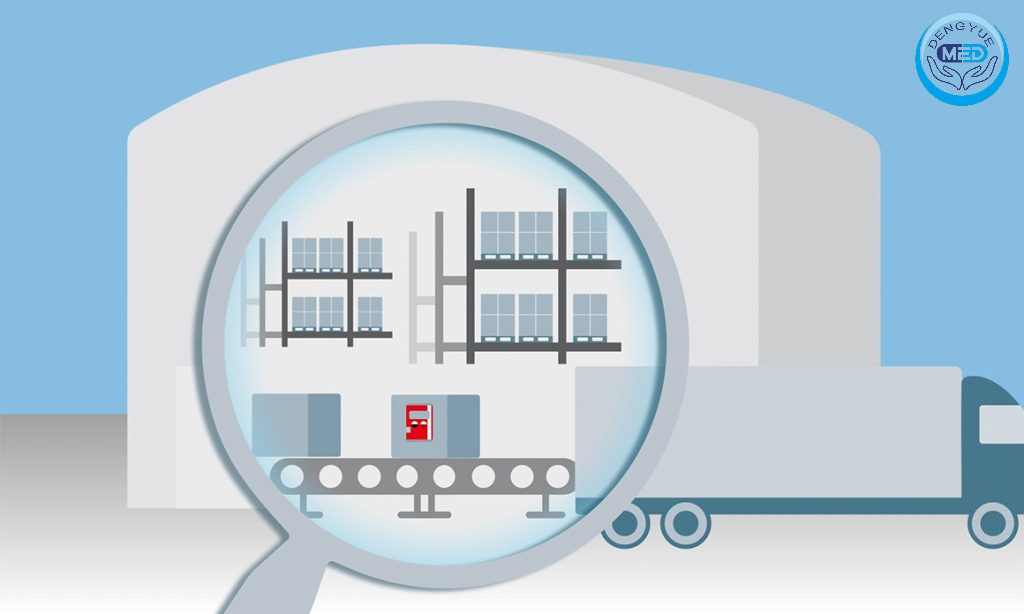
In recent years, the global pharmaceutical market has expanded rapidly. Innovative medicines, cross-border drug purchasing, e-commerce platforms, and social media marketing have provided patients with greater access to treatments worldwide. However, while global medicine circulation has become more open and convenient, counterfeit drugs have also emerged as an increasingly serious public health challenge. From weight-loss drugs and cancer therapies to ED medications and rare disease treatments, counterfeit pharmaceutical networks are spreading across the world. This growing risk has also pushed compliant pharmaceutical supply chain companies such as DengYueMed to place greater emphasis on supply chain security and industry standardization.
The World Health Organization (WHO) has previously stated that in some low- and middle-income countries, more than 10% of medicines in circulation may be substandard or counterfeit. Meanwhile, with the rapid development of cross-border logistics and online transactions, counterfeit drugs are no longer limited to specific regions but are becoming a truly global issue.
Facing escalating counterfeit drug risks, regulatory authorities worldwide are continuously strengthening pharmaceutical oversight systems. From the U.S. Food and Drug Administration (FDA) to China’s National Medical Products Administration (NMPA), and the European Medicines Agency (EMA), global drug regulation is entering a new era of digitalization, transparency, and traceability.
Why Is the Global Counterfeit Drug Problem Becoming More Serious?
Counterfeit medicines are not a new phenomenon, but their spread has accelerated significantly in recent years. One of the core reasons lies in the growing complexity of global pharmaceutical supply chains and the transformation of online sales models.
First, global demand for medicines continues to rise. In fields such as oncology treatment, GLP-1 weight-loss drugs, immunotherapy, and rare disease therapies, some innovative medicines remain expensive and in limited supply. As a result, many patients seek overseas purchases or alternative channels outside traditional healthcare systems.
Second, social media and cross-border e-commerce have lowered the barriers for illegal drug sales. Today, counterfeit medicines can be promoted and sold through short-video platforms, anonymous websites, private chat groups, and social media communities. Some counterfeit products are packaged so convincingly that ordinary consumers find it difficult to distinguish them from authentic medicines.
In addition, the pharmaceutical industry has become increasingly globalized and fragmented. A single drug product may involve raw material sourcing, manufacturing, packaging, transportation, and distribution across multiple countries. If supervision fails at any stage, counterfeit products may infiltrate the supply chain.
How the FDA Is Building a Drug Traceability System
As one of the world’s most influential pharmaceutical regulatory authorities, the FDA has significantly strengthened drug supply chain oversight in recent years. One of its most important regulations is the Drug Supply Chain Security Act (DSCSA).
The DSCSA requires the establishment of a nationwide electronic traceability system for prescription drugs in the United States. In simple terms, every package of medicine must carry unique identification information and have its movement recorded throughout the supply chain.
This system includes:
- Unique pharmaceutical serial numbers
- Electronic transaction records
- Supply chain verification mechanisms
- Rapid recall systems for suspicious products
- Real-time batch and distribution tracking
The FDA aims to reduce the risk of counterfeit drugs entering legitimate markets through digital traceability technologies.
At the same time, the United States has intensified efforts against illegal online drug sales. In recent years, the FDA has cooperated with U.S. Customs, law enforcement agencies, and international regulators to crack down on cross-border counterfeit medicine operations, particularly involving weight-loss drugs, opioids, and illegal generic cancer therapies.
Following the global surge in demand for GLP-1 weight-loss medications, U.S. regulators have repeatedly warned consumers against purchasing unapproved “laboratory versions” or compounded products from unknown sources.
How the European Union Uses FMD to Combat Counterfeit Medicines
In addition to the United States, the European Union has also established a strict pharmaceutical regulatory framework. Since the implementation of the Falsified Medicines Directive (FMD) in 2019, most prescription medicines sold in the EU must include:
- A unique two-dimensional barcode
- Tamper-evident packaging
- Database verification systems
When patients purchase medicines from legitimate pharmacies, pharmacists can scan the product to verify its authenticity and confirm whether it has already been dispensed or recalled.
This system has significantly increased the difficulty of counterfeit products entering legitimate supply channels. At the same time, EU member states have strengthened supervision over online pharmacies. In many countries, legal online pharmacies must display unified certification logos and provide verifiable registration information.
As a result, Europe is gradually building a dual “online + offline” pharmaceutical supervision model.
Why China’s NMPA Has Intensified Regulation in Recent Years
China’s National Medical Products Administration (NMPA) has also continuously strengthened its pharmaceutical regulatory capabilities.
As China’s innovative drug market grows rapidly, its regulatory framework is increasingly aligning with international standards. In recent years, China has focused on several key areas.
1. Building Drug Traceability Systems
China is continuously promoting a pharmaceutical traceability code system to strengthen full-chain supervision from manufacturing to distribution.
In the future, consumers will be able to scan medicine codes to verify:
- Drug batch numbers
- Manufacturer information
- Distribution records
- Expiration dates
- Anti-counterfeiting data
This system plays an important role in combating counterfeit medicines and illegal distribution.
2. Cracking Down on Illegal Online Drug Sales
As medicine sales through social media become more common, Chinese regulators have increased oversight of online platforms. Authorities have intensified efforts against:
- Unlicensed drug-selling accounts
- False pharmaceutical advertisements
- Underground purchasing agents
- Illegal cross-border drug promotions
Regulatory enforcement has become especially strict in high-demand areas such as weight-loss drugs and oncology therapies.
3. Strengthening Cold Chain Transportation Oversight
Many biologics, PD-1 therapies, and CAR-T related products require strict temperature control.
Therefore, China has continued to strengthen regulations involving:
- Cold chain storage
- Temperature monitoring records
- Pharmaceutical logistics
- Cross-border transportation
Even genuine medicines may lose effectiveness if transportation conditions are not properly maintained.
Why Counterfeit Medicines Pose Serious Risks to Patients
Some consumers mistakenly believe that counterfeit drugs are merely “ineffective.” In reality, the risks can be far more severe.
Certain counterfeit products may contain no active pharmaceutical ingredients at all, causing dangerous treatment delays. Others may contain unknown chemicals or harmful substances that can lead to:
- Liver and kidney damage
- Immune system abnormalities
- Severe allergic reactions
- Cardiovascular complications
These risks are especially dangerous for cancer patients, individuals with chronic diseases, and people with weakened immune systems.
Even products that are not completely fake may lose effectiveness because of improper storage, failed cold chain transportation, or illegal repackaging.
True pharmaceutical safety therefore depends not only on whether the medicine is authentic, but also on whether the entire supply chain is legitimate, transparent, and traceable.
Digital Technologies Are Transforming Global Pharmaceutical Regulation
With the development of AI, blockchain, and IoT (Internet of Things) technologies, global pharmaceutical regulation is entering a digital era.
Today, more pharmaceutical companies and regulators are implementing:
- Blockchain-based drug traceability
- AI-powered risk detection
- Smart logistics monitoring
- Digital anti-counterfeiting labels
- Real-time temperature monitoring systems
Some advanced tamper-evident packaging technologies now integrate:
- Holographic labels
- Microtext features
- Invisible coding
- Nano-optical technologies
These innovations make counterfeit replication significantly more difficult.
At the same time, AI can analyze abnormal distribution data to identify potential illegal supply channels and improve regulatory efficiency.
In the future, the core competition among pharmaceutical regulatory systems may involve not only approval speed but also supply chain transparency and digital supervision capabilities.
How Patients Can Reduce Counterfeit Drug Risks
In today’s complex global pharmaceutical market, patients also need to develop stronger safety awareness.
First, consumers should avoid trusting “ultra-low-price medicines” or so-called “miracle overseas drugs.” Medicines should preferably be obtained through:
- Legitimate hospitals
- Licensed pharmacies
- Certified pharmaceutical companies
- Compliant international healthcare service providers
Patients should also carefully verify:
- Drug batch numbers
- Company qualifications
- Cold chain transportation records
- Official anti-counterfeiting systems
For cross-border medicine purchases, supply chain transparency is far more important than price alone.
Today, an increasing number of legitimate international pharmaceutical supply chain companies are promoting compliant global medicine distribution systems to help patients reduce exposure to gray-market drug channels.
The Future of Pharmaceutical Regulation Is Global Collaboration
Counterfeit medicines have become a global challenge that no single country can solve alone. As pharmaceutical manufacturing, logistics, and distribution continue to cross national borders, regulatory agencies are strengthening international cooperation to improve medicine safety worldwide.
Organizations such as the World Health Organization (WHO), U.S. FDA, European Medicines Agency (EMA), and China’s National Medical Products Administration (NMPA) are working more closely to exchange regulatory information, share inspection data, coordinate product recalls, and combat cross-border pharmaceutical crime.
At the same time, pharmaceutical manufacturers, distributors, logistics providers, healthcare institutions, and digital technology companies are increasingly participating in the development of transparent, traceable, and standardized supply chains.
Emerging technologies—including blockchain, artificial intelligence, digital serialization, and real-time cold-chain monitoring—are expected to further improve supply chain visibility and reduce opportunities for counterfeit medicines to enter legitimate distribution networks.
For patients, these developments mean greater confidence that medicines obtained through compliant channels are authentic, properly stored, and safely delivered.
Conclusion
From the FDA’s Drug Supply Chain Security Act (DSCSA) to the European Union’s Falsified Medicines Directive (FMD) and China’s continuously evolving pharmaceutical traceability system, global drug regulation is entering an era defined by digitalization, transparency, and end-to-end supply chain oversight.
As counterfeit medicine risks become increasingly globalized, regulatory authorities are strengthening pharmaceutical security through electronic traceability, cold-chain supervision, online marketplace governance, and international cooperation.
For patients, the most important consideration is no longer simply obtaining access to medicines, but ensuring that every medicine is authentic, safe, and fully traceable.
As a Hong Kong-based pharmaceutical service platform committed to compliant international medicine supply, DengYueMed continues to monitor global pharmaceutical regulations, innovative oncology therapies, rare disease medicines, and cross-border pharmaceutical developments. We remain dedicated to sharing reliable pharmaceutical information while supporting compliant international medicine access and strengthening confidence in safe pharmaceutical supply chains.
Disclaimer
This article is provided for educational and informational purposes only and should not be interpreted as medical, pharmaceutical, legal, or regulatory advice. Patients should always obtain medicines through licensed healthcare institutions or qualified pharmaceutical providers and consult healthcare professionals before making any treatment decisions.