How DTP Pharmacies Are Transforming Innovative Drug Commercialization and Patient Access
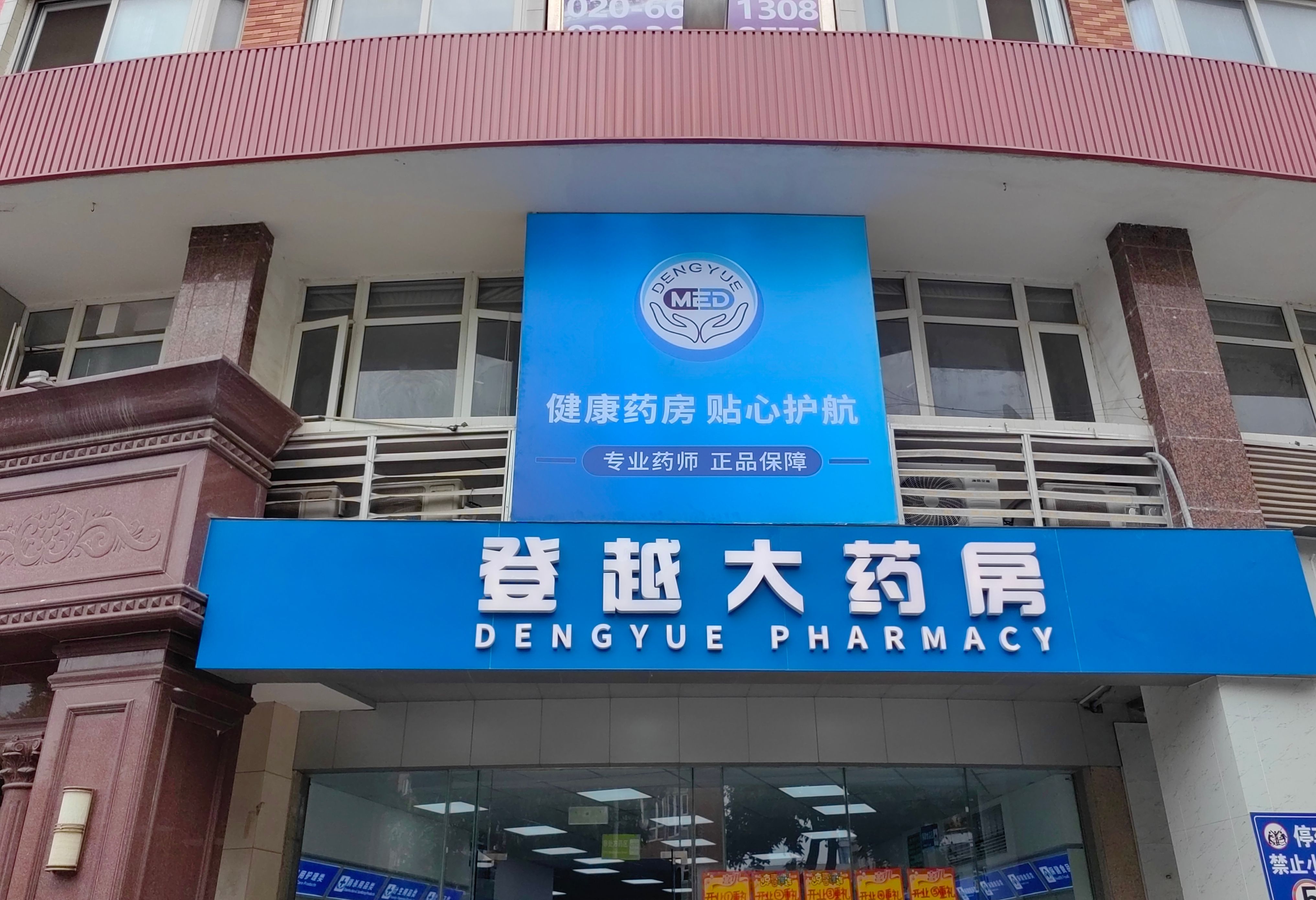
As innovative drugs continue to enter the market in areas such as oncology, rare diseases, and autoimmune disorders, traditional pharmaceutical distribution models have become increasingly unable to meet the demands of high-value medicines for specialized delivery, patient management, and continuous care.
Against this backdrop, Direct-to-Patient (DTP) pharmacies have gradually become an essential component of the commercialization of innovative medicines worldwide, playing an increasingly important role in improving drug accessibility, optimizing supply chain efficiency, and enhancing patient services.
In recent years, pharmaceutical companies across China, the United States, and Europe have increasingly incorporated DTP pharmacies into their market access and commercialization strategies. DTP pharmacies have not only transformed the pathway through which medicines move from manufacturers to patients, but have also driven the innovative pharmaceutical market toward a more specialized, digitalized, and patient-centered future.
What Is a DTP Pharmacy?
A DTP (Direct-to-Patient) pharmacy is a specialized pharmacy service model built around high-value innovative medicines.
Unlike conventional retail pharmacies, DTP pharmacies primarily serve patients who require long-term standardized treatment and mainly distribute products such as:
- Innovative drugs
- Biologics
- Targeted therapies
- Immunotherapies
- Orphan drugs
- Specially regulated medicines
These products are typically characterized by high costs, strict storage and transportation requirements, and the need for professional pharmaceutical guidance. As a result, they require a more advanced supply chain management system and comprehensive pharmaceutical care services.
How Do DTP Pharmacies Optimize the Innovative Drug Supply Chain?
For innovative medicines, the supply chain is not only about transportation efficiency—it directly affects product quality and patient treatment outcomes.
Traditional pharmaceutical distribution often involves multiple intermediaries. In contrast, the DTP model shortens the distribution chain, enabling direct and precise delivery from pharmaceutical manufacturers to patients.
Its major advantages include:
- Reducing intermediary distribution steps and improving supply efficiency;
- Maintaining full cold-chain transportation and temperature control;
- Lowering inventory accumulation risks;
- Improving drug traceability;
- Shortening patient waiting times for medication.
For products requiring cold-chain logistics, such as monoclonal antibodies, CAR-T-related therapies, and biologics, DTP pharmacies ensure that transportation complies with stringent quality management standards throughout the entire distribution process, thereby minimizing the risk of product degradation.
For innovative pharmaceutical wholesaler DengYueMed, the rapid expansion of the DTP model also reflects the evolution of pharmaceutical supply chain management from conventional logistics toward more specialized, digitalized, and patient-oriented services, which plays an increasingly important role in ensuring the stable supply of innovative medicines.
Improving Patient Access to Innovative Medicines
The pace of innovative drug approvals has accelerated significantly in recent years. However, regulatory approval does not necessarily mean patients can immediately access treatment.
Due to lengthy hospital formulary inclusion procedures, many innovative medicines may not become available in hospitals for several months after approval.
DTP pharmacies play a vital role in bridging this gap. Many pharmaceutical companies establish DTP distribution networks immediately after product approval, enabling eligible patients to obtain medications promptly through designated pharmacies under appropriate prescription management.
This model helps:
- Shorten the time between regulatory approval and actual patient use;
- Reduce inventory pressure on hospital pharmacies;
- Improve medication access for patients in remote regions;
- Support nationwide pharmaceutical distribution.
For patients with cancer, rare diseases, and other chronic conditions requiring continuous treatment, uninterrupted medication supply is critical. DTP pharmacies have therefore become an important channel for ensuring treatment continuity.
Patient Services Have Evolved Beyond Medication Dispensing
One of the defining characteristics of DTP pharmacies is that their services extend far beyond simply dispensing medicines.
Modern DTP pharmacies typically provide a broad range of patient management services, including:
- One-on-one pharmacist counseling;
- Medication adherence follow-up;
- Adverse event monitoring;
- Drug storage guidance;
- Scheduled follow-up reminders;
- Patient education programs.
For patients receiving long-term targeted therapies, immunotherapies, or biologics, these professional services help improve treatment adherence while reducing risks associated with improper medication use.
An increasing number of studies have demonstrated that structured patient management not only improves therapeutic outcomes but also reduces hospitalization rates and minimizes unnecessary healthcare resource utilization.
Digital Technologies Are Driving the Evolution of DTP Pharmacies
With the rapid development of internet healthcare and digital health technologies, DTP pharmacies are evolving from traditional offline services into comprehensive digital healthcare platforms.
Today, many DTP pharmacies integrate:
- Online prescription transfer;
- Internet hospitals;
- Intelligent delivery systems;
- Electronic health records;
- AI-powered patient follow-up;
- Big data-based medication management platforms.
Patients can schedule appointments, purchase medications, consult pharmacists, track deliveries, and manage follow-up visits directly through mobile applications, significantly improving the overall healthcare experience.
For pharmaceutical companies, these digital platforms also facilitate Real-World Evidence (RWE) studies, patient support programs, and pharmacovigilance activities, providing valuable data throughout the product lifecycle.
Why Are More Pharmaceutical Companies Investing in DTP Channels?
As competition in the innovative drug market intensifies, relying solely on hospital distribution channels is no longer sufficient for successful commercialization.
Increasing numbers of multinational pharmaceutical companies and domestic biotech firms are actively expanding their DTP networks for several reasons:
- Expanding market coverage after product launch;
- Improving patient access to innovative medicines;
- Establishing long-term patient management systems;
- Strengthening value-added brand services;
- Supporting innovative reimbursement models through public and commercial insurance.
For innovative medicines, competitive advantage is no longer determined solely by clinical efficacy. Supply efficiency, patient experience, and long-term service capabilities have become equally important, making DTP pharmacies an integral part of modern commercialization strategies.
Future Trends of DTP Pharmacies
DTP pharmacies are expected to play an even more significant role in the global innovative pharmaceutical market.
As precision medicine and personalized therapies continue to advance, the number of high-value medicines will keep growing, and the DTP model is expected to evolve in several directions:
- Deeper integration with internet hospitals;
- Expansion of digital patient management systems;
- Stronger cold-chain logistics and intelligent warehousing capabilities;
- Support for more innovative payment models;
- Development of more comprehensive real-world data platforms;
- Specialized distribution services for cell therapies and gene therapies.
Meanwhile, technologies such as artificial intelligence, big data analytics, and telemedicine will continue empowering DTP pharmacies, enabling them to evolve from traditional medication distribution channels into comprehensive patient health management platforms.
Conclusion
The rapid development of DTP pharmacies is fundamentally reshaping the commercialization model of innovative medicines.
From optimizing supply chains and improving drug accessibility to providing professional pharmaceutical care and digital patient management, DTP pharmacies have become much more than medication dispensing centers—they serve as vital bridges connecting pharmaceutical companies, healthcare institutions, and patients.
As innovative therapies continue to emerge and precision medicine advances, DTP pharmacies will play an increasingly critical role in the global pharmaceutical industry by providing more efficient, professional, and sustainable support for innovative drug commercialization while helping more patients gain timely access to high-quality treatments and driving the continuous advancement of healthcare services worldwide.
At DengYueMed, we continue to monitor global developments in pharmaceutical supply chains, innovative drug commercialization, and patient-centered healthcare services. By following emerging DTP pharmacy models, digital pharmaceutical solutions, and international best practices, we remain committed to supporting healthcare providers, industry partners, and patients with professional insights while promoting safer, more efficient, and more accessible pharmaceutical services worldwide.
Related Posts
- Global Accessibility of Spinal Muscular Atrophy (SMA) Treatment: Current Status Analysis
- A New Option in Targeted Biologic Therapy: Clinical Insights into Guselkumab Injection
- Chinese HER2 Bispecific Antibody + PD-1 Combination Approved in the U.S. for Gastroesophageal Adenocarcinoma, Advancing to the Forefront of Global Oncology