From Targeted Therapy to the ADC Era: Which Lung Cancer Patients Are Suitable for TROP2 ADC Therapy?
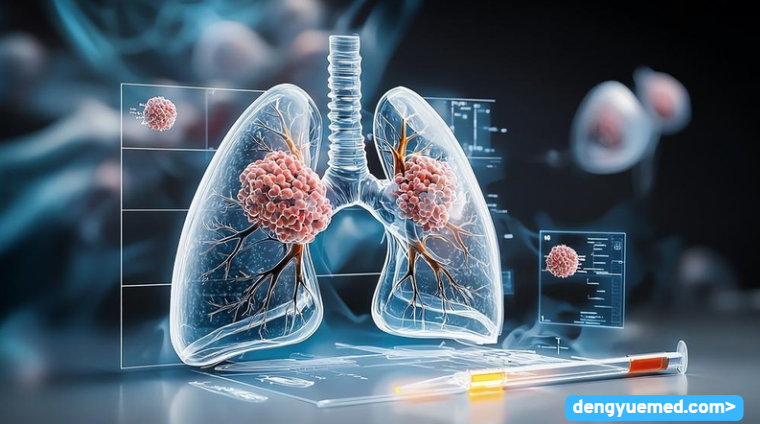
Lung cancer remains one of the leading causes of cancer incidence and mortality worldwide. In recent years, advances in precision medicine have brought new treatment opportunities to patients, with antibody-drug conjugates (ADCs) emerging as one of the most promising innovations in oncology. Among them, TROP2 ADC (Trophoblast Cell Surface Antigen 2 Antibody-Drug Conjugates) has attracted significant attention for its ability to precisely target tumor cells while delivering highly potent cytotoxic agents.
For patients whose disease has progressed after targeted therapy, immunotherapy, or chemotherapy, TROP2 ADCs may offer a new therapeutic option. But which lung cancer patients are most likely to benefit from TROP2 ADC therapy? This article explores its mechanism of action, potential patient populations, and future clinical prospects.
What Is TROP2 ADC?
TROP2 (Trophoblast Cell Surface Antigen 2) is a transmembrane glycoprotein that is highly expressed in a variety of solid tumors, including non-small cell lung cancer (NSCLC), small cell lung cancer (SCLC), breast cancer, gastric cancer, and urothelial carcinoma. Studies have shown that TROP2 is closely associated with tumor cell proliferation, invasion, and metastasis, making it an attractive target for ADC development.
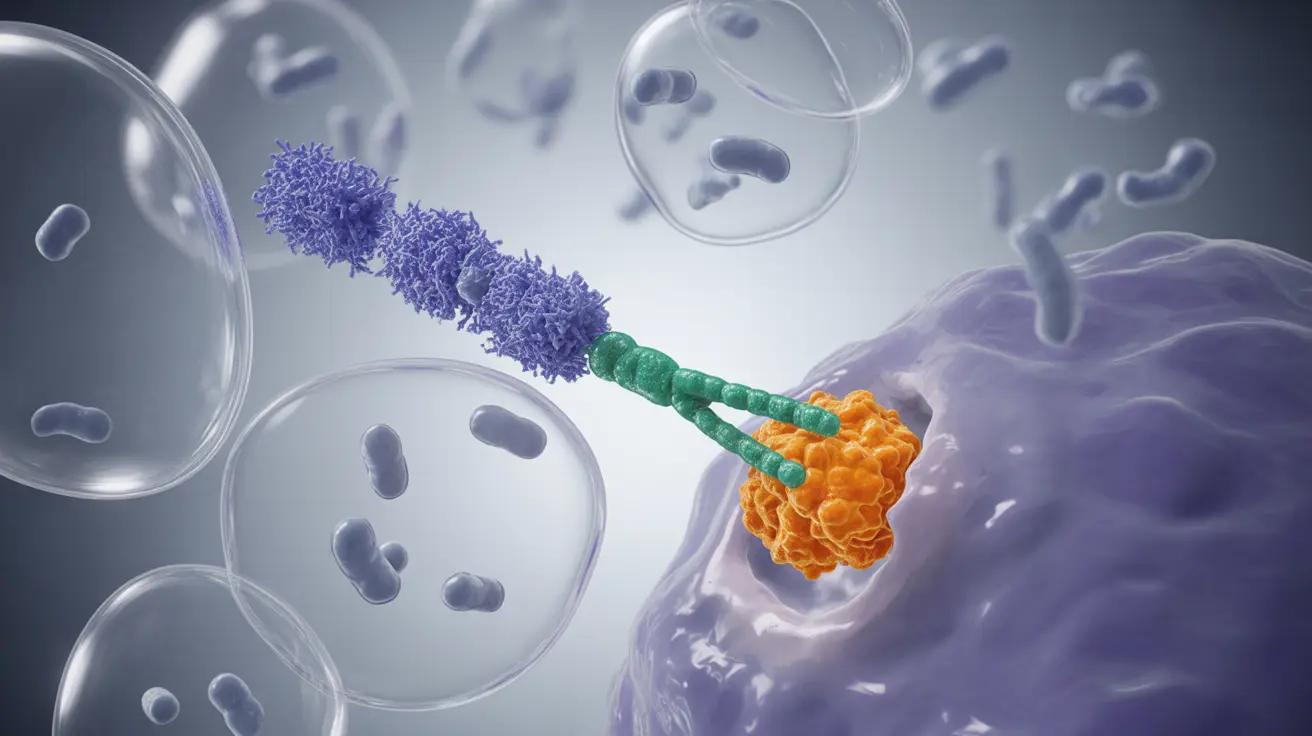
A TROP2 ADC consists of three key components: a monoclonal antibody that specifically targets TROP2, a chemical linker, and a highly potent cytotoxic payload. After binding to TROP2 on the surface of cancer cells, the ADC is internalized, releasing the payload inside the cell to disrupt DNA replication and ultimately induce tumor cell death. Some TROP2 ADCs also demonstrate a bystander effect, allowing the released payload to kill neighboring tumor cells and enhance overall antitumor activity.
Why Has TROP2 ADC Become a Focus in Lung Cancer?
Unlike targeted therapies directed at EGFR, ALK, and other driver mutations, TROP2 ADCs do not rely on the presence of specific genetic alterations. As a result, they have the potential to benefit not only patients with actionable mutations but also those without identifiable driver mutations, expanding the population that may benefit from precision oncology.
In addition, ADCs deliver cytotoxic drugs directly to tumor cells through antibody-mediated targeting. This targeted delivery helps maximize antitumor efficacy while minimizing exposure to healthy tissues, making TROP2 ADCs one of the most promising therapeutic strategies in lung cancer research.
Which Lung Cancer Patients May Benefit from TROP2 ADC Therapy?
1. Patients with Advanced or Metastatic NSCLC
Current clinical studies of TROP2 ADCs primarily focus on patients with locally advanced or metastatic non-small cell lung cancer. For patients who are no longer candidates for curative surgery and whose disease has progressed after standard therapies, TROP2 ADCs may provide an additional treatment option.
2. Patients with EGFR-TKI Resistance
EGFR mutations are among the most common driver mutations in Asian patients with NSCLC. Although EGFR tyrosine kinase inhibitors (TKIs) have significantly improved clinical outcomes, most patients eventually develop acquired resistance.
For patients whose disease progresses after EGFR-TKI therapy and who have completed subsequent standard treatments, several TROP2 ADCs have demonstrated encouraging antitumor activity in clinical studies, offering a potential new strategy for managing treatment-resistant disease.
3. Patients with Resistance to ALK, ROS1, and Other Targeted Therapies
Patients with ALK, ROS1, RET, or MET alterations may also develop resistance after receiving multiple generations of targeted therapies. Because TROP2 ADCs utilize a completely different mechanism of action, they are being investigated as potential treatment options for these patients, with ongoing clinical trials continuing to evaluate their efficacy.
4. Patients Without Actionable Driver Mutations
A considerable proportion of NSCLC patients do not harbor actionable mutations such as EGFR, ALK, or ROS1. For these individuals, chemotherapy and immunotherapy remain the standard treatment approaches.
Since TROP2 ADCs are not dependent on specific genetic mutations, they have the potential to benefit a broader patient population and provide new hope for those who have limited targeted treatment options.
5. Patients with Disease Progression After Immunotherapy
PD-1/PD-L1 inhibitors have become a cornerstone of treatment for advanced lung cancer. However, some patients experience primary resistance or eventually develop disease progression after an initial response.
For these patients, TROP2 ADCs represent a novel therapeutic approach and have shown promising clinical activity in multiple studies, making them an important area of ongoing research.
Is TROP2 Testing Necessary?
Most cases of non-small cell lung cancer exhibit some degree of TROP2 expression. However, whether TROP2 testing is required depends on the specific drug, its approved indication, and the design of relevant clinical studies.
Notably, some clinical trials of TROP2 ADCs have not required high TROP2 expression as an enrollment criterion. As more clinical evidence becomes available and additional therapies receive regulatory approval, the role of TROP2 as a predictive biomarker may become better defined. Patients should therefore follow current clinical guidelines and consult their healthcare providers regarding TROP2 testing.
What Are the Advantages of TROP2 ADC Therapy?
Compared with conventional chemotherapy, TROP2 ADCs offer several potential advantages:
- Targeted drug delivery: Monoclonal antibodies selectively deliver cytotoxic agents to tumor cells, improving treatment precision.
- Broader patient eligibility: Their activity is not dependent on EGFR, ALK, or other driver mutations.
- A new treatment option: They may benefit patients whose disease has progressed after targeted therapy, immunotherapy, or chemotherapy.
- Bystander effect: Certain ADCs can eliminate neighboring tumor cells, potentially enhancing overall antitumor efficacy.
Future Perspectives
As ADC technology continues to evolve, TROP2 ADCs are expected to move beyond later-line settings into earlier stages of lung cancer treatment. Future research is exploring combinations with PD-1/PD-L1 inhibitors, EGFR-TKIs, anti-angiogenic therapies, and perioperative treatment strategies. Advances in linker technology and payload design are also expected to improve efficacy while enhancing safety.
With ongoing clinical trials and the approval of additional innovative therapies, TROP2 ADCs are expected to play an increasingly important role in precision lung cancer treatment and provide long-term benefits for more patients.
Conclusion
TROP2 ADCs represent an important advancement in precision medicine for lung cancer. For patients with advanced or metastatic disease—particularly those whose cancer has progressed after targeted therapy, immunotherapy, or chemotherapy—these innovative therapies are opening new treatment possibilities.
As clinical evidence continues to grow and more TROP2 ADCs become available, this therapeutic approach is expected to offer increasingly precise, effective, and potentially safer treatment options for patients with lung cancer.
As a professional international pharmaceutical supply chain partner, DengYue Medicine closely follows the latest developments in innovative oncology therapies, including ADCs, targeted therapies, and immunotherapies. We are committed to providing global partners with professional pharmaceutical information, innovative drug supply solutions, and comprehensive pharmaceutical supply chain services, helping healthcare providers and patients stay informed about the latest advances in lung cancer treatment while improving access to innovative therapies.
Related Posts
- A New Option in Targeted Biologic Therapy: Clinical Insights into Guselkumab Injection
- Chinese HER2 Bispecific Antibody + PD-1 Combination Approved in the U.S. for Gastroesophageal Adenocarcinoma, Advancing to the Forefront of Global Oncology
- The 30-Year Chemotherapy Standard Faces a New Challenge: China's PD-1 Serplulimab Breaks New Ground in Gastric Cancer Treatment