Gastric Cancer Treatment Is No Longer Just About Chemotherapy: How Precision Medicine Is Shaping the Future | A Comprehensive Guide to HER2, CLDN18.2, and FGFR2b
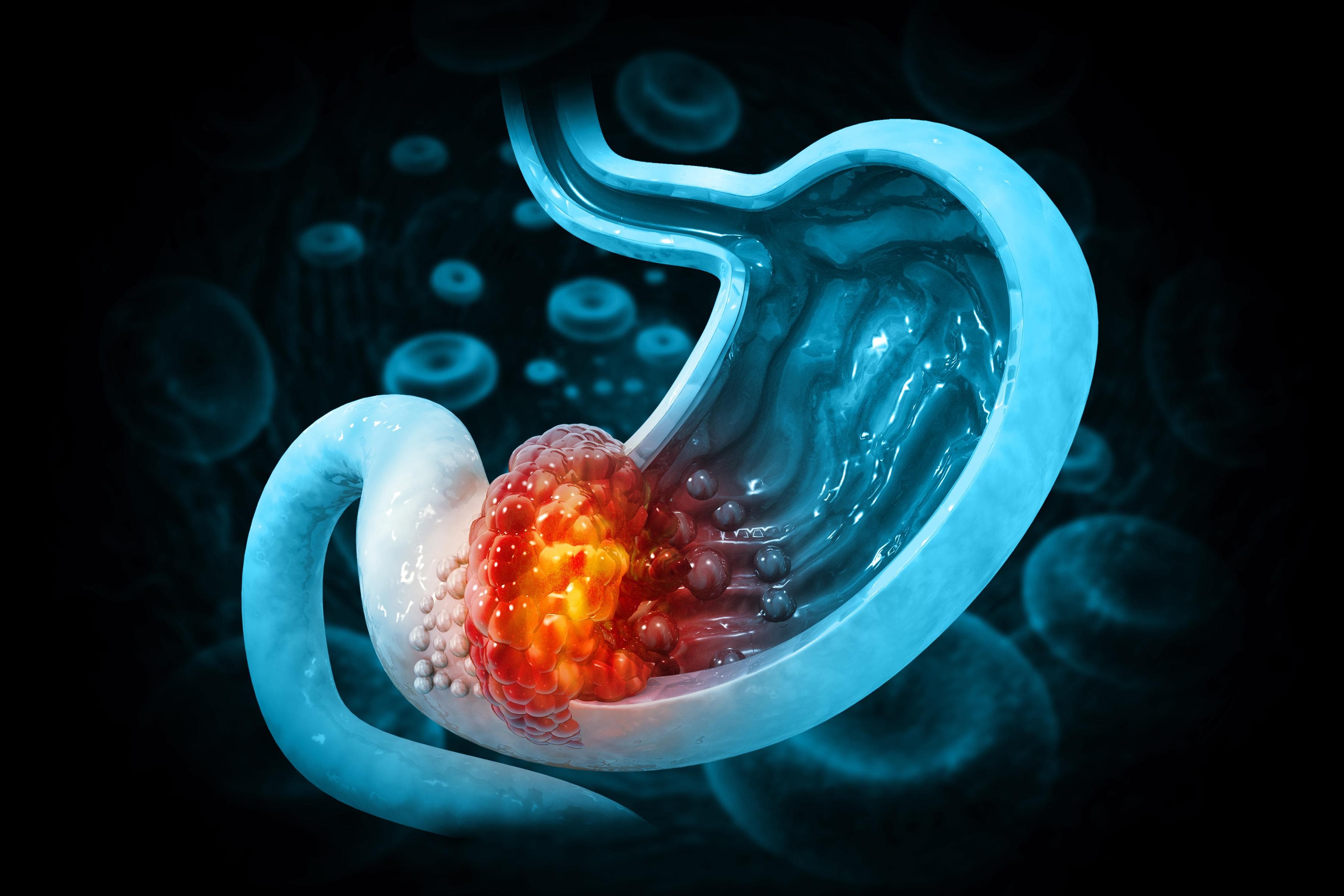
Gastric cancer remains one of the most common malignancies worldwide and is a leading cause of cancer-related mortality. Although significant advances have been made in screening, diagnosis, and comprehensive treatment over the past decade, many patients are still diagnosed at an advanced or metastatic stage. As a result, identifying more precise and effective treatment strategies has become a major focus of gastric cancer research around the world.
For many years, chemotherapy served as the cornerstone of treatment for advanced gastric cancer. However, with the rapid development of molecular biology and precision medicine, researchers have discovered that every patient’s tumor possesses unique molecular characteristics. This means that the same treatment approach may not be equally effective for everyone. Today, the identification of biomarkers such as HER2, CLDN18.2, and FGFR2b, together with the emergence of innovative targeted therapies and immunotherapies, is ushering gastric cancer treatment into the era of precision medicine, offering more personalized treatment options than ever before.
As a company dedicated to the global supply of innovative medicines and the sharing of pharmaceutical knowledge, DengYue continues to follow the latest developments in precision treatment for gastric cancer. We believe that understanding emerging therapeutic targets and medical advances not only helps healthcare professionals stay informed about industry trends but also enables patients and their families to better understand how modern gastric cancer treatment is evolving.
From Empirical Treatment to Precision Medicine: A New Era in Gastric Cancer Care
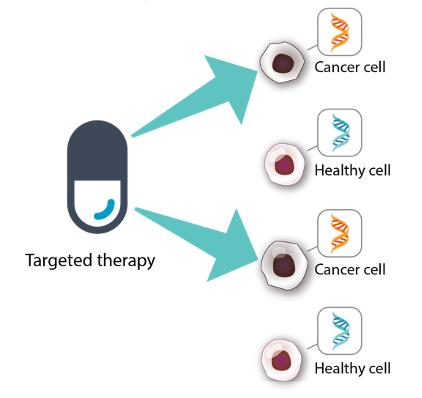
Traditional chemotherapy destroys rapidly dividing cancer cells, but it also affects healthy cells, often leading to adverse effects such as bone marrow suppression, hair loss, nausea, and vomiting. Furthermore, gastric cancer is a highly heterogeneous disease, meaning that even patients receiving the same chemotherapy regimen may experience significantly different treatment outcomes.
The development of precision medicine has fundamentally changed this landscape. By identifying specific genetic alterations or protein expression patterns within tumor cells, physicians can tailor treatment strategies according to each patient’s unique molecular profile. This “test first, treat second” approach has become an essential component of international clinical guidelines for advanced gastric cancer.
Therefore, for patients with advanced or metastatic gastric cancer, choosing the right treatment is no longer simply about selecting a drug. Instead, the priority is to determine whether the tumor harbors actionable biomarkers that can be targeted with precision therapies.
HER2: The Most Established Target in Precision Treatment for Gastric Cancer
Among all biomarkers associated with gastric cancer, HER2 (Human Epidermal Growth Factor Receptor 2) remains one of the most extensively studied and clinically validated therapeutic targets.
HER2 is a receptor protein located on the cell membrane. When HER2 is overexpressed or amplified, it continuously activates signaling pathways that promote uncontrolled tumor cell growth and proliferation. Studies have shown that approximately 15% to 20% of patients with gastric cancer are HER2-positive, making them potential candidates for HER2-targeted therapies.
HER2 status is typically determined through immunohistochemistry (IHC), with fluorescence in situ hybridization (FISH) used to confirm equivocal cases. For patients with HER2-positive advanced gastric cancer, trastuzumab combined with chemotherapy has become the internationally recommended first-line standard of care and has significantly improved overall survival.
In recent years, HER2-directed treatment has entered a new phase with the development of antibody-drug conjugates (ADCs). Trastuzumab deruxtecan (T-DXd), for example, not only specifically recognizes HER2-positive cancer cells but also delivers a potent cytotoxic payload directly into tumor tissue, resulting in enhanced anti-tumor activity. As additional HER2-targeted ADCs continue to enter clinical development, HER2 is expected to remain one of the cornerstone targets in precision treatment for gastric cancer.
CLDN18.2: One of the Most Promising Emerging Therapeutic Targets
If HER2 represents the first milestone in targeted therapy for gastric cancer, CLDN18.2 has emerged as one of the most exciting breakthroughs in recent years.
CLDN18.2 is a tight junction protein that is normally confined to gastric mucosal cells. During malignant transformation, however, this protein becomes exposed on the surface of cancer cells, making it an attractive therapeutic target. Research suggests that approximately 30% to 40% of HER2-negative gastric cancers express CLDN18.2, indicating that a substantial proportion of patients may benefit from therapies targeting this biomarker.
The most representative therapy currently available is zolbetuximab. Multiple international Phase III clinical trials have demonstrated that, in patients with HER2-negative, CLDN18.2-positive advanced gastric cancer, zolbetuximab combined with standard chemotherapy significantly prolongs progression-free survival (PFS) and overall survival (OS), making it one of the most important recent advances in gastric cancer treatment.
In addition, numerous CLDN18.2-targeted ADCs, bispecific antibodies, and cell therapies are currently under development. Over the next several years, CLDN18.2 is expected to become another major therapeutic platform alongside HER2, providing new treatment opportunities for a broader patient population.
VEGFR2: Slowing Disease Progression by Inhibiting Tumor Angiogenesis
Tumor growth depends on an adequate blood supply. The VEGF/VEGFR signaling pathway promotes the formation of new blood vessels that deliver oxygen and nutrients to cancer cells. Blocking this pathway has therefore become an important strategy in the treatment of advanced gastric cancer.
Ramucirumab is currently the most widely used VEGFR2-targeted therapy. By inhibiting VEGFR2 signaling, it suppresses tumor angiogenesis and helps delay disease progression. Ramucirumab is primarily used as a second-line treatment for advanced gastric cancer and may be administered either in combination with paclitaxel or as monotherapy. It remains an important component of international clinical practice.
Unlike HER2 or CLDN18.2, VEGFR2-targeted therapy generally does not require specific biomarker testing, yet its clinical value in comprehensive treatment strategies has been well established.
FGFR2b: A Promising Next-Generation Target for Precision Medicine
As molecular research in gastric cancer continues to advance, FGFR2b has rapidly emerged as another promising therapeutic target.
FGFR2b belongs to the fibroblast growth factor receptor family and is overexpressed in a subset of gastric cancers. Although it is present in only approximately 5% to 10% of patients, clinical research has demonstrated considerable therapeutic potential for targeting this biomarker.
Bemarituzumab is currently the leading investigational therapy in this field. Encouraging results from the Phase III FORTITUDE-101 trial suggest that FGFR2b-targeted therapy may soon become an important addition to precision treatment strategies for gastric cancer, further expanding personalized treatment options.
For clinicians, this represents an important step toward selecting therapies based on the molecular characteristics of individual tumors rather than relying solely on conventional chemotherapy.
Immunotherapy Biomarkers Are Also Essential Components of Precision Treatment
In recent years, immunotherapy has dramatically transformed the treatment landscape for many cancers, including gastric cancer. Although PD-1 and PD-L1 inhibitors are not traditionally classified as targeted therapies, their use also depends on biomarker testing, making them an integral part of modern precision oncology.
Currently, PD-L1 Combined Positive Score (CPS), microsatellite instability-high (MSI-H), and mismatch repair deficiency (dMMR) have become important biomarkers for patients with advanced gastric cancer. For eligible patients, PD-1 inhibitors combined with chemotherapy have demonstrated improved clinical outcomes, while patients with MSI-H or dMMR tumors often experience particularly durable responses to immunotherapy.
As additional biomarkers continue to be identified, future treatment strategies for gastric cancer are expected to increasingly emphasize rational combinations of targeted therapy, immunotherapy, ADCs, and chemotherapy.
Precision Medicine Is Shaping the Future of Gastric Cancer Treatment
Innovation in gastric cancer treatment has accelerated rapidly over the past several years. From the successful integration of HER2-targeted therapies into standard care to the clinical adoption of CLDN18.2-targeted treatment and the emergence of FGFR2b-targeted therapies, ADCs, bispecific antibodies, and next-generation cellular therapies, gastric cancer management has entered a new era of precision medicine.
Looking ahead, treatment strategies will become increasingly individualized, taking into account each patient’s molecular profile, therapeutic response, and disease progression. Supported by precision diagnostics and multidisciplinary care, physicians will be able to develop more personalized treatment plans that improve both survival outcomes and quality of life.
Precision medicine is transforming the treatment landscape for gastric cancer, while global access to innovative therapies has become an increasingly important focus for healthcare providers, industry partners, and patients alike.
As a company specializing in the global supply of innovative medicines, DengYue closely monitors the latest advances in gastric cancer research and works alongside international partners to stay at the forefront of emerging therapies targeting HER2, CLDN18.2, FGFR2b, and other promising biomarkers. Whether you are looking for a specific innovative medicine, seeking information about product availability, or exploring global pharmaceutical sourcing solutions, our experienced team is ready to provide professional support tailored to your needs.
Contact DengYue Pharmacy today to learn more about innovative gastric cancer therapies and our global pharmaceutical supply solutions.
Related Posts
- A New Option in Targeted Biologic Therapy: Clinical Insights into Guselkumab Injection
- Chinese HER2 Bispecific Antibody + PD-1 Combination Approved in the U.S. for Gastroesophageal Adenocarcinoma, Advancing to the Forefront of Global Oncology
- The 30-Year Chemotherapy Standard Faces a New Challenge: China's PD-1 Serplulimab Breaks New Ground in Gastric Cancer Treatment