2026 Hypertension Guidelines Released: How Will Clinical Practice Change Around the World?
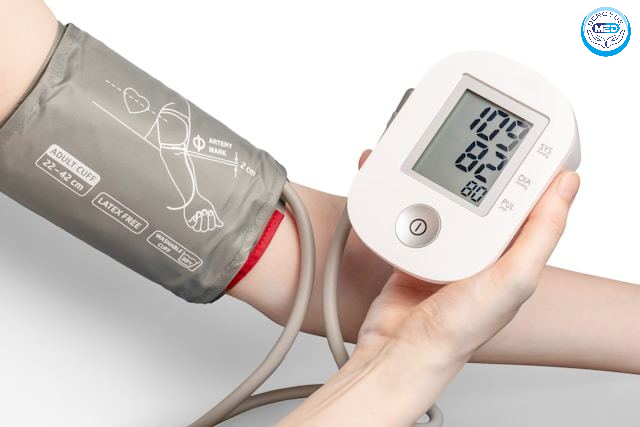
Hypertension remains one of the most significant chronic diseases contributing to the global burden of illness. According to data from the World Health Organization (WHO), more than 1.3 billion people worldwide are living with hypertension, yet blood pressure control rates remain below 50% in many countries.
As evidence-based medicine continues to evolve and innovations emerge in antihypertensive therapies, digital health solutions, and cardio-renal protection strategies, the release of the 2026 Hypertension Guidelines has once again become a focal point for the global healthcare community.
Although healthcare systems, resource availability, and disease patterns vary across countries and regions, recent updates from Europe, North America, Asia, and international medical societies point to a common message: hypertension management is shifting from a sole focus on lowering blood pressure to a more comprehensive approach centered on overall cardiovascular risk reduction.
More Aggressive Blood Pressure Targets Become a Global Trend
Over the past decade, one of the most debated questions in hypertension management has been:
How low should blood pressure be reduced?
An increasing number of large-scale clinical studies have demonstrated that, for most high-risk patients, stricter blood pressure control can significantly reduce the risk of:
- Myocardial infarction
- Stroke
- Heart failure
- Chronic kidney disease progression
As a result, the 2026 guidelines are expected to place greater emphasis on early intervention and intensive blood pressure management.
Future clinical practice may include several key changes:
- Wider adoption of more ambitious blood pressure targets across countries
- Greater use of individualized treatment strategies for high-risk patients
- Increased reliance on home blood pressure monitoring in clinical decision-making
- Expanded use of ambulatory and nighttime blood pressure monitoring
This means physicians will focus not only on blood pressure readings obtained in the clinic but also on patients’ overall blood pressure burden throughout the day and night.
From Blood Pressure Reduction to Cardio-Renal Protection
One of the most significant developments in hypertension treatment in recent years has been the integration of cardiovascular and renal protection strategies.
A growing body of evidence suggests that mortality among patients with hypertension is often driven not by elevated blood pressure itself, but by the resulting damage to target organs such as the heart, brain, and kidneys.
Consequently, the new guidelines are expected to place greater emphasis on comprehensive risk assessment.
In future clinical practice, physicians may need to evaluate:
- Cardiovascular risk scores
- Changes in renal function
- Diabetes and metabolic abnormalities
- Comorbidities such as obesity and sleep apnea
- Biomarkers related to inflammation and vascular injury
For patients, hypertension treatment is no longer simply about lowering a number. It is increasingly focused on reducing the risk of major cardiovascular events over the next five to ten years.
Combination Therapy Becomes the Standard Approach
Monotherapy has long served as the starting point for hypertension treatment. However, real-world evidence shows that most patients ultimately require two or even three medications to achieve optimal blood pressure control.
Therefore, the 2026 guidelines are expected to further reinforce the role of early combination therapy.
Several trends are likely to emerge globally:
- Expanded use of initial combination therapy
- Greater adoption of single-pill combinations (SPCs)
- Improved long-term patient adherence
- Faster achievement of blood pressure targets
- Reduced therapeutic inertia
These changes are particularly important for primary healthcare settings.
Many countries are promoting standardized hypertension treatment pathways, and fixed-dose combination therapies can help physicians implement evidence-based treatment strategies more efficiently.
At the same time, pharmaceutical companies are expected to continue investing in combination products, creating a new phase of competition within the hypertension market.
Digital Health Is Transforming Hypertension Management
Another important focus of the 2026 guidelines is digital health management.
Following the COVID-19 pandemic, telemedicine, mobile health platforms, and wearable devices have experienced rapid growth.
Increasing evidence suggests that digital tools can improve blood pressure monitoring frequency and enhance treatment adherence.
Over the coming years, hypertension management may increasingly incorporate:
- Real-time transmission of home blood pressure data
- AI-assisted risk assessment
- Routine remote follow-up consultations
- Intelligent medication reminder systems
- Integrated care networks connecting hospitals and community healthcare providers
In some developed markets, digital hypertension management has already been incorporated into reimbursement systems.
As technology costs continue to decline, similar models are expected to expand into emerging markets.
For healthcare systems, hypertension management is gradually shifting from a hospital-centered model to a patient-centered model.
More Personalized Management for Special Populations
As populations age and multimorbidity becomes increasingly common, the traditional “one-size-fits-all” treatment approach is giving way to more personalized management strategies.
The updated guidelines are expected to provide more detailed recommendations for specific patient populations, including:
- Elderly patients with hypertension
- Patients with diabetes
- Individuals with chronic kidney disease
- Patients with pregnancy-related hypertension
- Younger adults with hypertension
Particularly in Asia, the prevalence of hypertension among younger populations has risen steadily in recent years.
Research increasingly shows that elevated blood pressure at a young age significantly increases the risk of future cardiovascular disease.
As a result, early screening, early diagnosis, and early intervention are expected to become essential components of public health strategies worldwide.
What Does This Mean for the Global Pharmaceutical Industry?
Guideline updates not only influence prescribing behavior but also reshape the global pharmaceutical landscape.
From a market perspective, several sectors are expected to benefit:
- Long-acting antihypertensive therapies
- Fixed-dose combination products
- Innovative cardio-renal protective treatments
- Digital healthcare platforms
- Home blood pressure monitoring devices
At the same time, the importance of real-world evidence continues to grow.
Pharmaceutical companies will increasingly need to demonstrate not only their products’ ability to lower blood pressure, but also their capacity to improve long-term clinical outcomes.
As a result, competition is shifting from efficacy alone toward delivering broader and more meaningful patient benefits.
Conclusion
The release of the 2026 Hypertension Guidelines represents more than an update to a clinical document; it reflects the ongoing evolution of global chronic disease management.
From more aggressive blood pressure targets to comprehensive cardio-renal protection strategies; from widespread adoption of combination therapies to deeper integration of digital health solutions; from standardized treatment pathways to precision management for special populations, global hypertension care is entering a new era.
For physicians, this means an evolution in clinical practice.
For patients, it offers the promise of earlier intervention and improved long-term health outcomes.
For the pharmaceutical industry, it creates new opportunities for innovation and market transformation.
Looking ahead, hypertension management will no longer be solely about controlling a number. Instead, it will become a comprehensive, patient-centered approach focused on health outcomes throughout the entire life cycle.
From innovative drug development and pharmaceutical manufacturing to distribution, logistics, and patient services, the entire healthcare value chain is expected to benefit from these changes.
For pharmaceutical distribution companies such as DengYueMed, leveraging professional supply chain capabilities to improve drug accessibility, support primary healthcare markets, and contribute to chronic disease management ecosystems will become an increasingly important strategic priority in the years ahead.
Related Posts
- Treatment Guideline Updates: Which Drugs May Be Marginalized by Changes in Clinical Recommendations?
- From Drug Dispensing to Medication Management: How Can Pharmacies Build a Drug Interaction Alert System?
- Chronic Disease Medication Management: How to Choose Lipid-Lowering Therapies for Dyslipidemia?