From Drug Dispensing to Medication Management: How Can Pharmacies Build a Drug Interaction Alert System?
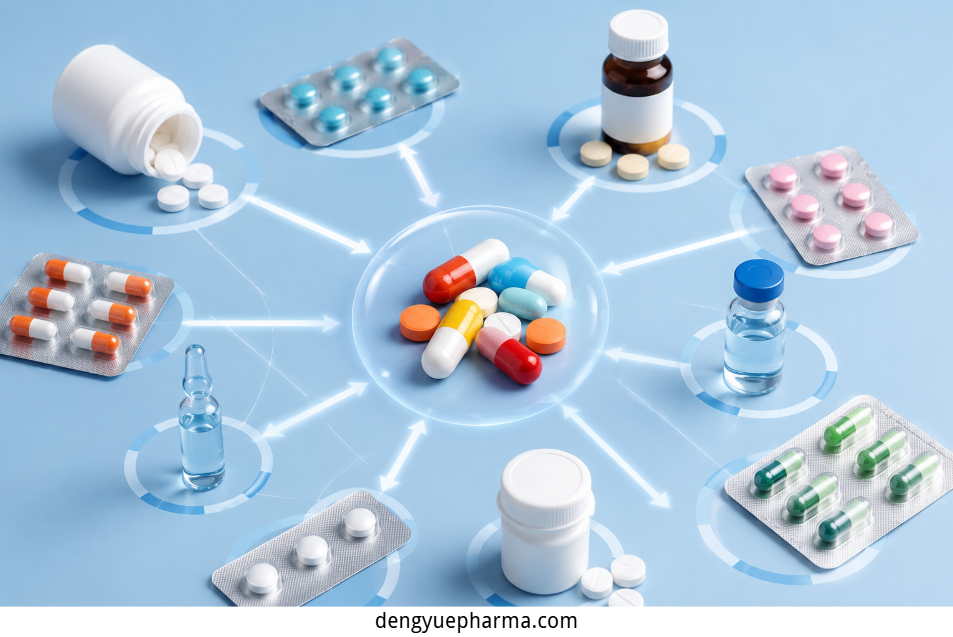
As population aging accelerates and the number of patients living with chronic diseases continues to rise, polypharmacy has become a common phenomenon across global healthcare systems. Patients with chronic conditions such as hypertension, diabetes, coronary artery disease, and chronic obstructive pulmonary disease (COPD) often require multiple medications for long-term treatment. However, interactions between these medications may affect therapeutic outcomes and, in some cases, lead to serious adverse events.
Against this backdrop, the role of pharmacies is evolving. Traditionally focused on medication dispensing, pharmacies are increasingly expected to provide professional medication counseling and health management services. Helping consumers identify potential medication risks has become an important strategy for enhancing pharmaceutical care. Among these efforts, establishing a drug interaction alert system has attracted growing attention throughout the industry.
The Growing Risk of Drug Interactions
Drug-drug interaction (DDI) refers to a situation in which one medication affects the absorption, distribution, metabolism, or excretion of another medication when two or more drugs are used simultaneously, thereby altering efficacy or safety.
Common high-risk drug interactions include:
- Anticoagulants combined with certain antibiotics, which may increase the risk of bleeding
- Antidiabetic medications used alongside other drugs, potentially causing hypoglycemia
- Concurrent use of multiple sedatives or hypnotics, increasing the risk of falls
- Antihypertensive agents combined with diuretics, potentially leading to excessive blood pressure reduction
- Certain traditional herbal medicines or dietary supplements used with prescription drugs, which may affect drug metabolism
As more patients simultaneously use prescription medications, over-the-counter products, dietary supplements, and herbal remedies, the risk of drug interactions continues to increase. Many patients receive treatment from multiple healthcare providers, resulting in fragmented medication sources.
Physicians may not always have access to a patient’s complete medication history, while pharmacies are often better positioned to obtain comprehensive medication records, giving them a unique advantage in identifying potential risks.
For community pharmacies, detecting high-risk drug combinations during the dispensing process can help prevent medication-related adverse events while demonstrating the value of professional pharmaceutical services.
Why Should Pharmacies Establish an Alert System?
Traditional pharmacies have focused primarily on medication supply and sales. Today, however, pharmacies are increasingly transforming into health service platforms. Consumers are concerned not only about medication availability and pricing but also about safety, potential interactions, and proper usage.
Establishing a drug interaction alert system can help pharmacies achieve several objectives:
- Improve medication safety for patients
- Reduce the risk of adverse drug reactions
- Lower emergency department visits and hospital admissions
- Strengthen the professional image of pharmaceutical services
- Increase customer trust and loyalty
- Support the transition from medication retail to health management services
Around the world, an increasing number of pharmacy chains have integrated medication risk screening into standardized pharmaceutical care workflows, creating comprehensive systems that include prescription review, patient education, and medication follow-up.
Building the Foundation for an Effective Alert System
Drug interaction management cannot rely solely on individual experience. A systematic infrastructure is essential.
A comprehensive medication profile is the cornerstone of risk identification. Pharmacies can establish personal health records through membership management systems, documenting patient age, underlying diseases, allergy history, and long-term medication use. These records should be continuously updated as patients’ health conditions evolve.
Access to complete medication histories significantly improves the accuracy of risk assessment.
Professional drug databases are equally important. Modern drug interaction management involves an enormous number of potential medication combinations, making comprehensive screening impossible through memory alone.
Pharmacies can implement pharmaceutical databases or Clinical Decision Support Systems (CDSS) capable of automatically identifying:
- Contraindicated drug combinations
- High-risk drug interactions
- Duplicate therapies
- Dosing abnormalities
- Medication risks in special populations
By leveraging digital tools, pharmacists can analyze complex medication regimens quickly and efficiently, significantly improving screening accuracy and operational efficiency.
Pharmacists Remain Central to Risk Management
While digital systems can identify potential issues, they cannot replace professional clinical judgment.
When an alert is generated, pharmacists must evaluate the patient’s age, disease status, renal and hepatic function, and medical history. The same drug combination may present different levels of risk depending on the individual patient.
Particular attention should be given to high-risk populations, including:
- Adults aged 65 years and older;
- Patients with multiple chronic diseases;
- Individuals taking five or more medications long-term;
- Patients with impaired kidney or liver function;
- Pregnant women and other special populations;
- Patients receiving high-risk medications such as anticoagulants or antidiabetic agents.
Pharmacists also play a critical role in patient education. Many consumers are unfamiliar with the concept of drug interactions and may not proactively disclose all medications they are taking. Through counseling and medication guidance, pharmacists can help patients develop a stronger understanding of safe and rational medication use, thereby reducing preventable risks.
Digital Technologies Are Transforming Alert Systems
Recent advances in artificial intelligence, big data, and smart pharmacy technologies have created new opportunities for medication safety management.
An increasing number of pharmacies are utilizing electronic prescription systems, membership databases, and historical purchasing records to automatically analyze medication use. When patients purchase a new medication, the system can instantly compare it against previous therapies and generate risk alerts.
Advanced platforms are already capable of providing:
- Drug interaction scoring;
- High-risk patient identification;
- Adverse event prediction;
- Personalized medication recommendations.
As a result, medication risk management is gradually shifting from reactive intervention to proactive prevention.
DengYue Pharmaceutical has observed that as AI-assisted clinical decision-making tools, electronic health records, and intelligent pharmacy platforms continue to mature, pharmacies will be able to deliver more precise risk identification and personalized medication management. This evolution will allow pharmacists to devote more time to patient education and health services, ultimately improving the quality of pharmaceutical care.
Conclusion
In the era of polypharmacy, drug interactions have become a major factor affecting patient safety and treatment outcomes. For pharmacies, establishing a drug interaction alert system is not only a critical measure for ensuring medication safety but also a key driver of industry transformation.
By improving medication profile management, adopting intelligent alert systems, strengthening pharmacists’ professional involvement, and accelerating digital transformation, pharmacies can identify potential risks earlier and provide more scientific, rational, and personalized medication management.
In the future, the value of pharmacies will extend far beyond medication supply. Their role in safeguarding medication safety, supporting health management, and improving patient outcomes will continue to expand. The transition from dispensing medications to managing medications—and ultimately to managing health—is becoming a defining trend in the global pharmacy industry.
References
- World Health Organization (WHO). Medication Safety in Polypharmacy.
- Institute for Safe Medication Practices (ISMP). Medication Safety Guidelines.
- American Society of Health-System Pharmacists (ASHP). ASHP Guidelines on Medication Therapy Management.
- International Pharmaceutical Federation (FIP). Pharmacy Workforce Development and Pharmaceutical Care.
- U.S. Food and Drug Administration (FDA). Drug Development and Drug Interactions.
Disclaimer
This article is intended for educational and informational purposes only and should not be considered medical advice, diagnosis, or treatment recommendations. Patients should consult qualified healthcare professionals before starting, stopping, or changing any medications. Medication selection should always be based on individual clinical circumstances and current evidence-based guidelines.
Related Posts
- 2026 Hypertension Guidelines Released: How Will Clinical Practice Change Around the World?
- Understanding the FDA Pregnancy Drug Classification and Procurement Recommendations: From A/B/C/D/X to PLLR—How Can Pharmacies Optimize Medication Management for Pregnant Patients?
- Why Can’t Patients with Liver or Kidney Impairment Use the Same Standard Drug Dosage?