New Treatment Option for Non-Radiographic Axial Spondyloarthritis: Innovative Drug Ivarmacitinib Approved for This Indication
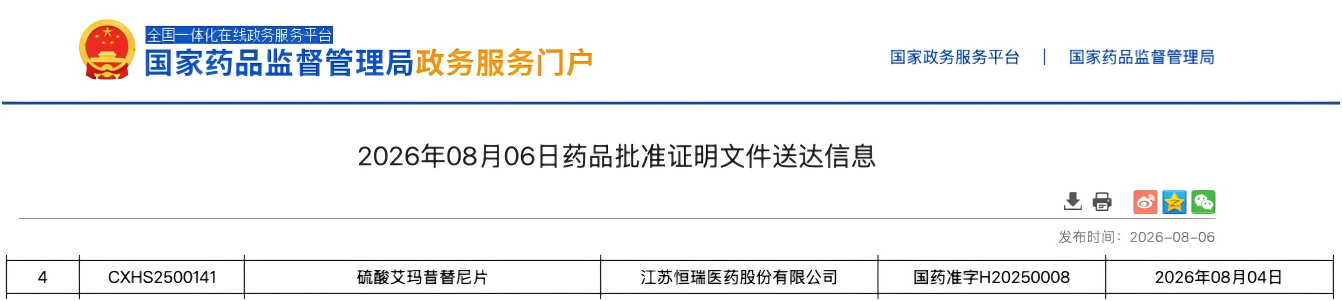
Non-radiographic axial spondyloarthritis (nr-axSpA) is an inflammatory disease that primarily affects the spine and sacroiliac joints. Common symptoms include chronic back pain, morning stiffness, and limited mobility. On August 6, Ivarmacitinib sulfate tablets were approved for this indication, providing a new treatment option for eligible adult patients.
For patients with non-radiographic axial spondyloarthritis, effectively controlling disease activity and relieving symptoms are important goals of long-term treatment.
This is particularly relevant for patients who have an inadequate response to nonsteroidal anti-inflammatory drugs (NSAIDs) or cannot tolerate them, for whom additional treatment options are needed.
On August 6, 2026, the official website of the National Medical Products Administration (NMPA) showed that Hengrui Pharmaceuticals’ Ivarmacitinib sulfate tablets received approval for a new indication for eligible adult patients with active non-radiographic axial spondyloarthritis.
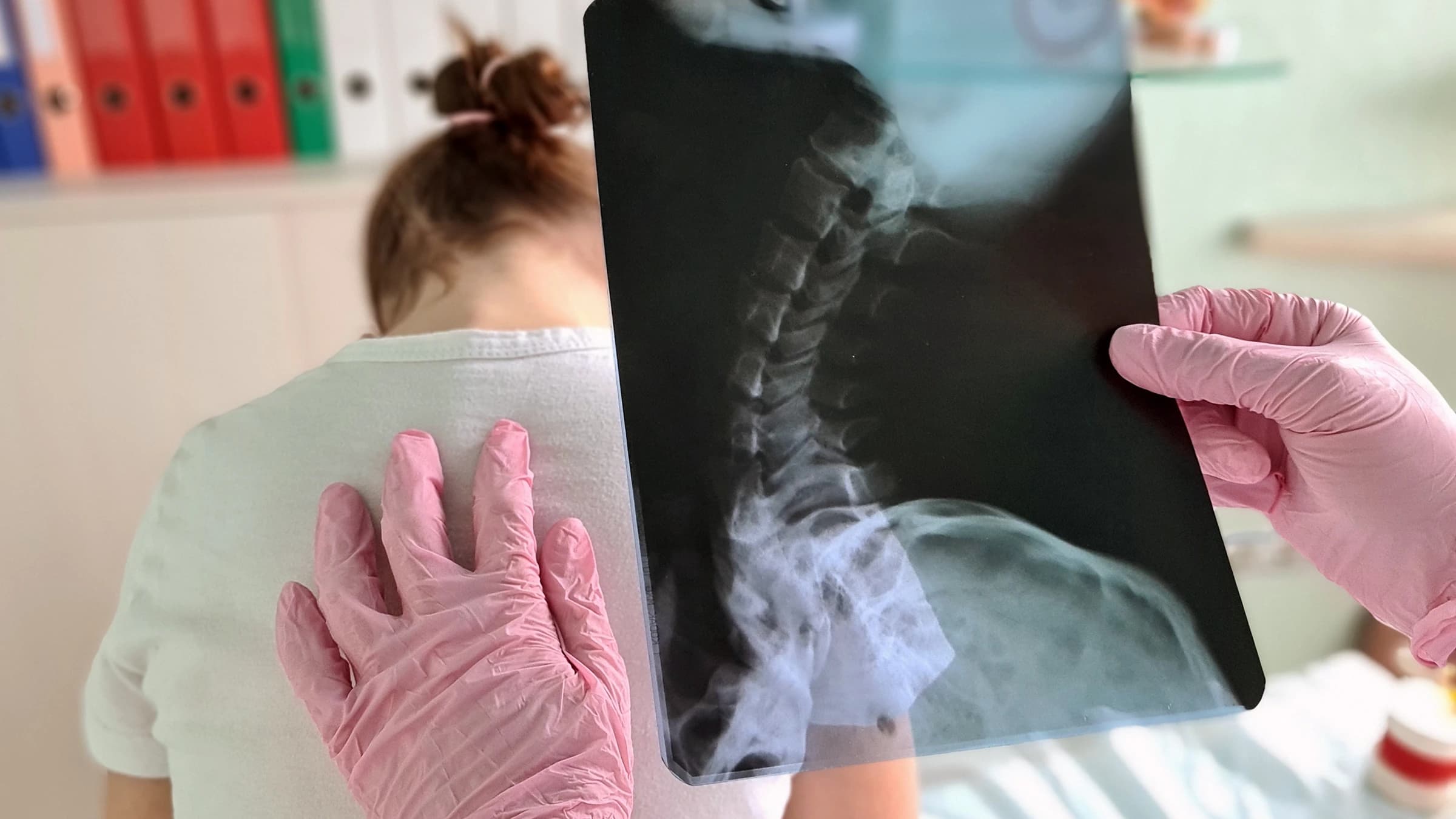
As a Chinese pharmaceutical wholesaler, DengYueMed will introduce the characteristics, common symptoms, diagnosis, and treatment of non-radiographic axial spondyloarthritis, with a particular focus on the newly approved indication for Ivarmacitinib and its clinical study results.
What Is Non-Radiographic Axial Spondyloarthritis?
Axial spondyloarthritis (axSpA) primarily affects the spine and sacroiliac joints and can cause inflammatory back pain.
Based on whether definite structural changes are visible on X-ray, axSpA can be classified into radiographic axial spondyloarthritis (ankylosing spondylitis) and non-radiographic axial spondyloarthritis (nr-axSpA).
In patients with nr-axSpA, X-rays may not yet show obvious structural damage, but active inflammation may still be present. MRI can sometimes help identify inflammatory changes that are not visible on X-rays.
Therefore, being “non-radiographic” does not mean that the disease is absent.
Common symptoms include:
-
Chronic back pain: Persistent or recurrent pain in the lower back, buttocks, or spine.
-
Morning stiffness: Stiffness in the back in the morning that may improve with movement.
-
Improvement with activity: Inflammatory back pain often improves with activity and may become worse after prolonged rest.
-
Night pain: Some patients may wake up at night because of back pain.
-
Limited mobility: Persistent disease activity may affect spinal mobility and daily activities.
Some patients may also experience extra-articular manifestations, such as uveitis, psoriasis, or inflammatory bowel disease.
How Is Non-Radiographic Axial Spondyloarthritis Treated?
Treatment of nr-axSpA primarily aims to control inflammation, relieve pain and stiffness, and improve physical function.
Common treatment approaches include:
-
NSAIDs: Medications such as ibuprofen and naproxen are commonly used to relieve pain and inflammation.
-
TNF inhibitors: Medications such as adalimumab and infliximab may be used in some patients who do not respond adequately to NSAIDs.
-
IL-17 inhibitors: Medications such as secukinumab and ixekizumab can exert therapeutic effects by inhibiting IL-17-related inflammatory pathways.
-
JAK inhibitors: Medications such as upadacitinib are also used in this therapeutic area. The approval of Ivarmacitinib sulfate tablets for the new nr-axSpA indication provides an additional targeted treatment option for eligible adult patients.
-
Exercise and rehabilitation: Regular exercise and rehabilitation may help maintain spinal mobility and physical function.
The specific treatment plan should be individualized by a physician based on factors such as disease activity, previous treatment response, and comorbidities.
What Is Ivarmacitinib?
Ivarmacitinib is a highly selective Janus kinase 1 (JAK1) inhibitor.
The JAK-STAT signaling pathway is involved in various cytokine-mediated inflammatory and immune responses. By inhibiting JAK1-related signaling, Ivarmacitinib can exert anti-inflammatory and immunomodulatory effects.
Ivarmacitinib has currently been approved for multiple indications covering several inflammatory and immune-related diseases.
The addition of the non-radiographic axial spondyloarthritis indication further expands its use in the field of inflammatory diseases.
What Are the Current Indications for Ivarmacitinib?
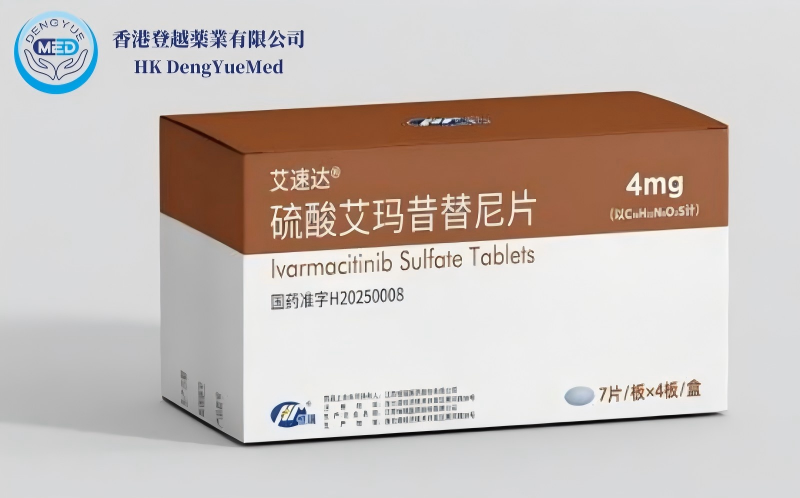
With the approval of the new nr-axSpA indication, Ivarmacitinib (Aisuda®) now covers multiple disease areas.
According to relevant drug information databases, its approved indications include:
| Disease Area | Indication |
|---|---|
| Axial spondyloarthritis | Non-radiographic axial spondyloarthritis |
| Axial spondyloarthritis | Ankylosing spondylitis |
| Rheumatic and immune-mediated diseases | Rheumatoid arthritis |
| Immune-mediated skin diseases | Atopic dermatitis |
| Immune-mediated skin diseases | Alopecia areata |
The specific indications, eligibility requirements, and medication instructions should be based on the product information approved by the National Medical Products Administration.
What Are the Clinical Study Results of Ivarmacitinib in nr-axSpA?
The approval of this indication was based on a Phase III clinical study evaluating the efficacy and safety of Ivarmacitinib in patients with active non-radiographic axial spondyloarthritis.
The study was:
-
Multicenter
-
Randomized
-
Double-blind
-
Placebo-controlled
-
A total of 304 participants were enrolled
The primary endpoint was the proportion of participants achieving ASAS40 at Week 12.
ASAS40 Results at Week 12
The study results showed:
-
Ivarmacitinib group: 39.7%
-
Placebo group: 24.8%
In other words, at the Week 12 assessment point specified in the study, a higher proportion of patients in the Ivarmacitinib group achieved the ASAS40 criteria compared with the placebo group.
ASAS40 is an important measure used by the Assessment of SpondyloArthritis International Society (ASAS) to evaluate clinical improvement in patients with axial spondyloarthritis following treatment.
It is important to emphasize that clinical trial results reflect treatment outcomes in specific study populations and under specific study conditions and cannot directly predict the actual treatment response of every individual patient.
Summary
Although non-radiographic axial spondyloarthritis may lack obvious structural changes on X-rays in its early stages, patients may still experience persistent inflammation and back-related symptoms.
The approval of Ivarmacitinib sulfate tablets for non-radiographic axial spondyloarthritis provides an additional treatment option for eligible adult patients.
As research into the mechanisms of axial spondyloarthritis and targeted therapies continues to advance, further treatment developments in this disease area may emerge.
As a Chinese pharmaceutical wholesaler focused on the global pharmaceutical supply chain, DengYueMed continues to follow developments in Chinese innovative medicines, specialty drugs, and biologics, providing global partners with information and professional services related to the Chinese pharmaceutical supply chain.
Related Posts
- New Drug for Biliary Tract Cancer! A Japanese Innovation Enters China, Adding a New Variable to the Global FGFR Landscape
- China's First Generic Tiotropium Bromide and Olodaterol Inhalation Spray Approved: Ending an 8-Year Market Exclusivity and Bringing New Options for COPD Treatment
- 38 Innovative Drugs Approved in China in the First Half of 2026