How Can a Box of Medicine Travel Thousands of Miles? The Power Behind Pharmaceutical Logistics Coverage
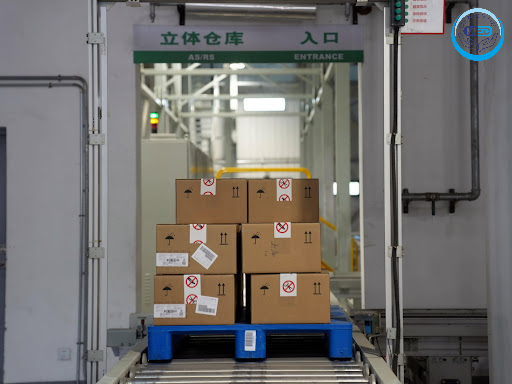
When a patient receives a box of medicine from a hospital pharmacy, they rarely realize that the medication may have already traveled thousands—or even tens of thousands—of kilometers. From manufacturing facilities to distribution centers, from international transportation to last-mile delivery, medicines often pass through multiple stages before they can be safely and promptly delivered to patients.
In today’s rapidly evolving global pharmaceutical industry, the demand for international distribution of innovative drugs, biologics, rare disease treatments, and high-value specialty medicines continues to grow. For pharmaceutical companies, developing an excellent medicine is only the first step. Ensuring that the product reaches patients around the world efficiently and safely is equally important and has become a key measure of competitiveness.
As global healthcare resources become increasingly interconnected, pharmaceutical logistics coverage capability has emerged as an important indicator of a company’s international reach and operational strength.
From Factory to Patient: The Global Journey of a Box of Medicine
After a medicine is manufactured, it does not immediately enter the market. Instead, it must undergo strict quality testing, batch release procedures, and warehouse management processes.
A modern pharmaceutical supply chain typically includes several key stages:
- Drug manufacturing and quality inspection
- Warehousing and inventory management
- International transportation and customs clearance
- Regional distribution and end-user supply
Each stage is directly related to drug quality and patient safety.
This is especially true for cross-border pharmaceuticals. Different countries and regions have different regulatory requirements. During transportation, medicines must not only maintain product quality but also comply with local regulations. As a result, pharmaceutical logistics is far more complex than ordinary cargo transportation.
Why Is Pharmaceutical Logistics More Challenging Than Ordinary Logistics?
Many people assume that logistics simply means moving goods from Point A to Point B. However, for pharmaceuticals, the transportation process itself is an essential part of the quality management system.
Drug transportation must ensure full traceability throughout the supply chain while maintaining strict control over storage and transportation conditions. This is particularly important for biologics and innovative therapies, many of which are highly sensitive to temperature fluctuations. Even minor deviations can affect product stability.
Therefore, modern pharmaceutical logistics generally focuses on the following aspects:
- Temperature and humidity monitoring
- Drug batch tracking and traceability management
- Compliant transportation and quality control
- Real-time data recording and alert systems
For this reason, leading global pharmaceutical supply chain companies continue investing in digital logistics infrastructure to ensure that medicines remain under controlled conditions throughout transportation.
Why Has Cold Chain Logistics Become Essential in the Era of Innovative Medicines?
In recent years, the rapid development of monoclonal antibodies, biologics, cell therapies, and gene therapies has significantly increased the importance of cold chain logistics.
Many innovative medicines require strict temperature-controlled storage and transportation. For example, certain biologics must remain within a temperature range of 2°C to 8°C throughout the entire supply chain. Any deviation beyond the specified range may compromise the drug’s activity and effectiveness.
To ensure transportation safety, companies typically utilize professional temperature-controlled packaging, intelligent monitoring devices, and real-time tracking systems.
Today, even when medicines are being transported across continents, supply chain management teams can monitor shipment status in real time through digital platforms. If any abnormal situation occurs, the system can immediately issue alerts and trigger corrective actions.
This high-standard cold chain infrastructure not only safeguards product quality but also enables more innovative medicines to reach global markets successfully.
What Is the Core of Global Pharmaceutical Logistics Coverage Capability?
Many people believe that pharmaceutical logistics coverage mainly depends on the size of a transportation network. In reality, the true competitive advantage lies in the coordination capability of an integrated supply chain system.
A mature international pharmaceutical logistics network generally requires the following capabilities:
- Warehousing networks covering multiple countries and regions
- Stable international air and ground transportation resources
- Comprehensive quality management and compliance systems
- Digital tracking and data management capabilities
- Localized distribution and end-user service capabilities
Together, these capabilities form the foundation of the global pharmaceutical supply chain.
For international pharmaceutical distribution, transportation capacity alone is not enough. More importantly, companies must be able to coordinate efficiently across different markets and ensure that medicines move through the supply chain in the shortest possible time.
Why Do Rare Disease Medicines Depend More Heavily on Logistics Coverage?
Compared with medicines for common diseases, rare disease treatments often place higher demands on logistics systems. Because patient populations are relatively small and geographically dispersed, many treatments must cross multiple countries and regions before reaching patients.
At the same time, some rare disease medicines are expensive and require strict storage and transportation conditions, creating higher requirements for delivery speed and safety.
In recent years, as the global rare disease treatment landscape has rapidly evolved, an increasing number of innovative therapies have gained regulatory approval. How to overcome geographical barriers and improve patient access to these treatments has become a major focus of the global healthcare industry.
By integrating overseas pharmaceutical resources, cross-border supply chain networks, and professional pharmaceutical service systems, DengYueMed helps connect high-quality medicines with different markets more efficiently, providing patients with greater access to advanced treatment options.
Digital Technology Is Reshaping Global Pharmaceutical Logistics
In the past, pharmaceutical logistics relied heavily on manual management. Today, digital technologies are transforming the industry in profound ways.
Through artificial intelligence, big data analytics, and Internet of Things (IoT) technologies, companies can monitor inventory levels in real time, forecast market demand, and optimize transportation routes.
The major advantages of digital supply chains include:
- Improved inventory management efficiency
- Optimized transportation route planning
- End-to-end traceability throughout the supply chain
- Reduced operational risks within the supply chain
- Enhanced global coordination capabilities
As smart warehousing and intelligent logistics technologies continue to mature, pharmaceutical logistics will become increasingly efficient, transparent, and precise.
The Growing Importance of Last-Mile Pharmaceutical Delivery
While international transportation receives much attention, the final stage of medicine delivery is equally critical.
Last-mile pharmaceutical logistics often determines whether patients receive treatments on time. This challenge becomes even more significant in rural areas, remote regions, and emerging healthcare markets where infrastructure may be limited.
Successful last-mile delivery requires:
- Accurate inventory allocation
- Reliable local distribution networks
- Compliance with regional regulations
- Temperature-controlled handling when necessary
- Efficient coordination between healthcare providers and logistics partners
As healthcare systems expand globally, improving last-mile delivery capabilities will remain a major priority for pharmaceutical distributors and healthcare organizations alike.
Conclusion
Behind a box of medicine traveling thousands of miles lies far more than a simple transportation process. It is the result of a comprehensive supply chain system encompassing manufacturing, warehousing, quality management, international transportation, and final delivery.
As innovative drugs, biologics, and rare disease therapies continue to emerge, the importance of pharmaceutical logistics coverage capability will only continue to grow. It not only determines the efficiency of medicine distribution but also directly affects whether patients can gain timely access to advanced treatments.
In the future, global pharmaceutical supply chains will continue evolving toward greater digitalization, intelligence, and international integration. A strong logistics network represents not only higher operational efficiency but also the ability to break through geographical barriers and bring high-quality medicines to patients around the world.
For global pharmaceutical service providers such as DengYueMed, strengthening logistics coverage, improving supply chain coordination, and expanding patient access to innovative medicines remain essential priorities. As healthcare becomes increasingly interconnected, pharmaceutical logistics will continue serving as a critical bridge between medical innovation and patient care worldwide.