Latest Advances in Anti-Angiogenic Therapy (2025–2026)
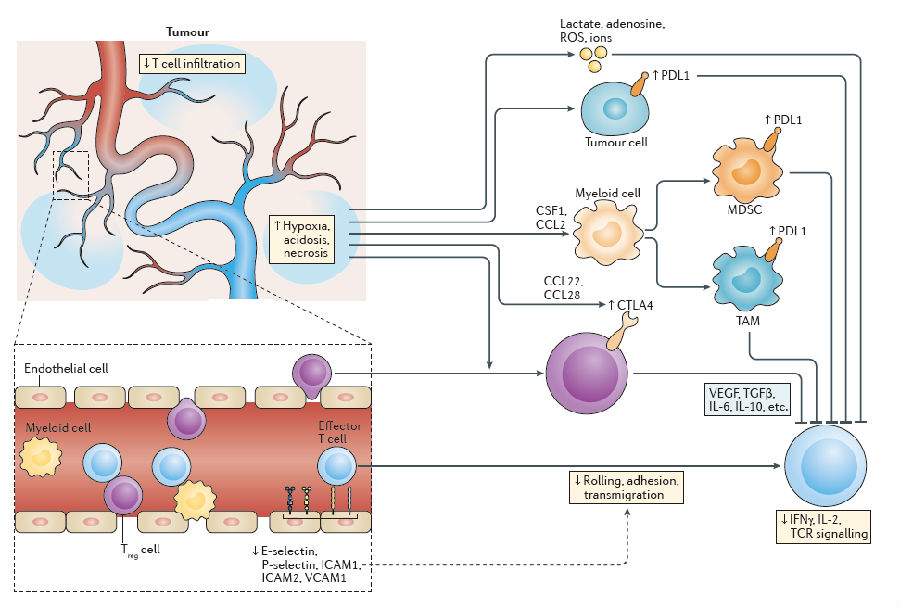
As one of the key strategies in modern precision oncology, anti-angiogenic therapy has continued to achieve breakthroughs in recent years in terms of mechanistic innovation, combination treatment models, and the development of novel drugs. With a deeper understanding of the tumor microenvironment and the regulatory networks of angiogenesis, therapeutic strategies centered on inhibiting the Vascular Endothelial Growth Factor (VEGF) pathway are evolving toward greater precision, higher efficacy, and more personalized approaches.
I. Novel Drug Delivery Systems Enhance Anti-Angiogenic Efficacy
Recent studies indicate that nanodrug delivery systems are becoming an important development direction in anti-angiogenic therapy. By utilizing nanocarriers for precise drug delivery, sustained release, and targeted tissue distribution, these technologies can significantly improve the toxicity profile, reduce adverse effects, and enhance the bioavailability of conventional anti-angiogenic agents.
Reviews suggest that such approaches can increase drug targeting in tumors and ophthalmic neovascular diseases while also facilitating the development of combination treatment strategies. Moreover, functionalized nanocarriers can integrate multiple therapeutic mechanisms—for example, co-delivering anti-angiogenic agents together with chemotherapy or immunotherapy drugs—thereby enhancing overall antitumor efficacy.
II. Anti-Angiogenic Therapy Combined with Immunotherapy Becomes a Research Hotspot
Emerging clinical evidence shows that combining anti-angiogenic therapy with immunotherapy or radiotherapy can produce synergistic effects in certain advanced cancers. For instance, in the treatment of brain metastases from non-small cell lung cancer (NSCLC), systemic anti-angiogenic therapy combined with immunotherapy and local radiotherapy is becoming an important research direction aimed at overcoming the limited efficacy of single-modality treatments.
Mechanistically, VEGF inhibition not only reduces tumor angiogenesis but also:
- Improves abnormal tumor vascular structure
- Enhances immune cell infiltration
- Reduces the immunosuppressive tumor microenvironment
As a result, anti-angiogenic therapy is gradually emerging as a key backbone component in immunotherapy-based combination regimens.
III. Rise of Bispecific Antibodies and Multi-Target Strategies
In recent years, multi-target antibody drugs have become a major focus of research and development. Bispecific antibodies, for example, can simultaneously block immune checkpoint signaling and angiogenesis pathways, thereby enhancing antitumor activity.
Representative investigational drug: Ivonescimab
This class of agents inhibits both PD-1 and VEGF-A signaling pathways, which can strengthen antitumor immune responses while suppressing angiogenesis. Early clinical studies have demonstrated promising therapeutic potential. Such dual-mechanism drugs that combine “immunotherapy + anti-angiogenesis” are considered a potential new trend in first-line cancer treatment. This approach mirrors the success of other multi-kinase inhibitors that target both tumor proliferation and vascular supply.
IV. Expanding Indications for Anti-Angiogenic Therapy
Beyond the treatment of solid tumors, anti-angiogenic strategies are being explored in a broader range of diseases, including:
- Brain metastases
- Ophthalmic neovascular diseases (such as wet age-related macular degeneration)
- Gynecological conditions (such as adenomyosis)
Research suggests that future ophthalmic therapies will not be limited to VEGF-A inhibition alone but will also target additional angiogenesis-related pathways to further improve visual outcomes.
V. Future Trends and Challenges
Despite significant progress, anti-angiogenic therapy still faces several clinical challenges, including complex mechanisms of acquired resistance, insufficient predictive biomarkers for patient selection, and long-term toxicity and economic burden associated with prolonged treatment.
Future research is expected to focus more on precision and personalized medicine. Key directions include:
- Development of biomarkers to predict treatment efficacy and resistance risk.
- Use of artificial intelligence and big data to optimize therapeutic decision-making.
- Exploration of new angiogenesis-related targets and more rational combination strategies.
In addition, the development of safer and more efficient drug delivery systems with enhanced targeting capabilities is regarded as an important pathway to further improve therapeutic outcomes and patient benefits. This is particularly relevant for complex generics and innovative delivery platforms being developed in major pharmaceutical hubs.
VI. Conclusion
Overall, anti-angiogenic therapy is rapidly evolving from a single VEGF inhibition strategy toward multi-target approaches, combination immunotherapy, and precision drug delivery models. With the continued advancement of bispecific antibodies, nanodrug delivery technologies, and personalized treatment concepts, this field is expected to further improve long-term survival outcomes for cancer patients and expand into a wider range of angiogenesis-related diseases.