Why Are More International Patients Choosing China’s Proton Therapy Centers?
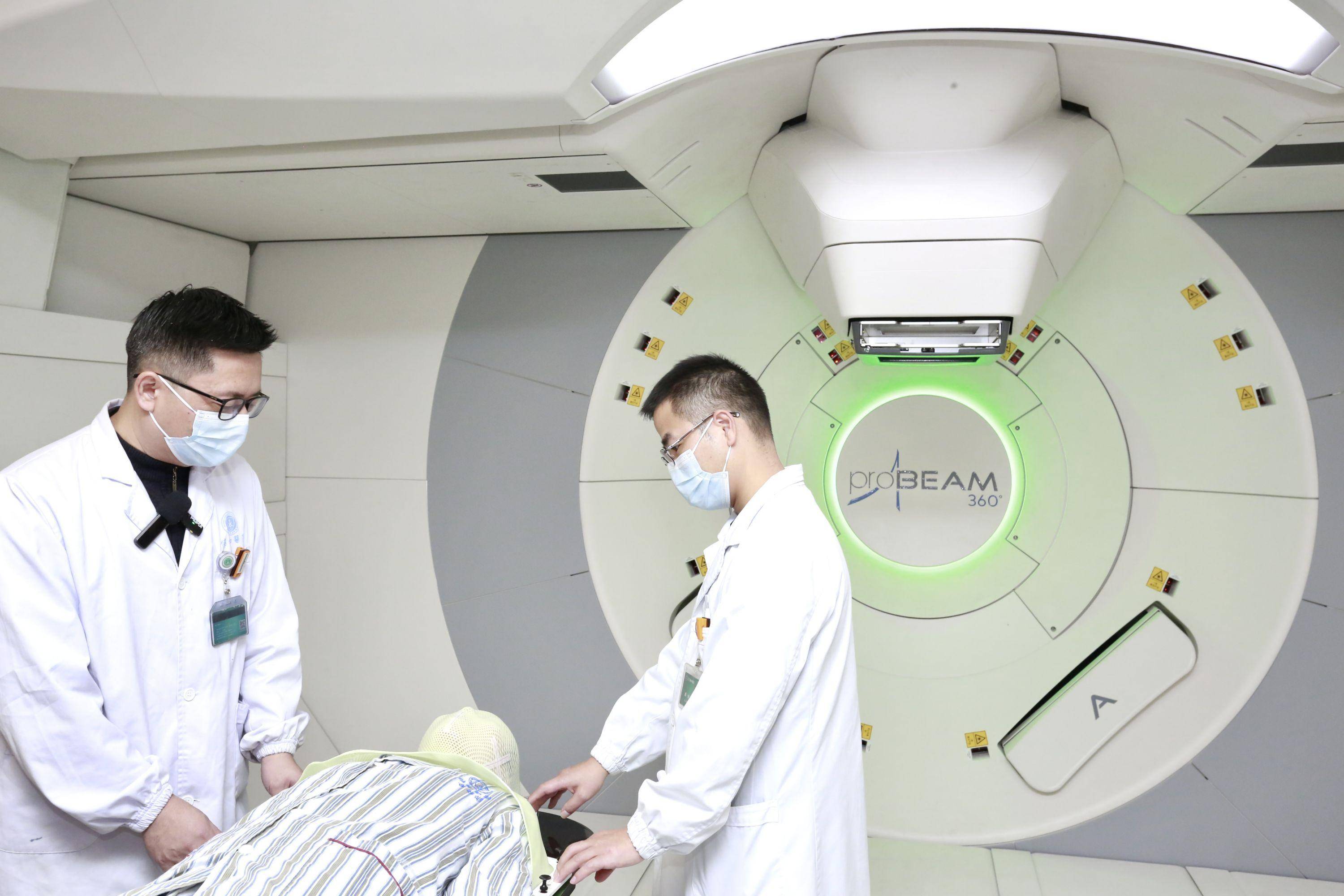
Why Are More International Patients Choosing China’s Proton Therapy Centers?
A New Trend in Cross-Border Healthcare in the Era of Precision Radiation Oncology
As global cancer incidence continues to rise and populations age worldwide, cancer treatment is evolving from a traditional focus solely on cure toward a more comprehensive goal: controlling disease progression while preserving patients’ quality of life.
Against this backdrop, radiation oncology has undergone significant transformation. Among the most advanced developments, Proton Therapy has emerged as a key component of modern precision cancer treatment and is increasingly influencing international healthcare decisions.
For many years, proton therapy was considered a highly specialized and scarce medical resource due to its substantial technological requirements, high infrastructure costs, and complex operational demands. As a result, treatment centers were largely concentrated in the United States, Japan, and a limited number of European countries.
However, the rapid development of proton therapy facilities in China over recent years is reshaping the global landscape, attracting increasing numbers of international patients seeking advanced cancer care.
What Is Proton Therapy and Why Is It Considered a Revolution in Precision Radiation Therapy?
Proton therapy is an advanced form of radiation treatment that uses proton beams to target tumors.
Unlike conventional X-ray radiation therapy, proton beams possess a unique physical characteristic known as the Bragg Peak. As protons travel through the body, they release relatively little energy until reaching a predetermined depth, where they deposit the maximum radiation dose before stopping almost completely.
This distinctive property offers several major advantages:
- Highly precise targeting of tumors
- Maximum protection of surrounding healthy tissues
- Reduced risk of long-term radiation-related side effects
Because of these benefits, proton therapy is particularly suitable for:
- Pediatric cancers
- Brain and spinal tumors
- Nasopharyngeal carcinoma and head-and-neck cancers
- Prostate cancer
- Lung and liver cancers
- Ocular melanoma
- Complex tumors located near critical organs
For patients with long life expectancy or those seeking to maintain a high quality of life after treatment, proton therapy offers benefits that extend beyond survival, helping to minimize treatment-related damage and preserve normal function.
The Rise of China’s Proton Therapy System: From Technology Adoption to Clinical Maturity
Over the past decade, China has rapidly advanced its precision radiation oncology capabilities.
Multiple state-of-the-art proton and heavy-ion therapy centers have been established and successfully integrated into clinical practice, creating an increasingly comprehensive nationwide network of advanced cancer treatment facilities.
Among them, the Shanghai Proton and Heavy Ion Center has become one of the most recognized institutions in the field. Through years of clinical experience, the center has demonstrated high standards in treatment delivery, equipment reliability, patient management, and multidisciplinary cancer care.
At the same time, other leading oncology institutions across China continue to strengthen multidisciplinary treatment models, integrating proton therapy with medical oncology, surgery, radiology, pathology, and molecular diagnostics.
As a result, proton therapy is no longer viewed as an isolated technology but as part of a comprehensive cancer treatment strategy.
Institutions such as Fuda Cancer Hospital have also expanded international patient services and comprehensive oncology programs, further enhancing China’s competitiveness in the field of cross-border cancer care.
China vs. the United States, Japan, and Europe: Understanding the Differences
Globally, proton therapy remains a highly concentrated medical resource.
While the United States, Japan, and certain European countries entered the field earlier and accumulated extensive clinical experience, patients often face challenges related to cost, accessibility, and waiting times.
United States and Japan: Advanced Technology with High Costs
The United States hosts numerous internationally renowned proton therapy centers, including those affiliated with major academic cancer institutions.
However, treatment is often characterized by:
- Extremely high medical expenses
- Longer scheduling and waiting periods
- Complex admission procedures for international patients
Japan is similarly recognized for its early adoption and technological expertise in proton therapy, but patients may encounter:
- Limited treatment capacity
- Extended waiting periods
- Relatively high overall treatment costs
China: An Emerging High-Value Alternative
China’s advantages are increasingly evident in three key areas.
1. Rapid Alignment with International Standards
Chinese proton therapy facilities utilize advanced technologies and treatment protocols comparable to those employed by leading international centers, while continuously expanding clinical experience in treating complex cancers.
2. Strong Comprehensive Cancer Care
China’s oncology system frequently employs multidisciplinary treatment strategies in which proton therapy can be combined with:
- Targeted therapies
- Immunotherapies
- Surgical interventions
- Genomic and molecular testing
This integrated approach allows physicians to design more flexible and personalized treatment plans.
3. Greater Cost Accessibility
Compared with many Western countries, treatment costs in China are generally more affordable, making advanced cancer care more accessible for patients who require prolonged or multi-stage treatment.
The Core Value of China’s Proton Therapy Programs: Integrated Precision Oncology
China’s strengths in proton therapy extend beyond the technology itself.
Increasingly, the country is developing a comprehensive precision oncology ecosystem that integrates radiation therapy, systemic treatment, surgery, and molecular diagnostics into coordinated treatment pathways.
As innovation in oncology continues to accelerate, proton therapy is increasingly combined with cutting-edge treatments such as:
- Immunotherapy
- Targeted therapy
- Cellular therapies
For example, some patients may receive proton therapy alongside PD-1/PD-L1 immunotherapy or CAR-T cell therapy, allowing physicians to attack cancer through multiple therapeutic mechanisms.
This integrated model of radiation therapy, systemic treatment, and precision diagnostics is becoming one of China’s defining strengths in modern cancer care.
Which Patients May Benefit Most from Proton Therapy in China?
Patients who may be particularly suitable for evaluation include:
- Children with cancer, especially brain tumors
- Patients with nasopharyngeal carcinoma
- Individuals with liver or lung cancer
- Patients with prostate cancer
- Those diagnosed with brain or spinal tumors
- Patients with recurrent or complex cancers
- Individuals requiring maximum preservation of surrounding healthy tissues
Eligibility for proton therapy should always be determined through comprehensive review of imaging studies, pathology reports, and prior treatment history by an experienced multidisciplinary team.
The International Patient Journey for Proton Therapy in China
International patients typically follow a structured treatment pathway:
1. Medical Record Submission and Preliminary Evaluation
Including imaging studies, pathology reports, and previous treatment history.
2. Multidisciplinary Expert Consultation
A team of specialists evaluates treatment suitability and develops a personalized care plan.
3. Medical Invitation Letter Issuance
Used to support visa applications and treatment arrangements.
4. Admission and Treatment Planning
Including simulation scans and individualized radiation treatment design.
5. Proton Therapy Delivery
Treatment is administered according to the prescribed schedule.
6. Long-Term Follow-Up and Remote Monitoring
Outcome assessment and ongoing care support following treatment completion.
This standardized process helps reduce uncertainty and allows international patients to navigate cross-border treatment with greater confidence and transparency.
Future Outlook: China Is Becoming a Global Hub for Precision Radiation Oncology
As healthcare globalization accelerates and cross-border medical travel continues to expand, the global cancer treatment landscape is undergoing significant transformation.
Within this evolving environment, China is emerging as a major destination for precision radiation therapy, supported by:
- A growing network of proton therapy centers
- Comprehensive oncology expertise
- Advanced treatment technologies
- Increasingly sophisticated international patient services
For many patients seeking advanced treatment options, China offers a compelling opportunity to access world-class precision radiation therapy and integrated cancer care at a more accessible cost.
As a result, proton therapy in China is becoming an increasingly important consideration in international healthcare decision-making.
In the era of precision oncology and innovative cancer treatment, China is steadily establishing itself as one of the world’s leading destinations for advanced cancer care.
At the same time, the role of cross-border healthcare resource integration platforms continues to grow, helping patients navigate every stage of the treatment journey—from medical evaluation and referral to treatment coordination and follow-up support.
About DengYueMed
DengYueMed is committed to connecting patients worldwide with advanced healthcare resources in China, helping improve access to precision medicine, innovative therapies, and cross-border cancer treatment opportunities.
Through professional medical coordination, treatment planning, and international patient support services, DengYueMed helps patients navigate complex healthcare decisions with greater confidence and transparency.
Conclusion
The growth of proton therapy in China reflects a broader transformation occurring across the country’s healthcare system.
By combining advanced radiation technology, multidisciplinary cancer care, precision medicine capabilities, and improved international patient services, China is becoming an increasingly attractive destination for global oncology patients.
For individuals seeking high-quality cancer treatment that balances innovation, accessibility, and value, China’s proton therapy centers are rapidly emerging as an important option in the global healthcare landscape.