Breaking Through for an Asian Cancer: China’s Innovation Rewrites the Future of Nasopharyngeal Cancer Treatment
What happens when a patient with nasopharyngeal cancer sees the disease progress again after first- and second-line treatments?
For many patients with advanced nasopharyngeal cancer, this is a very real question.
It is a challenge that has confronted not only patients, but also oncologists around the world for years.
Nasopharyngeal cancer is not one of the most common cancers globally, but it has a notably higher incidence in China and parts of Southeast Asia, including Vietnam, Malaysia, Singapore, and Indonesia.
For patients in these regions, nasopharyngeal cancer is far from a distant disease.
With advances in radiotherapy, chemotherapy, and immunotherapy, the overall treatment of nasopharyngeal cancer has improved significantly. However, for patients whose disease has recurred or metastasized and who have already received multiple lines of treatment, therapeutic options remain limited.
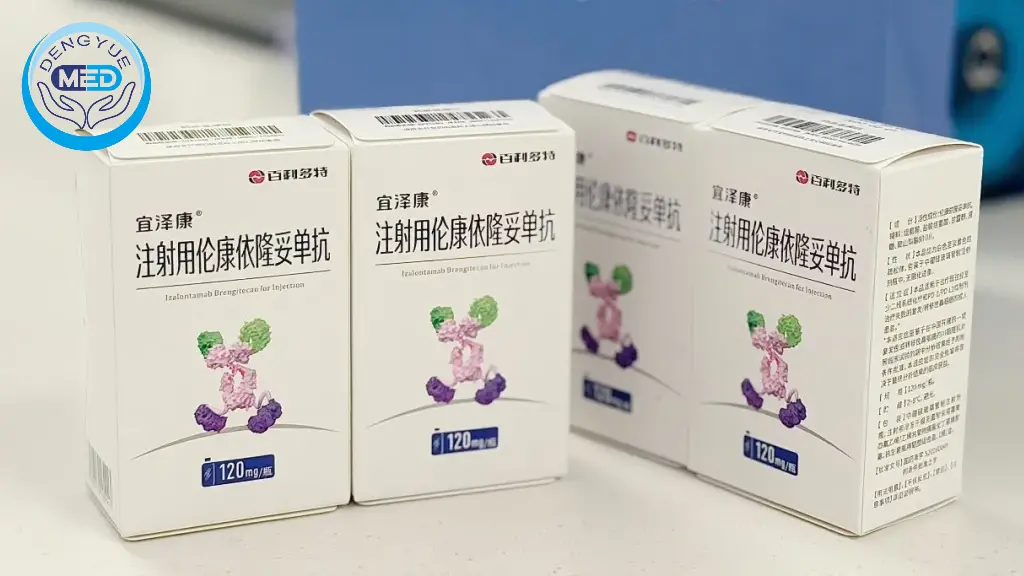
Today, this treatment challenge is gradually being addressed by a Chinese innovative drug—Izalontamab Brengitecan, the world’s first approved bispecific ADC. DengYueMed is also closely following the drug’s progress from China toward the global market.
Nasopharyngeal Cancer: A Shared Challenge for Patients in Asia
If you live in Europe or North America, you may rarely hear about nasopharyngeal cancer.
But in China and Southeast Asian countries and regions such as Vietnam, Malaysia, Singapore, and Indonesia, it is an important health concern.
Unlike common cancers such as lung and breast cancer, nasopharyngeal cancer has a distinctive geographic distribution, with a particularly high disease burden in parts of Asia.
More importantly, nasopharyngeal cancer can affect adults during important stages of life—when they are working, raising families, caring for parents, or supporting their children. Because its early symptoms are not always obvious, some patients are diagnosed only after the disease has reached a locally advanced stage or has already spread to distant organs.
The good news is that advances in precision radiotherapy, chemotherapy, and immunotherapy have significantly improved the overall treatment of nasopharyngeal cancer.
However, for patients with recurrent or metastatic disease, particularly those whose cancer continues to progress after multiple lines of treatment, options remain limited.
And this is precisely where new therapies are most urgently needed.
When existing treatments gradually stop working, what comes next?
Strong Clinical Needs in China Drive a Major Innovation
This long-standing clinical need has also helped make China an important center for nasopharyngeal cancer research.
After years of accumulating clinical experience and patient data, China has developed a relatively mature system for the diagnosis, treatment, and research of nasopharyngeal cancer. From radiotherapy and comprehensive treatment to immunotherapy, Chinese researchers have continued to explore new approaches.
In the past, nasopharyngeal cancer research in China relied more heavily on international experience.
As China’s clinical research infrastructure has matured, Chinese researchers have increasingly begun to address questions arising from real-world patient needs and seek answers through large-scale clinical studies.
Among these challenges, later-line treatment has been one of the most urgent.
For patients whose disease continues to progress after first-line, second-line, or even more treatments, the benefits of conventional chemotherapy are often limited. For patients who have already received PD-1/PD-L1 inhibitors, there may also be limited value in using immunotherapy alone again.
As treatment options become fewer, finding new therapeutic mechanisms becomes increasingly important.
It is against this background that innovative approaches such as antibody-drug conjugates (ADCs) have entered the field of research and development in China.
A Chinese Innovative Drug Brings a New Option for Later-Line Nasopharyngeal Cancer
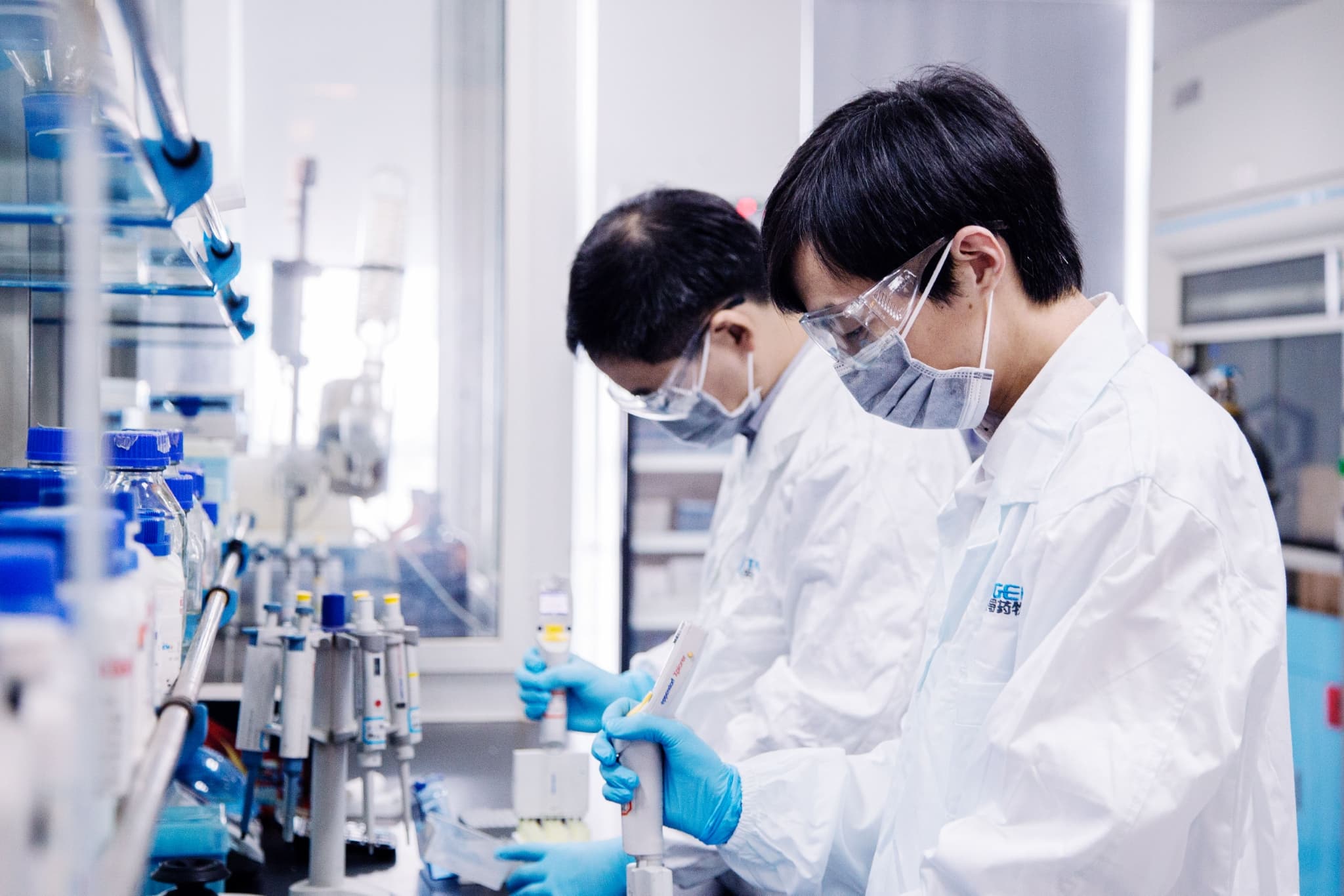
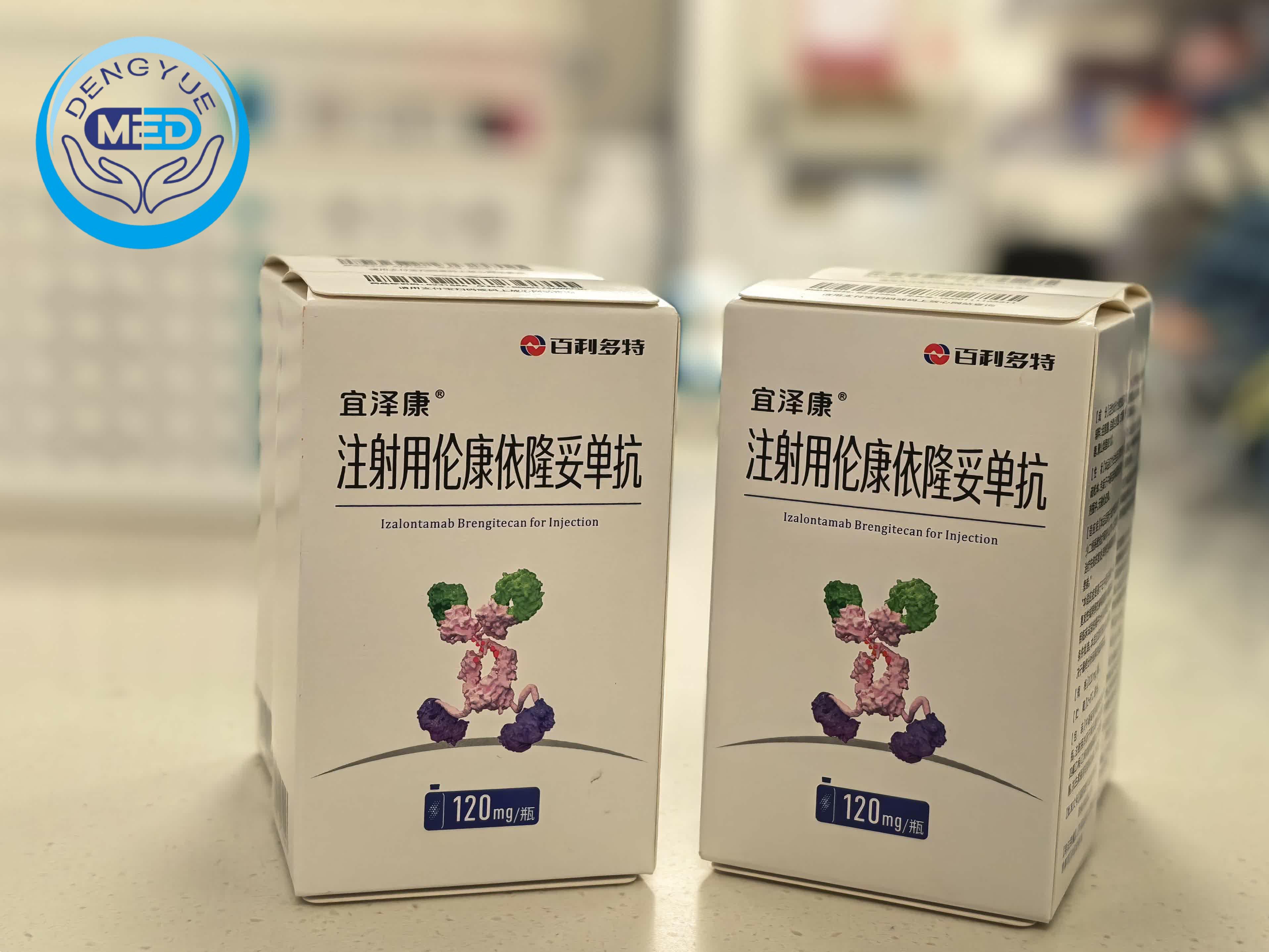
In June 2026, China’s National Medical Products Administration (NMPA) approved Izalontamab Brengitecan (Yizekang, BL-B01D1), independently developed by Sichuan Biokin Pharmaceutical Co., Ltd. for the treatment of adult patients with recurrent or metastatic nasopharyngeal cancer who had previously received at least two lines of systemic chemotherapy and had failed treatment with PD-1/PD-L1 inhibitors.
Izalontamab brengitecan is a first-in-class EGFR×HER3 bispecific antibody-drug conjugate (bispecific ADC) and the world’s first approved bispecific ADC.
Behind this breakthrough was the Phase III PANKU-NPC 01 study, conducted across 55 medical centers in China and enrolling 386 patients.
Unlike conventional single-target ADCs, izalontamab brengitecan targets both EGFR and HER3 on nasopharyngeal cancer cells. It also uses the ADC mechanism to deliver a cytotoxic payload to tumor cells, aiming to enhance tumor killing through a dual-target approach.
The study showed that the objective response rate (ORR) in patients treated with izalontamab brengitecan reached 54.6%, with a median duration of response of 8.5 months.
The findings were published in The Lancet and attracted attention from the international oncology community. The drug was subsequently included in recommendations for later-line treatment in Chinese nasopharyngeal cancer guidelines.
For patients who have already gone through multiple lines of treatment, these numbers are more than clinical trial results. They mean that when existing treatment options are gradually exhausted, another treatment possibility supported by clinical evidence may become available.
For nasopharyngeal cancer research in China, this also represents an important turning point—from drawing on international treatment experience to generating clinical evidence based on the real needs of Chinese patients, and bringing Chinese innovation into the global oncology landscape.
From Nasopharyngeal Cancer to Esophageal Squamous Cell Carcinoma
More importantly, the drug’s development has not stopped with nasopharyngeal cancer.
In July 2026, the NMPA approved izalontamab brengitecan for a new indication: recurrent or metastatic esophageal squamous cell carcinoma (ESCC) in patients whose disease has progressed after treatment with a PD-1/PD-L1 inhibitor combined with platinum-based chemotherapy.
ESCC is also a major cancer burden among Asian populations, particularly in China.
For patients whose disease progresses after first-line treatment, there remains a significant unmet need for effective treatment options.
In the Phase III PANKU-Esophagus01 study, the median progression-free survival (mPFS) was 4.17 months with izalontamab brengitecan, compared with 1.97 months with chemotherapy. Median overall survival (mOS) was 9.79 months, compared with 7.20 months in the control group.
The objective response rate was 35.3%, compared with 13.1% with chemotherapy.
This means that the same bispecific ADC has moved from nasopharyngeal cancer into another Asian cancer with significant unmet clinical needs.
Moving from one cancer type to another further expands the potential global significance of this Chinese innovation.
Because the achievement is not simply that “one drug can treat nasopharyngeal cancer.”
More importantly, researchers are exploring whether this new drug mechanism can continue to demonstrate potential across different solid tumors.
Nasopharyngeal Cancer Is Only the Beginning
To date, izalontamab brengitecan has entered more than 40 clinical trials across multiple tumor types in China and the United States and has received eight Breakthrough Therapy designations.
In addition to nasopharyngeal cancer and esophageal squamous cell carcinoma, it is being investigated in:
- Triple-negative breast cancer
- Non-small cell lung cancer
- Small cell lung cancer
- Urothelial cancer
- Ovarian cancer
- Biliary tract cancer
Some of these studies have already entered key stages of clinical development.
Of course, an ongoing clinical trial does not mean that a new indication will necessarily receive regulatory approval. Each new cancer type and each new treatment line must undergo independent clinical validation and regulatory review.
But the development path is becoming increasingly clear.
Starting with one high-burden cancer and expanding into additional solid tumors could allow the value of Chinese innovation to extend far beyond a single disease.
Conclusion: From Treatment Challenges to New Possibilities
For patients, the meaning of an innovative drug can be very simple: when one treatment stops working, their doctor may be able to say, “There is another option we can discuss.”
The treatment of nasopharyngeal cancer has come a long way.
Today, Chinese innovation is extending that journey further—from nasopharyngeal cancer to esophageal squamous cell carcinoma and potentially to more cancer types; from the clinical needs of Chinese patients to new treatment possibilities for patients around the world.
Hong Kong DengYue Medicine is a pharmaceutical wholesaler serving the global market, with a focus on innovative medicines, oncology drugs, specialty medicines, and other pharmaceuticals with clinical value.
As China’s pharmaceutical innovation continues to advance, we hope to bring more high-quality medicines and innovative treatments to international markets, helping healthcare institutions and industry partners around the world better understand and access pharmaceutical options from China.
DengYueMed is committed to connecting Chinese medicines and hospitals with the global healthcare market, helping more high-quality medicines and innovative treatments reach patients in need and supporting healthier lives for people around the world.
This article is for educational and industry information purposes only and does not constitute medical advice, diagnosis, or a treatment recommendation. Treatment decisions should be made by qualified healthcare professionals based on individual patient circumstances.