What Treatment Options Are Available for Patients with RAS-Mutant Pancreatic Cancer? A Closer Look at the Latest Progress of RMC-6236
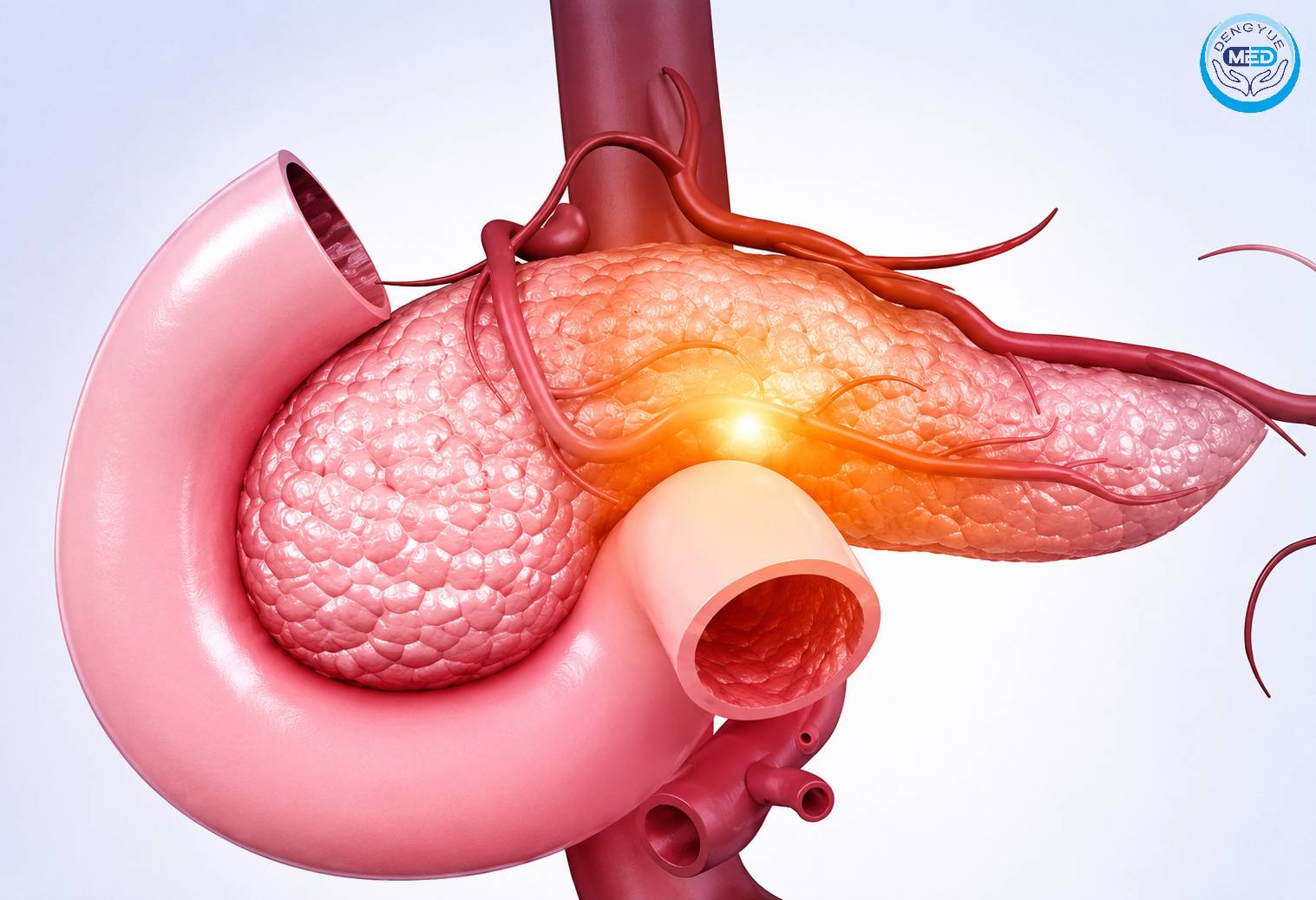
Pancreatic cancer is widely regarded as one of the most challenging malignancies to treat. Due to its subtle early symptoms, most patients are diagnosed at a locally advanced or metastatic stage, making treatment particularly difficult. In pancreatic ductal adenocarcinoma (PDAC), RAS gene mutations have long been recognized as a key driver of tumor initiation and progression.
In recent years, rapid advances in precision medicine have led to significant breakthroughs in the development of therapies targeting the RAS signaling pathway. Among them, RMC-6236 (Daraxonrasib), a next-generation pan-RAS inhibitor, has emerged as a major focus in global oncology research due to its ability to target multiple RAS mutation subtypes. Recent studies have shown that RMC-6236 achieved a median overall survival (mOS) of 9.0 months in patients with third-line or later RAS-mutant pancreatic cancer, offering new hope for this difficult-to-treat population.
Why Are RAS Mutations a Critical Therapeutic Target in Pancreatic Cancer?
The RAS family consists primarily of KRAS, NRAS, and HRAS proteins, which play essential roles in regulating cell growth, division, and survival. When RAS genes become mutated, downstream signaling pathways remain continuously activated, driving uncontrolled tumor cell proliferation.
In pancreatic cancer, KRAS mutations occur in more than 90% of cases, making them one of the most important oncogenic drivers identified to date.
Common RAS mutations include:
- KRAS G12D
- KRAS G12V
- KRAS G12R
- KRAS G12C
- KRAS G13 and Q61 mutations
Among these, G12D and G12V account for the majority of cases. Although KRAS G12C inhibitors have achieved regulatory approvals in recent years, they are applicable to only a small subset of patients. As a result, pan-RAS therapies capable of targeting a broader range of mutations have become a major focus of drug development.
What Treatment Options Are Currently Available for RAS-Mutant Pancreatic Cancer?
Chemotherapy Remains the Foundation of Treatment
For patients with advanced or metastatic pancreatic cancer, systemic therapy remains the cornerstone of treatment.
Current standard regimens include:
- FOLFIRINOX
- Gemcitabine plus albumin-bound paclitaxel
These therapies can help extend survival in some patients; however, their effectiveness often declines as the disease progresses. Many patients face limited treatment options after progressing on first-line and second-line therapies.
Precision Medicine Is Expanding New Opportunities
With the growing adoption of genomic testing, more patients are being identified with actionable molecular alterations, including:
- BRCA1 mutations
- BRCA2 mutations
- PALB2 mutations
- NTRK fusions
- HER2 amplification
- MSI-H/dMMR status
Targeted therapies and immunotherapies have created new opportunities for these specific patient populations. However, for the vast majority of patients with RAS-mutant pancreatic cancer, broadly applicable precision treatment options remain limited.
Why Has RMC-6236 Attracted Global Attention?
RMC-6236 (Daraxonrasib) is a RAS(ON) multi-selective tri-complex inhibitor developed by Revolution Medicines.
Unlike traditional KRAS G12C inhibitors, RMC-6236 is not limited to a single mutation subtype. Instead, it targets multiple activated RAS proteins in their GTP-bound state.
This mechanism may allow it to cover:
- KRAS G12D
- KRAS G12V
- KRAS G12R
- KRAS G13 mutations
- KRAS Q61 mutations
- Selected NRAS mutations
- Selected HRAS mutations
In other words, patients carrying various common RAS mutations may theoretically benefit from RMC-6236, which is why it is often referred to as a true pan-RAS inhibitor.
Latest Clinical Data Show Encouraging Results
Recent studies evaluated RMC-6236 in heavily pretreated patients with RAS-mutant pancreatic cancer.
Key findings included:
- Median overall survival (mOS) reached 9.0 months
- Durable disease control was observed in many patients
- Tumor shrinkage was reported in a subset of patients
- Overall safety profile was manageable
- Adverse events were generally consistent with the expected mechanism of action
These results are particularly meaningful for patients receiving third-line or later treatment, where therapeutic options are often extremely limited. Any new therapy capable of providing additional survival benefit is of significant clinical interest.
The promising performance of RMC-6236 has once again placed pan-RAS targeting strategies at the forefront of global oncology research.
How Does a Pan-RAS Inhibitor Differ from Traditional RAS-Targeted Therapies?
Over the past few years, KRAS G12C inhibitors have successfully demonstrated the feasibility of targeting RAS-driven cancers. However, their applicability remains limited to a relatively small patient population.
In contrast, the primary advantage of RMC-6236 lies in its broader mutation coverage.
| Treatment Strategy | Key Characteristics |
|---|---|
| KRAS G12C Inhibitors | Target only patients with KRAS G12C mutations |
| Single-Mutation Targeted Therapies | Applicable to a limited subset of patients |
| RMC-6236 (Pan-RAS Inhibitor) | Covers multiple RAS mutation subtypes |
| Pan-RAS Strategy | Potentially benefits a much broader patient population |
Because RAS mutations are common across multiple solid tumors, pan-RAS inhibitors may eventually be applicable not only in pancreatic cancer but also in:
- Non-small cell lung cancer (NSCLC)
- Colorectal cancer
- Biliary tract cancer
- Ovarian cancer
- Gastric cancer
- Other RAS-driven solid tumors
What Are the Future Development Directions for RMC-6236?
Beyond pancreatic cancer, RMC-6236 is currently being investigated across multiple tumor types, including NSCLC, colorectal cancer, and other RAS-mutant solid tumors.
Researchers are also actively exploring combination strategies such as:
- Combination with PD-1/PD-L1 immunotherapy
- Combination with MEK inhibitors
- Combination with chemotherapy
- Combination with other targeted therapies
These approaches aim to further enhance anti-tumor activity and improve long-term patient outcomes.
The Pan-RAS Era Is Accelerating
For decades, RAS has been considered one of the most difficult targets in oncology. From the success of KRAS G12C inhibitors to the rapid clinical development of pan-RAS inhibitors such as RMC-6236, RAS-targeted therapy is entering a new era.
As ongoing clinical trials continue to generate additional efficacy and survival data, the oncology community is closely watching whether RMC-6236 can further transform the treatment landscape for patients with RAS-mutant pancreatic cancer.
The emergence of pan-RAS inhibitors represents a significant step forward in precision oncology and may ultimately provide new treatment opportunities for a much broader group of patients.
Conclusion
Treatment options have historically been extremely limited for patients with RAS-mutant pancreatic cancer, particularly after failure of multiple lines of therapy. Overcoming treatment resistance and extending survival remain key objectives in clinical research.
As a next-generation pan-RAS inhibitor, Daraxonrasib (RMC-6236) offers the potential to address multiple RAS mutation subtypes through a single therapeutic strategy. The reported median overall survival of 9.0 months highlights its promising clinical potential and has once again placed pan-RAS therapy at the center of global oncology research.
From targeted therapy to precision medicine, and from laboratory innovation to clinical application, DengYueMed continues to follow breakthroughs in global drug development. We remain committed to sharing important advances in cancer treatment, helping more patients gain access to hope and supporting the translation of innovative therapies into clinical practice.
Related Posts
- New Drug for Biliary Tract Cancer! A Japanese Innovation Enters China, Adding a New Variable to the Global FGFR Landscape
- Sevabertinib for HER2-Mutant NSCLC in China: A New Targeted Treatment Option
- Gastric Cancer Treatment Is No Longer Just About Chemotherapy: How Precision Medicine Is Shaping the Future | A Comprehensive Guide to HER2, CLDN18.2, and FGFR2b