HER2 ADCs for Brain Metastases: Global Leading Therapies and Clinical Advances

In recent years, antibody-drug conjugates (ADCs) have rapidly transformed the treatment landscape for HER2-positive solid tumors. By combining the precise targeting ability of monoclonal antibodies with highly potent cytotoxic payloads, HER2 ADCs have become an important therapeutic option for HER2-expressing cancers, including breast cancer and gastric cancer.
Brain metastases remain one of the greatest clinical challenges for patients with HER2-positive malignancies. Growing clinical evidence demonstrates that next-generation HER2 ADCs possess meaningful intracranial antitumor activity, making them one of the most promising therapeutic strategies for patients with central nervous system (CNS) involvement.
As a global pharmaceutical distributor, DengYueMed reviews several of the world’s leading HER2 ADC therapies and summarizes the latest clinical evidence, current developments, and future trends in treating HER2-positive brain metastases.
Why Have HER2 Brain Metastases Become a Key Focus of ADC Development?
HER2-positive breast cancer is among the tumor types with the highest incidence of brain metastases. As anti-HER2 therapies continue to improve overall survival, brain metastases have become an increasingly important determinant of long-term patient outcomes.
Although conventional HER2-targeted monoclonal antibodies effectively control systemic disease, their ability to cross the blood-brain barrier (BBB) remains limited. Once brain metastases develop, however, the BBB is often partially disrupted, forming the blood-tumor barrier (BTB), which may allow ADC molecules to reach intracranial tumor lesions more effectively.
In addition, next-generation HER2 ADCs feature several technological improvements, including:
- Higher drug-to-antibody ratios (DAR)
- Optimized linker technologies
- Potent cytotoxic payloads
- Strong bystander effects capable of eliminating neighboring tumor cells with heterogeneous HER2 expression
These advantages have made HER2 ADCs an increasingly important focus in brain metastasis research.
Global Leading HER2 ADC Therapies
1. Trastuzumab Deruxtecan (T-DXd)
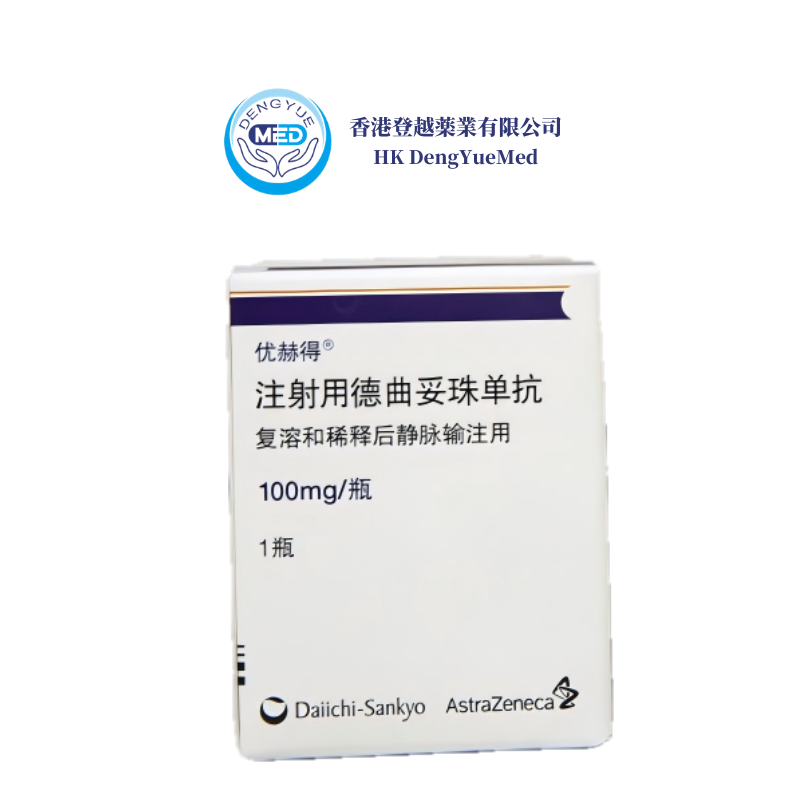
Trastuzumab Deruxtecan (T-DXd) is currently regarded as one of the world’s leading HER2 ADC therapies and has generated the strongest clinical evidence for treating HER2-positive brain metastases.
T-DXd incorporates several innovative design features:
- Cleavable linker
- High drug-to-antibody ratio (DAR)
- Topoisomerase I inhibitor payload
- Strong bystander effect
These characteristics enable T-DXd to demonstrate potent antitumor activity even in tumors with heterogeneous HER2 expression.
Multiple DESTINY clinical trials have consistently demonstrated:
- High intracranial objective response rates (ORR)
- Durable progression-free survival (PFS)
- Significant activity in HER2-positive brain metastases
- Clinical benefit in HER2-low breast cancer
Today, T-DXd is widely regarded as the global benchmark for HER2 ADC development.
2. Trastuzumab Emtansine (T-DM1)
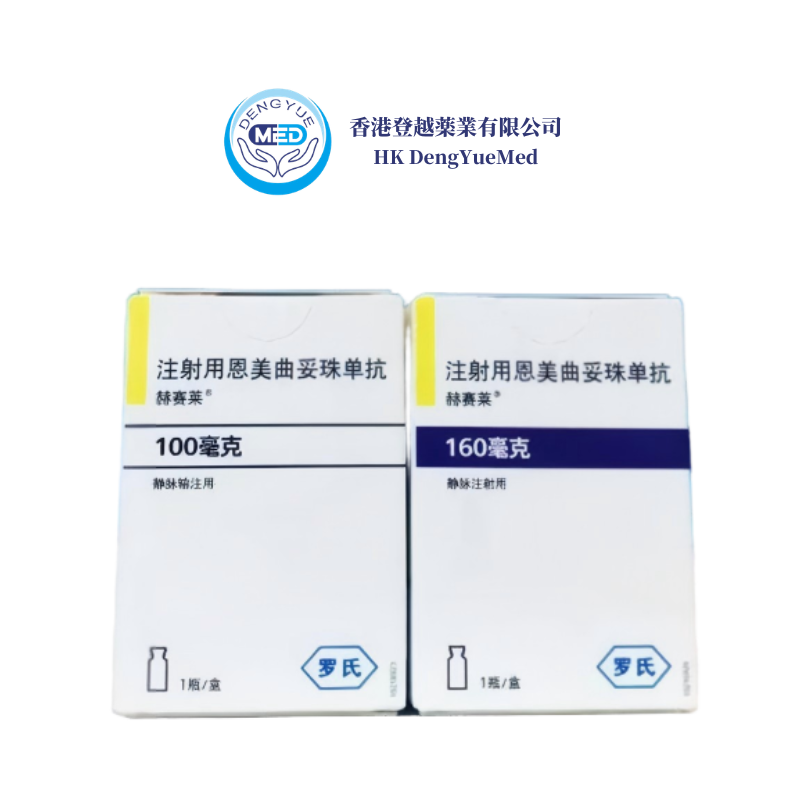
As the first approved HER2 antibody-drug conjugate, Trastuzumab Emtansine (T-DM1) marked the beginning of the HER2 ADC era.
Although its molecular design differs from newer-generation ADCs, T-DM1 has accumulated extensive clinical experience in treating HER2-positive breast cancer and has demonstrated meaningful intracranial disease control in patients with brain metastases.
With the emergence of stronger clinical evidence supporting newer agents such as T-DXd, T-DM1 has gradually shifted from a frontline option to a subsequent-line treatment for selected patients. Nevertheless, its historical significance and clinical value remain substantial.
3. Disitamab Vedotin (RC48)
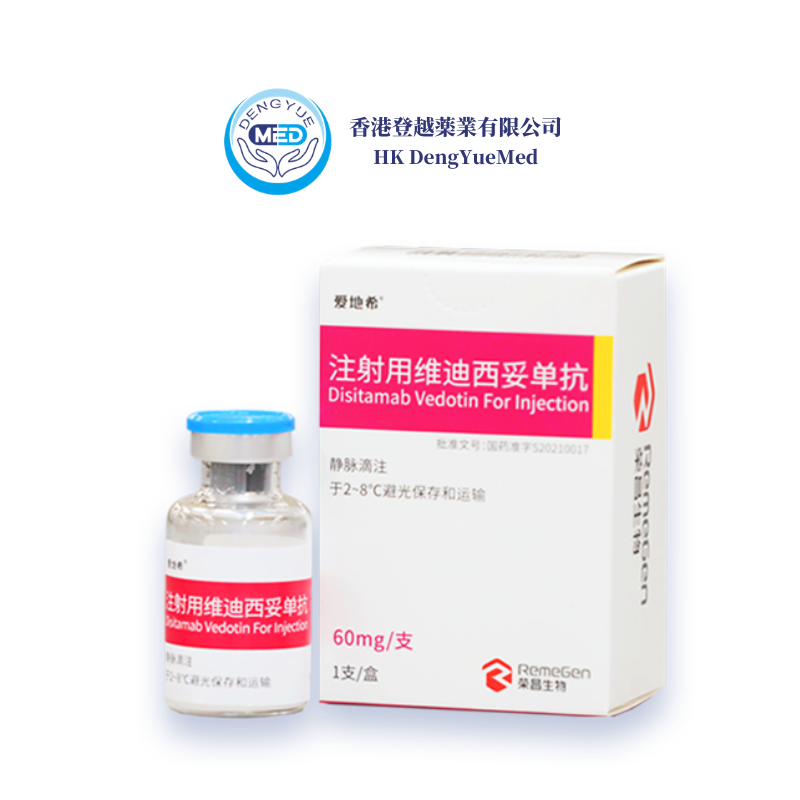
Disitamab Vedotin (RC48), independently developed in China, has attracted increasing international attention in recent years.
Using monomethyl auristatin E (MMAE) as its cytotoxic payload, RC48 has demonstrated promising therapeutic potential in tumors with low-to-moderate HER2 expression. The drug has already received regulatory approval in China for multiple indications while continuing to advance its global clinical development.
Although clinical evidence regarding brain metastases is currently less extensive than that for T-DXd, ongoing clinical trials and real-world studies continue to evaluate its potential role in patients with HER2-positive brain metastases.
Its continued development reflects the rapid progress of China’s innovative ADC ecosystem and its growing influence in the global oncology market.
4. ARX788
ARX788 is one of the most closely watched next-generation HER2 ADCs currently in clinical development. It utilizes site-specific conjugation technology, which is designed to improve molecular stability, optimize pharmacokinetic properties, and enhance the therapeutic index.
The drug is currently being investigated in multiple clinical studies involving:
- HER2-positive breast cancer
- Gastric cancer
- Other HER2-expressing solid tumors
- Patients with brain metastases
Although clinical evidence in brain metastases is still emerging, ARX788 continues to demonstrate encouraging antitumor activity and remains an important candidate in the next generation of HER2-targeted ADCs.
5. SHR-A1811
SHR-A1811 is another promising next-generation HER2 ADC developed in China.
Featuring a topoisomerase I inhibitor payload, SHR-A1811 follows a similar design philosophy to several internationally developed HER2 ADCs while incorporating proprietary optimization technologies.
Current clinical studies include patients with:
- HER2-positive breast cancer
- Gastric cancer
- Other HER2-expressing solid tumors
As China’s ADC innovation ecosystem continues to mature, SHR-A1811 has become an increasingly competitive candidate in the rapidly evolving global HER2 ADC landscape.
6. DB-1303
DB-1303 is another emerging HER2 ADC that has attracted considerable international attention.
Its optimized linker and payload design aim to improve the balance between efficacy and safety while expanding treatment opportunities for HER2-positive malignancies.
Multiple international clinical trials are currently evaluating DB-1303 across a broad range of HER2-expressing solid tumors.
Although intracranial clinical evidence remains limited, continued global development positions DB-1303 as another promising candidate in the expanding HER2 ADC pipeline.
Key Clinical Studies Driving the Development of HER2 ADCs
Several landmark clinical studies have accelerated the application of HER2 ADCs in the treatment of brain metastases.
Among the most influential are:
DESTINY-Breast03
DESTINY-Breast03 demonstrated that Trastuzumab Deruxtecan (T-DXd) significantly improved progression-free survival compared with T-DM1 in patients with HER2-positive metastatic breast cancer while also showing encouraging activity in patients with brain metastases.
DESTINY-Breast12
DESTINY-Breast12 further expanded the evidence supporting T-DXd in patients with active or stable brain metastases, reinforcing its role in controlling central nervous system disease.
TUXEDO-1
The TUXEDO-1 study investigated T-DXd in patients with active HER2-positive brain metastases and reported encouraging intracranial responses, providing additional evidence supporting the use of ADCs in CNS disease.
DEBBRAH
The DEBBRAH study explored the activity of T-DXd in patients with HER2-low breast cancer and brain metastases, further expanding the potential clinical application of HER2 ADC therapy.
Collectively, these studies suggest that next-generation HER2 ADCs can not only improve systemic disease control but also achieve clinically meaningful intracranial responses in selected patients.
The HER2 ADC Market Is Entering a New Phase of Competition
As ADC technology continues to mature, HER2 has become one of the most competitive targets in global oncology drug development.
Leading multinational pharmaceutical companies continue expanding approved indications, while Chinese innovators are accelerating international clinical development, with multiple domestically developed HER2 ADCs entering multinational clinical trials.
Future development trends are expected to include:
- Optimization of linker technologies to improve therapeutic index
- Development of dual-payload ADCs
- Development of multispecific ADC platforms
- Combination therapies with immunotherapy
- Combination therapies with HER2 tyrosine kinase inhibitors (TKIs)
- Combination therapies with radiotherapy
- Expansion into HER2-low and HER2-mutant solid tumors
- Continued accumulation of real-world evidence supporting treatment of brain metastases
China Continues to Accelerate HER2 ADC Innovation
China has rapidly become one of the world’s most active regions for ADC innovation.
Several Chinese-developed HER2 ADCs—including Disitamab Vedotin (RC48), SHR-A1811, and DB-1303—are progressing through international clinical development, reflecting the country’s growing capabilities in innovative drug research.
As more Chinese companies participate in multinational clinical trials and global regulatory programs, China is playing an increasingly important role in shaping the future of HER2-targeted therapies.
Beyond technological innovation, Chinese pharmaceutical companies are also expanding international collaborations, licensing agreements, and global commercialization strategies, further strengthening their presence in the worldwide oncology market.
Conclusion
HER2 ADCs are rapidly reshaping the treatment landscape for patients with HER2-positive cancers and brain metastases.
From the first-generation Trastuzumab Emtansine (T-DM1) to next-generation therapies represented by Trastuzumab Deruxtecan (T-DXd), together with emerging candidates such as Disitamab Vedotin (RC48), ARX788, SHR-A1811, and DB-1303, the HER2 ADC field continues to evolve at an unprecedented pace.
As additional clinical evidence becomes available and innovative ADC technologies continue to mature, HER2 ADCs are expected to provide increasingly precise, effective, and personalized treatment options for patients with brain metastases.
For the pharmaceutical industry, staying informed about leading HER2 ADC therapies, clinical evidence, and global development trends will be essential for understanding the future direction of precision oncology.
About DengYueMed
DengYueMed is a Hong Kong–based global pharmaceutical distributor dedicated to connecting healthcare professionals, hospitals, and patients with innovative medicines developed in China.
We continuously monitor advances in oncology, rare diseases, specialty pharmaceuticals, and precision medicine, providing timely pharmaceutical news, clinical updates, and insights into innovative medicines and global treatment developments.
Related Posts
- New Drug for Biliary Tract Cancer! A Japanese Innovation Enters China, Adding a New Variable to the Global FGFR Landscape
- Chinese HER2 Bispecific Antibody + PD-1 Combination Approved in the U.S. for Gastroesophageal Adenocarcinoma, Advancing to the Forefront of Global Oncology
- The 30-Year Chemotherapy Standard Faces a New Challenge: China's PD-1 Serplulimab Breaks New Ground in Gastric Cancer Treatment