From Liposomes to ADCs: Breakthroughs of Novel Drug Delivery Systems in Cancer Therapy
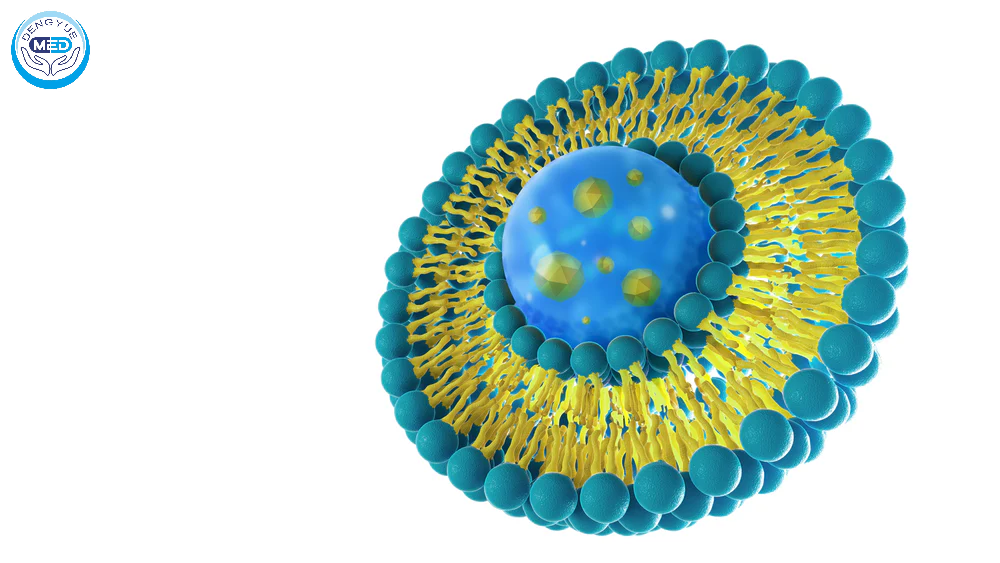
In recent years, cancer treatment has gradually shifted from the era of “broad-spectrum cytotoxicity” toward the era of “precision delivery.” Although traditional chemotherapy drugs can effectively inhibit tumor cell proliferation, their lack of selectivity often causes significant damage to normal tissues, leading to severe side effects. Therefore, how to deliver drugs more precisely into tumor tissues, improve efficacy, and reduce toxicity has become an important direction in the global development of novel anti-cancer drugs.
Against this backdrop, novel Drug Delivery Systems (DDS) have developed rapidly. From early liposome technology to today’s highly discussed ADCs (Antibody-Drug Conjugates), nanocarriers, and albumin-bound technologies, drug delivery systems are profoundly reshaping the landscape of cancer therapy.
Why Do Anti-Cancer Drugs Need “Precision Delivery”?
One of the greatest limitations of traditional chemotherapy drugs is that they “cannot distinguish friend from foe.” While many cytotoxic drugs can kill cancer cells, they also affect rapidly dividing normal cells, causing patients to frequently experience:
- Bone marrow suppression
- Nausea and vomiting
- Hair loss
- Neurotoxicity
- Liver and kidney damage
In addition, some drugs also face challenges such as poor water solubility, short half-life, and insufficient tumor tissue penetration. Therefore, the core goal of modern drug delivery systems is to allow drugs to reach tumor sites more precisely, safely, and stably.
Liposome Technology: An Important Early Breakthrough in Tumor Drug Delivery
Liposomes are among the earliest novel drug delivery systems widely applied in clinical practice. Their principle is to use phospholipid bilayers to form microscopic vesicles that encapsulate drugs, essentially adding a “protective shell” around the medication.
The delivery logic mainly includes:
- Encapsulating drugs
- Prolonging circulation time
- Reducing exposure to normal tissues
- Lowering toxic side effects
Compared with traditional chemotherapy formulations, liposome technology offers significant advantages:
- Reduced drug toxicity
- Fewer hypersensitivity reactions
- Improved pharmacokinetics
- Enhanced tumor accumulation
- Better overall tolerability
Currently, liposome technology has been widely used in multiple anti-cancer drugs, including:
- Liposomal doxorubicin
- Liposomal paclitaxel
- Liposomal irinotecan
Among them, liposomal doxorubicin has important value in reducing anthracycline-induced cardiotoxicity, while liposomal paclitaxel lowers the risk of certain allergic reactions and neurotoxicity by reducing the use of traditional solvents.
The success of liposome technology also laid an important foundation for the development of more precise next-generation drug delivery systems.
Albumin-Bound Technology: Further Enhancing Tumor Penetration
In addition to liposome technology, albumin nanoparticle carrier technology has also become an important drug delivery direction in recent years. The most representative example is albumin-bound paclitaxel (nab-paclitaxel).
This technology uses natural human albumin as a carrier, combining hydrophobic drugs with albumin to form nanoparticles, thereby improving drug solubility and helping drugs enter tumor tissues more efficiently.
Compared with conventional paclitaxel, the main advantages include:
- No need for traditional organic solvents
- Simplified infusion procedures
- Stronger tumor tissue penetration
- Higher drug delivery efficiency
Studies have shown that SPARC proteins in certain tumor tissues may promote albumin accumulation, thereby enhancing drug enrichment in some solid tumors.
Currently, this drug has been widely used in the treatment of:
- Breast cancer
- Pancreatic cancer
- Non-small cell lung cancer
At this stage, drug delivery systems are no longer focused solely on “reducing toxicity,” but are increasingly emphasizing “improving the efficiency of drug delivery into tumor tissues.”
ADC Drugs: Precision Delivery Enters a New Era
If liposome and albumin technologies can be considered “optimized traditional chemotherapy,” then ADCs (Antibody-Drug Conjugates) have truly ushered in a new era of precision drug delivery.
ADCs are often referred to as “biological missiles” in cancer treatment. Their structure generally consists of three components:
- Monoclonal antibody
- Linker
- Cytotoxic payload
The antibody precisely recognizes tumor cell surface targets, the linker stably connects the antibody and toxin, and the payload is the highly potent cytotoxic drug responsible for killing cancer cells.
Mechanism of action
Antibody recognizes tumor → Internalization into cells → Toxin release → Cancer cell destruction
Compared with traditional chemotherapy, ADCs offer:
- Higher precision
- Lower systemic toxicity
- Stronger efficacy
- Highly targeted tumor killing
In recent years, ADCs have become one of the hottest areas in global oncology drug development.
Why Have ADCs Become a Major Focus for Global Pharmaceutical Companies?
The global ADC market has expanded rapidly, with multiple targets attracting intense interest, including:
- HER2
- TROP2
- HER3
- B7-H3
- CLDN18.2
Representative ADC drugs include:
- T-DM1
- DS-8201 (Trastuzumab Deruxtecan)
- Sacituzumab Govitecan
- Enfortumab Vedotin
Among them, the success of DS-8201 further demonstrated that ADCs can not only improve efficacy but may also overcome the limitations of traditional HER2-low expression.
This has driven ADCs into a phase of rapid development. Today, ADCs are no longer just a simple combination of “antibody + chemotherapy drug,” but are continuously evolving toward:
- Bispecific ADCs
- Small-molecule ADCs
- Immune-stimulating ADCs
- Radiopharmaceutical conjugates (RDCs)
Novel Drug Delivery Systems Are Changing the Logic of Cancer Treatment
In the past, anti-cancer drug development focused more on whether the drug itself was effective. Today, however, the industry increasingly emphasizes:
- How drugs are delivered
- Whether they can precisely enter tumors
- Whether toxicity can be reduced
- Whether long-term treatment experience can be improved
As a result, novel drug delivery systems have gradually evolved from “supporting technologies” into one of the core competitive strengths of innovative drug development.
The industry is also exploring more new directions, including:
- Nanomedicines
- RNA delivery systems
- Exosome-based delivery
- Polymer nanoparticles
- Nucleic acid delivery platforms
Especially with the rapid advancement of mRNA technologies and nucleic acid therapeutics, the importance of efficient delivery systems has increased further.
China’s Innovative Drug Industry Is Accelerating Deployment in Drug Delivery Technologies
In recent years, Chinese innovative pharmaceutical companies have rapidly expanded into areas such as:
- ADCs
- Nanomedicine delivery
- Liposome platforms
- Nucleic acid delivery systems
Particularly in popular targets such as HER2, TROP2, and CLDN18.2, Chinese companies are accelerating research and development, and multiple domestic ADCs have already entered the global forefront of innovation.
As global cancer treatment enters the era of precision medicine, novel drug delivery systems are also becoming an important opportunity for the international competitiveness of Chinese innovative drugs.
Conclusion
From liposomes to albumin nanoparticle carriers, and from ADCs to nucleic acid delivery technologies, drug delivery systems are profoundly transforming cancer treatment models.
Compared with the “broad-spectrum killing” approach of the traditional chemotherapy era, modern anti-cancer treatment places greater emphasis on:
- Precision delivery
- Improved efficacy
- Reduced toxicity
- Better long-term treatment experience
In the future, with continuous breakthroughs in ADCs, nanomedicines, and RNA delivery platforms, cancer therapy may further move toward a more precise, efficient, and safer new stage.
Hong Kong DengYue Pharmaceutical Limited (DengYueMed) integrates cutting-edge anti-cancer drug resources from both domestic and international markets, facilitates compliant cross-border medication access channels, and provides professional medical consultation services to support precision oncology treatment implementation, helping more patients conveniently access high-quality anti-cancer drugs developed through various novel drug delivery technologies.
About DengYueMed
DengYueMed is a Hong Kong-based global pharmaceutical distributor specializing in innovative oncology therapies, rare disease medicines, and international pharmaceutical supply solutions. We connect healthcare institutions, pharmacies, distributors, and compliant partners with trusted access to advanced medicines worldwide.
Disclaimer
This article is intended for informational and educational purposes only and does not constitute medical advice, diagnosis, or treatment recommendations. Patients should consult qualified healthcare professionals regarding individual treatment decisions.
Related Posts
- New Drug for Biliary Tract Cancer! A Japanese Innovation Enters China, Adding a New Variable to the Global FGFR Landscape
- Chinese HER2 Bispecific Antibody + PD-1 Combination Approved in the U.S. for Gastroesophageal Adenocarcinoma, Advancing to the Forefront of Global Oncology
- Sevabertinib for HER2-Mutant NSCLC in China: A New Targeted Treatment Option