What Are the Targeted Therapy Drugs for Liver Cancer? Common Targeted Drugs and Treatment Options

Liver cancer is one of the most common malignant tumors worldwide. Among them, hepatocellular carcinoma (HCC) is the most common type of primary liver cancer.
For patients with early-stage liver cancer, surgical resection, liver transplantation, and local ablation remain important treatment options. For some patients with unresectable, locally advanced, or metastatic disease, systemic drug therapy is playing an increasingly important role.
With the development of liver cancer treatment, targeted therapy has become an important component of systemic treatment for advanced liver cancer.
So, what are the targeted therapy drugs for liver cancer? What are the differences between commonly used targeted drugs? How should patients with liver cancer choose an appropriate treatment option?
As a global pharmaceutical distributor, DengYueMed introduces the commonly used targeted therapy drugs for liver cancer and their treatment characteristics to help patients and families better understand systemic treatment for liver cancer.
What Is Targeted Therapy for Liver Cancer?
Targeted therapy refers to a type of drug treatment designed to act on specific targets or pathways involved in tumor growth, proliferation, angiogenesis, or related signaling pathways.
The development and progression of hepatocellular carcinoma are associated with multiple signaling pathways. Tumor angiogenesis and pathways such as the RAF/MEK/ERK signaling pathway play important roles in tumor progression. Therefore, some targeted drugs can inhibit tumor growth by suppressing tumor angiogenesis or related signaling pathways.
Currently, targeted drugs used for liver cancer mainly include multi-target tyrosine kinase inhibitors (TKIs) and antibody drugs directed against specific targets.
It is important to note that targeted therapy is not the same as immunotherapy.
For example:
- Sorafenib is a multi-target tyrosine kinase inhibitor.
- Lenvatinib is a multi-target tyrosine kinase inhibitor.
- Regorafenib is a multi-target tyrosine kinase inhibitor.
- Cabozantinib is a multi-target tyrosine kinase inhibitor.
- Ramucirumab is a monoclonal antibody targeting VEGFR-2.
- Atezolizumab and durvalumab are immune checkpoint inhibitors and are not considered traditional targeted therapy drugs.
Systemic treatment for liver cancer has gradually evolved from targeted therapy alone toward an approach that includes targeted therapy, immunotherapy, and combination treatment. The European Association for the Study of the Liver (EASL) updated its clinical practice guidelines for hepatocellular carcinoma in 2024, highlighting the importance of combination strategies in systemic treatment for advanced liver cancer.

What Are the Common Targeted Therapy Drugs for Liver Cancer?
Common targeted therapy drugs for liver cancer listed in clinical and guideline resources mainly include the following:
| Targeted Drug | Drug Type | Common Treatment Setting |
|---|---|---|
| Sorafenib | Multi-target TKI | Advanced/unresectable HCC |
| Lenvatinib | Multi-target TKI | Advanced/unresectable HCC |
| Regorafenib | Multi-target TKI | Patients with disease progression after sorafenib who were able to tolerate sorafenib |
| Cabozantinib | Multi-target TKI | HCC that has progressed after prior systemic therapy |
| Ramucirumab | VEGFR-2 monoclonal antibody | Selected patients with advanced HCC and elevated AFP |
The U.S. National Cancer Institute (NCI) currently lists targeted therapy drugs for liver cancer including bevacizumab, cabozantinib, lenvatinib, ramucirumab, regorafenib, and sorafenib. It is important to note that drug approvals and indications may vary between countries and regions.
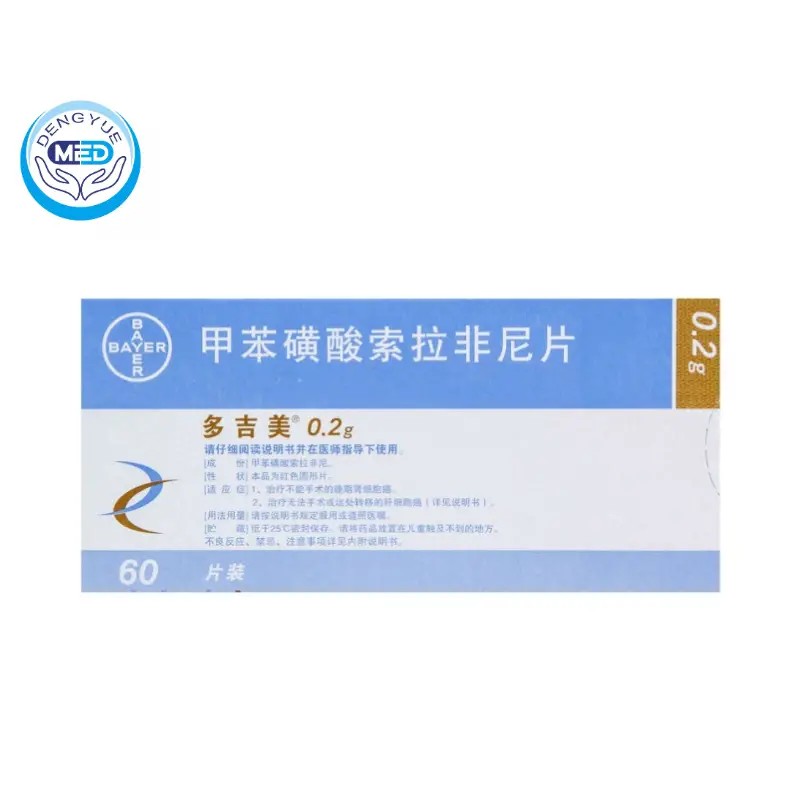
1. Sorafenib
Sorafenib is one of the representative drugs in the development of targeted therapy for liver cancer and was one of the earlier multi-target TKIs used for systemic treatment of advanced hepatocellular carcinoma.
Sorafenib acts on multiple targets associated with tumor cell proliferation and angiogenesis, thereby helping inhibit tumor growth and the formation of new blood vessels.
In clinical practice, sorafenib is mainly used in some patients with advanced or unresectable hepatocellular carcinoma.
Common adverse effects include:
- Hand-foot skin reaction
- Diarrhea
- Rash
- Fatigue
- Hypertension
- Decreased appetite
With the development of immunotherapy-based combination treatments, sorafenib is no longer the only first-line systemic treatment option for all patients with advanced liver cancer. Physicians generally consider factors such as liver function, tumor burden, bleeding risk, and previous treatment history when developing a treatment plan.
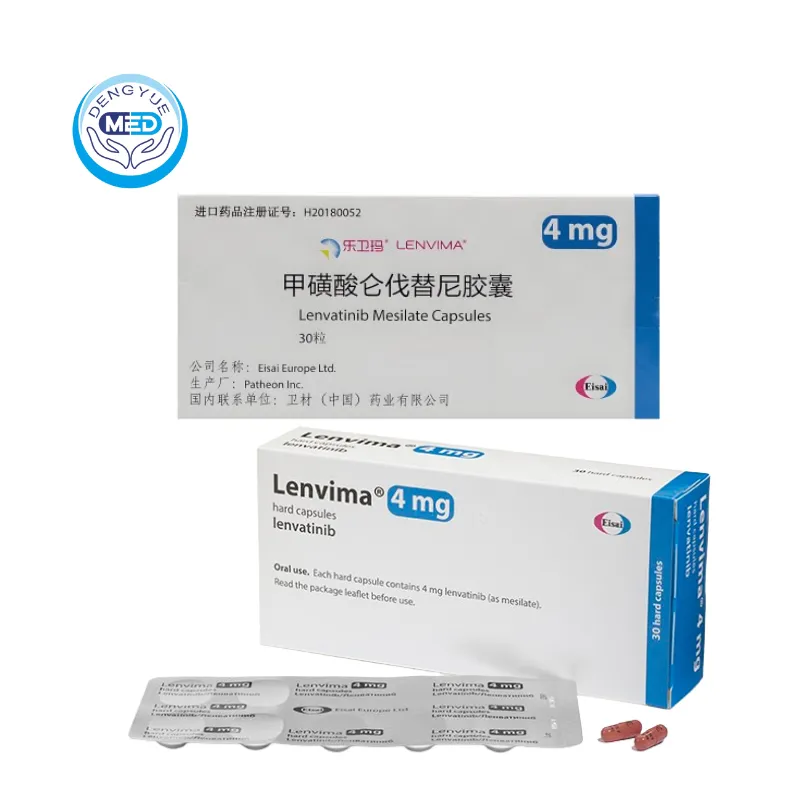
2. Lenvatinib
Lenvatinib is another important multi-target TKI used in the treatment of hepatocellular carcinoma.
Lenvatinib mainly targets multiple pathways associated with tumor angiogenesis and tumor growth, including VEGFR and FGFR.
Compared with sorafenib, lenvatinib demonstrated non-inferior efficacy to sorafenib as first-line treatment for unresectable hepatocellular carcinoma in a pivotal Phase III study. It has therefore become an important systemic treatment option for advanced liver cancer.
Common adverse effects may include:
- Hypertension
- Proteinuria
- Decreased appetite
- Weight loss
- Fatigue
- Diarrhea
- Hand-foot syndrome
For patients receiving lenvatinib, regular monitoring of blood pressure, urinary protein, liver function, and kidney function is generally recommended during treatment.
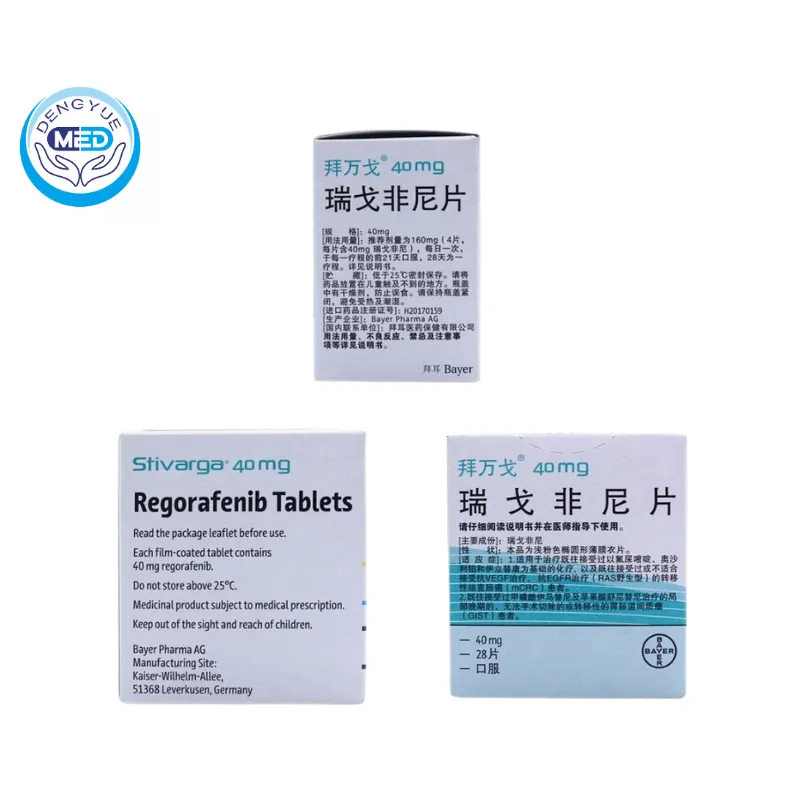
3. Regorafenib
Regorafenib is also a multi-target TKI.
Compared with sorafenib, an important characteristic of regorafenib in liver cancer treatment is its established role in sequential treatment.
For some patients who have previously received sorafenib, were able to tolerate sorafenib, and subsequently experienced disease progression, regorafenib may be considered as a subsequent treatment option.
According to NCI information, the Phase III RESORCE study demonstrated a survival benefit for regorafenib in this specific patient population.
Common adverse effects include:
- Hand-foot skin reaction
- Hypertension
- Fatigue
- Diarrhea
- Decreased appetite
Therefore, patients receiving regorafenib also need close monitoring of blood pressure, liver function, and skin-related toxicity.
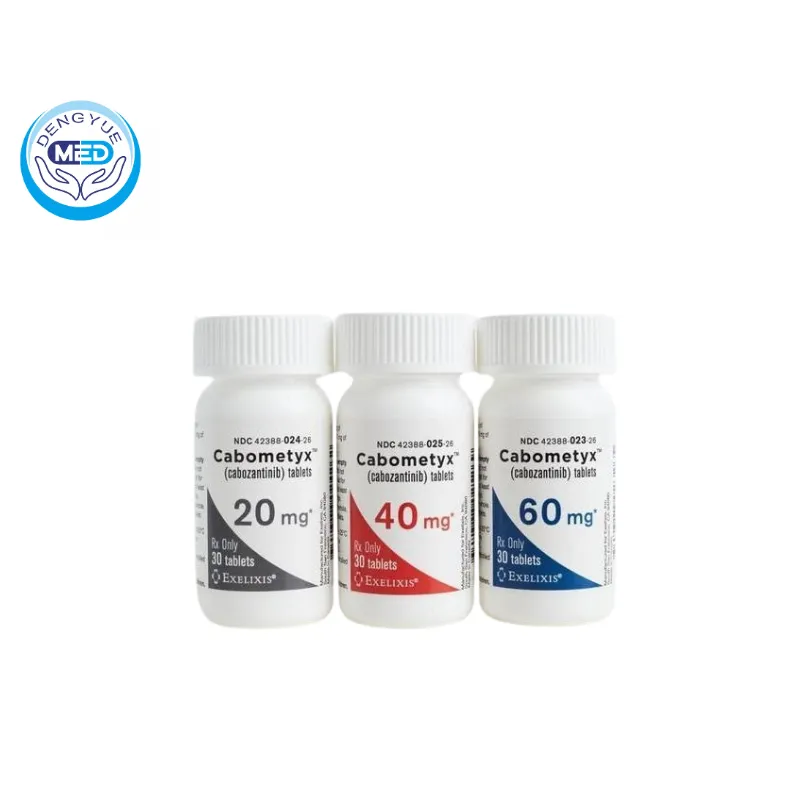
4. Cabozantinib
Cabozantinib is a multi-target tyrosine kinase inhibitor that acts on multiple targets, including VEGFR, MET, and AXL.
Cabozantinib can be used in some patients with advanced hepatocellular carcinoma whose disease has progressed after previous systemic treatment.
It is an important later-line treatment option for some patients with liver cancer who have progressed following previous systemic therapy.
Common adverse effects include:
- Hand-foot syndrome
- Hypertension
- Diarrhea
- Fatigue
- Decreased appetite
- Abnormal liver function
Because cabozantinib can cause a range of adverse effects, whether it is appropriate and how it should be used need to be evaluated based on the patient’s overall condition.
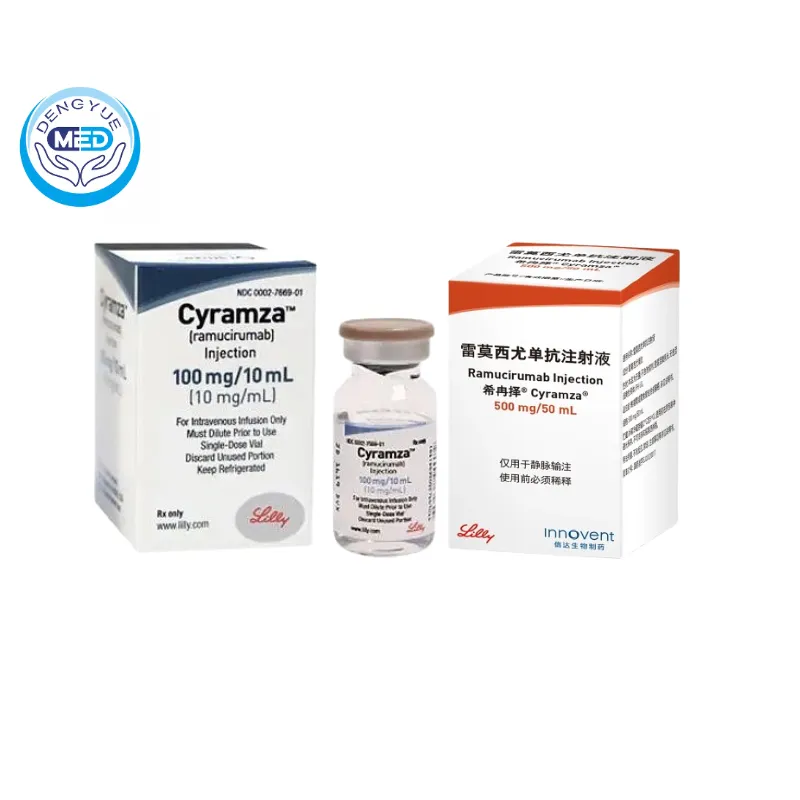
5. Ramucirumab
Unlike the TKIs described above, ramucirumab is a monoclonal antibody targeting VEGFR-2.
Tumor growth and metastasis require the formation of new blood vessels to supply oxygen and nutrients. Therefore, inhibition of angiogenesis is an important approach in targeted therapy for liver cancer.
The use of ramucirumab in hepatocellular carcinoma is associated with a specific biomarker requirement. For some patients with advanced HCC who have previously received sorafenib and have an alpha-fetoprotein (AFP) level of ≥400 ng/mL, ramucirumab may be considered as a treatment option. NCI liver cancer treatment information also identifies this AFP level as an important criterion for its use in HCC.
How Are Targeted Drugs for Liver Cancer Selected?
There is no single “best drug” that is suitable for every patient with liver cancer.
When developing a treatment plan, physicians generally consider the following factors:
1. Liver Cancer Stage
Treatment strategies differ significantly between early-, intermediate-, and advanced-stage liver cancer.
For some patients with early-stage disease, local treatments such as surgical resection, liver transplantation, or ablation may be preferred over systemic targeted therapy.
For patients with locally advanced, unresectable, or metastatic liver cancer, systemic therapy may need to be considered.
Therefore, targeted therapy should not be selected simply because a patient has been diagnosed with liver cancer.
2. Liver Function
Patients with hepatocellular carcinoma often have underlying liver diseases such as cirrhosis, hepatitis B, or hepatitis C.
Therefore, before selecting systemic therapy, physicians need to evaluate not only the tumor but also the patient’s hepatic reserve.
In clinical practice, factors such as the Child-Pugh score are commonly used to assess whether a patient may be suitable for certain systemic treatments.
3. Whether the Patient Has Received Previous Systemic Therapy
The medications a patient has previously received can directly affect the next treatment choice.
For example, regorafenib was studied primarily in patients who had previously received sorafenib, were able to tolerate it, and subsequently experienced disease progression.
Therefore, when selecting second-line treatment, physicians cannot simply determine which drug is “the most effective.” Previous treatment history must also be taken into consideration.
4. AFP Level
AFP is a commonly used tumor marker in patients with hepatocellular carcinoma.
For some patients with advanced HCC, the AFP level may also influence treatment selection.
For example, the use of ramucirumab in liver cancer is mainly considered for patients with an AFP level of ≥400 ng/mL.
5. Bleeding and Vascular-Related Risks
Some patients with liver cancer may have portal hypertension, esophageal or gastric varices, or other complications.
Because some systemic treatments can affect angiogenesis or bleeding risk, an appropriate assessment is required before treatment.
6. The Patient’s Overall Health
Age, performance status, comorbidities, kidney function, blood pressure, and previous drug tolerance may all affect the choice of treatment.
Therefore, even among patients with the same stage of advanced liver cancer, the final treatment regimen may be completely different from one patient to another.
What Should Patients Pay Attention to During Targeted Therapy for Liver Cancer?
Patients receiving targeted therapy need regular follow-up examinations and monitoring during treatment.
Common monitoring parameters include:
- Blood pressure
- Liver function
- Kidney function
- Urinary protein
- Complete blood count
- Alpha-fetoprotein (AFP)
- Tumor imaging examinations
- Body weight and nutritional status
- Hand-foot skin reactions
If patients develop persistent diarrhea, significant fatigue, severe hand-foot skin reactions, hypertension, bleeding, jaundice, or other concerning symptoms, they should contact their physician promptly.
Patients should not increase, reduce, or discontinue anticancer medications on their own.
Some adverse effects associated with targeted drugs can be managed through dose adjustments, supportive treatment, or temporary treatment interruption. However, the appropriate management approach must be determined by a physician.

Conclusion
Targeted therapy has become an important component of systemic treatment for advanced hepatocellular carcinoma.
From sorafenib and lenvatinib to regorafenib, cabozantinib, and ramucirumab, different targeted drugs have different mechanisms of action, indications, and treatment settings. As immunotherapy, targeted therapy, and combination treatments continue to develop, treatment options for patients with liver cancer are becoming increasingly diverse and personalized.
As a global pharmaceutical distributor, DengYueMed, based in Hong Kong, is committed to connecting the global pharmaceutical supply chain and providing pharmaceutical sourcing and distribution services to healthcare institutions, pharmaceutical distributors, pharmacies, and other professional customers. Its portfolio and services cover oncology drugs, targeted therapies, innovative medicines, and specialty pharmaceuticals.
DengYueMed closely follows developments and innovations in global oncology treatment and aims to support access to reliable pharmaceutical resources in international markets through professional pharmaceutical supply chain services.