Advances in the Treatment of HER2-Mutant Advanced Non-Small Cell Lung Cancer
Advances in the Treatment of HER2-Mutant Advanced Non-Small Cell Lung Cancer
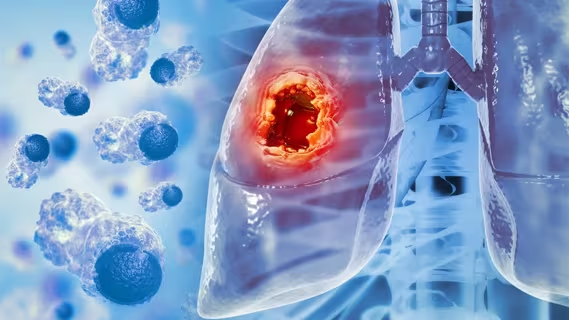
HER2 (ERBB2) mutations are increasingly recognized as a distinct molecular subtype in advanced non-small cell lung cancer (NSCLC).
Approximately 3%–5% of NSCLC patients harbor HER2 mutations, with exon 20 insertions being the most common. These mutations primarily occur within the tyrosine kinase domain (TKD).
Patients with HER2-mutant NSCLC tend to exhibit unique clinical characteristics:
- More common in females
- More frequent in non-smokers
- Median diagnosis age ~62 years
- Higher risk of brain metastases
The NCCN guidelines recommend HER2 mutation testing for metastatic non-squamous NSCLC to guide treatment decisions.
Antibody–Drug Conjugates (ADCs): Leading the First Breakthrough
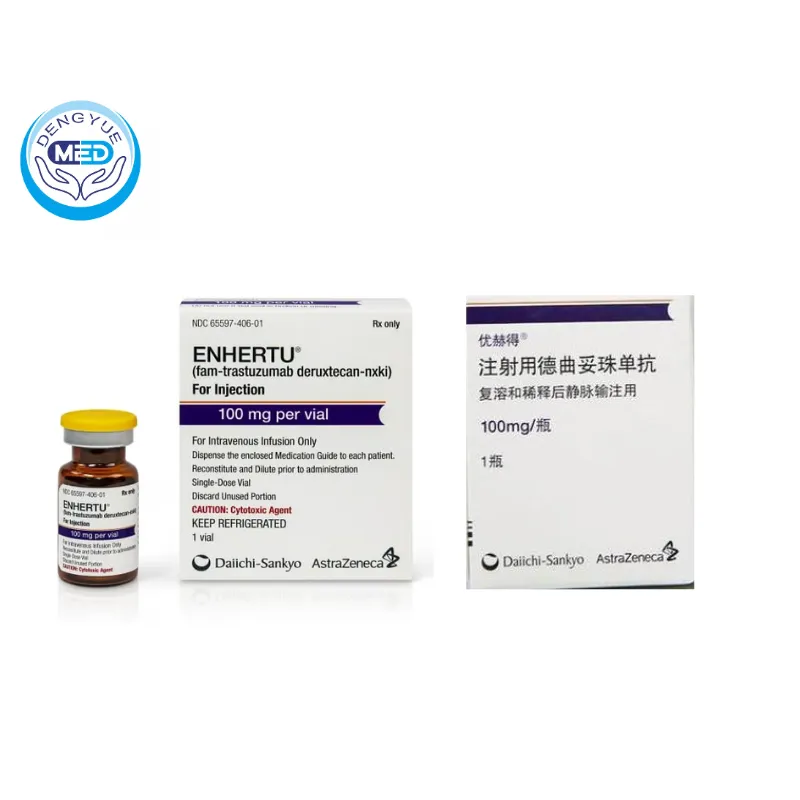
Antibody–drug conjugates (ADCs) have driven major breakthroughs in HER2-mutant NSCLC.
Trastuzumab Deruxtecan (Enhertu)
- Approved in China for previously treated patients
- DESTINY-Lung01:
- ORR: 55%
- OS: 17.8 months
⚠️ Key risk: interstitial lung disease (ILD)
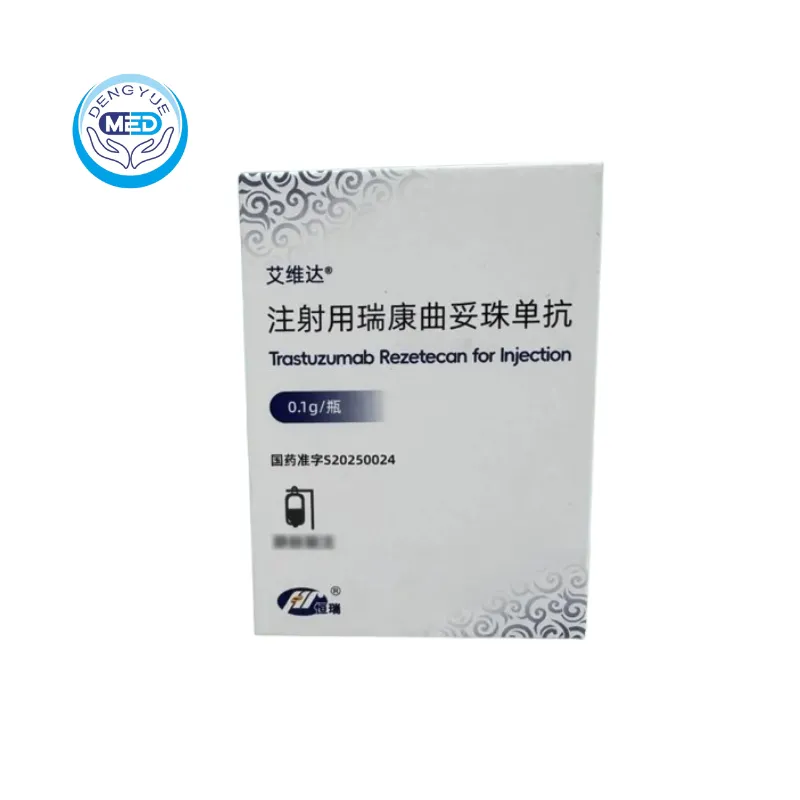
Trastuzumab Rezetecan
- HORIZON-Lung study:
- ORR: 74.5%
- mPFS: 11.5 months
👉 Strong activity even in:
- Brain metastases
- Prior HER2-TKI patients
Oral Tyrosine Kinase Inhibitors (TKIs): Expanding Precision Therapy
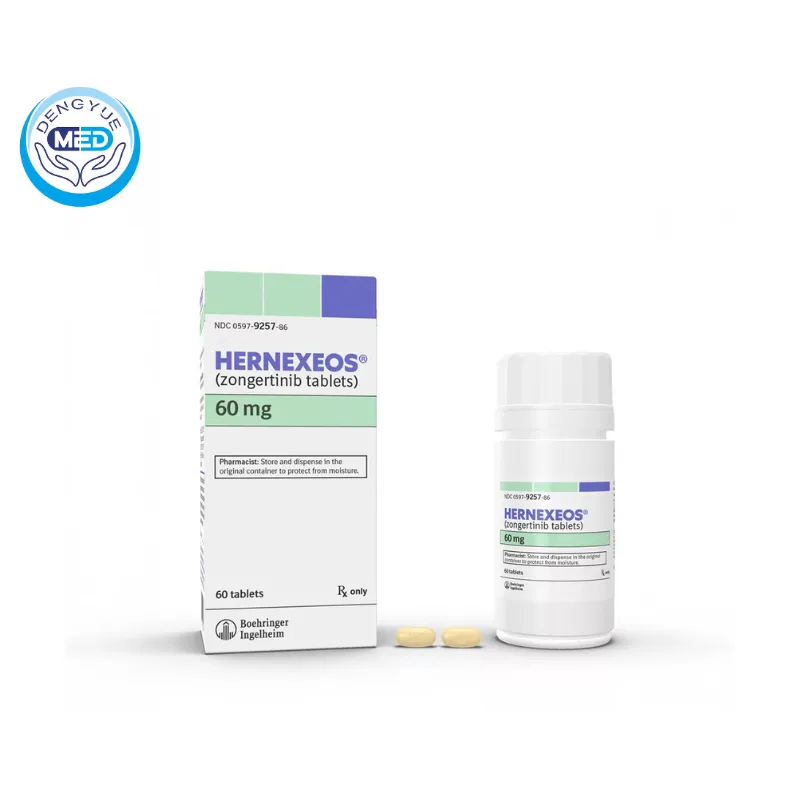
Zongertinib
- FDA-approved HER2 TKI
- Beamion LUNG-1:
- ORR: 71% (pretreated)
- ORR: 76% (first-line)
- mPFS: 12.4 months
👉 Some patients achieved complete response
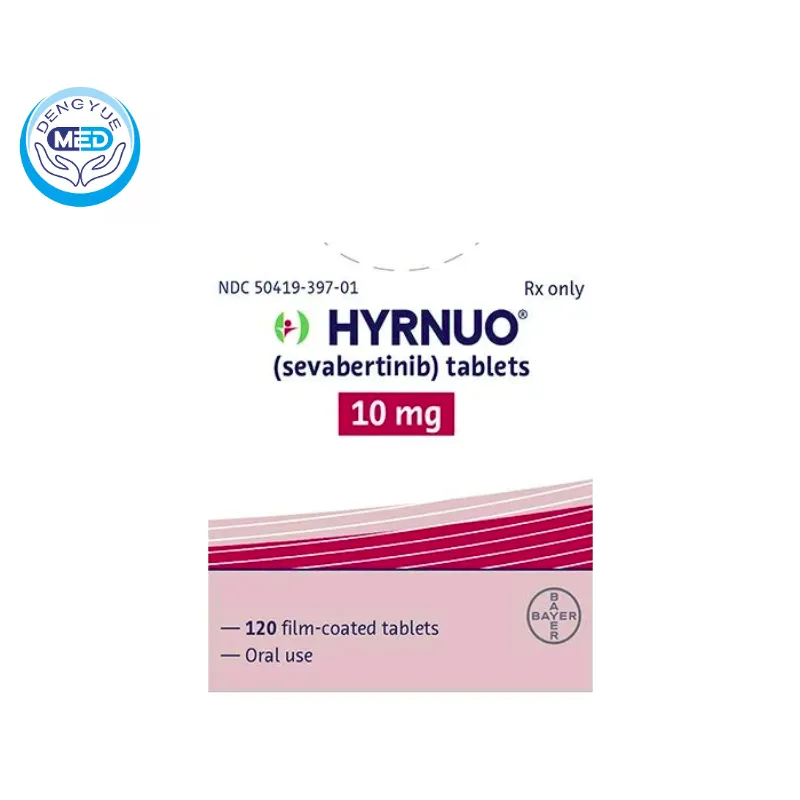
Sevabertinib
- Dual HER2/EGFR inhibitor
SOHO-01 study:
- ORR: 64% (no prior HER2 therapy)
- ORR: 38% (post-ADC)
- mPFS: 8.3 months
⚠️ Common AE: diarrhea
Treatment Landscape Evolution
Current NCCN recommendations:
- First-line: chemotherapy ± immunotherapy
- After progression:
- ADCs (trastuzumab deruxtecan, disitamab vedotin)
- TKIs (zongertinib, sevabertinib)
👉 Treatment is shifting toward precision targeted sequencing strategies
Conclusion
The treatment landscape of HER2-mutant NSCLC is rapidly evolving.
From ADCs to next-generation TKIs:
- Response rates significantly improved
- Survival outcomes extended
- Personalized therapy becoming feasible
Future directions:
- Combination therapy
- Earlier-line targeted use
- Brain metastasis optimization
DengYueMed will continue to track global advances and support access to innovative oncology therapies.
Related Posts
- Chinese HER2 Bispecific Antibody + PD-1 Combination Approved in the U.S. for Gastroesophageal Adenocarcinoma, Advancing to the Forefront of Global Oncology
- Sevabertinib for HER2-Mutant NSCLC in China: A New Targeted Treatment Option
- New Progress in First-Line Treatment of HER2-Positive Breast Cancer: Trastuzumab Deruxtecan Plus Pertuzumab Approved