Compliance Upgrades in Cross-Border Pharmaceutical Trade

In recent years, the global pharmaceutical supply chain has continued to evolve toward cross-border integration and digitalization, significantly improving the efficiency of international drug distribution. However, alongside the rapid expansion of cross-border pharmaceutical trade, issues involving counterfeit drugs, illegal generics, and medicines of unknown origin have become increasingly serious.
In high-demand sectors such as weight-loss drugs, oncology therapies, and chronic disease medications, counterfeit drug networks are becoming more internationalized, online-based, and concealed, posing major risks to global public health and drug safety.
Against this backdrop, in 2026, regulatory authorities including the U.S. FDA, the European Medicines Agency (EMA), China’s NMPA, as well as regulators in Switzerland and Ukraine, introduced stricter pharmaceutical compliance measures. From import inspections and serialization systems to tamper-evident packaging and cross-border enforcement cooperation, global regulators are strengthening anti-counterfeit governance.
Cross-border pharmaceutical trade is now entering a new era defined by strict regulation, international coordination, and full traceability.
I. U.S. FDA: ImportShield Strengthens Real-Time Risk Control for Imported Drugs
In January 2026, the U.S. FDA officially launched the ImportShield system as a core platform for regulating imported pharmaceuticals. The system integrates national review resources and replaces the previous fragmented regional oversight model with unified nationwide standards.
ImportShield connects to global pharmaceutical supply chain databases, violation records, and high-risk product lists, enabling real-time alerts and rapid interception of suspicious products.
Key monitoring categories include:
- GLP-1 weight-loss drugs
- Oncology medicines
- Chronic disease therapies
- ED drugs
- Antibiotics
At the same time, the FDA has strengthened accountability mechanisms. Importers and distributors are now required to assume joint responsibility for drug authenticity.
Counterfeit drug cases may result in:
- Cargo seizures
- Heavy financial penalties
- Revocation of import licenses
- Criminal liability
This trend indicates that the U.S. market is placing increasing emphasis on supply chain transparency and product legitimacy. Drugs lacking complete traceability systems or relying on gray-market import channels will face growing barriers to market entry.
II. EMA: Advancing “One Product, One Code” and Tamper-Evident Packaging
The European Union has long been regarded as a global benchmark in pharmaceutical regulation. In 2026, the EMA further strengthened its Safety Features framework by expanding mandatory implementation of Unique Identifiers (UDI) and tamper-evident packaging systems.
Under the updated regulations, all prescription drug packages must include a GS1-compliant 2D data matrix code containing:
- Product codes
- Batch numbers
- Expiration dates
- Manufacturer information
- Serial numbers
This ensures full lifecycle traceability.
In addition, pharmaceutical packaging must incorporate tamper-evident devices such as anti-opening seals or protective labels. Once opened or altered, visible evidence must remain, significantly reducing the risks of repackaging and counterfeit substitution.
The EU has also intensified cross-border circulation controls. Before entering the European market, exporters must submit complete qualification documents and traceability registration data.
Throughout distribution, wholesalers, pharmacies, and hospitals are required to scan and verify products before dispensing.
Beyond the EU, Switzerland and Ukraine are implementing similar systems, signaling that Europe is moving comprehensively toward a “dual-security identification” era.
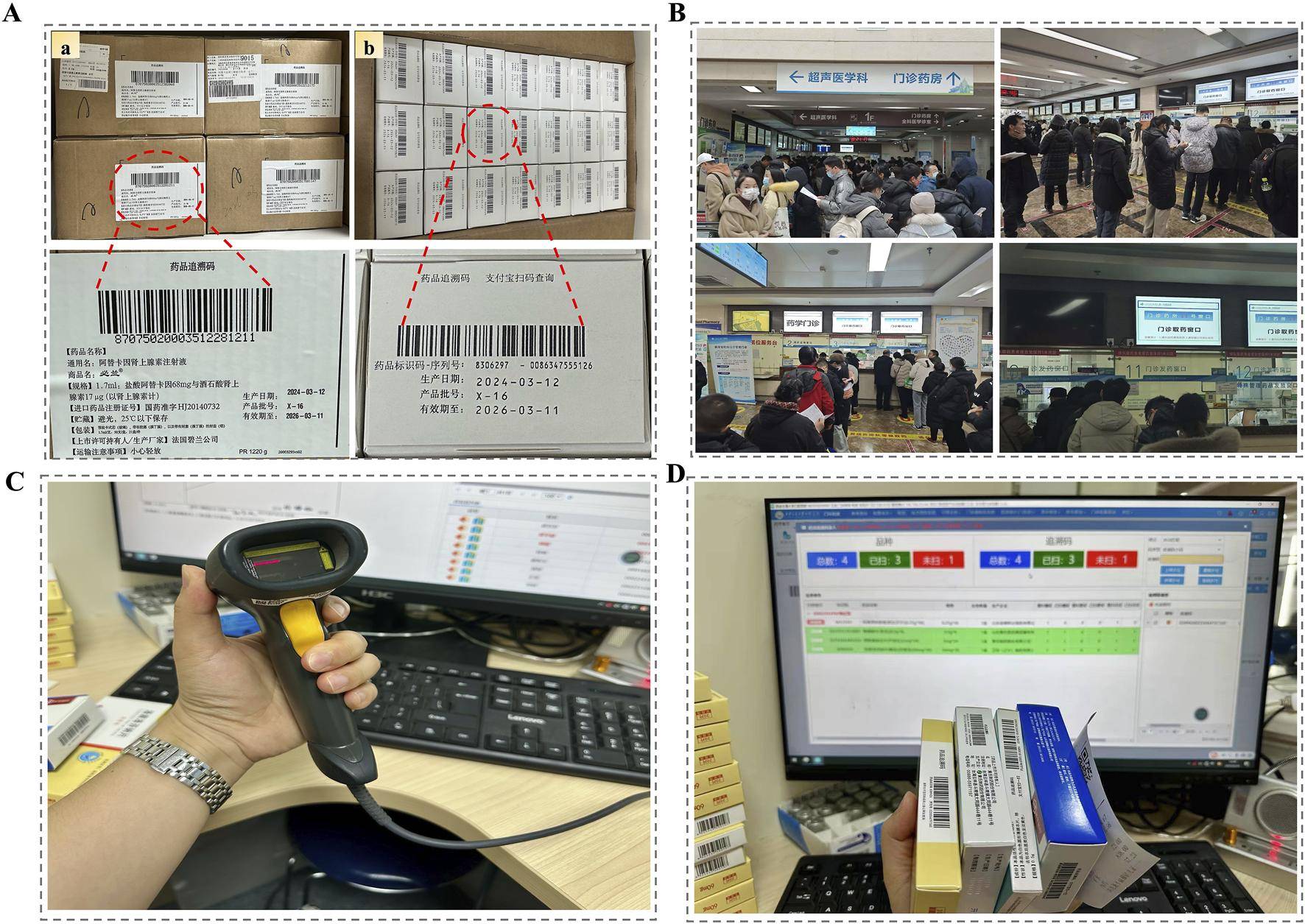
III. China’s NMPA: Comprehensive Upgrade of Pharmaceutical Traceability
In 2026, China’s National Medical Products Administration (NMPA) continued strengthening its pharmaceutical supervision framework through:
- Full-scale drug traceability code collection
- Revisions to the Drug Administration Law Implementation Regulations
- Stricter controls on imported pharmaceuticals
Under the new regulations, hospitals, pharmacies, and clinics nationwide are required to fully collect and upload drug traceability codes, enabling complete tracking from production and distribution to final use.
Once problematic products are identified, authorities can rapidly trace their origins and responsible parties.
Meanwhile, the revised Drug Administration Law further clarified the legal boundaries for personal cross-border drug purchases.
Imported medicines for personal use must meet three conditions simultaneously:
- A valid prescription
- Reasonable personal-use quantities
- Legal overseas approval status
Products imported beyond these limits may still be classified as illegal drugs.
At the corporate level, China continues to maintain strict enforcement against:
- Unapproved generics
- Repackaged expired medicines
- Illegally recirculated drugs
Violations may result in fines, product destruction, and criminal liability.
IV. Four Major Global Regulatory Trends
The latest international regulations reveal four major trends shaping the future of pharmaceutical compliance.
1. Traceability Is Becoming Mandatory
Unique identifiers and digital traceability are rapidly becoming basic market-entry requirements worldwide.
2. Dual Security Systems Are Emerging
Drug safety labeling is evolving into a dual-protection system combining:
- QR code verification
- Tamper-evident packaging
This significantly raises the barriers to counterfeiting.
3. International Enforcement Cooperation Is Intensifying
Organizations such as:
- FDA
- EMA
- WHO
- Interpol
are expanding blacklist sharing and cross-border regulatory coordination to strengthen global anti-counterfeit actions.
4. Accountability Is Becoming Stricter
Importers, distributors, e-commerce platforms, and even personal purchasing agents may face joint liability, while severe fines and criminal penalties are becoming increasingly common worldwide.
V. DengYueMed’s Perspective on Global Pharmaceutical Compliance
As a platform focused on international pharmaceutical supply chains and global compliance systems, DengYueMed believes that the future competitiveness of cross-border pharmaceutical trade will increasingly depend on:
- Compliance capability
- Supply chain transparency
- Regulatory adaptability
With major regulatory agencies such as the FDA, EMA, and NMPA strengthening oversight of drug authenticity and legal sourcing, pharmaceutical companies must establish comprehensive compliance management systems, including:
- GMP verification
- International coding management
- Product traceability
- Supplier qualification mechanisms
Particularly in high-demand sectors such as GLP-1 therapies, oncology drugs, and chronic disease medicines, international markets are demanding higher standards for authenticity assurance and traceability.
Companies capable of achieving transparent sourcing, controllable processes, and end-to-end traceability will be more likely to gain long-term global trust.
VI. Conclusion
Over the coming years, global pharmaceutical regulation will continue moving toward greater:
- Digitalization
- Coordination
- Transparency
Drug traceability, unique identification systems, tamper-evident packaging, and cross-border regulatory data sharing are gradually becoming essential infrastructure for international pharmaceutical trade.
For pharmaceutical companies, compliance is no longer merely a regulatory obligation — it is becoming a core component of international competitiveness.
Only by building robust compliance systems, adhering to genuine product supply standards, and strengthening global regulatory adaptability can companies maintain long-term market trust in an era of increasingly strict regulation.
Against the backdrop of intensifying global anti-counterfeit efforts, DengYueMed will continue monitoring international pharmaceutical regulatory developments and global supply chain compliance trends, promoting safer, more transparent, and fully traceable cross-border pharmaceutical services to help safeguard patient safety worldwide.
Related Posts
- New Drug for Biliary Tract Cancer! A Japanese Innovation Enters China, Adding a New Variable to the Global FGFR Landscape
- New Treatment Option for Non-Radiographic Axial Spondyloarthritis: Innovative Drug Ivarmacitinib Approved for This Indication
- China's First Generic Tiotropium Bromide and Olodaterol Inhalation Spray Approved: Ending an 8-Year Market Exclusivity and Bringing New Options for COPD Treatment